As back-to-school season is in full swing, many teachers are on edge. There were 277 anti-LGBTQ bills introduced in 2025 that were meant to restrict student and educator rights. These include trans-exclusionary pronoun laws and so-called “Don’t Say Gay” laws, which disallow teachers from educating students about sexual orientation or gender identity. And in June, the Supreme Court ruled in favor of parents who wanted to opt their children out of classes that featured books with LGBTQ characters.
In addition, there have been numerous false claims that teachers are grooming their students by discussing LGBTQ issues in the classroom. Vice President JD Vance has said that childless teachers are “trying to brainwash the minds of our children,” and President Donald Trump has repeatedly made the false claim that children are undergoing transgender surgery at school.
We wanted to understand how queer and ally teachers are navigating the political climate. So we called up six of them from various red and blue states to get their take on teaching in America in 2025.
Spencer Macnaughton: Hi everyone, I’m Spencer Macnaughton. Today I am here with a set of teachers from across the United States, LGBTQ teachers and allies alike, and we want to get their perspective on what it’s like to be a teacher in America, as we’re in the throes of back-to-school season. Everyone, thanks so much for speaking with me and Uncloseted Media today.
Daniel Greenspan: Great to be here.
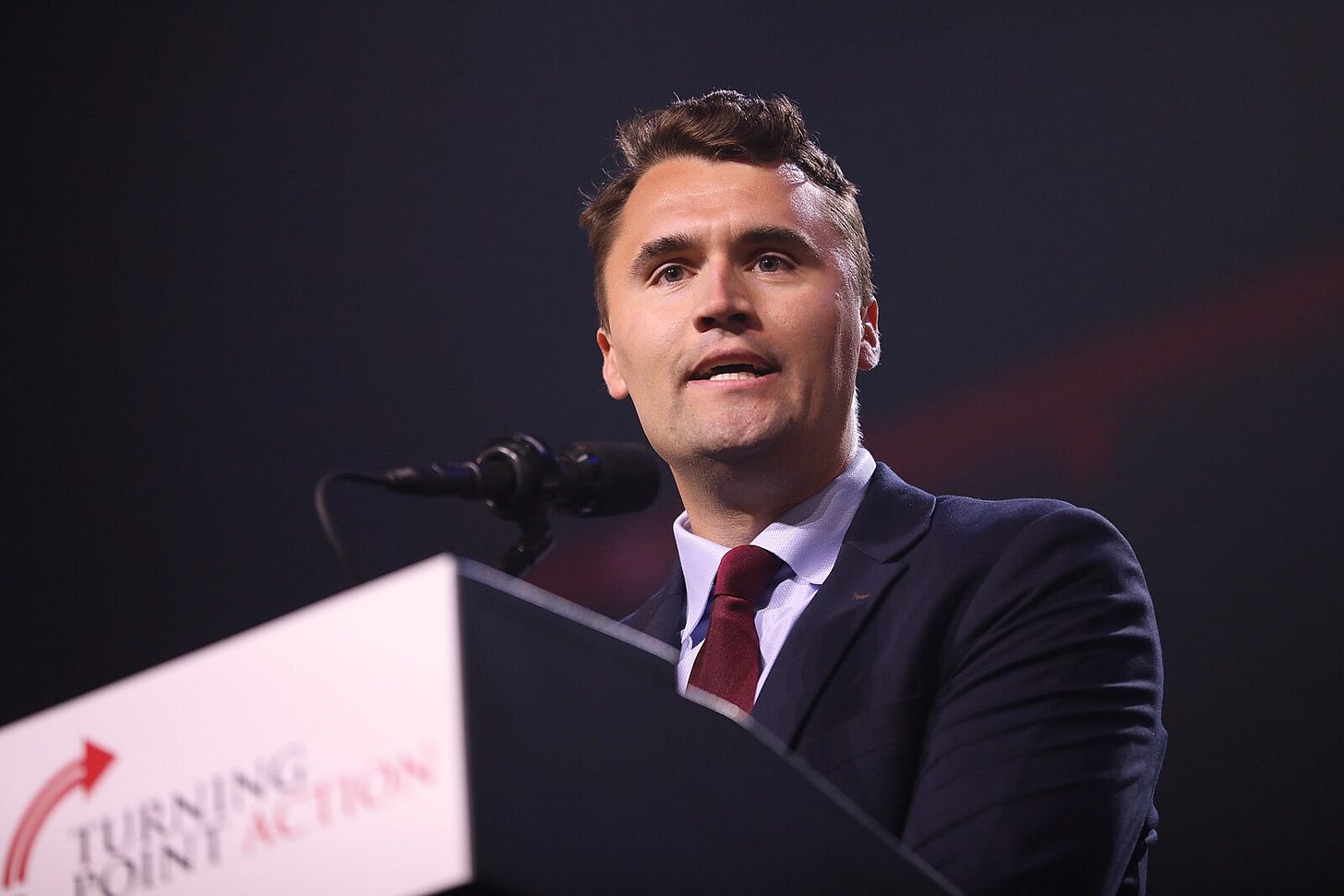
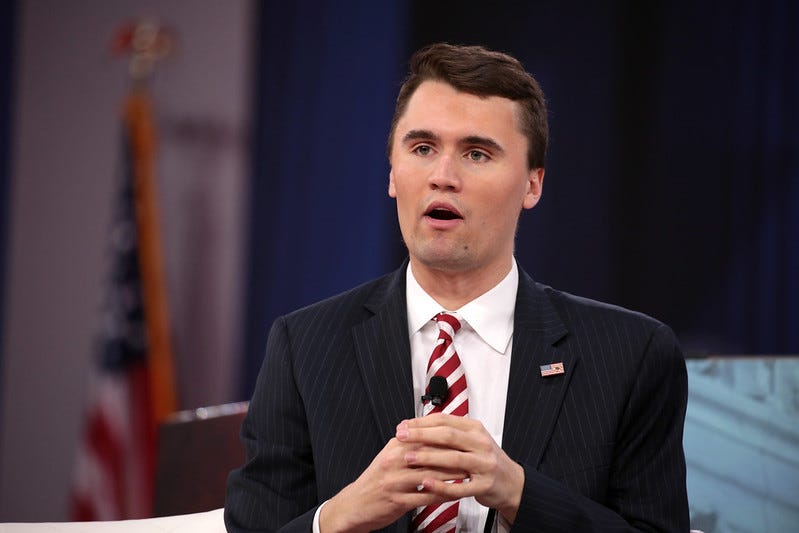
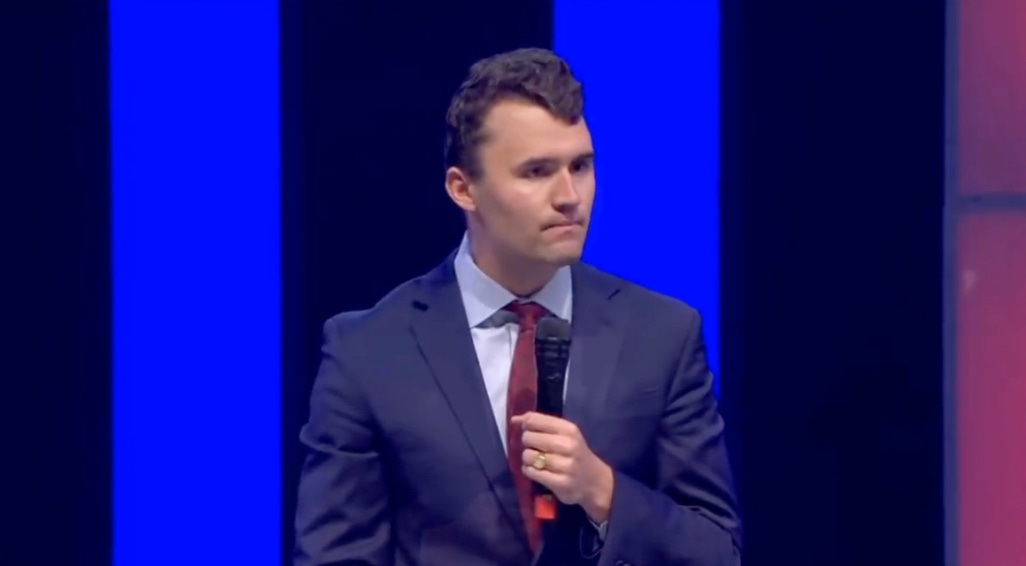
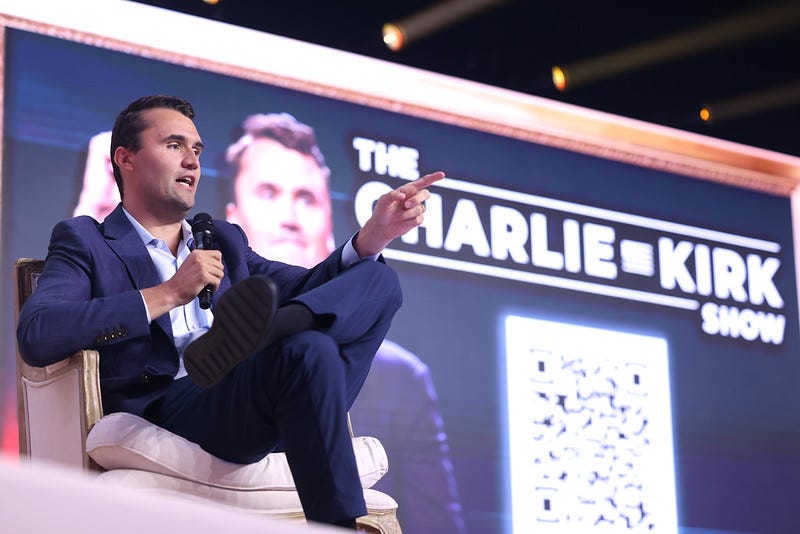
SM: So I feel like I’d be remiss if I didn’t start right away with the events that happened last week with the assassination of Charlie Kirk. How do you approach a subject like this that is so complicated for adults to discuss with your students, if at all?
DG: I’m in a much more rural area and I definitely got asked about it. I’m kind of on edge about the whole topic because several teachers in my district have been fired just over the last week. I try not to discuss it if possible. It’s a shame that we can’t discuss controversial topics, but you know, they are kids and they’re prone to misinterpret things, and the second a parent gets wind of it, you’ll be very quickly removed.
SM: I feel like if I had kids, I’d want my kids to be learning about tough topics from their teachers, but you’re saying that you’re worried that you could get fired if you talked about that. Is that a sentiment that’s felt across the board here?
Mardy Burleson: Absolutely. Absolutely.
SM: Mardy, tell us more about that.
MB: Well, I have been on the receiving end of a group of parents, community members, for just being an ally. And it’s been pretty horrific, and to the point where it’s now a lawsuit that I initiated because it got so threatening that I had no choice.
SM: And Mardy, just for folks and people listening who don’t know your story, you essentially gave a worksheet to your students that asked them what their pronouns were, and that got out to some of the parents in your class, and you were subsequently doxed, called a groomer, and really harassed online for many, many months to the point where you were afraid to walk down aisles in the grocery store. Is that all accurate?
MB: That is accurate. Yes, that is accurate. I was on paid admin leave for my own safety. I mean all the teachers in here knows what they are, they’re just get-to-know you questionnaires at the beginning of the year and there was an optional question on there: What are your preferred pronouns? And, it got crazy online, it was like threats [on] my life.
SM: When you go through that at school, getting doxed by parents in the community because you’re trying to teach about pronouns, tell me what that does to you personally from a mental health perspective.
SM: It’s such a balance too that the LGBTQ community has become so politicized and, you know, there’s been dozens and dozens of anti-LGBTQ bills from book bans, to don’t say gay laws, to so many rules about can you use pronouns? Can you not use this? Particularly in red states. I’m curious as allies or as queer teachers, how has it inhibited you or stifled your ability to teach what you want as it relates to LGBTQ studies?
AJ Pound: Something that really sticks out to me is that at my first—at the suburban school that I was subsequently bullied out of by a series of parents and then a new principal who just didn’t want to take the flak, I guess. We did like a poem-a-day type of thing. And one poem, one of them, was by a non-binary poet. I mentioned it in class, and a parent sent me a nasty email. That kind of thing really, especially when you’re a new teacher, sticks with you, and it just makes you afraid to touch, to even get close. That was a total non-invasive way, I think, of just bringing in a queer voice, and the response from just that attempt really put me off. It’s one of those things, though, where you just have to accept that at school, unfortunately, you have to be on and performing 100% of the time already. So it’s just adding that little extra bit of hiding.
J. Everett Irwin: I had had over a decade into the district that I was teaching at when I started using gender neutral names and they/them pronouns in story problems for math. I thought I was in a safe position, and it came back again.
DG: There’s definitely a degree of detraction from the lessons. I couldn’t read something by James Baldwin and not mention how his sexuality influenced the work. That’s incredibly disrespectful. There’s a degree of shame almost in not standing up for this stuff. To think this stuff doesn’t trickle down to the kids is naive.
SM: You said a word there that I thought was striking is “shame.” You feel shame, some shame when you can’t teach that.
AP: As a young teacher, I came out when I was student teaching. My first day at this school, as a brand new first-year teacher, was my first classroom. I was so excited. I had my rainbow planner sitting on my desk. After school that day, my principal told me that a parent called in and was crying in tears on the phone, worried about her daughter and how I was going to corrupt her daughter because of my rainbow planner. So there were too many things going on at once where it was like, I felt shamed that I had upset a parent, that this indicated that I was bad at my job or I wasn’t a safe teacher. I felt shamed that people were threatened by my identity. I felt shamed that a student in my classroom was upset. Then I also felt shame that I was shamed because I was like, wait, no, I’m proud, I’m out, right? I’m over this. But I think there’s something that happens when you’re raised in a society that tells you constantly to [be] quiet and squash it down. There are kids in my classroom right now who feel the way I do or feel worse than I do because the world they’re entering is not safe for them.
Kaitlynn Pelletier: My first three years of teaching were in Maine, and I was teaching in a really tiny, tiny, tiny small town. A student, a transgender student, came up to me and asked me to start a [Gay-Straight Alliance] GSA. And I was like, yeah, I’m down. Then I went forward with the principal, trying to see if I could do that. He kind of made it impossible to do. He was telling me it couldn’t be anything to do with rainbows, the name had to be something completely not related to pride. Anytime a student came out, I would have to report that to the parents. I feel like he just kept putting things in my way to get it so that I couldn’t ever start this, and then COVID happened, and then I couldn’t anyways. So I feel so bad for that student because I know she was very much bullied there.
Alyssa Hamilton: For me, I’m very grateful that I work in a building that, I think our administrators, as well as a majority of the staff, we understand that when we’re building a curriculum, a curriculum should look like a mirror to our students and not necessarily them looking through a window. We try to incorporate all of our students’ lived experiences to make our pedagogy culturally relevant and responsive. We’re really lucky to work in school districts in New York City that allow us to have that kind of onus in our curriculum. Because I think if I was in another school district where I felt like any of my students’ voices were being stifled or their lived experience wasn’t being shown within the classroom, just from the curriculum standpoint, you start to see lack of engagement. If I’m a student who I totally cannot relate to what you’re presenting to me and you don’t try in any way to make it relatable, then there is no context. If there’s no context, then there’s no question that I’m going to want to answer. I want the creativity and the experiences and the cultures, the socioeconomics, the gender identities, the sexualities of my students to be present within what I’m doing in the classroom so that they feel like even though we might be reading Chaucer, there’s some point in the lesson where they can identify as themselves within that piece of the curriculum. That all happens when you have the classroom community and culture built in from day one of the school year.
SM: That’s awesome.
MB: Wow! Just wow.
SM: Mardy, how is what Alyssa described to you that she’s up to in New York City differ from what you’re up to in South Carolina?
MB: It is the polar opposite. I am not allowed to incorporate other voices. So I’m teaching entrepreneurship right now, and even as we’re going through entrepreneurial traits and then the behaviors of entrepreneurs and stuff, there’s major traits in there, of a true entrepreneur, include compassion and understanding world cultures and all of this. And I had to water all my stuff down intentionally, including different faces and different pronouns, and I had to go back and well, I don’t want to say whitewash, but in South Carolina, that’s exactly what it is. Our department, our superintendent, has adapted the Prager University as a statewide acceptable curriculum base.
SM: And PragerU, for those listening, is a designated anti-LGBTQ hate group by many civil rights groups and extremely far right in its ideology and has been, to Mardy’s point, adopted in many school districts across the U.S. Sorry, go ahead.
DG: It’s unbelievable.
MB: Yeah, the whole state of South Carolina. It’s not even an LGBTQ plus, it’s brown and black skinned people and kids. It is… I mean, we’re the home of Nancy Mace.
SM: Playing into the conspiracy that queer teachers are pedophiles.
AP: Correct. When you’re a queer teacher, you have to be perfect. Any mistake that you make becomes blown up. Whereas somebody who isn’t in the minority group gets the benefit of the doubt, that doesn’t exist when you’re queer as a teacher. It just gets stripped from you so fast. Every conversation about queer teachers has this weird undertone of, well, you’re in it for the wrong reasons. I just want to help kids. Like that’s the most innocent and most like, I don’t know, most moral—in my opinion anyways—most moral possible motivations in the world is I want to help the next generation have a better time than I did. I want kids, like me, who suffered in school, like me, to not have to suffer. So then the mental health piece of that is that you have to carry the weight of that constantly. It’s not something you can put down. It’s not like I come home and I’m like, wow, I don’t have to worry about my gay kids anymore. They’re not fine. Now they’re in worse places. Cause at least when they’re in my classroom, I know they’re safe. I know for a fact, some of them aren’t safe when they go home, and I can’t do anything about that.
SM: I’m so sorry you had to go through that. I wanna go back to PragerU. Just for the people watching this who don’t know, PragerU’s videos and lesson plans are approved as supplemental educational resources in at least eight states. Some key points about what they’ve done with LGBTQ issues: They released a 21-minute film called Detrans, which promotes the idea that gender-affirming care is dangerous, and the film and the campaign faced strong criticism from LGBTQ advocacy groups. The human rights campaign called the content “hate-filled propaganda.” You, Daniel, said that it was unbelievable when we mentioned PragerU in some of the schools. Tell us more about why you said that.
DG: I’m just astonished. I’ve never ever seen that. They’re not a university. They call themselves Prager University. They’re not, it’s a YouTube channel. And a lot of it’s inaccurate, historically or otherwise. I can’t believe that they would allow that.
SM: How frustrating is it for you as a teacher when you’re like, this is historically inaccurate, this is coming after marginalized groups, and now it’s being implemented in many states where I’m expected or encouraged to teach this?
AH: I’m in a very, very lucky position to be in New York City, while all of the things are happening in the world. Like I know that our chancellor’s regulations in New York City, they supersede whatever’s happening federally. It’s heartbreaking to hear that there’s like stifling that’s happening with that because at the core of a teacher, we’re there to help children. In my building, we have a Christian club that the kids go to. We also have, you know, a Muslim club where the kids who are Muslim, they get to go and speak and be heard and they’re around like-minded children and teachers who share the same values. We have our GSA. We have a African-American studies club. There’s so much diversity within the building. I think a lot of times people speak about teachers, and they think teachers have the ability to indoctrinate children with whatever their stance is. I think that if non-educators took a step into the classroom, they’d realize that teachers are not actually indoctrinating kids with any type of view. In fact, we’re there to teach them how to have, at least in my school, how to have conversations and discussions where you might not agree with a person, but you have to respect where they come from. We’re there to teach respect. We’re there to teach diversity.
SM: And, Alyssa, I know you obviously. I know you’re yourself a devout Christian, right? How do you think the government and school districts are weaponizing Christianity as it relates to curriculums in schools?
AH: My students don’t know my religious beliefs. My students don’t know my political beliefs. That’s not my place. It’s not my place to say—as the role model in the room—it’s not my place to say, “Oh, well I’m a Christian and you guys should be praying every night.” No, now there are discussions where race or sexuality or religion come into play. I allow my students to lead those conversations and those discussions with each other under parameters, like I said, of respect and rapport, and there are going to be different religions in the room. I tell our kids the very first day, implicit bias and explicit bias stops at this door. When you come in and you’re working with your peers, my expectation to you as my students is that you’re able to articulate yourself respectfully. You’re going to have a rapport in this classroom community with people who are different than you are and that is okay. I feel like our world would be a lot better if people kind of stood in the, it’s okay, let them be. Let people be. Let people be Christian, let people be Muslim, let people be gay, let people be straight, let people identify how they want, let them be. The more we understand the concept of “let them be” in this world, I feel the less division there will be.
SM: That was really nice. I do want to talk about our president, Donald Trump. Trump has attacked many different groups, but also teachers. He said that promoting woke gender ideology, which he says teachers are doing in many cases, is nothing less than child abuse. He has said that schools are now almost exclusively teaching kids how to be transgender. When you have a president who’s setting the tone for the country, supposedly, saying rhetoric like this about teachers, what is the effect for you guys on the ground there?
AH: There’s so much division because of the rhetoric that’s coming directly from politicians, and it’s trickling into the classroom. It is heartbreaking to see or have children leave anybody’s classroom for me. The kids are walking out, and you see rejection written on their faces. You see sadness, you see kids who don’t—I’m getting goosebumps. You have kids who are afraid to say something because they don’t want the teacher to get in trouble because they’re afraid of retaliation. That is what you’re seeing.
KP: That’s what I always echo back to my students, is that at this school we’re all important, we’re all valid. So it wouldn’t be nice to exclude somebody because what if it was you?
AP: Everything that we’re trying to do that is good doesn’t matter because it has this perception from this very large crowd, this very loud crowd, of being dangerous. No matter of facts, no matter of truth can get through to them, because they’ve picked their own version of reality that they wish to impose upon all of the rest of us, regardless of what real damage it does.
JEI: It’s wild to me how the “facts don’t care about your feelings” crowd absolutely care about how their feelings might or might not be affected by that.
SM: This has been obviously a heavy conversation in many ways. I want to know though, from you guys as teachers, what’s giving you hope with the next generation?
DG: We were having just a quick conversation about what a stereotype was. One kid started talking about his gay brother, and a girl, you know, she didn’t know what she was saying, but she used a slur by accident. The reaction from the class was pretty overwhelmingly, “Hey, you can’t say that.” I was kind of ready to shut it down and we moved on after that, but I didn’t really need to correct them, I didn’t need to do anything myself. That made me really proud.
MB: Of all these community members that we have, I’ve taught more than one of their kids now. And there are a few that are still, not still, but they’ve been indoctrinated at home for hate. And there’s a few of them. But what I’ve seen more overwhelmingly is a lot of colorblind, a lot of gender blind, it’s like no big deal to them.
SM: Just to underscore for the audience, you’re essentially in the Bible belt, where you’re saying that it’s overwhelmingly no big deal. I mean, that’s another major marker to me of progress.
MB: Yeah, it’s crazy to see the evidence of it. I have a lot of hope.
SM: I do think there’s a lot of parents who might be misinformed about LGBTQ issues and maybe not inherently hateful, but just afraid for their kids. What would your message to those parents be?
AP: If you would just sit in a room with me, and we could have a cup of coffee, and we could get to know each other a little bit, I’m not trying to harm anyone. I get fear. Like fear is real. It’s something that you have to combat. But it’s hard and so like, if you need somebody to hold your hands, I’ll hold your hand. I’m totally here for that. I just wish that when your hand was reaching out, it would not sharpen your claws, right? Put those away. So if, you know, if you come to me and you have an honest question, I’ll hear any kind of… The phrasing doesn’t matter to me. It can be as offensive-sounding. As long as I know that your intention is good, I don’t care if you use the right terms. I want you to know that your child is safe with me and I want you to know that every child in my classroom is safe with me, regardless of what parentage they’re coming from. Regardless of what situation they’re in. When I say my classroom is a safe space, I don’t mean it’s safe just for queer people. I mean that it’s safe for everyone, and that’s what I want those parents to know.
AH: If parents understood that by understanding each other’s identities, we end up building stronger connections, it creates trust within the household, and it builds that bridge between school and home so that we’re supporting every single student in a meaningful way. Not looking at it as we’re standing across from each other, but like we all want the best for your child. So, let’s stand side by side so that we can make sure that that learner, that little light, can actually shine.
JEI: As the parent of four adult children, my youngest turns 18 in a couple of months. They have all become their own unique people. If you have children and you’re sending them to me or anywhere else, they’re going to be who they’re going to be. You can either try to change that and possibly do incredible damage, or you can be supportive and help them figure out how to be safe through that.
SM: I love it.
JEI: And that’s what I’m here for.
SM: Thank you, I think that’s a wonderful place to end. You guys are absolutely fantastic and saints of society to educate the next generation. Caitlin, Daniel, Everett, AJ, Mardy and Alyssa, thank you all so much for speaking with me and Uncloseted today. We learned a lot.
Additional reporting by Hope Pisoni
Editor’s note: In the video, Mardy Burleson’s name is misspelled. Her first name is spelled M-A-R-D-Y, and Kaitlynn is spelled K-A-I-T-L-Y-N-N.
If objective, nonpartisan, rigorous, LGBTQ-focused journalism is important to you, please consider making a tax-deductible donation through our fiscal sponsor, Resource Impact, by clicking this button:
Donate to Uncloseted Media






 Scottie's Playtime