
THE HILL: Frustrated GOP senators blow steam on Russia: ‘Sick of’ Trump, Vance ‘love affair’ with Putin
Frustrated GOP senators blow steam on Russia: ‘Sick of’ Trump, Vance ‘love affair’ with Putin
Senate Republicans are growing increasingly exasperated over President Trump’s refusal to give them permission to move tough bipartisan sanctions legislation against Russia and countries that buy its oil.
Read in The Hill: https://apple.news/AKamLIVfkQHucGc8g7OgLZw
Shared from Apple News
Best Wishes and Hugs,Scottie
I understand.

Clips about the democratic party and the leaders of the party from The Majority Report.
Clips from The Majority Report on the rights accusations about Charlie Kirks killer.
From CBPP re Food Security
Research Note: Nearly 2 Million Young Children in the U.S. Lived in Food-Insecure Households in 2023
September 15, 2025
| By Joseph Llobrera and Luis Nuñez
Food is an essential human need, and even more so for infants and toddlers during the critical early months of rapid growth and development. The United States has the resources to ensure everyone has enough to eat. Yet millions of people across the U.S. experience food insecurity, meaning they struggle to afford enough food for an active, healthy life year-round. In 2023, the most recent data available, 33.6 million adults and 13.8 million children — including nearly 2 million children under 3 years old — lived in food-insecure households, meaning more than 1 in 8 households (13.5 percent) in the U.S. had difficulty acquiring food due to lack of resources.[1]

Households with young children are more likely to experience food insecurity. More than 1 in 7 (15.5 percent) households with infants and toddlers under 3 were food insecure in 2023, compared to 11.9 percent of households without children and 13.5 percent of all households. Nationally, more than 1 in 6 (17.1 percent) children under 3 lived in food-insecure households in 2023 and this share varies across states. (See Table 1.) These shares also vary by race and ethnicity, with children under 3 in American Indian or Alaska Native (30.3 percent), Hawaiian or Pacific Islander (26.3), Black (25.9), and Hispanic (22.4) households more likely to live in food-insecure households than those in Asian (5.5) or white (10.9) households.[2]
Roughly half of the children under age 3 who lived in food-insecure households didn’t experience food insecurity themselves, but the adults in those households were food insecure. Parents often find ways to maintain normal meal patterns for their children, even when they are food insecure themselves; these families often face other challenges as a result of their precarious financial circumstances. And in many households, food insecurity among children is so severe that caregivers report that children were hungry, skipped a meal, or did not eat for a whole day because there was not enough money for food.
Children are especially vulnerable to poverty, financial strain, and hardship. For infants and young children, the lack of access to good nutrition can lead to less favorable life-long outcomes. Caregivers’ struggles paying for food and other bills are linked to worse child outcomes.[3] Material hardship such as the lack of food also increases the risk for child welfare involvement due to neglect and abuse.[4] There is growing awareness among researchers that the consequences of adversity — poverty, abuse or neglect, parental substance use disorder or mental illness, housing instability, and exposure to violence — during the early years of life can extend well beyond childhood and affect people’s physical, mental, and economic well-being as adults.[5]
Conversely, when public policies provide economic security for their families, children tend to have better educational, health, and behavioral outcomes.[6]
Positive Health and Well-Being Effects of SNAP and WIC Last a Lifetime
The Supplemental Nutrition Assistance Program (SNAP) delivers more nutrition assistance to low-income children than any other federal program, making it the nation’s largest child nutrition program. In 2024, SNAP helped about 16 million children each month — about 1 in 5 U.S. children — including 2.8 million children under the age of 3.
While SNAP provides only a modest benefit — just $6.20 on average per person per day — it forms a critical foundation for the health and well-being of children in the U.S., lifting millions of families and their children out of poverty and improving food security. Food insecurity among children fell by roughly a third after their families received SNAP benefits for six months, a USDA study found.[7]
For young children in particular, SNAP’s benefits last a lifetime. Studies have found children have improved birth outcomes and better health, education, and employment outcomes as adults if they had SNAP access during early childhood or if their parent had SNAP access during pregnancy.[8] Access to SNAP among families with children is associated with reductions in child maltreatment reports and child welfare involvement.[9] Emerging evidence also suggests that SNAP helps decrease decades-long racial inequities in food security, reducing the gap between white households and Black and Hispanic households, who are more likely to experience food insecurity because of starkly unequal opportunities and outcomes in education, employment, health, and housing.[10]
The federally funded WIC program — more formally known as the Special Supplemental Nutrition Program for Women, Infants, and Children — also improves lifetime health for low-income pregnant and postpartum parents, their infants, and young children. Among other health and developmental improvements, WIC participation is associated with reduced risk of premature birth, low birthweight, and infant mortality. This is especially important because pregnancy-related complications and mortality, as well as infant mortality, are higher for families of color than for white families, again due to unequal access to health care and broader inequities in health, economic, and other systems for people of color.
Despite these benefits, only about half of all people eligible for WIC were enrolled in 2022. Less than half (46 percent) of eligible pregnant parents participated in WIC. Only 64.1 percent of eligible infants and children under the age of 3 participated.[11] And participation declines as children grow older. While nearly 4 in 5 (78.4 percent) infants eligible for WIC participated in the program in 2022, the rate drops to 65 percent, 50 percent, 44 percent, and 25 percent among children 1 to 4 years old, respectively.[12]
There are many opportunities for state agencies to reach more eligible families with low incomes, and these efforts are showing promise, with take-up and participation increasing in recent years. While data on WIC coverage rates for 2023 and 2024 are not yet available, nationwide average monthly participation increased by 7.1 percent between fiscal years 2022 and 2024, suggesting that coverage rates may have increased modestly.[13]
Increasing WIC take-up across the board — and for pregnant parents of color and their infants in particular — can be an important part of a strategy to improve pregnancy-related and child health, mitigate the large pregnancy-related health disparities affecting these communities, and advance racial equity in other aspects of pregnancy-related and child health and food security.[14]
Megabill Cuts Threaten Access to Nutrition Assistance
The harmful Republican megabill, H.R. 1, enacted on July 4, 2025, will dramatically raise costs and reduce food assistance for millions of people by cutting federal funding for SNAP by $187 billion (about 20 percent) through 2034, the largest cut to SNAP in history. These cuts will increase poverty, food insecurity, and hunger, including among children.
The bill includes a major structural change that will cut billions in federal funding for most states’ basic food benefits, with a new requirement that most states will have to pay between 5 and 15 percent of SNAP benefits. This amounts to billions of dollars each year that states across the country would now be required to pay. If a state can’t or won’t make up for some or all of these massive federal cuts with tax increases or spending cuts elsewhere in its budget, it will have to cut its SNAP program or it could opt out of the program altogether, terminating SNAP food assistance entirely in the state, including to households with young children.
If children lose SNAP, they will also experience harmful ripple effects in other child nutrition programs, such as free school meals and summer EBT, due to the loss of automatic eligibility that comes from receiving SNAP. To make up for the federal cuts and avoid cutting nutrition assistance as well as other priorities affecting young children, such as health care or education, state policymakers will need to either raise new revenue or rollback recent tax cuts to raise the funds needed to prevent harmful cuts.
| TABLE 1 | |||
|---|---|---|---|
| Nearly 2 Million Children Under 3 Years Old Lived in Food-Insecure Households, Thousands Across Every State | |||
| Children Under 3 Years Old in Food-Insecure Households | |||
| State | Number | Share | |
| Alabama | 38,000 | 21% | |
| Alaska | 5,000 | 16% | |
| Arizona | 55,000 | 23% | |
| Arkansas | 21,000 | 20% | |
| California | 172,000 | 13% | |
| Colorado | 27,000 | 14% | |
| Connecticut | 17,000 | 15% | |
| Delaware | 5,000 | 16% | |
| District of Columbia | 3,000 | 11% | |
| Florida | 102,000 | 16% | |
| Georgia | 60,000 | 16% | |
| Hawai‘i | 6,000 | 13% | |
| Idaho | 14,000 | 19% | |
| Illinois | 45,000 | 10% | |
| Indiana | 45,000 | 17% | |
| Iowa | 15,000 | 12% | |
| Kansas | 16,000 | 14% | |
| Kentucky | 39,000 | 25% | |
| Louisiana | 35,000 | 20% | |
| Maine | 8,000 | 21% | |
| Maryland | 28,000 | 12% | |
| Massachusetts | 25,000 | 12% | |
| Michigan | 63,000 | 19% | |
| Minnesota | 32,000 | 14% | |
| Mississippi | 21,000 | 20% | |
| Missouri | 38,000 | 17% | |
| Montana | 5,000 | 14% | |
| Nebraska | 15,000 | 19% | |
| Nevada | 18,000 | 18% | |
| New Hampshire | NA | NA | |
| New Jersey | 35,000 | 13% | |
| New Mexico | 16,000 | 22% | |
| New York | 95,000 | 14% | |
| North Carolina | 67,000 | 18% | |
| North Dakota | 6,000 | 17% | |
| Ohio | 59,000 | 14% | |
| Oklahoma | 29,000 | 20% | |
| Oregon | 19,000 | 15% | |
| Pennsylvania | 58,000 | 16% | |
| Rhode Island | NA | NA | |
| South Carolina | 28,000 | 16% | |
| South Dakota | 5,000 | 14% | |
| Tennessee | 34,000 | 14% | |
| Texas | 237,000 | 19% | |
| Utah | 23,000 | 15% | |
| Vermont | NA | NA | |
| Virginia | 36,000 | 11% | |
| Washington | 36,000 | 13% | |
| West Virginia | 11,000 | 18% | |
| Wisconsin | 27,000 | 15% | |
| Wyoming | 5,000 | 23% | |
| Total | 1,808,000 | 16% | |
Note: Sum does not equal total due to rounding. Counts are rounded to the nearest 1,000, and shares to the nearest whole number. “NA” refers to states whose sample size was too small to calculate reliable estimates. These estimates rely on ten years of data due to small sample sizes in many states. However, for the 13 states that had large enough sample sizes, their five-year estimates of the share of children under 3 in food-insecure households were similar to the ten-year estimates presented here.
Source: CBPP analysis of 2014-2023 Current Population Survey Food Security Supplement
Topics: Food Assistance
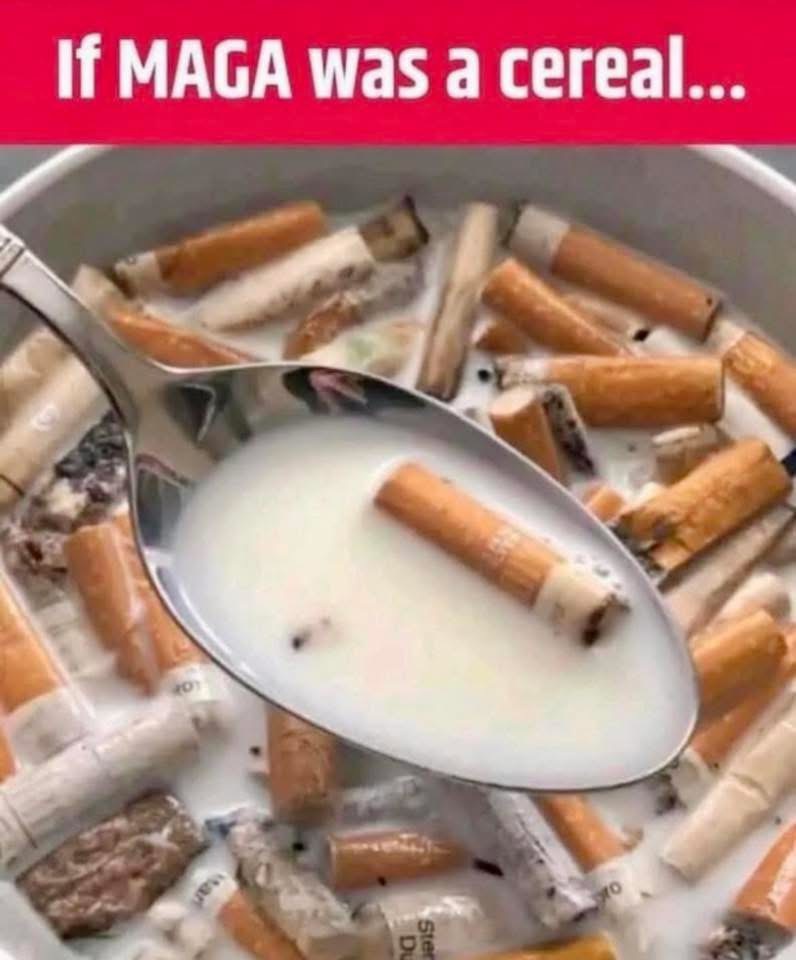
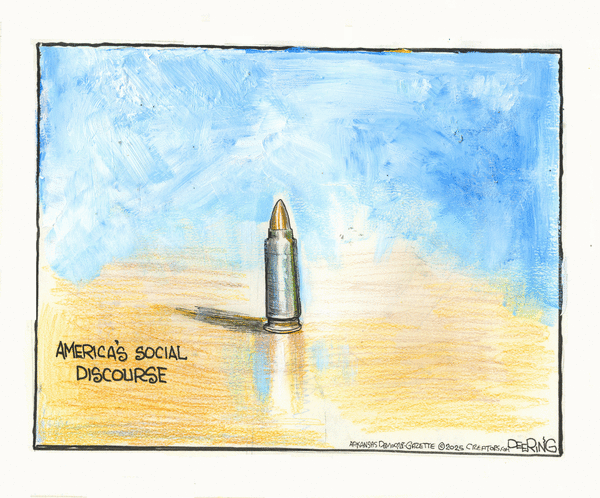
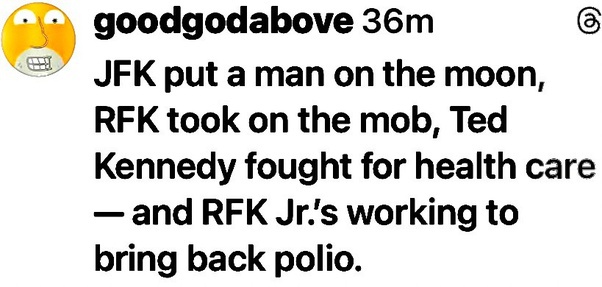
Political cartoons / memes / and news I want to share. 9-16-2025




















The Paper Mask
I will never see a Robin Williams movie, an interview, or a stand-up without a tear in my eye. He made me laugh, he made me cry, he made me feel anger and he made me feel hope, all behind a mask paper-thin. He reveled in the joy of others, while in his heart he felt so alone. How few knew his hidden hurts? I feel the absence of this great man and am saddened that his joie de vivre was only a mask he used to protect us all.


My morning trek to the daily grind found me hearing about Charlie Kirk. I thought about the demands he made upon his audience; that they think his way, act his way, love his way, pray his way. Somehow those who think differently are more than a target for his former speeches, we have become enemies of our own government.
Again, I don’t want to see anyone hurt. But, what about those he made to feel alone?
What about those he made to feel hated? What about those he told ‘You don’t matter’? What about those he accused of horrible motives, intentions to commit crimes, just because they were different?
Why is crass, abusive, hateful, prejudiced, and violent words and actions acceptable to anyone? Why is it cheered in certain circles?
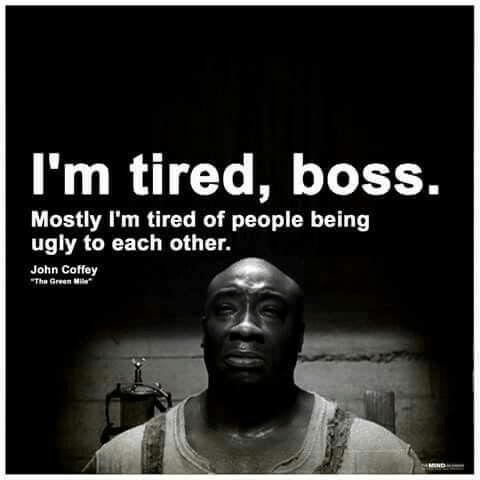

I have every right to be angry at those who sling abuse for political expediency. I have every right to be angry at those who whip the easily led mob into denying others their rights to be genuine, their hopes to feel love, their need for happiness. I’m so tired, so very tired of the justification, the hypocrisy, the gleeful ruination.
I so miss the promise of the 70’s. Change was supposed to come. I bought into the hype, only to see that the very fight continue. Maybe it’s not the era, maybe it’s just something in us that makes people keep doing this to each-other. I want to believe differently.

I dedicate this to my beautiful brother.
Randy
This Artist Is One Of My Favorite Authors
Everyone should read her books! Or her substack, or her blog. Or all of those!
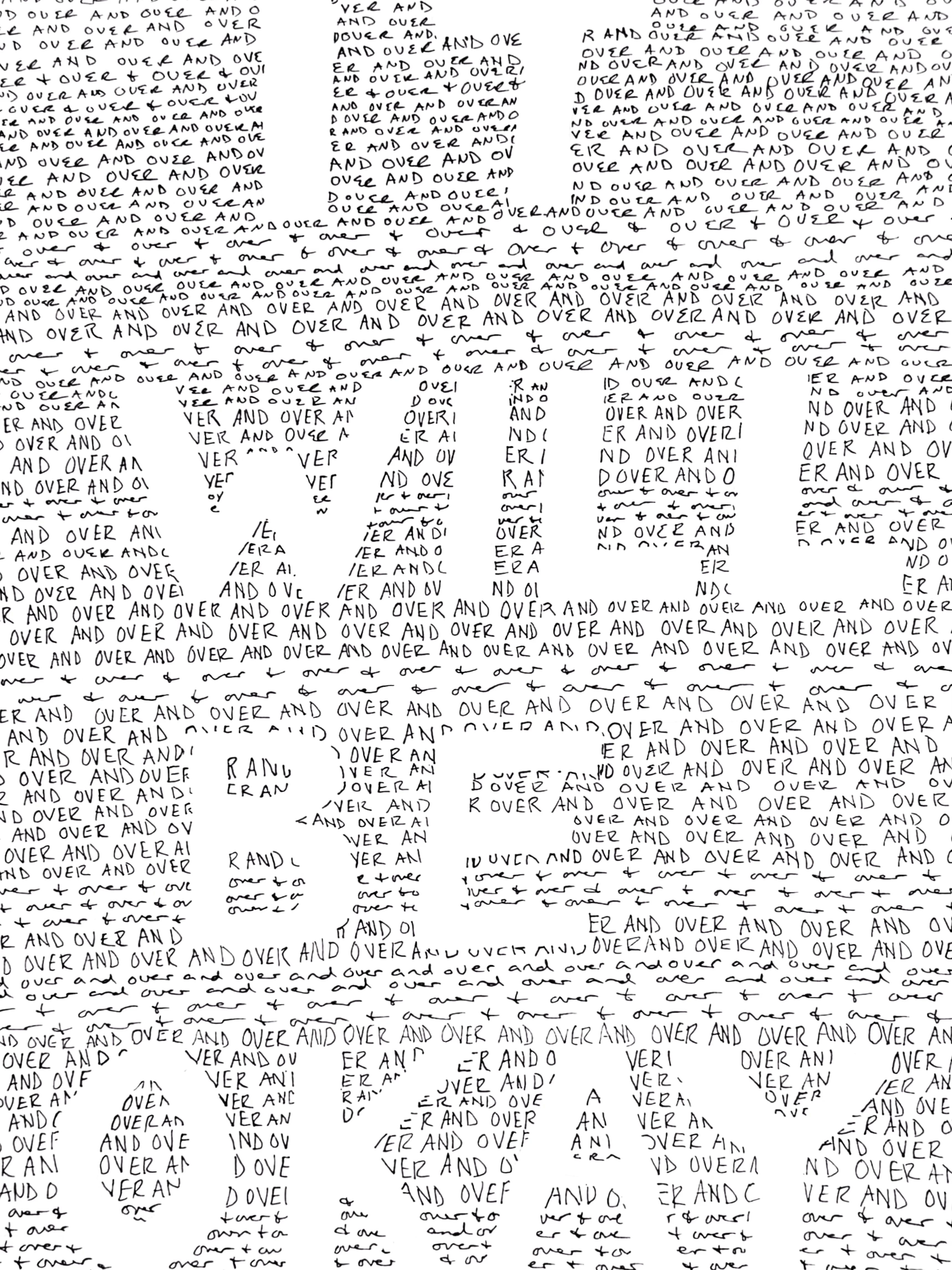
IT WILL BE OKAY by Jenny Lawson (thebloggess)
Read on Substack
This week’s doodle was one I started a long time ago and came back to off and on whenever my anxiety got crazy. This week I finished it.
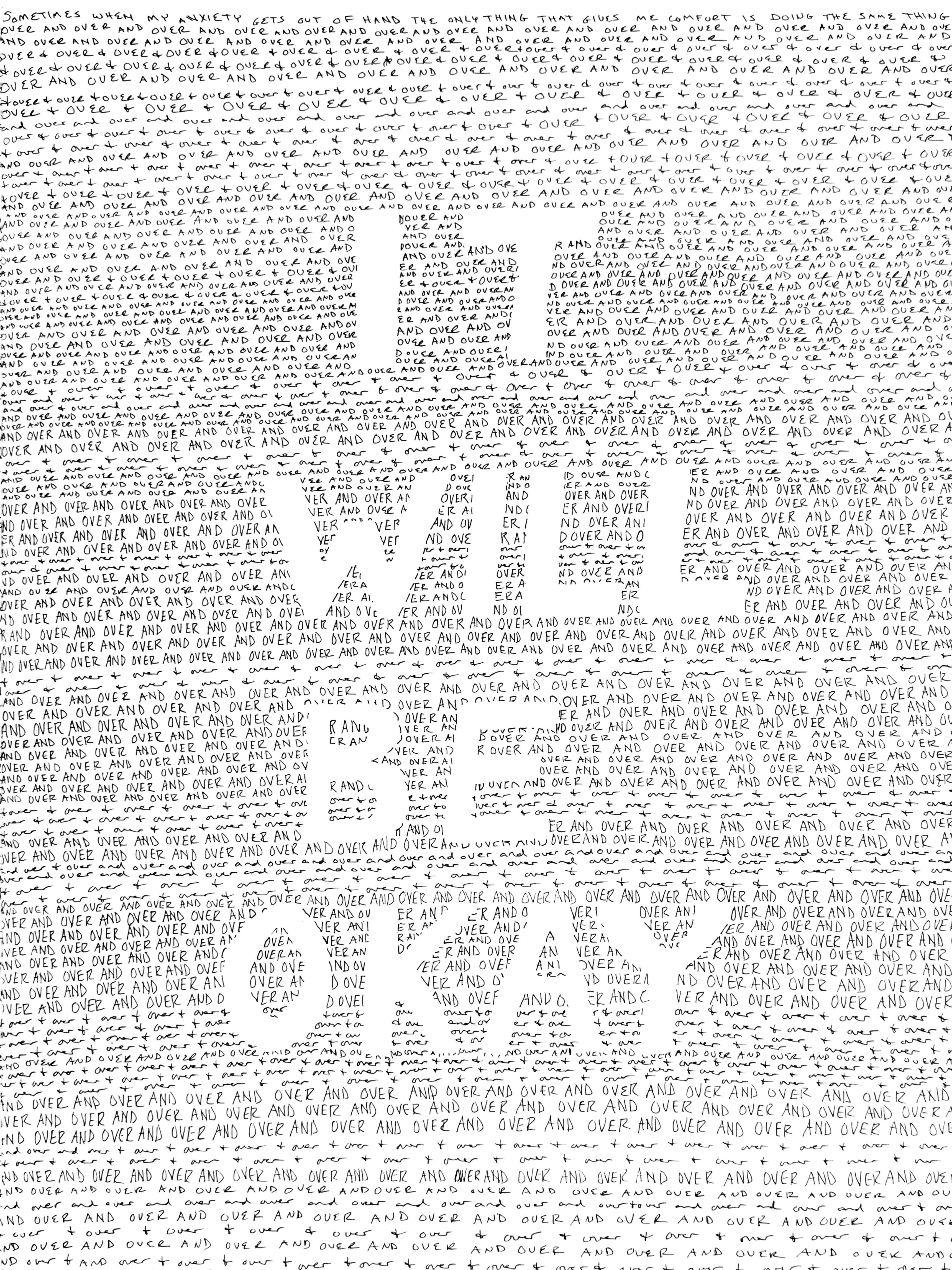
“Sometimes when my anxiety gets out of hand the only thing that gives me comfort is doing the same thing over and over and over and over and over and…”
Does it count as art if it’s just text? I’m not sure, but it brings me comfort and maybe it will bring you comfort too.
Whenever I worked on this I reminded myself that every time I’d been worried in the past, if I could go back it time I would assure myself that “It will be okay.” Maybe not easy. But always okay, eventually. And now I tell myself that again. I tell you too.
It will be okay.
Your friend ~ me
PS. In other art-related news, feel free to interpret this (probably not haunted) painting I wasted too much time pointlessly cleaning.
Terry Jacks – Seasons In The Sun. It’s hard to die keeps ringing in my head. I wish I could hear the birds.

 Scottie's Playtime