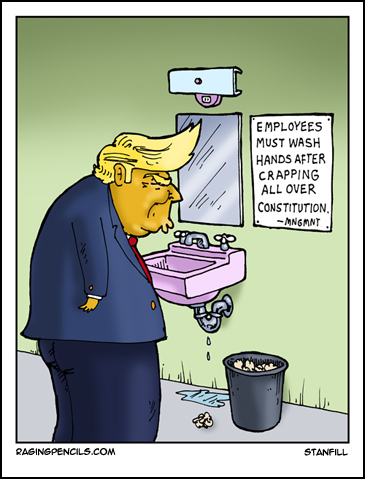
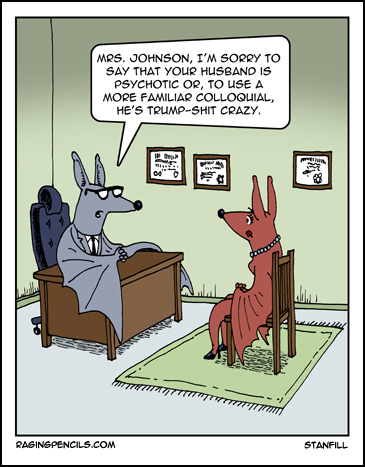
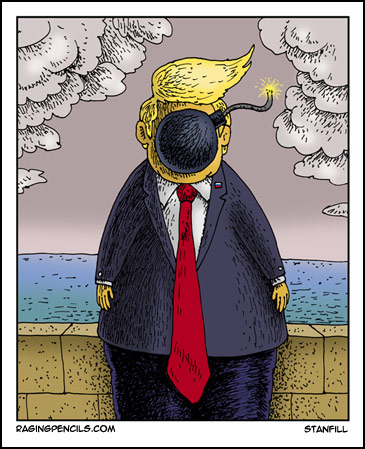
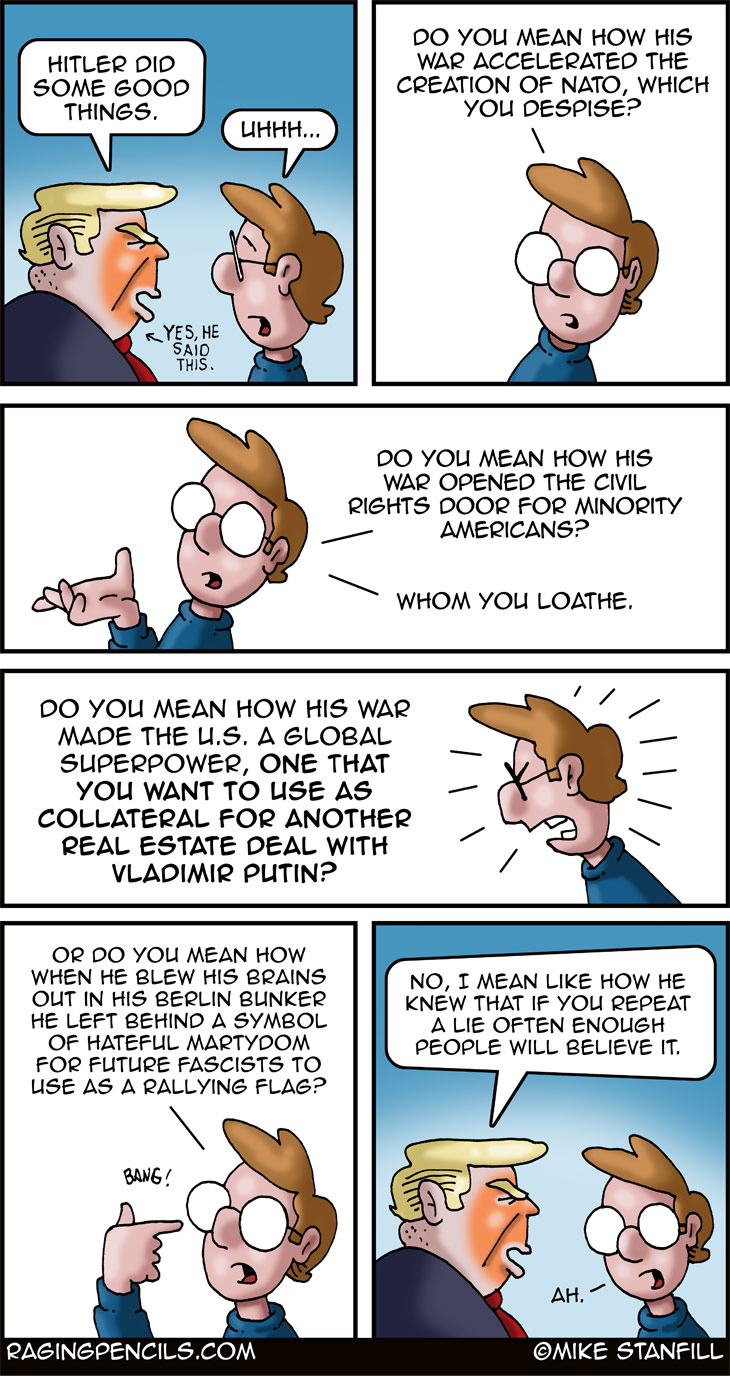
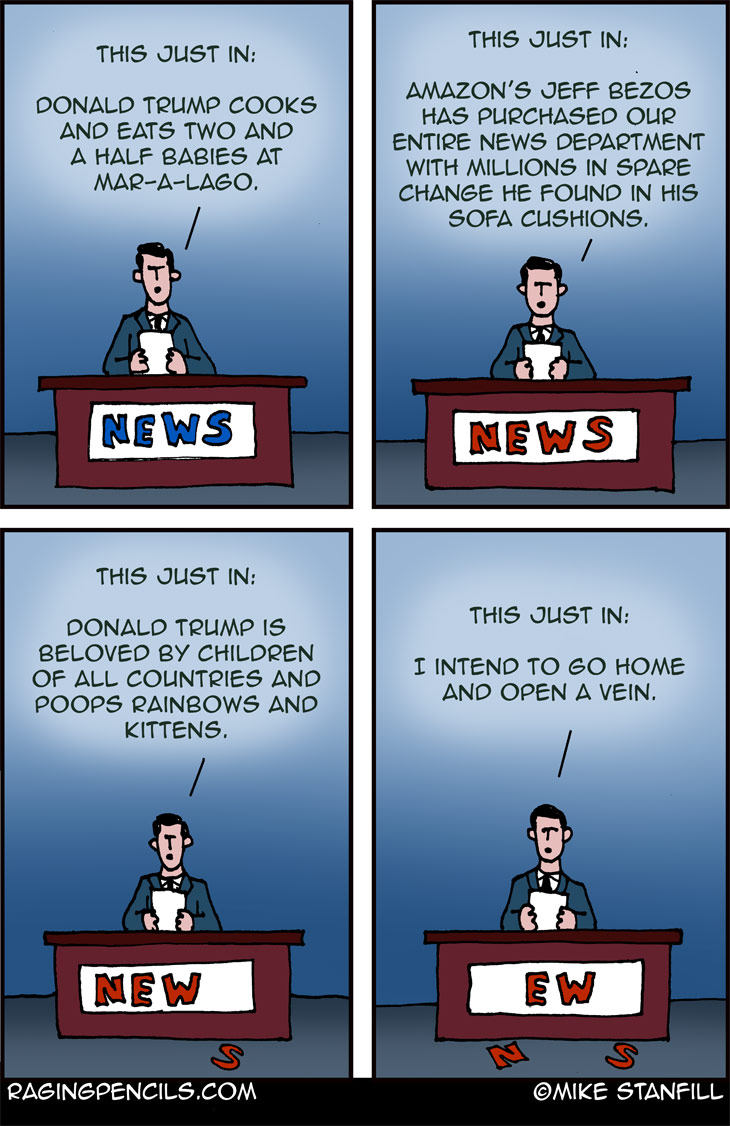
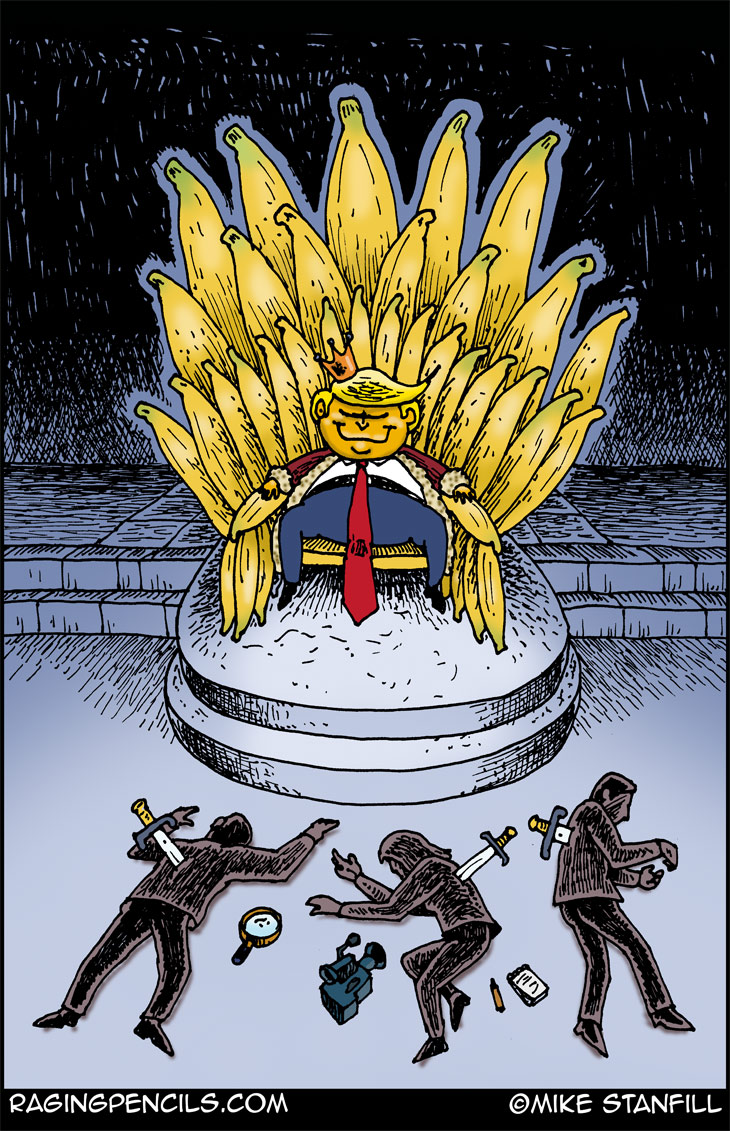
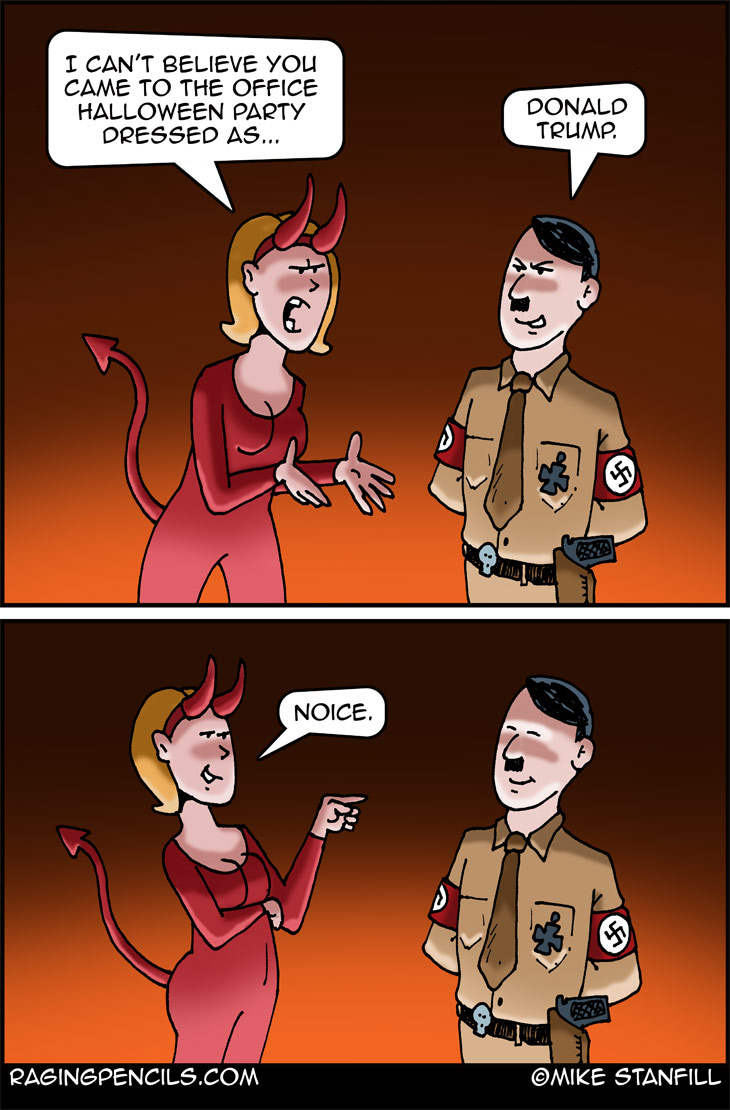
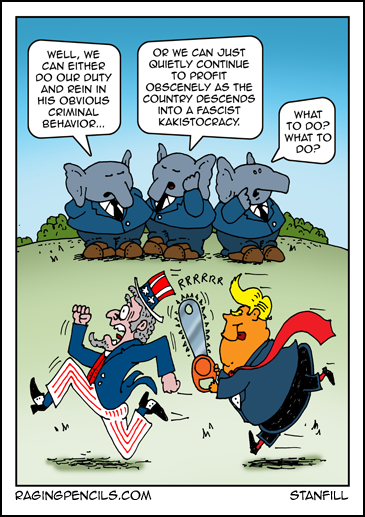
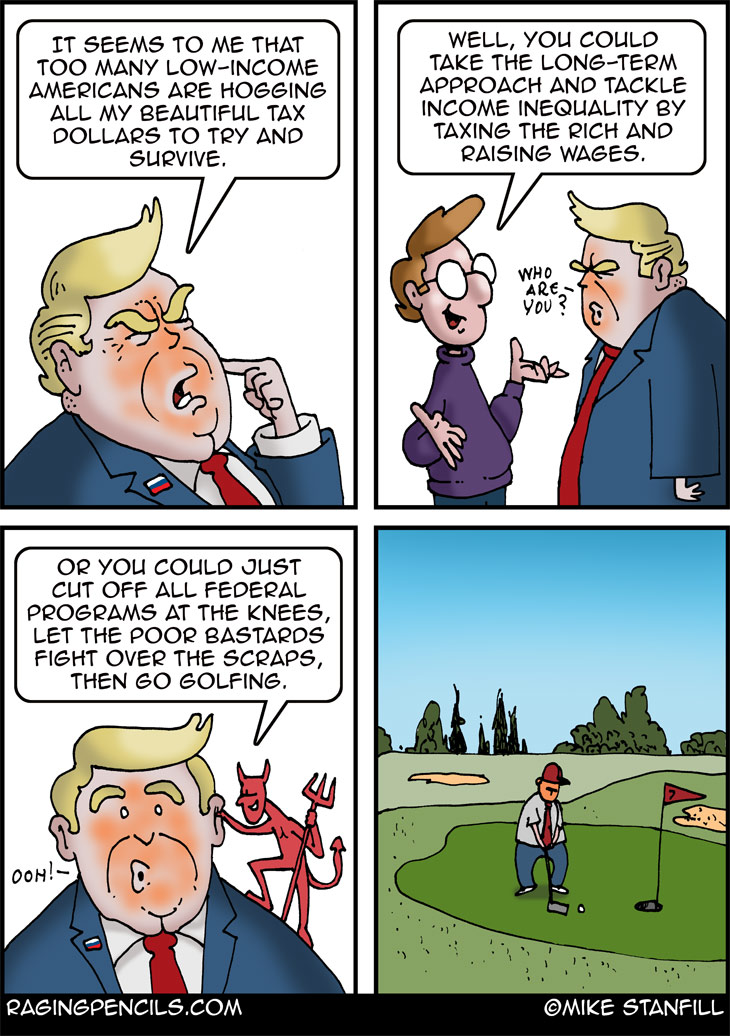
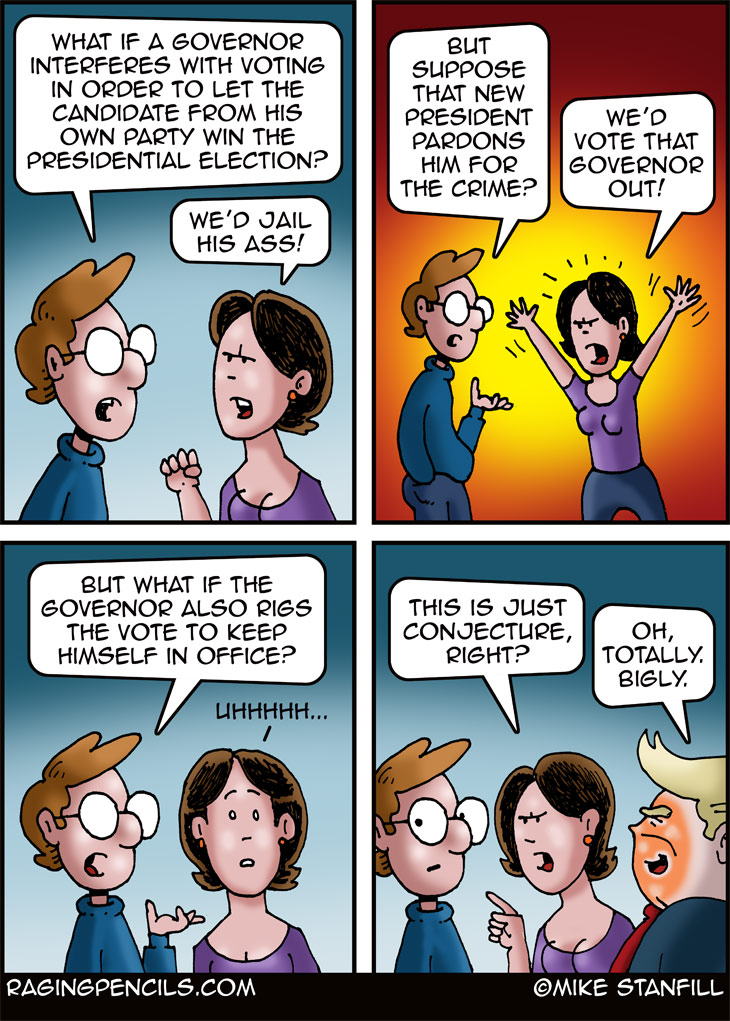
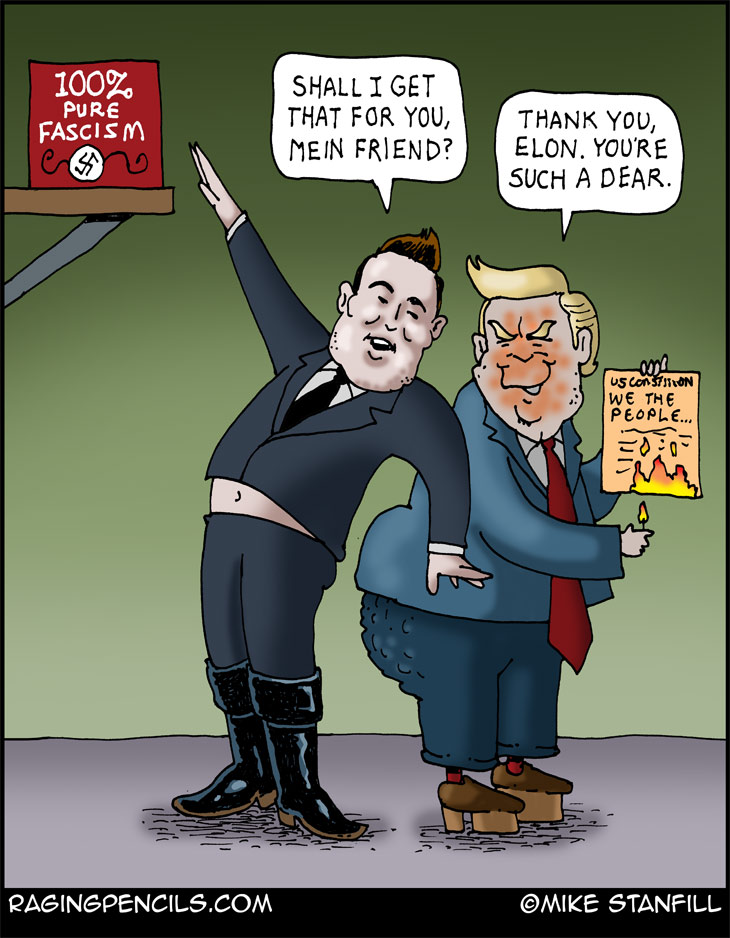
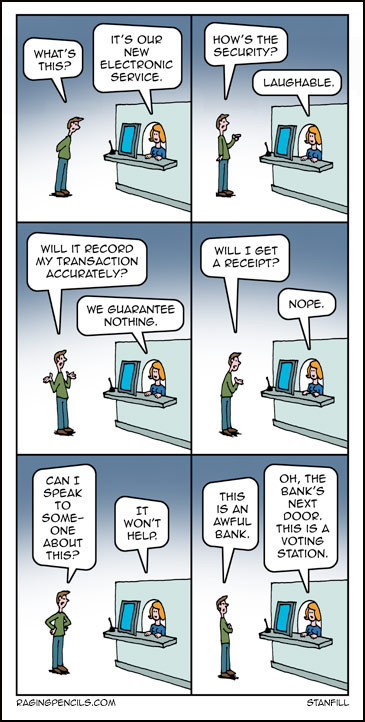
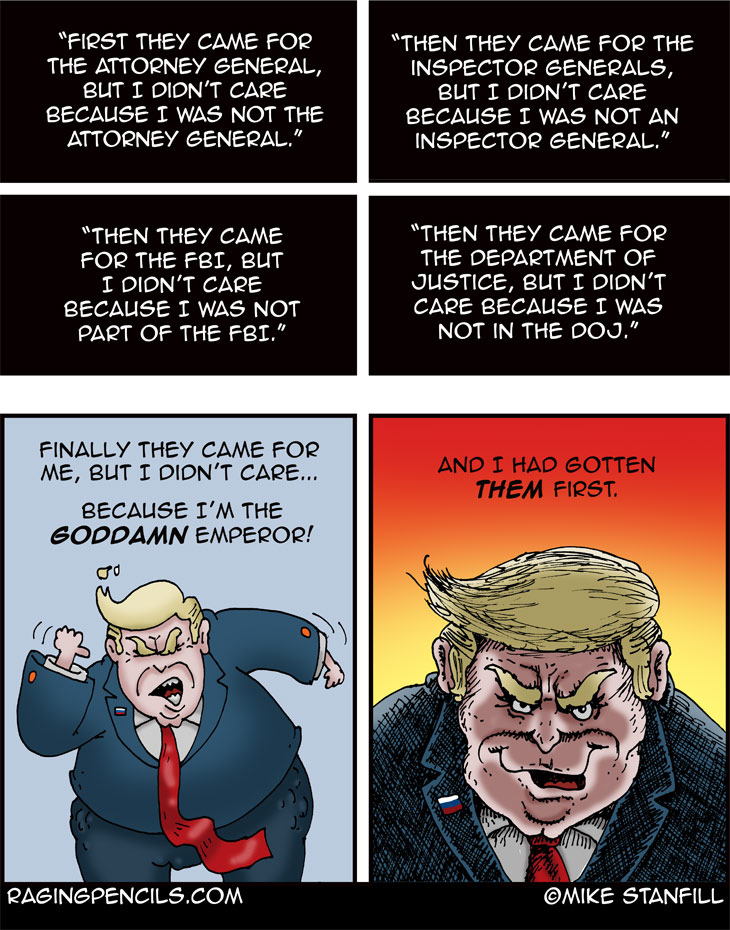
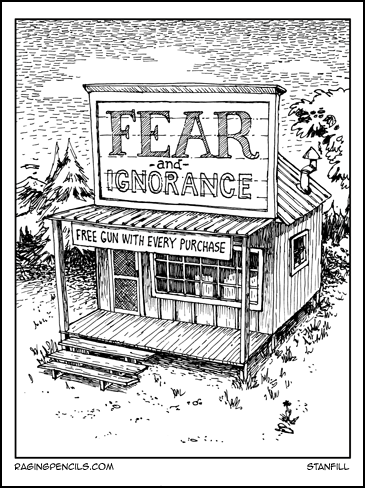
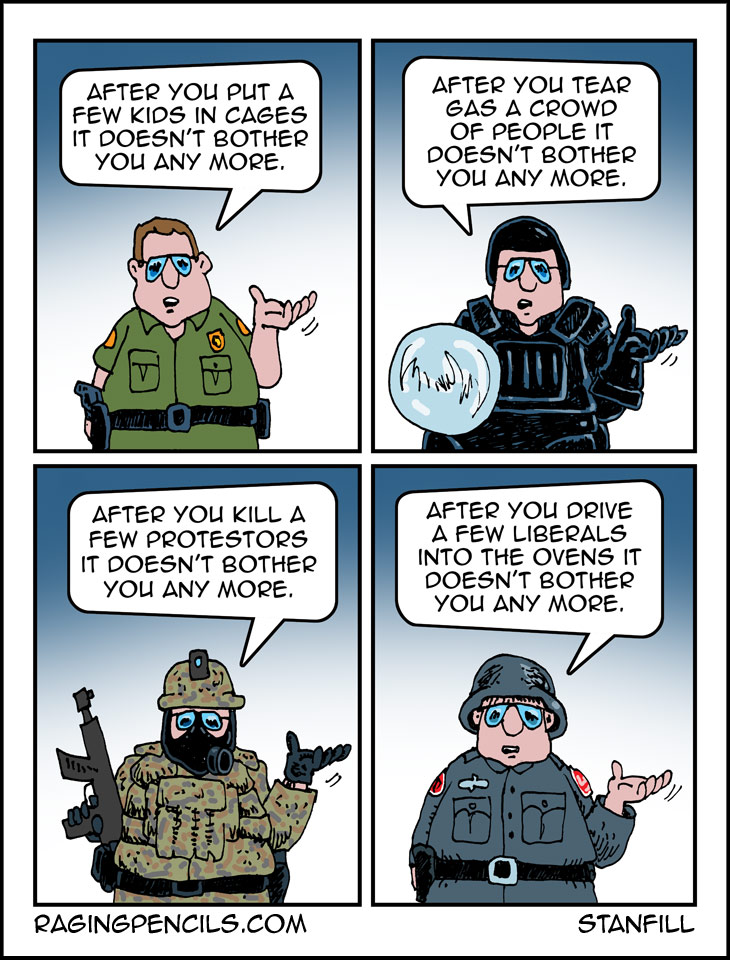
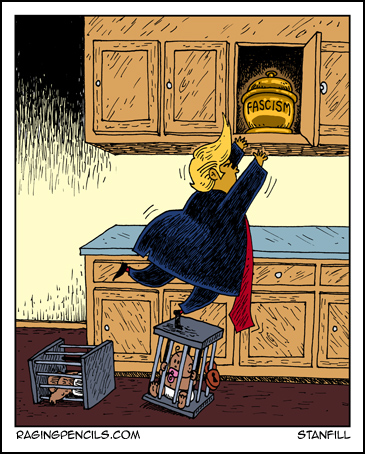
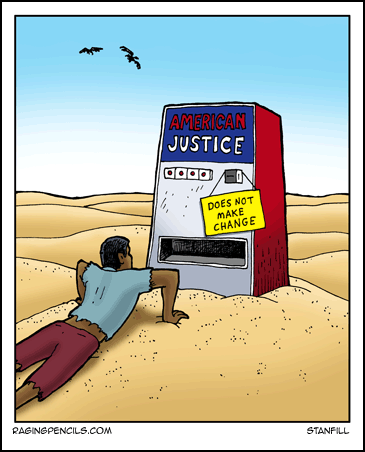
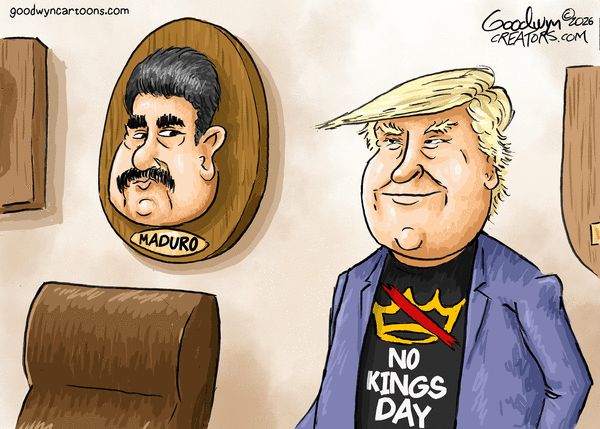
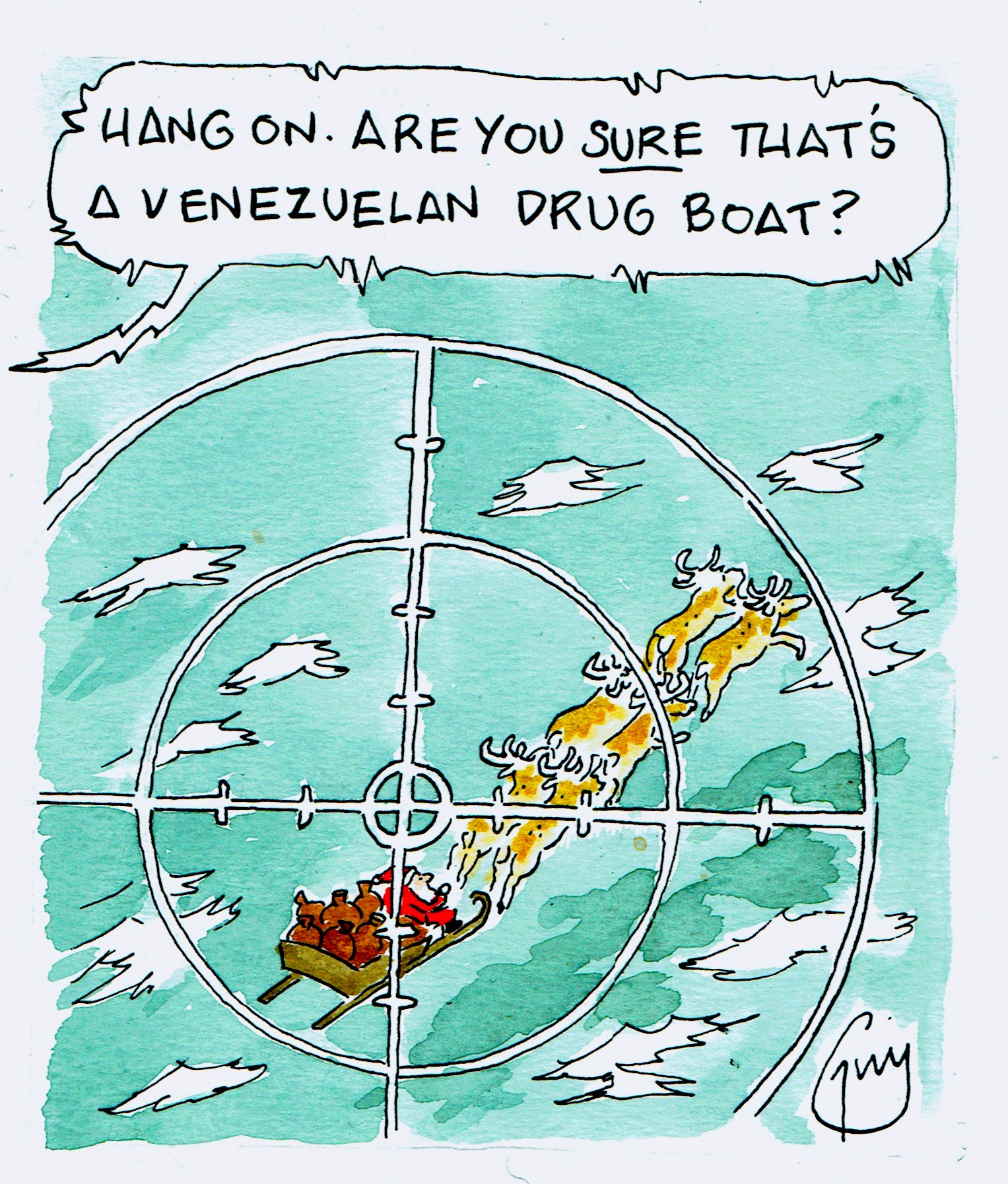
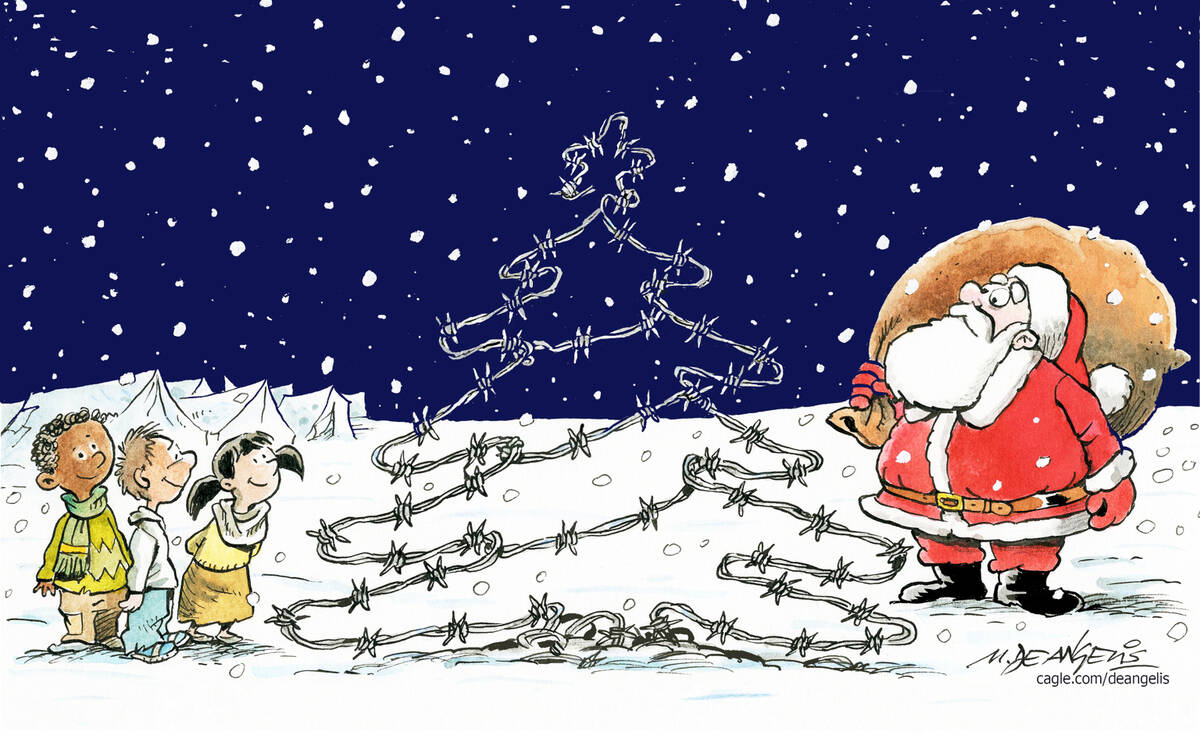
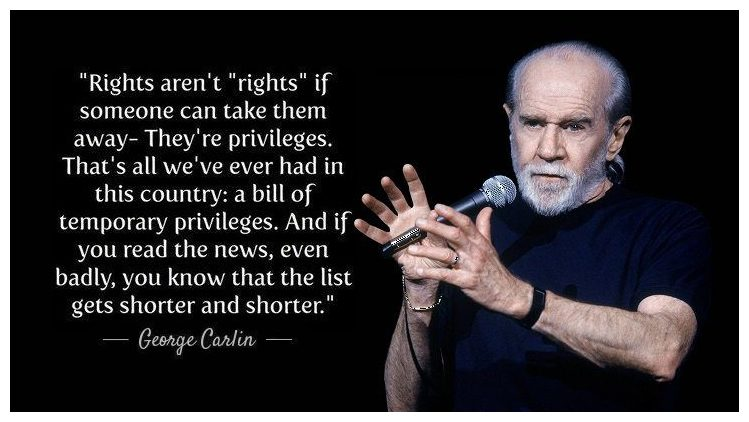
“In my day, we had to use the C.I.A. to secretly finance military coups if we wanted to steal a country’s resources.”
Maduro was not in the US he was in a country that our law enforcement people had no authority to enforce laws. This was the kidnapping of a foreign leader which is a war crime. Hugs
Criminal Israel has violated every aspect of the “ceasefire” and made a mockery of the promises of security guarantees tRump gave Hamas / the Palestinians. It should make Ukraine really nervous of the same things he has promised them. All tRump can see or cares about is his personal profit of building on Palestinian lands making profits over the dead bodies of the Palestinians. He is OK with Israel hurrying up the slaughter to get to that profit point. I hate this. You should also. Hugs
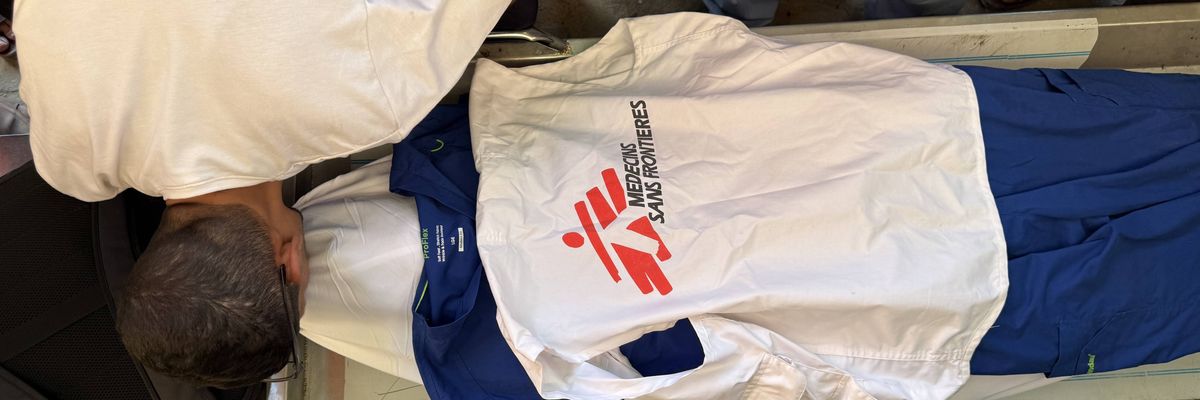
People attend the funeral of Dr. Hussein Najjar, a member of the Doctors Without Borders team who was killed by shrapnel from an Israeli airstrike, in Deir al Balah, Gaza on September 16, 2025
(Photo by Alaa Y. M. Abumohsen/Anadolu via Getty Images)
“The humanitarian response in Gaza is already highly restricted, and cannot afford further dismantlement,” the renowned organization warned.
The Israeli government said Tuesday that Doctors Without Borders, one of the largest medical organizations currently operating in Gaza, is among the 25 humanitarian groups that will be suspended at the start of the new year for their alleged failure to comply with Israel’s widely criticized new registration rules for international NGOs.
According to the Associated Press, Israel’s Ministry of Diaspora Affairs “said the organizations that will be banned on January 1 did not meet new requirements for sharing staff, funding, and operations information.” The Israeli government specifically accused Doctors Without Borders, known internationally as Médecins Sans Frontières (MSF), of “failing to clarify the roles of some staff that Israel accused of cooperation with Hamas and other militant groups,” AP reported.
In addition to providing medical assistance to desperate Palestinians, MSF has been an outspoken critic of what has it described as Israel’s “campaign of total destruction” in Gaza. The group said in a report released last December that its teams’ experiences on the ground in Gaza were “consistent with the descriptions provided by an increasing number of legal experts and organizations concluding that genocide is taking place.”
Ahead of Tuesday’s announcement, Doctors Without Borders warned that the looming withdrawal of registration from international NGOs “would prevent organizations, including MSF, from providing essential services to people in Gaza and the West Bank.”
“With Gaza’s health systemalready destroyed, the loss of independent and experienced humanitarian organizations’ access to respond would be a disaster for Palestinians,” the group said in a statement last week. “The humanitarian response in Gaza is already highly restricted, and cannot afford further dismantlement.”
“If Israeli authorities revoke MSF’s access to Gaza in 2026, a large portion of people in Gaza will lose access to critical medical care, water, and lifesaving support,” the group added. “MSF’s activities serve nearly half a million people in Gaza through our vital support to the destroyed health system. MSF continues to seek constructive engagement with Israeli authorities to continue its activities.”
Pascale Coissard, MSF’s emergency coordinator for Gaza, noted that “in the last year, MSF teams have treated hundreds of thousands of patients and delivered hundreds of millions of liters of water.”
“MSF teams are trying to expand activities and support Gaza’s shattered health system,” said Coissard. “In 2025 alone, we carried out almost 800,000 outpatient consultations and handled more than 100,000 trauma cases.”
Israel’s announcement came shortly after Prime Minister Benjamin Netanyahu met with US President Donald Trump in Florida, where both dodged questions about their supposed “peace plan” for Gaza after more than two years of relentless bombing. The Israeli military has been accused of violating an existing ceasefire agreement hundreds of times since it took effect in October.
Al Jazeera reported Tuesday that “Israeli forces have carried out strikes across the Gaza Strip as they continue with their near-daily violations of the ceasefire agreement, with Israel’s genocidal war on the besieged enclave continuing apace and displaced Palestinians enduring the destruction of their few remaining possessions in flooding brought about by heavy winter rains.”
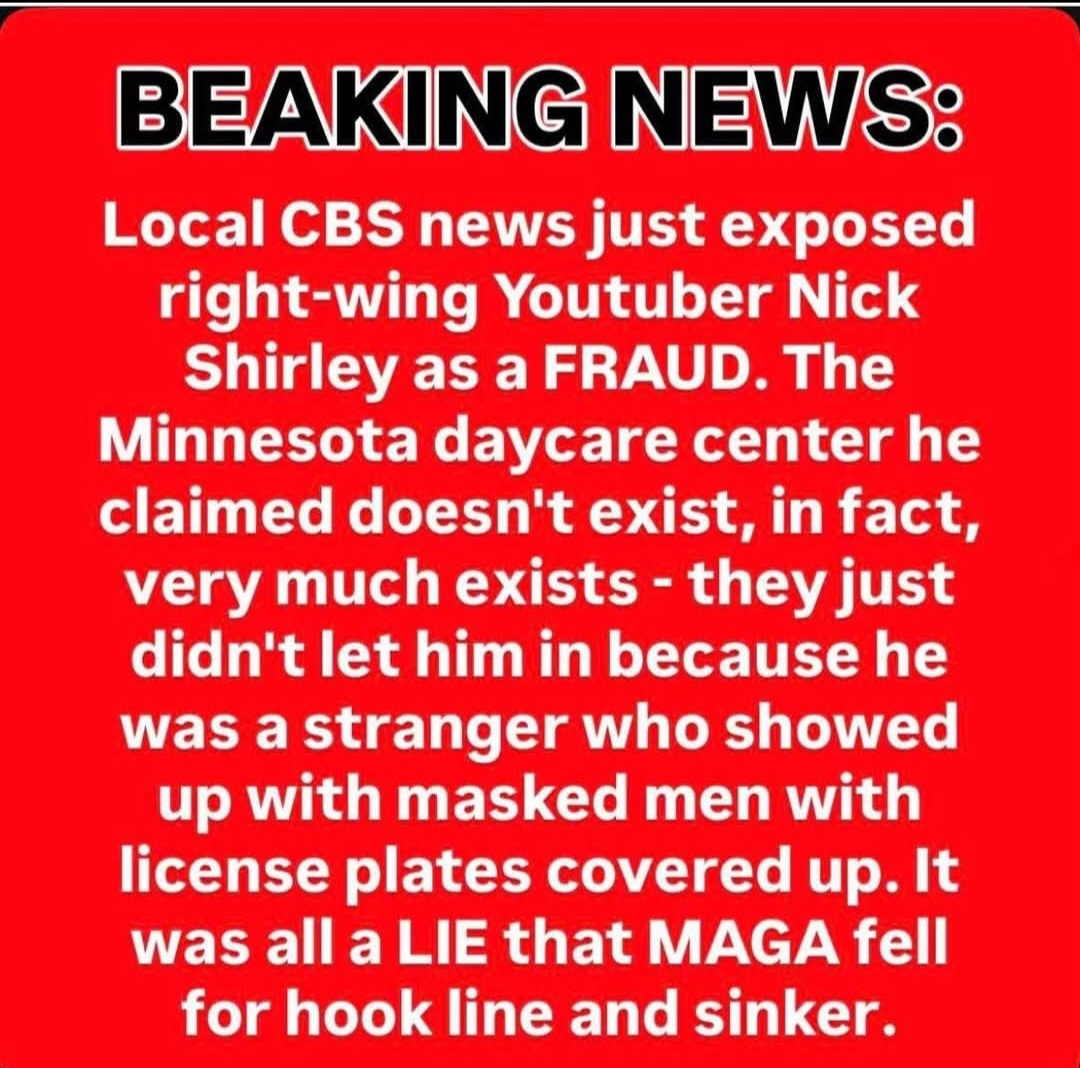
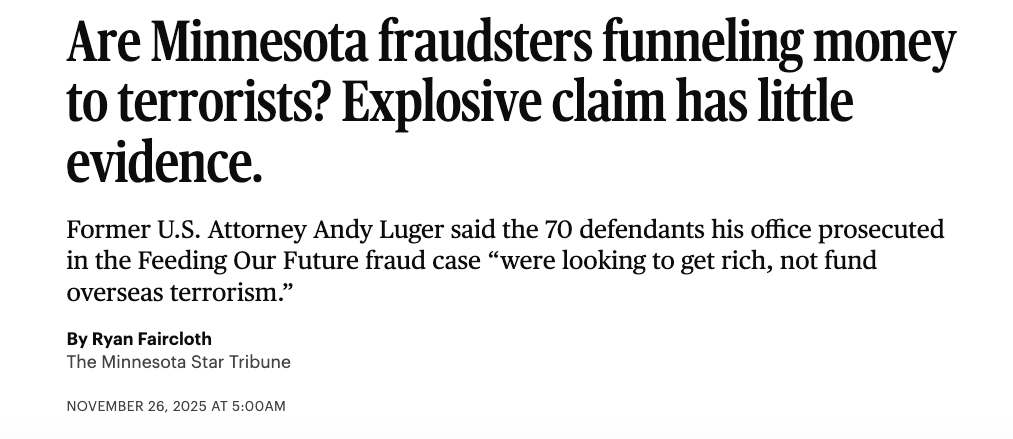
Right wing provocateur Nick Shirley has published a video claiming he has proof of fraud in Somali daycare centers. I watched the video so you don’t have to. The entire video is, in a word, propaganda. Despite this complete lack of substantiation, Vice President JD Vance praised Shirley and suggested he deserves a Pulitzer Prize. MAGA media has since moved immediately to demonize the Somali community in Minnesota as a whole—facts be damned.
That framing is not just reckless—it is intentionally racist. And it obscures the real issue entirely. Here are the critical facts they leave out, and hope Americans don’t see.Let’s Address This.
Watch my breakdown on YouTube, or read the full article below.
Let’s Address This with Qasim Rashid is a reader-supported publication. To receive new posts and support my work, consider becoming a free or paid subscriber.
A Propagandized Claim With Zero Evidence
Shirley begins his interview with a man named “David,” who apparently investigated this alleged fraud for years. Shirley provides no explanation of who David is, what qualifications he has, or what actual evidence of fraud he’s uncovered. Instead, while waving around documents that he never bothers to validate, David makes the following bombastic and factless claims:
“Compared to worldwide, the fraud is worse here in the Twin Cities than anywhere else ever, in history, anywhere.”
“The allegedly stolen funds are being sent to terrorist organizations.”
“We have to be careful because these [Somali] people are very violent, they’re exceptionally violent.”
“Tim Walz is guilty of misconduct with a public employee.”
Note—the above are actual quotes from David. At no point in the video does David or Shirley provide any actual evidence for the above claims. We are simply meant to believe them—even to the absurdity that in the entirety of human history, the alleged fraud in Minnesota outranks all of them. As far as the claim that “Walz committed misconduct with a public employee,” there’s zero evidence of this malicious claim. It’s especially rich coming from two men who are silent on Trump’s dozens of cases of sexual assault of women, and God only knows the full extent of his involvement in Epstein’s child sex trafficking atrocity.
Shirley and David espouse obviously and demonstrably false claims. The majority of Shirley’s video then entails he and David driving from center to center, harassing employees, and attempting to enter childcare centers without permission. The employees are clearly frightened that two angry men with cameras are repeatedly yelling “where are the children!”, while trying to gain unauthorized access to spaces meant to protect children. Unsurprisingly, the employees refuse to answer questions from men they rightly see as strangers. Shirley and David therefore conclude that the employees’ refusal to answer their questions means there must be fraud.
That is the extent of their “evidence” of fraud.
Shirley Ignores What Actual Journalists Have Already Reported
Now, let’s make four points absolutely clear—points Shirley deliberately ignores, and hopes his viewers don’t realize.
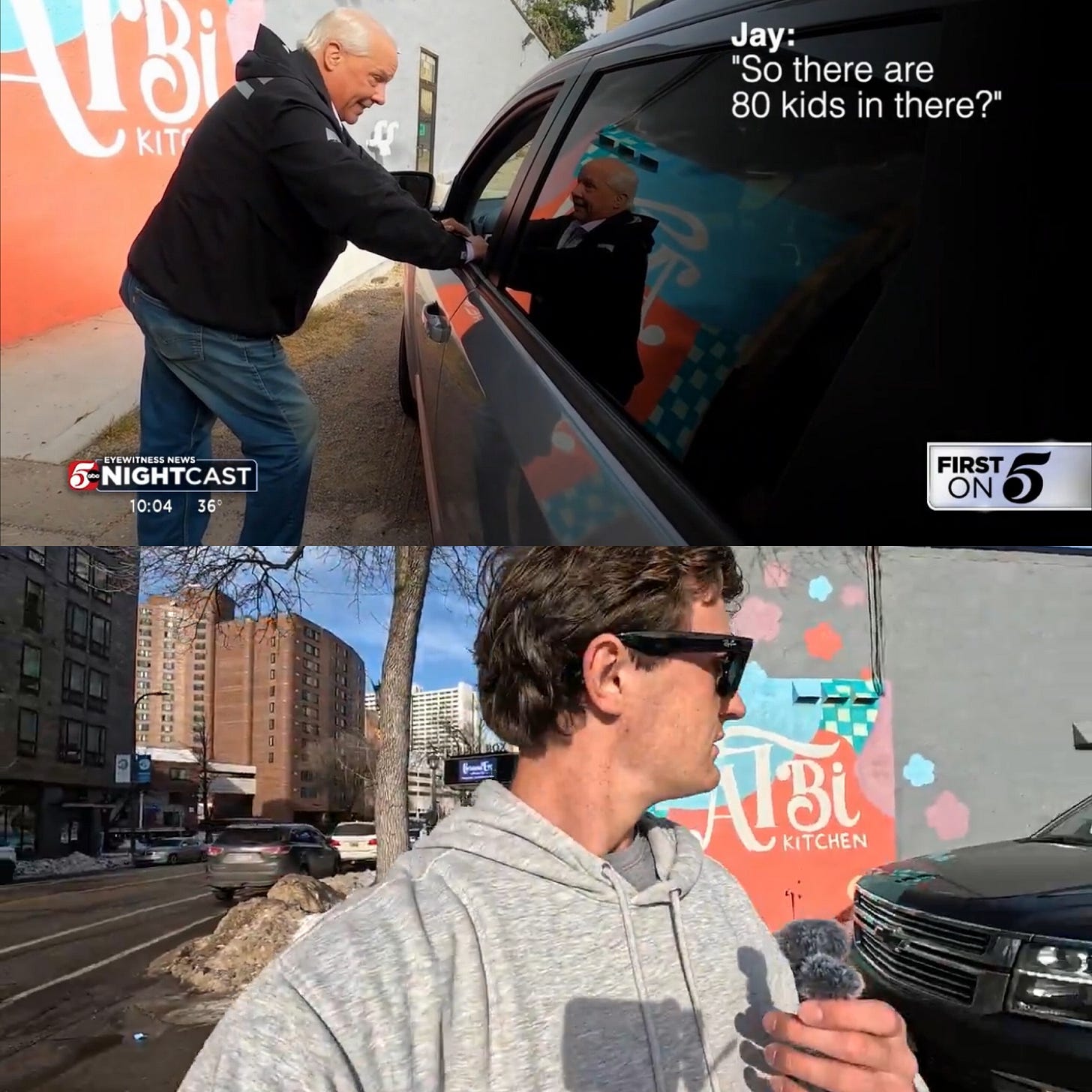
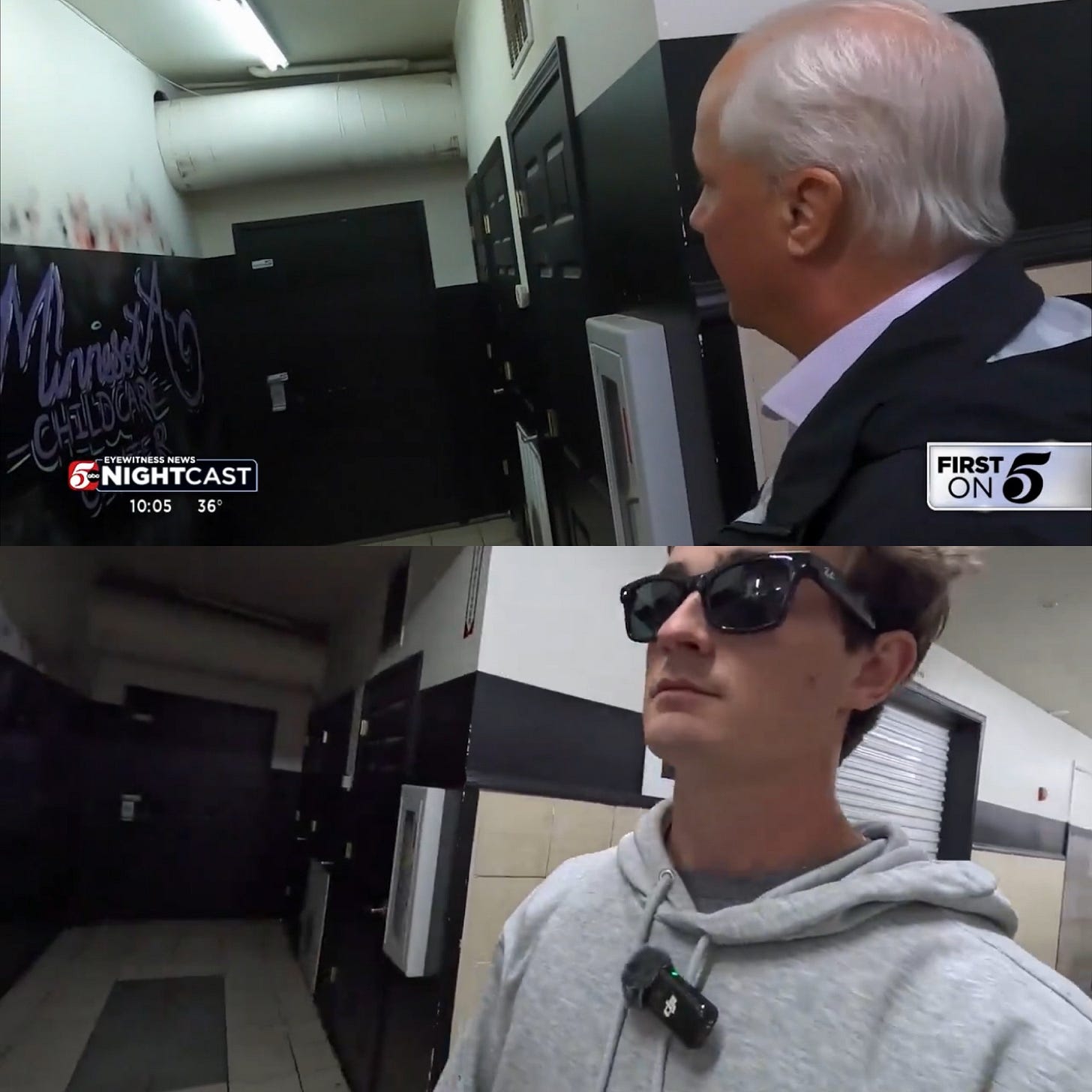
First, what Shirley allegedly “uncovered” is not some new scandal. Since 2022 several of these same day care centers have been fined and shutdown for violating the law. Local media in Minnesota has already reported on that alleged fraud and reported on the subsequent FBI investigations. Even in his video, Shirley admits that the FBI is already investigating these facilities and is already aware that there may be potential fraud. You can literally see him at the exact same locations that have already been investigated and reported upon.
Top Screen grab: News report from local Minnesota reporters 1 year ago. Bottom screen grab: Shirley pretending he’s breaking new news right now.
Top Screen grab: News report from local Minnesota reporters 1 year ago. Bottom Screen grab: Shirley pretending he’s breaking new news right now.
Fourth and finally, for as much as Shirley insists fraud problems in Minnesota begin and end with Somalis, nowhere in his 42 minute propaganda piece does he admit, let alone acknowledge, that the accused ring leader who was convicted of leading the largest prosecuted fraud in Minnesota is a white woman named Aimee Bock.
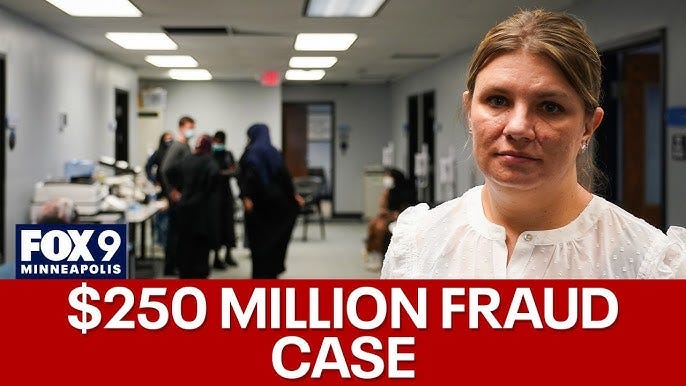
Aimee Bock was found guilty in a jury trial of defrauding Minnesota $250M in an overlapping “Feeding Our Future” fraud case.
In short, Shirley hasn’t broken any new news, this alleged scheme has nothing to do with terrorism, the day care center employees themselves sounded the alarm, and Shirley ignores Aimee Bock altogether. What exactly is Shirley exposing? Will his next story reveal Watergate? It seems quite clear that Shirley saw news reports from years ago, saw Donald Trump demonize Somalis, and attempted to recreate work done by actual journalists while trying to pass it off as his own to gain clout, clicks, and views.
Here Are The Facts
Now, let’s discuss what is true.
Shirley alleges that Somalis have somehow “taken over” Minnesota. This is fear-mongering and racist propaganda. Minnesota is home to approximately 60,000 Somalis, representing a whopping 1% of Minnesota’s population of 6 million people.
Moreover, it is absolutely not the case that Somalis somehow uniquely committed fraud. It is the case that, among the people accused of fraud in Minnesota, some happen to be Somali. That is a critical distinction. Fraud, where it occurs, should be investigated and prosecuted fully and fairly—for everyone involved, regardless of race, religion, or immigration status. No person gets a pass, and no group deserves collective blame. But Shirley or MAGA figures are not interested in accountability. They are interested in scapegoating.
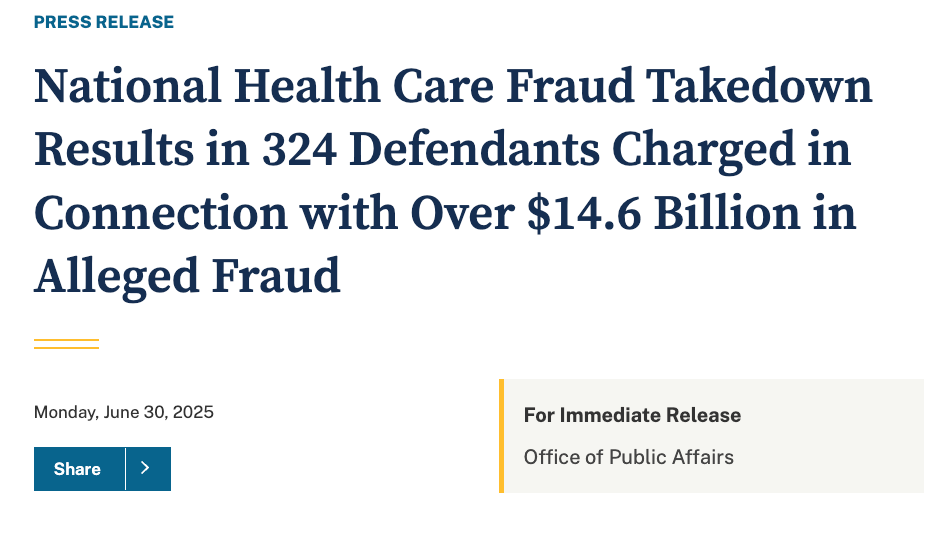
Shirley’s video ends with him demanding answers from a Democratic member of the Minnesota legislature—who correctly reminds him that such fraud is in all 50 states, under Democrats and Republicans, and that this is not a partisan or racial issue. Shirley never actually rebukes her. He cannot, for the very simple reason that she is absolutely correct. On June 30, 2025, The Department of Justice reported:
The Justice Department today announced the results of its 2025 National Health Care Fraud Takedown, which resulted in criminal charges against 324 defendants, including 96 doctors, nurse practitioners, pharmacists, and other licensed medical professionals, in 50 federal districts and 12 State Attorneys General’s Offices across the United States, for their alleged participation in various health care fraud schemes involving over $14.6 billion in intended loss. The Takedown involved federal and state law enforcement agencies across the country and represents an unprecedented effort to combat health care fraud schemes that exploit patients and taxpayers. (emphasis added)
If fraud were actually the MAGA concern, their outrage would not be selectively triggered only when the accused are Black, brown, Muslim, or immigrant. Yet we have overwhelming evidence that the same political movement now pretending to care about alleged fraud in Minnesota, instead openly celebrate and reward white fraudsters—at vastly larger scales—nationwide.
When MAGA Approves Fraud
And yet here’s another critical and substantive point that Shirley entirely ignores. Donald Trump has personally granted clemency or pardons to at least two dozen individuals convicted of fraud totaling well over one billion dollars. None of them are Somali. Nearly all of them are white. And this fraud has also been well reported, meaning Shirley and his supporters are either willfully ignorant, or deceptively censoring it. Among them include:
Trevor Milton, founder of an electric truck company, was convicted of securities fraud and wire fraud and ordered to pay $676 million in restitution.
Ross William Ulbricht, founder of Silk Road, was convicted of running a massive criminal enterprise facilitating drug trafficking and money laundering and ordered to pay nearly $184 million.
HDR Global Trading Limited, operator of a cryptocurrency exchange, was fined $100 million for violating anti-money laundering laws.
Lawrence Duran, owner of a Miami-area mental health company, was convicted of healthcare fraud and sentenced to 50 years in prison with $87.5 million in restitution.
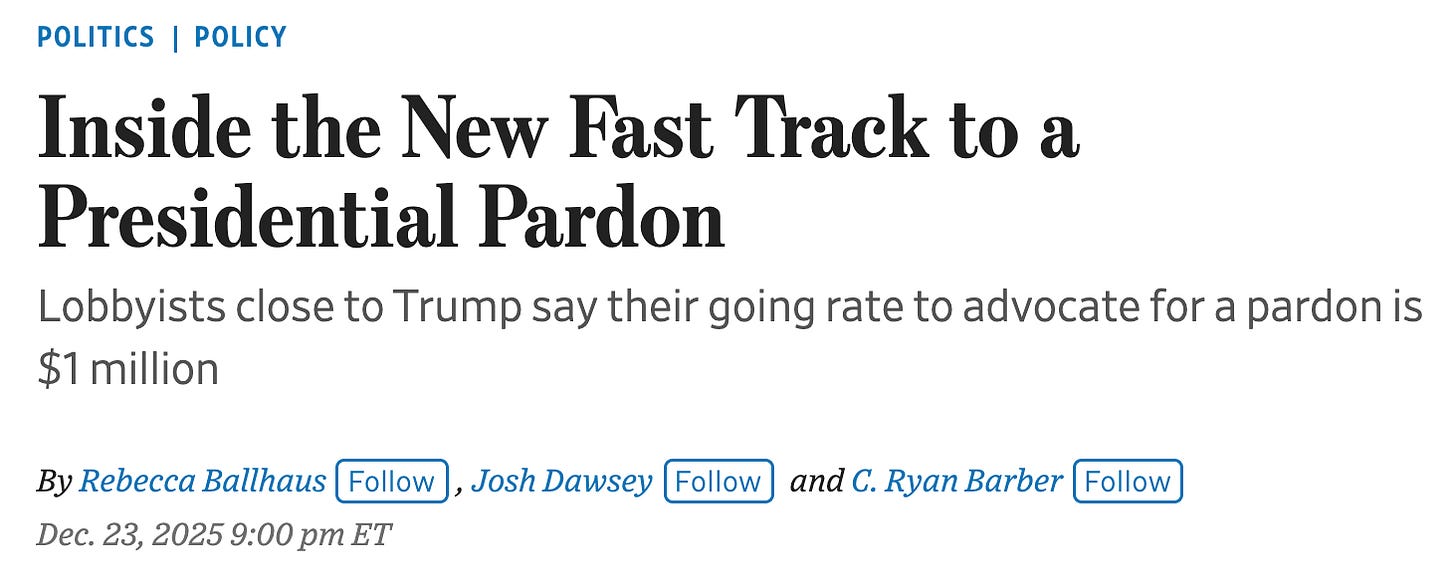
Trump pardoned them anyway. In total, Trump has pardoned at least 24 mostly white Americans (so far) for committing Medicare fraud, Medicaid fraud, and/or securities fraud. And not in his first term either—this is right now as we speak while the alleged fraud in Minnesota is taking place. And I say “so far” because Trump’s pay to pardon bribery scheme has become so open and brazen, that the Wall Street Journal reports that Trump’s handlers are now reportedly charging convicted fraudsters upwards of $1M to lobby their pardon before Trump.
Somalis face demonization on the mere accusation of a crime—yet we hear complete silence from Shirley and MAGA pundits on Trump’s open bribery to pardon convicted felons who are white. Thus the open hypocrisy—when white Americans commit fraud, they are treated as individuals. When Black, brown, Muslim, or immigrant communities are accused—even speculatively—the entire community is put on trial. One person becomes “proof” that everyone is guilty. That is de facto racism.
So let’s be explicitly clear: if you are outraged at alleged fraud involving Somali daycare operators, but celebrate Trump for pardoning white men convicted of fraud at ten or twenty times the scale, then fraud is not what you care about. What you care about is protecting white supremacy.
The Core Issue Remains Ignored
Just as importantly, we cannot forget this critical point: Racializing fraud allegations to demonize all Somali Americans of Minnesota, while ignoring the much greater fraud nationwide by predominantly white Americans, is another culture war waged by the MAGA right. And they’re waging it right now for two reasons.
One, to distract Americans that MAGA Republicans have failed to extend ACA subsidies, which means come New Year’s Day your ACA premiums will skyrocket. MAGAs will point to Minnesota to convince Americans that the “real” reason premiums are spiking is not the exploitative for profit healthcare system or the deliberate failure of MAGA Republicans to extend ACA subsidies—but the lie that it is due to Somali Americans. MAGAs will try to convince Americans nationwide that this is a “Somali problem.” Do not let them.
Two, to prevent Americans from realizing these devastating facts—that 16 years after the ACA was passed, Republicans still don’t have a healthcare plan. That Trump has pardoned far more fraud than is alleged to have happened in Minnesota. That Medicare and Medicaid fraud is a nationwide cancer caused by our exploitative for profit healthcare system, that could be addressed with a universal healthcare model, but that would cost politicians immense financial loss in campaign donations and in their stock portfolios, so they will not let it happen.
In short, MAGAs are demonizing Somali people to ensure healthcare remains a for profit exploitation scheme.
The truth is this: fraud in healthcare is not an aberration. It is a feature of a system designed to extract wealth rather than deliver care.
I have already written at length about America’s HELL Corporations, and the fraud ridden for profit exploitation business model that causes at least 68,000 preventable deaths annually. For example, UnitedHealth is being sued for denying 90% of valid Medicaid claims to senior citizens—undoubtedly enabling preventable death. Yet, we don’t see MAGA Republicans or their pseudo-journalists like Shirley accosting them to explain their billions in fraud.
Closing Points
The difference between MAGAs outraged over alleged fraud in Minnesota by some Somali Americans, and the rest of us, is this. We loudly condemn that fraud whether its committed by a Somali American, European American, Latino American, or Asian American. MAGAs only care if the alleged fraud is committed by non-white people, and celebrate the pardoning of convicted fraudsters who are white. This is not my opinion, as the above receipts show this to be true.
But we have a solution to this fraud enabled by an exploitative, for-profit insurance system. If we joined every other developed nation and guaranteed healthcare, politicians could no longer use our lives as bargaining chips. And fraud—real fraud—would be far harder to commit in a system built around care rather than profit extraction.
So when MAGA figures obsessively target Somalis in Minnesota, understand what is really happening. They are not exposing corruption. They are deflecting from it. They are protecting an exploitative system by redirecting rage toward a vulnerable community. Because two things can be and are true at once: individuals who committed fraud should be held accountable regardless of their racial background, and the overwhelming majority of fraud—and harm—comes from a corporate healthcare system that thrives on exploitation, protected by politicians who pardon billion-dollar criminals while demonizing immigrants.
Until we confront that reality honestly, we will keep repeating the same cycle: scapegoats on the margins, impunity at the top, and a system that continues to kill tens of thousands of Americans every year—quietly, profitably, and with corporate media silence.
Let’s Address This with Qasim Rashid is a reader-supported publication. To receive new posts and support my work, consider becoming a free or paid subscriber.
green bean casserole cupcakes today! (Some readers may not know or recall that I mentioned that green bean casserole cupcakes would be a fine thing, so I planned to make some. I didn’t get to it until today, but I did it! Just going to show pics and give an outline of their creation here, but I can expand upon the recipe if anyone cares for it. 🙂
So, last month, I was on Burr Deming’s blog, where he’d made a less-than-positive remark about green bean casserole. Being me, I couldn’t resist stating how much I enjoy it, and that I was thinking of doing it as cupcakes this year.
Well, what sounded like the right thing to do as to that was to use toasted cornbread crumbs seasoned with sage and whatever else you want; I used herbs to mimic poultry seasoning, with extra sage because I especially enjoy it. I mixed in some crushed french-fried onions (your choice of brand) and a T. of melted butter, thinking I’d make the crust similarly to cracker-crumb crusts. I lined (tried to line!) cupcake cups with the crust, trying to get it all the way up the sides, but it only went a part of the way; these crumbs are a bit heavy.
I baked the crusts for 10 min. at 350. Meanwhile, I made the mushroom sauce (I like to make my own so I can control fat and salt for myself) and since it would be ridiculous to try to layer these, I added the green beans right to the sauce.
After 15 min. (they didn’t look quite ready at 10,) I pulled the crusts and let them rest until cooled. Then I loaded the casserole, then put on the onions. Back into the 350 degree oven for 20 minutes. Then I turned the oven off, gave them 10 more because they looked as if they could use the time.
So, I think I could have baked the crusts 5-8 minutes more before filling. These aren’t truly cupcakes; the sides didn’t hold, though about a 1/4 inch in they were edible the way one eats a cupcake. Flavor-wise, if you enjoy holiday food flavors, holy cow they are awesome. Not tooting my horn, rather tooting the food’s horn. I may layer in seasoned cornbread crumbs in my casserole next year!
(Before trying to peel the paper off. And, yes, it’s on the kid’s old Poke’mon plate; it’s the perfect size for me.)
(Cupcake cup off; ready to eat. I ate the outside bits with a fork, then picked up the interior, and ate it like a cupcake. Mmm!)
So Ron and his sister arrived two days ago. Lucky for me she is a doer who jumps in to do stuff and doesn’t wait for others to do for her. She has really helped Ron get a lot of stuff done. She helps when my back goes out. She is doing supper right now so I can catch up on the last few days of news. I really hope she finds a place to her tastes here as she is a good influence for Ron. Hugs, loves to all, and best wishes to all who wish them. Scottie
Thanks to Ron’s sister jumping in and doing all the extra stuff I have been trying to do I can rest my back while doing my posting. I could get used to this. Hugs
tRump’s illegal war for profit to please the corporations he told to give him a billion dollars for his campaign and he would do what ever they asked. Wow US military young adults sold for tRump’s profit. Hugs
The $1,776 per person bonuses, unveiled by Trump in his nationwide address Wednesday night, will be covered with funding approved in the Big Beautiful Bill that passed in July, according to the congressional officials and later confirmed by the Pentagon. The payouts — which will cost roughly $2.6 billion — will be a “one-time basic allowance for housing supplement to all eligible service members,” said the official.
The Trump administration announced several moves Thursday that will have the effect of essentially banning gender-affirming care for transgender young people, even in states where it is still legal.
The second would block all Medicaid and Medicare funding for any services at hospitals that provide pediatric gender-affirming care.
Really stupid things say and blame democrats for just because they think it sounds good not realizing how dumb it seems.
As Democracy Docket previously reported, in his previous role as a prosecutor in the Los Angeles district attorney’s office, Neff was put on leave after bringing charges against an election software executive based on information from conspiracy-driven election denier group True the Vote. The saga ultimately cost taxpayers $5 million to settle a lawsuit over the flawed prosecution.
Neff is also affiliated with True The Vote, the far-right QAnon group featured in Dinesh D’Souza’s debunked “2000 Mules” film.
Slumped over in his chair at the Resolute desk, Trump’s face slackened—eyes drooping, the corners of his mouth sagging—as he fought off sleep. The elderly president has now been caught appearing to doze off at four official events in six weeks.
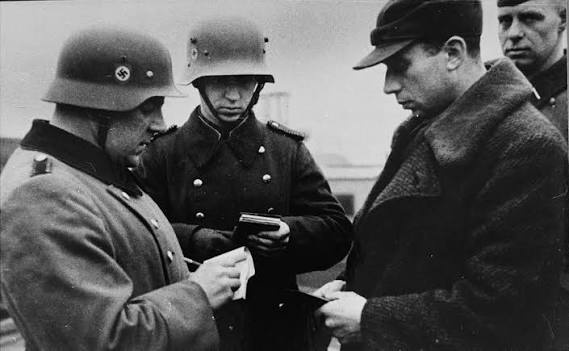
Albert Spier’s Proposed Giant Arch for Hitler’s Berlin
“He says such horrible things. You have to wonder how he sleeps at televised afternoon meetings.”
They are the same thing. This is what bigotry, hate, and watching Fox / right wing media causes.
The pilot of a JetBlue flight reported on Friday that he narrowly avoided colliding with a U.S. military aircraft over the Caribbean after an Air Force refueling tanker passed in front of the commercial plane without broadcasting its position, according to air traffic control radio communications.
This is incredible and the best I have felt in 5 months. I have had so much old news, many hundreds of back logged news I wanted to share. I recently found out that the mail stuff I would share was stuck on my phone so did not post. I cleared that. Today right now all old news mail articles are posted, the stuff I want to share is posted. I still have to do the video on what happened because I got long term Covid. Sadly I was able to do this because Ron was gone to Texas to help his sister and now they are on their way home. More pressure to do as much as I can with my pain and disability. So I have two more rooms to work on before they get here later this week. I want to do a video on the entire thing but may not. My goal was to clear all these tabs and then do videos …. but we will see, Hugs
The city, home to one of the largest Muslim populations in the United States, has recently become a repeated target for out-of-state activists who falsely claim it operates under “Sharia law.” The tensions began when Jake Lang, a Jan. 6 rioter who has described himself as a political prisoner, arrived on Michigan Avenue attempting to burn a Quran.
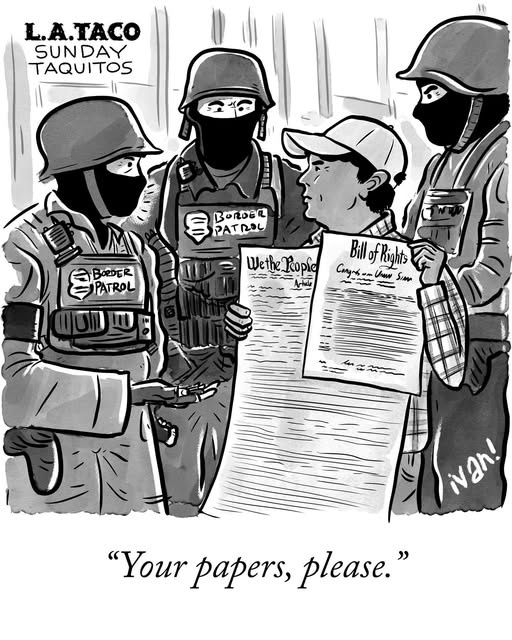
Federal law enforcement agencies are detaining US citizens who do not carry proof of their citizenship in what civil rights advocates describe as a flagrant violation of constitutional rights—and a top Trump administration official is claiming the government has the authority to do so. Bovino recently lied in court about being hit with a rock by anti-ICE protesters, despite video showing that never happened. According to reports, some Border officials privately refer to Bovino a “Little Napoleon” due to his height and volatile temper.
Things that are just wrong on too many levels / Medical Misinformation / tRump’s illegal war to steal oil / Rule by decree
The pilot of a JetBlue flight reported on Friday that he narrowly avoided colliding with a U.S. military aircraft over the Caribbean after an Air Force refueling tanker passed in front of the commercial plane without broadcasting its position, according to air traffic control radio communications.
It would reduce in prominence the headquarters of U.S. Central Command, U.S. European Command and U.S. Africa Command by placing them under the control of a new organization known as U.S. International Command. Those familiar with the plan said it aligns with the Trump administration’s national security strategy, released this month, that declares that the “days of the United States propping up the entire world order like Atlas are over.”
Their way to rid themselves of officers who will refuse to follow an illegal order and put command in the hands of those who will. All of this is to reduce the number of Admirals and Generals who could credibly disobey the illegal orders that will be coming soon.
This past September, the Trump administration terminated these agreements. The center’s former head, James Rubin, called this decision “a unilateral act of disarmament,” and no wonder: In effect, the United States was declaring that it would no longer oppose Russian influence campaigns, Chinese manipulation of local politics, or Iranian extremist recruitment drives. Nor would the American government use any resources to help anyone else do so either.
Foreign nationals can now pay $1 million plus a $15,000 processing fee for the Trump Gold Card, which grants them U.S. residency “in record time,” the website states. Corporations, meanwhile, can also partake in the program by making a $2 million contribution and paying the $15,000 processing fee.
The St. Louis-based lawyer declined to share copies, citing his clients’ privacy, but said most are seeking $1 million to $10 million for alleged injuries and property damage during their arrest, prosecution and, in many cases, imprisonment. Earlier this year, US officials agreed to pay nearly $5 million this year to settle a claim brought by the family of Ashli Babbitt, who was shot and killed by a police officer inside the Capitol on Jan. 6.
In the lawsuit filed Wednesday, Uthmeier’s office alleged that for the “past five years and continuing to the present day, defendant has excluded or disfavored nonminorities in numerous employment practices and programs.”
The move is part of the administration’s wider campaign to scrub federal institutions of “corrosive ideology” recognizing historical racism and sexism. The directive instructs park staff to report by Friday any retail items that have content that “inappropriately disparages Americans past or living” or that includes “matters unrelated to the beauty, abundance or grandeur” of a natural feature in its description.
Hit the link for many photos of Key West homes now sporting rainbow picket fences. As for Ms. Walker, the self-proclaimed “Christian Republican” felt compelled to boast about her complaint on X.
Yet the Russian oil shadow fleet is left totally alone by the tRump admin? I wonder why the oil tankers off Venezuela are OK to attack yet the same sanctioned oil tankers of Russia are off limits? What is the difference between illegal sanctioned oil tankers? Oh yes Putin has something over on tRump. Hugs
“States have the statutory duty to preserve and protect their constituents from vote dilution,” said Assistant Attorney General Harmeet K. Dhillon of the Justice Department’s Civil Rights Division.
This is code for balck people voting which white supremacist feel makes their votes less important. Hugs


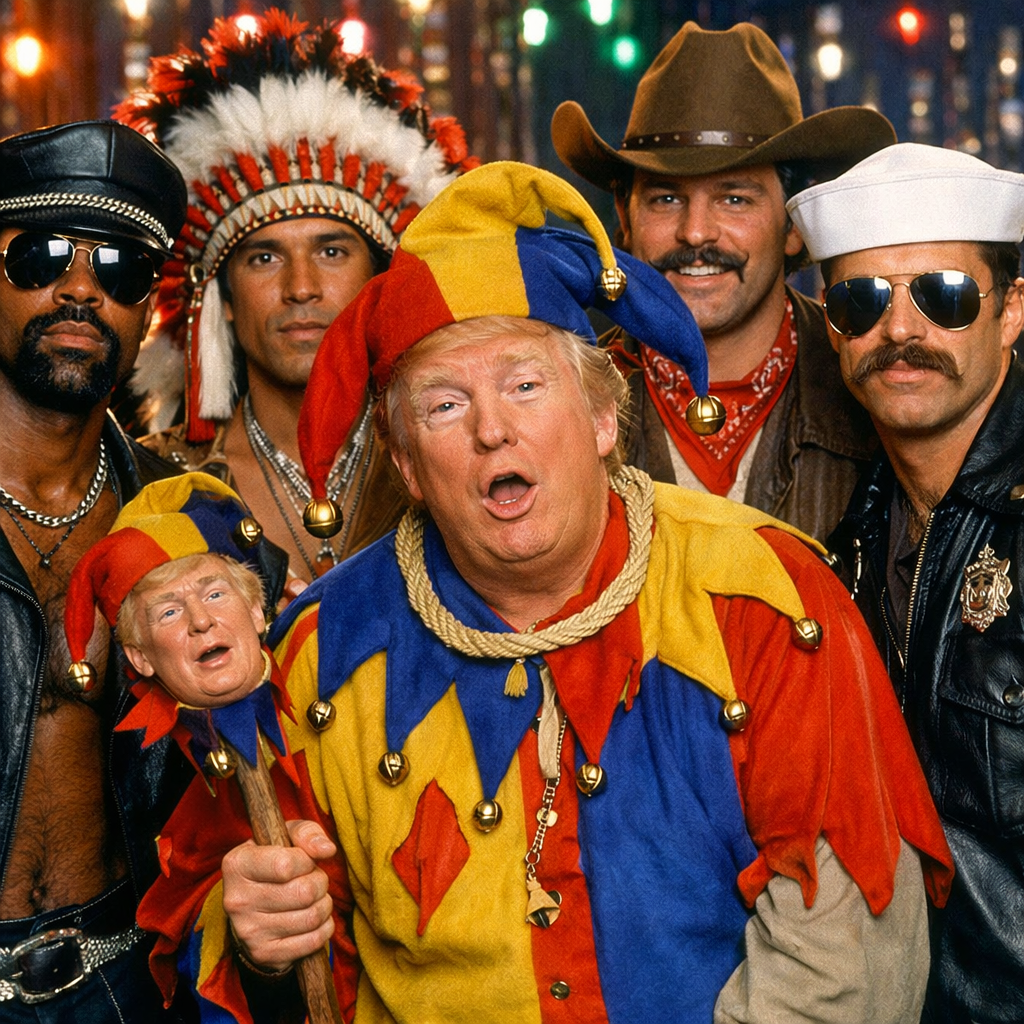

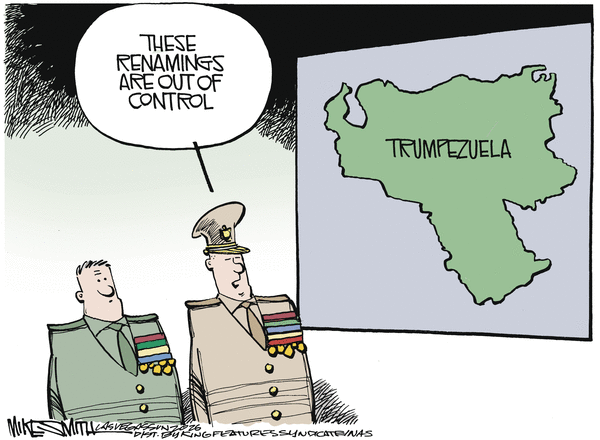

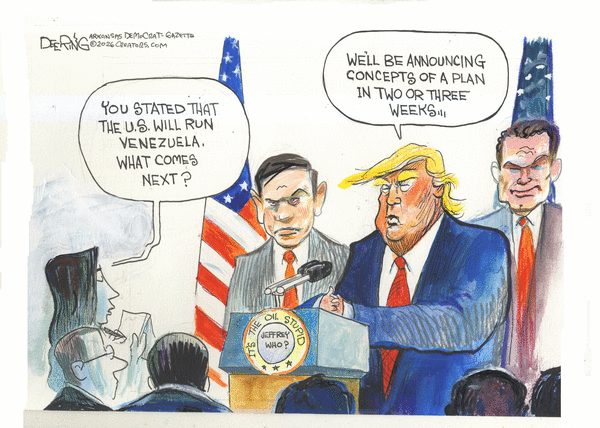





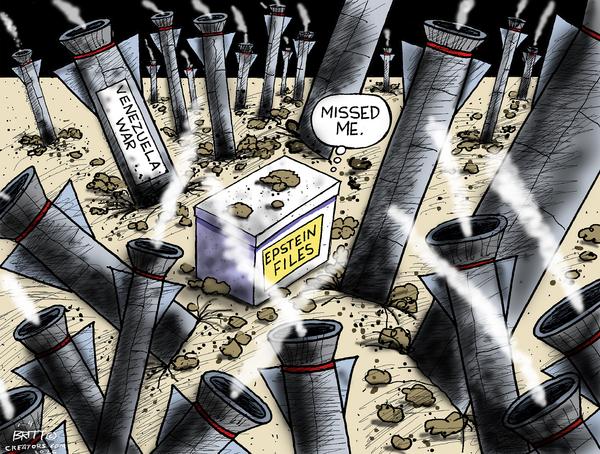


 Maduro was not in the US he was in a country that our law enforcement people had no authority to enforce laws. This was the kidnapping of a foreign leader which is a war crime. Hugs