This new lawsuit argues that the classroom displays conflict with Texas’s state religious freedom laws and a voter-approved constitutional amendment protecting parental rights, whereas AU's lawsuit argues they violate the US Constitution's First Amendment. http://www.expressnews.com/politics/art…
The MyPillow CEO now owes more in court fines than he does on his unpaid judgement for spreading debunked conspiracy theories about Trump’s 2020 election loss.
SCOOP:A group of election deniers claim they met with CISA & said they've pitched the Trump administration on a midterm “election-security plan."The group includes Tina Peters; Clay Parikh, who's served as a “special government employee” for the Trump administration; & two podcast hosts.
I reacted poorly. I appreciate @hicharliecotton taking my phone call so I could apologize.
— Senator Pete Ricketts (@SenatorRicketts) July 30, 2026
Gift link: "Meredith O’Rourke, nicknamed ‘princess of darkness,’ carries out president’s desire to wring hundreds of millions from companies for his projects…"www.wsj.com/politics/pol…
I am trying to see how this operation differs from a classic organized crime protection racket. I see little distinction. http://www.wsj.com/politics/pol…
Deploying troops or armed federal agents to election sites is illegal under federal law. And voters have the right to vote free from fear and intimidation. Here is what you can do to protect your vote if federal agents show up at your polling place. https://t.co/tS80H4QMj9
🚨 BREAKING: Trump’s DOJ has officially handed over UNREDACTED Epstein-related records directly to federal Judge Emmet Sullivan for private review following a court order in MeidasTouch host Katie Phang’s lawsuit.
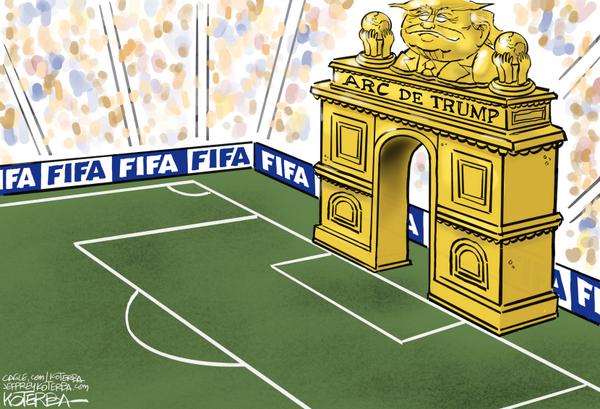
Americans outside the nation's capital will soon be able to obtain limited-edition U.S. passports featuring a picture of President Donald Trump and celebrating America's 250th birthday.
Trump wants SCOTUS to revive his Appeals Court rejected lawsuit against Hillary about the the 2016 election, claiming she conspired to “weave a false narrative” that his campaign colluded with Russia.www.ms.now/deadline-whi…
East Potomac Golf Links made civil rights history in 1941, becoming one of the first desegregated public golf courses in the country. Now President Trump is targeting this historic course for his latest vanity project. We’re demanding an end to the chaos. https://t.co/BZzjXSOezN
Colorado GOP Gov candidate Victor Marx's campaign did not respond to our questions about his self-described demon hunting. Our report was based on 100+ hours of his public comments over 20 years.
Marx has now posted a statement saying the report was biased and mocked his faith. https://t.co/k8jndrgeAW
Colorado GOP Gov candidate Victor Marx's campaign did not respond to our questions about his self-described demon hunting. Our report was based on 100+ hours of his public comments over 20 years.
Marx has now posted a statement saying the report was biased and mocked his faith. https://t.co/k8jndrgeAW
Colorado GOP Gov candidate Victor Marx's campaign did not respond to our questions about his self-described demon hunting. Our report was based on 100+ hours of his public comments over 20 years.
Marx has now posted a statement saying the report was biased and mocked his faith. https://t.co/k8jndrgeAW
This piece of shit lowlife won’t even defend his own daughter who filed a restraining order on his son in-law today after he has beaten her multiple times and hurt their 2 year old child. He won’t even call on the guy to drop out of his House race. What a pathetic creature. https://t.co/lIDLrcDpEy
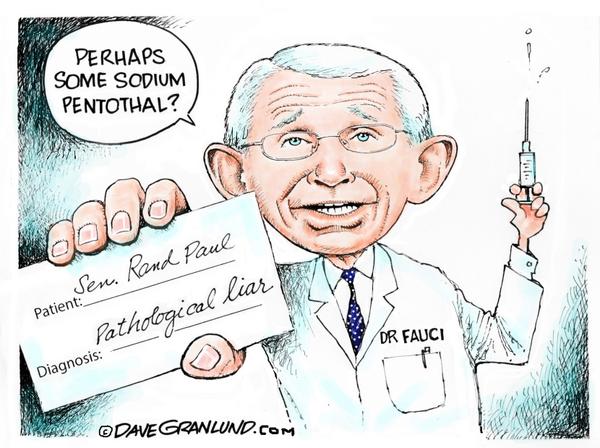
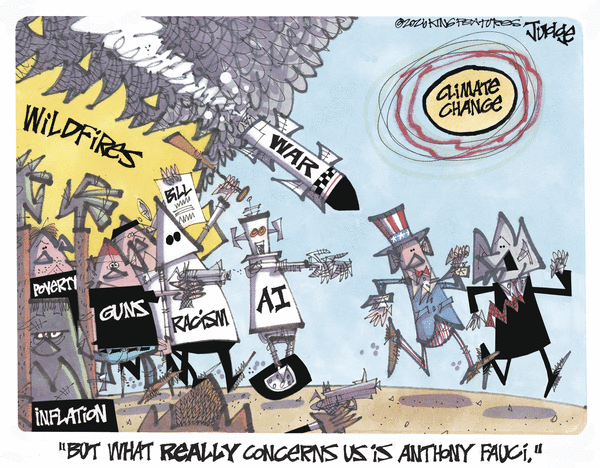
Sen. Ron Johnson: "Dr Fauci fear-mongered, scare-mongered just like he did with AIDS. Remember that? 'AIDS is gonna be household transmission.' No, that's not it. But he did that the same way because he's a vaccinologist." pic.twitter.com/103ERVQBCU
The race in November is expected to be one of the most competitive in the country, and it could determine which party controls the Senate. on.nbcboston.com/7Pn9gar
Trump ‘s deployment of National Guard troops D.C. “is set to cost an additional $1.4 billion through the end of the Trump administration … The estimate, which encompasses October 2026 through January 2029, adds to the hundreds of millions of dollars spent on the mission to date.”
Trump accused oil majors of “making too much money” after they reported windfalls from the Iran war, saying they should “give some back to the public.”www.semafor.com/article/08/0…
JUST IN: Trump files emergency motion to try to block BBC from getting details about finances of his business empire in connection with $5-10 billion defamation suit he filed against the network http://www.politico.com/news/2026/08…
I have had two bad nights. My butt is all scratched up because in my nightmares I am trying to remove the pain of the things forced into me. My pain provider told me today that I really need to think about finding a new therapist because she could see the knife edge I am on. She asked about how hard it was to talk to Ron and did it help? I had to explain how it hurt Ron to hear of my abuse and I hated to see that hurt settle in on him. I explained it comes in cycles and I am starting into a bad part of the cycle. Hugs
I am so tired of the memories and trying to function normally with these memories ravaging my mind and emotions. I need to run away, I want to run far from the memories, but there is no way to. Sad hugs. Scottie
As Kansans face attacks on their rights and rising costs, what is Kansas’s AG focused on? Attacking LGBTQ+ kids. Kansans deserve better than Kris Kobach. kansasreflector.com/2026/07/29/k…
Capital One said in a court filing late Friday that it closed accounts belonging to President Donald Trump’s sprawling real estate company in 2021 for legitimate reasons after an internal review by the bank’s anti-money laundering team. https://t.co/OIS1fsSBws
🚨 NEWS: In a new court filing, Capital One says Donald Trump’s accounts were closed in 2021 after months of analysis by its anti-money laundering (AML) professionals, not because of politics, as Trump has long claimed.
We said no more foreign wars and we meant it and supported Donald Trump because he made that promise. But he’s betrayed us all. Our commitment is America First for all Americans, right, left, and center. The movement has begun. pic.twitter.com/mZXadw0kBr
— Former Congresswoman Marjorie Taylor Greene🇺🇸 (@FmrRepMTG) August 1, 2026
This is fantastic. I’ve talked to people who credit Ivermectin, taken with other drugs, for saving their life and helping them defeat cancer. https://t.co/Eysu33sAPI
— Former Congresswoman Marjorie Taylor Greene🇺🇸 (@FmrRepMTG) July 25, 2026
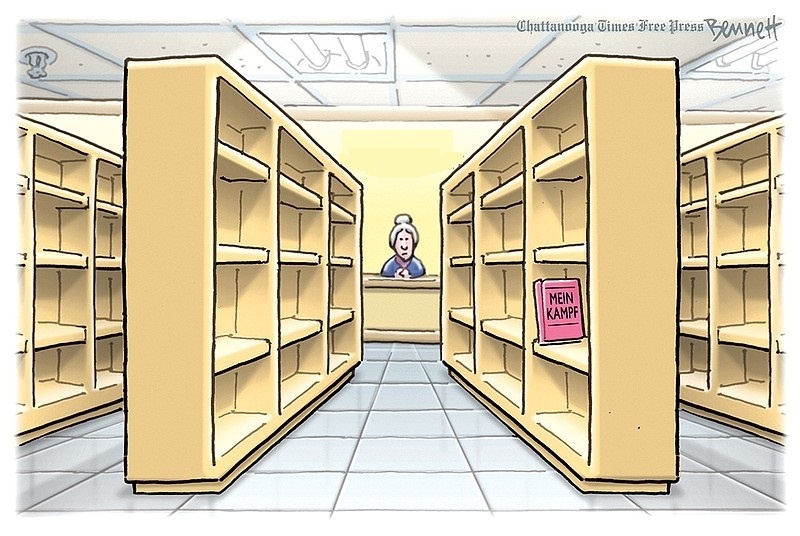
Appeals court allows Arkansas to enforce law restricting library materials arkansasadvocate.com/2026/07/30/a…
This new lawsuit argues that the classroom displays conflict with Texas’s state religious freedom laws and a voter-approved constitutional amendment protecting parental rights, whereas AU's lawsuit argues they violate the US Constitution's First Amendment. http://www.expressnews.com/politics/art…
Evangelist Whitney Lynn uses most of her flights as an opportunity to share her faith. This week, her sermon got her kicked off a flight and clips of her removal racked up millions of views on social media.She called the situation “spiritual warfare.”
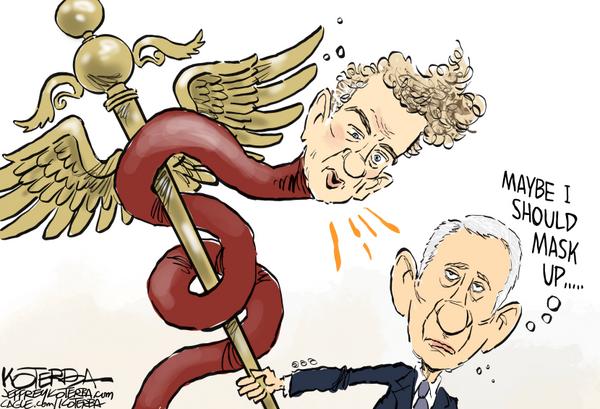
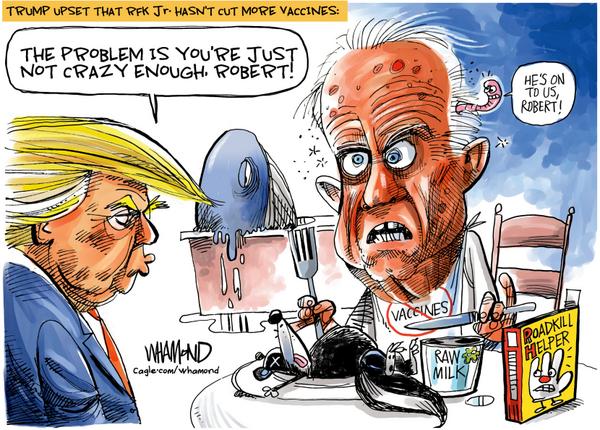
BASH: How do you prepare for next pandemic? RFK Jr: We did almost everything wrongB: But what about now?K: We need to protect our rightsB: ?K: During covid we dismantled our rightsB: But I'm asking what *to* do K: You were part of the problemB: You want to sit here and attack me?
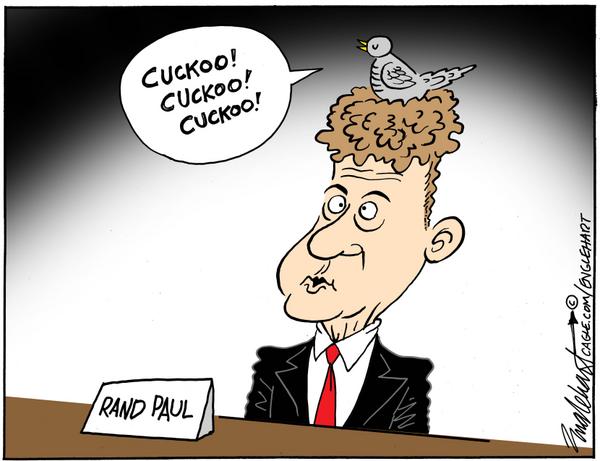
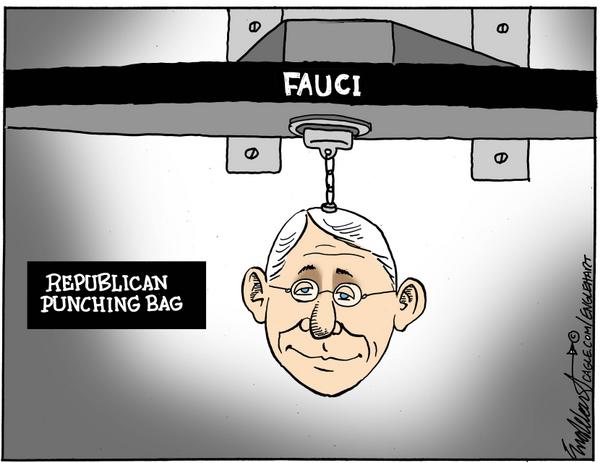
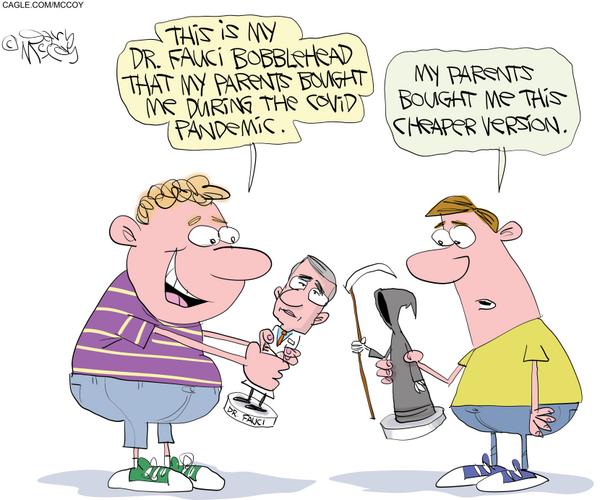
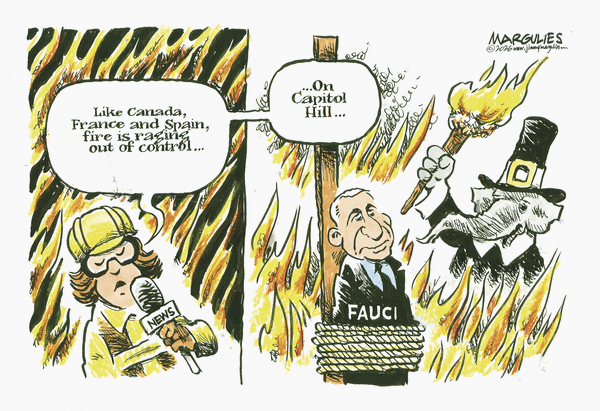
The Republicans have been lambasting the quiet medical professional who guided us through COVID because they prefer the style of this roided up road rage case
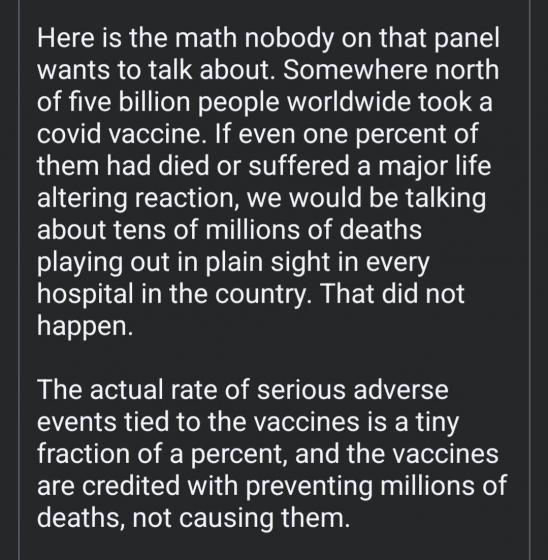
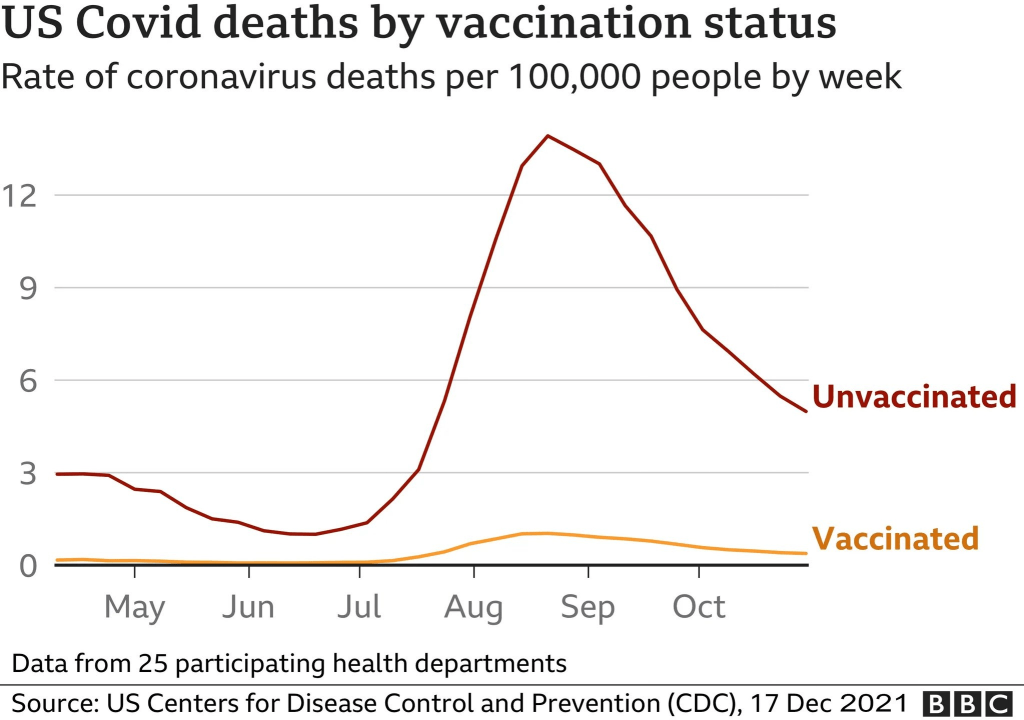
"You were scaring people. That was the job of CNN" — RFK Jr attacks Dana Bash over her claim that the covid vaccine worked. Bash ends up telling him to stop and tries to pivot to measles.
RFK Jr: Trump wanted to end lockdowns. In Fauci's diary, he talks about how the president was calling him trying to get him to reopen the countryBASH: The lockdowns were down by governors K: They cited FauciB: Govs were hearing from hospitals that their ICUs were overrunK: That's not true
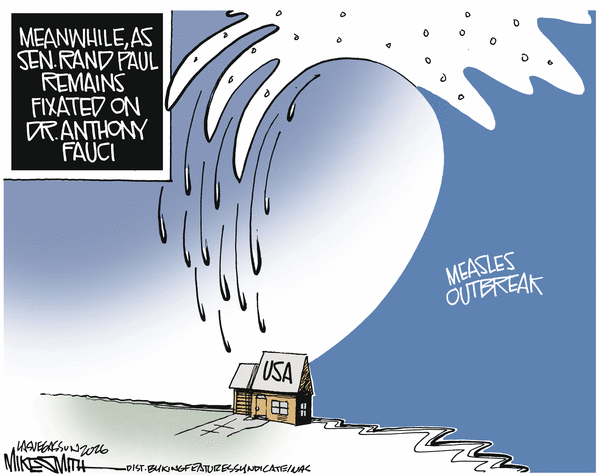
BASH: You have been one of the leading voices questioning the efficacy of vaccines. Do you accept some responsibility for this measles outbreak?RFK Jr: Absolutely not
RFK Jr: We had the highest death rate from covid of any nation on earthBASH: That's not accurateRFK Jr: What I said was accurateBASH: There are other countries that had higherRFK Jr: When Fauci was mismanaging the pandemic, he was doing it under the Biden administration
It was absolutely true. The governors had no choice. ICUs were being overwhelmed and mortality was climbing rapidly as a result. This was never a federal decision. The governors did the right thing. The revisionist history is depressing https://t.co/Wt1kQO5l9Z
— Prof Peter Hotez MD PhD DSc(hon) (@PeterHotez) August 2, 2026
Obama called Trump an ‘idiot’ and Don Jr a ‘f****** moron’ in call to Fauci, diaries reveal https://t.co/uf8VqSInLL
BRENNAN: Should there be an ethics probe to look into Max Miller?REP. MIKE TURNER: This is a matter of litigation. This is best handled in a courtroom, not a TV studio. This type of speculation is better for TMZ than CBSB: So it doesn't matter to you?TURNER: The court needs to handle this
Reminder, the only time Trump played a golf tournament where he couldn't cheat, the American Century celebrity tournament in 2006, he shot 52 over par in 3 rounds and finished in 62nd place out of 80 celebrities, then cheated on his wife with a pornstarhttps://t.co/aycllp8kxq
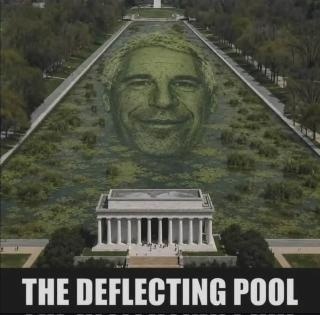
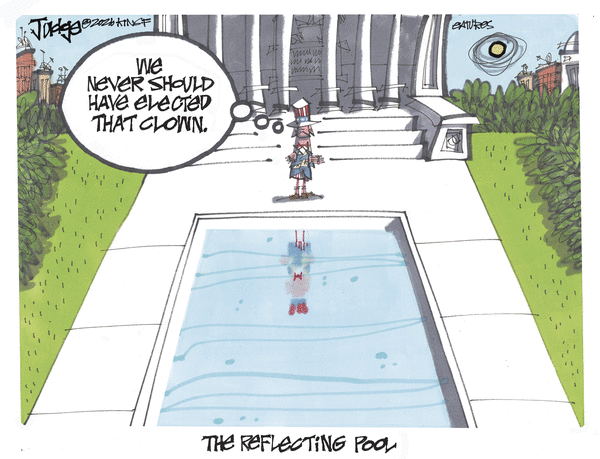
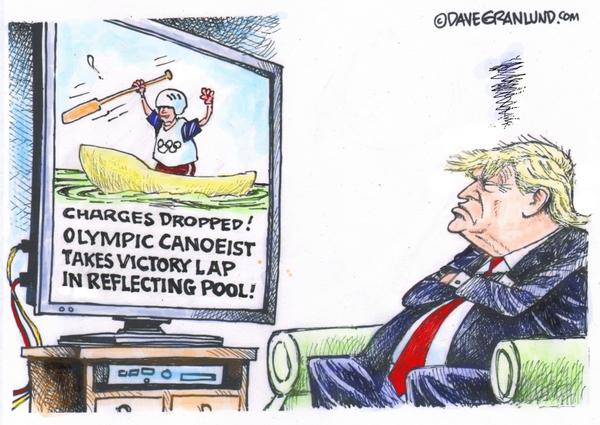
Sen. John Kennedy on Trump's blatant reflecting pool lies: "The president says it was caused by vandals. I don't know if he really believes that or it's part of his political messaging or he's just thinking out loud … he grows anxious when he has an unexpressed thought." pic.twitter.com/4R0ADLE7po
Monty Fritts, a GOP candidate for governor of Tennessee, says he'd ban Islam, outlaw same-sex marriage, and execute doctors who provide abortion or gender-affirming care.He's not being shunned by the GOP. They say he's building a "cult following."www.friendlyatheist.com/p/tennessee-…
In the 80s and 90s, Linda McMahon covered up a string of abuse of ring boys by ring announcer Mel Phillips and McMahon confidante Pat Patterson. Six weeks after they were fired, she intervened to rehire them and made them pinky swear not to do it again. They did. Repeatedly.
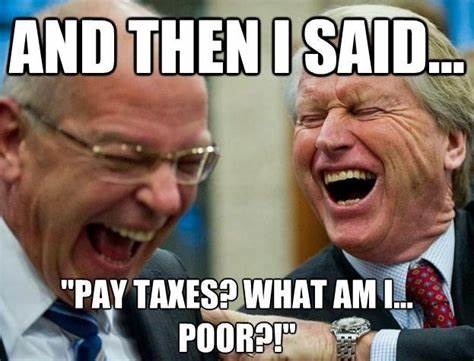
They’re really really bad at this and I hope they keep up with this messaging. “Sorry you’re struggling to afford basic living needs, but check out my new boat!”
The owner of the Baltimore Sun filed suit against Maryland Governor Wes Moore Friday, claiming Moore defamed him and falsely said he was affiliated with Jeffrey Epstein. @shaulenbeek.bsky.social http://www.courthousenews.com/baltimore-su…
As Kansans face attacks on their rights and rising costs, what is Kansas’s AG focused on? Attacking LGBTQ+ kids. Kansans deserve better than Kris Kobach. kansasreflector.com/2026/07/29/k…
LAWSUIT UPDATE: Elon Musk waited until the last minute to try to stop our law banning nudification technology, and now he's paying the consequences. Our ban WILL take effect August 1.#ElonMusk #Minnesota #MNLeg
Evangelist Whitney Lynn uses most of her flights as an opportunity to share her faith. This week, her sermon got her kicked off a flight and clips of her removal racked up millions of views on social media.She called the situation “spiritual warfare.”
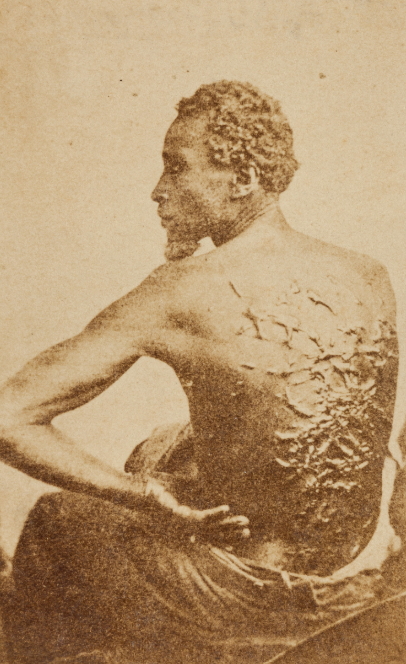
At the start of the Civil War, there were 4 million people who were enslaved in the US. Families were separated so some members could be sold to plantations in other parts of the country, including children.
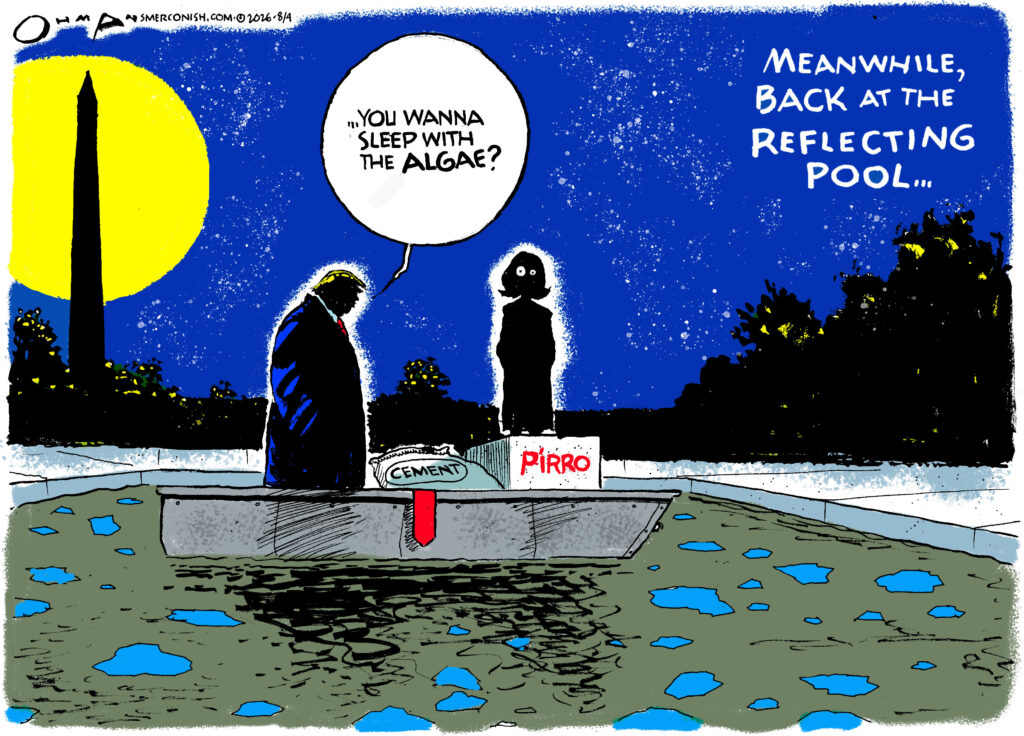
Trump didn’t want to admit that he personally hired an unqualified contractor who screwed up the Pool and cost taxpayers millions. So instead he had the hack Fox host who he installed as US attorney indict an innocent man so he could blame him and others for his own incompetence.
This fucking weirdo lied too. We knew he was lying. HE knew he was lying. All to appease the audience of one. Fucking pathetic. https://t.co/0PxolXCDk9
This new lawsuit argues that the classroom displays conflict with Texas’s state religious freedom laws and a voter-approved constitutional amendment protecting parental rights, whereas AU's lawsuit argues they violate the US Constitution's First Amendment. http://www.expressnews.com/politics/art…
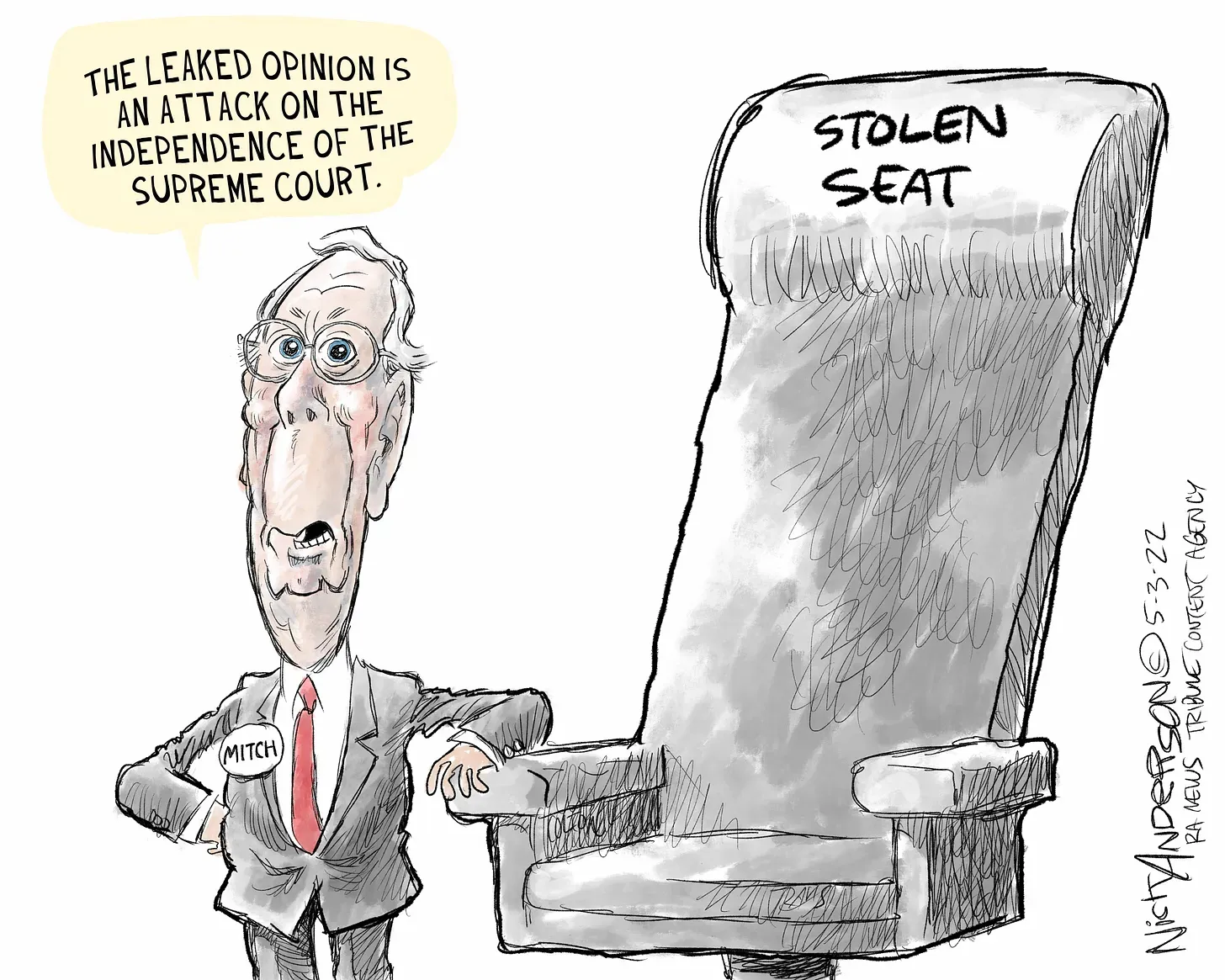
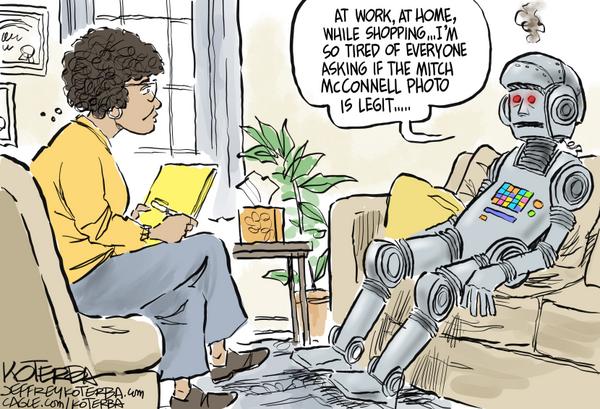
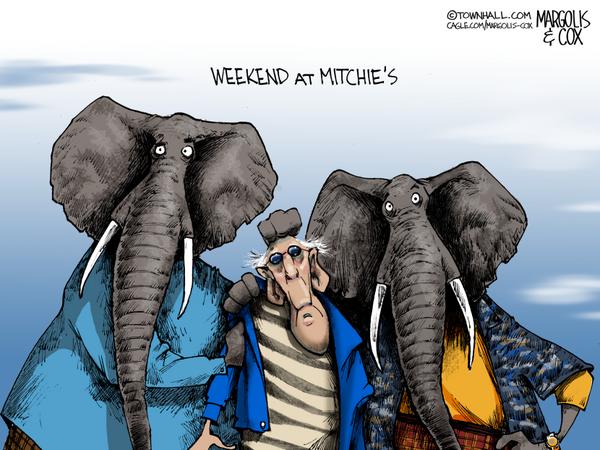
BREAKING NEWS: A new Mitch McConnell sighting has been reported.
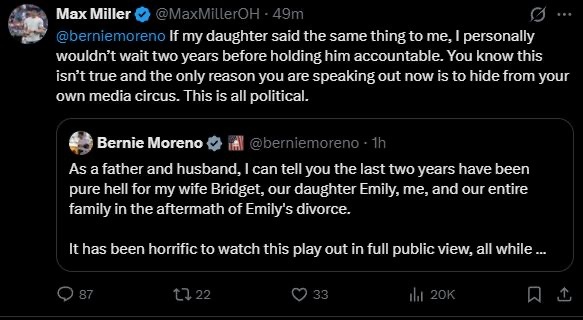
Bernie Moreno is keeping shut about Max Miller beating his daughter because Max has blackmail on Bernie being gay.
This is gross and emasculating.
It is grotesque to use a man’s funeral as an opportunity to grovel at the feet of another man and to use his legacy to curry favor in such a sycophantic manner.
I love everyone, but I had to deal with many issues. Yesterday I had to dump my entire secondary computer to fix a regesty error. But every time I tried to come back up, Microsoft insisted I sign in with an internet that they could monitor. I refused. So I needed to wipe out my entire C drive, and now I am trying to rebuild it. Lucky for me if the powers that be won’t allow me to rejoin the older Windows program, well I have been experimenting with Linux stuff. Hugs
If you read the law it lets anyone claim to be offended by any media and that it doesn’t need to be declared obscene to be labeled obscene. Why is that? Because to a small group of very vocal haters just the existence of LGBTQ+ people is obscene. It offends their god so it offends them. But don’t try to claim the Bible is obscene or pushes offensive stuff it has special carve outs that make all the icky bad parts OK. I hope this will be appealed to the full appeals court as this attempt to errase an entire population of people based on bigotry must not be allowed to stand. I also just read where the education department under the hypermaga education secretary will not be enforcing or even recording the bullying and abuse of the LGBTQ+ kids at school. Her view is let the little fagots fend for themselves it seems. Remember she and her husband turned a blind eye to the many young boys being sexually assaulted by the wrestlers in their group.
Also the majority of the three judges panel said that the three patrons did not have standing to object because no books had been banned yet. They seem to have a wait and see if the victim is stabbed before taking the knife from the threatening person. That is stupid. Everyone knows what the law is intended to do and the writers of the law admit that openly. It seems the tRump appointed judges want to let attacks on the librarians and on the books that mention gay, lesbian, bisexual, transgender, non-binary, and questioning kids / people be removed as soon as possible knowing it is harder to put them back than to ban them in the first place. Hugs.
The “social section” in Crawford County Library’s Van Buren branch (Screenshot from court documents)
A federal appeals court ruled Thursday that Arkansas’ 2023 law restricting access to library materials can go into effect, three years after a judge blocked two sections of the law on First Amendment grounds.
The three-judge panel from the 8th U.S. Circuit Court of Appeals in St. Louis ruled that the 18 plaintiffs had no standing to challenge one section of Act 372 and failed to prove that the other section was unconstitutionally vague.
The two sections create criminal liability for librarians who distribute content that some consider “obscene” or “harmful to minors,” and give city and county governing bodies the final say over library content.
Republican Attorney General Tim Griffin praised the ruling, saying it “allows Arkansas to move forward in enforcing a law that protects children from obscene materials while increasing accountability for public-library curation decisions.”
The plaintiffs challenging the law include libraries, bookstores, advocacy groups and individual library patrons. Their lead attorney, John Adams, said in a statement that the legal team is “evaluating all available legal options, including further review by the courts,” after Thursday’s ruling.
“Libraries and bookstores should be places where people can freely explore ideas — not where booksellers and librarians face criminal liability for selling, checking out, or even just shelving constitutionally protected books,” Adams said. “The freedom to read is fundamental to a free society and has always been protected by the First Amendment.”
Griffin said Act 372 was meant to “to address legitimate concerns about minors’ access to obscene materials and to establish a process for reviewing challenged content.”
School and public libraries already had content challenge policies before Act 372. The law stalled in the Legislature in 2023 before it was amended to say library materials would be relocated to an area inaccessible to minors, not removed from the premises, if elected officials find them to be “obscene.”
Section 5 of Act 372 allows city and county governing bodies to relocate challenged material if a challenger disagrees with a library panel’s decision to keep it in its original section.
Another section of the law that gave school boards the same authority over school library materials had not been challenged.
Adams told the appeals court in June that Crawford County, a defendant in the case, showed what the law’s restrictions would look like in practice. The county’s five library branches separated LGBTQ+ children’s books from the rest of the collection after public outcry, and county officials cited Act 372 as a reason to maintain these “social sections,” even before the legislation became law.
Crawford County lost a separate federal lawsuit in 2024 after three parents alleged that the “social sections” violated the First Amendment.
The three library patrons who sued over the state law do not have standing because Section 5’s book challenge and relocation policies do not harm the plaintiffs, the appeals court panel said Thursday.
“Plaintiffs are speculating libraries might decide to segregate certain books as part of their curation policies, which they have not yet adopted, or in response to challenges, which have not yet been filed,” the panel wrote.
The librarian and bookstore plaintiffs have standing to challenge the other section of the law because they would be at risk of prosecution for noncompliance, according to the ruling, but the three judges disagreed with Adams’ claim that Section 1 of Act 372 was too vague.
This section makes “furnishing a harmful item to a minor” a Class A misdemeanor. Conviction would lead to a maximum prison sentence of one year.
U.S. District Judge Timothy Brooks wrote that the law’s lack of a definition for terms like “furnishing” and “harmful” could lead to violations of the First Amendment right to freedom of speech.
An unchallenged provision of Act 372 removes schools and public libraries from the part of Arkansas state code that previously exempted them from prosecution for disseminating obscene content. Another unchallenged provision made school and public library employees liable for a Class D felony if they “knowingly” distribute obscene material or inform others of how to obtain it. A Class D felony conviction carries a maximum prison sentence of six years.
However, the language of Section 1 “limit[s] its application to situations when a person knowingly furnishes an item to a minor knowing of the item’s harmful character” and therefore is not too vague, the appeals court ruled.
Chief Judge Steven Colloton wrote in a concurring opinion Thursday that he understood the plaintiffs’ vagueness claim but disagreed with it “because third-party library patrons have no constitutional right to receive unfettered access to books of their choice at taxpayer expense.”
Colloton was appointed to the court in 2003 by then-President George W. Bush and has been chief judge since 2024. President Donald Trump appointed the panel’s other two judges, Ralph Erickson and L. Steven Grasz, in 2017.
Erickson was on the three-judge panel in April that allowed a 2023 Iowa law to go into effect, requiring the removal of books containing “descriptions or visual depictions of a sex act” from Iowa public school libraries.
The removal of the injunction on Act 372 comes as the Arkansas Department of Education has been considering requiring public libraries to restrict children’s access to “sexually explicit materials” in order to receive state funding.
Dozens of Arkansans told the education department in June that they oppose requiring libraries to ensure patrons age 16 or younger cannot check out materials that depict or describe sexual contact and behavior.
The Arkansas State Library Board will meet Aug. 14 to consider sending the rules to a legislative panel for further approval. Republican Gov. Sarah Huckabee Sanders appointed all six board members.
Author Info
Tess Vrbin
Tess Vrbin came to the Advocate from the Arkansas Democrat-Gazette, where she reported on low-income housing and tenants’ rights, and won awards for her coverage of 2021 flooding and tornado damage in rural Arkansas. She previously covered local government for The Commercial Dispatch in Mississippi and state government for the Columbia Daily Tribune in Missouri.
Arkansas Advocate is part of States Newsroom, the nation’s largest state-focused nonprofit news organization.
*** personal note. Sorry these are late getting out. I do love them. Today I can’t walk again. I gave myself a shot last Saturday and something went wrong with it. Every two weeks I need to give myself an injection into one of my legs and each time I rotate which leg I do it into. However, I am not sure what went wrong with this shot; maybe I did not get all the air out of the injection syringe or what but my leg is swollen and very painful to bend or move. I take serious pain medications and even with them the pain is so mind-numbing that I struggle to function. I have never had one go this badly or be this painful. Hugs ***
“It seems it’s O.K. to wear shorts to the office, but definitely not socks with sandals.”
This Eagle Scout is ashamed of Scouting America once again for caving to Hegseth, who wouldn't know honor if it gave him the Scout handshake. It's BSA v. Dale all over againapnews.com/article/scou…
I do not think the punishment fits the crime here. These people tried to stop other people from exercising their civil rights simply due to the bigotry and hate of the oppressors. Hate doesn’t give people the right to stop people from gathering or enjoying legal activities. These haters got away with it. That will simply encurage others to do the same thing over and over until they drive those they hate underground and out of the public view. Which is what these haters want to accomplish: remove those they hate from society. Hugs
The group behind the incident, NSC-131, will be permanently barred from ‘unlawful discriminatory practices’ in the state, if a judge approves
By Steven Porter Globe Staff,Updated July 31, 2026, 25 minutes ago
In this file photo, Christopher R. Hood Jr. appears at West Roxbury Municipal Court on July 25, 2022, when he was 23 years old. Hood founded the Nationalist Social Club 131 in 2019.Jessica Rinaldi/Globe Staff
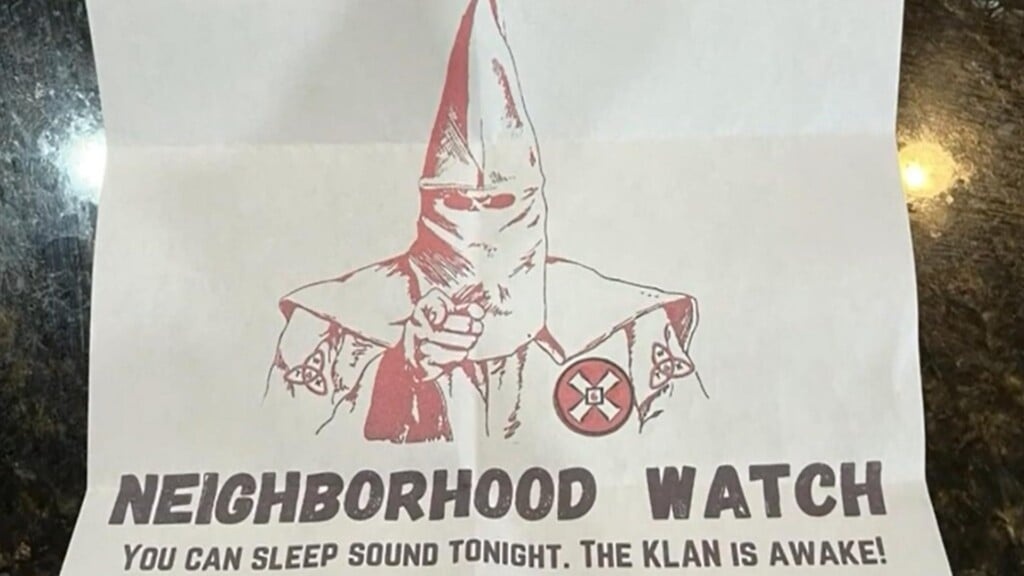
The founder of a neo-Nazi group that sent masked men to protest outside a 2023 drag queen story hour event in Concord, N.H., has admitted their anti-LGBTQ intimidation tactics amounted to a civil rights violation, the New Hampshire attorney general’s office announced Thursday.
Christopher R. Hood Jr. of Newburyport, Mass., and his group, the Nationalist Social Club-131, or NSC-131, will be permanently barred by court order from engaging in any further unlawful discriminatory practices, if a judge accepts the deal. Anyone who violates those terms could face further sanctions.
Hood, 27, will be required to complete 250 hours of community service and pay $2,500 in civil penalties, plus another $7,500 if he violates the terms of the court’s order, according to a motion filed by prosecutors. He’ll also be barred from coming within 250 feet of the eatery where this occurred or any other Teatotaller Café location.
The core allegation in this case was that Hood, his organization, and 19 unnamed co-defendants — who directed intimidating chants and homophobic slurs at those inside the establishment, performed Nazi salutes, and banged on the cafe’s glass windows — had sought to compel a place of public accommodation to engage in unlawful discrimination on the basis of sex, sexual orientation, or gender identity.
“No individual or organization has the right to threaten, intimidate, or coerce a New Hampshire business into violating the law or denying lawful access based on protected characteristics,” Attorney General John M. Formella said in a statement.
“This resolution delivers accountability and sends the message that organized hate group activity that violates the law will not be tolerated,” he added.
The attorneys who represented the defendants in this case, Bradford Ryan Stanton and William E. Gens, didn’t respond to requests for comment.
Formella said certain terms under the agreement apply to NSC-131 as an unincorporated association. For example, the group will be permanently barred from all unlawful discriminatory practices and will be prohibited from coming within 250 feet of any location that’s part of the Teatotaller Café business, which has since rebranded as Totally Tea and Coffee.
That means an individual who didn’t participate in the 2023 incident could theoretically be subjected to the terms of this agreement in the future, if there is evidence of their affiliation with NSC-131, he said.
The motion Formella’s office filed with the court indicates NSC-131 has disbanded and Hood has stated he intends to discontinue his involvement with that group and other organized hate activity.
Formella told the Globe that securing a victory in which the defendant admitted wrongdoing represents a significant achievement.
“It was worth it, I think, in the greater context of our civil rights efforts to get that admission,” he said.
This wasn’t Formella’s first attempt to clamp down on NSC-131’s activity. His office filed a complaint in early 2023 alleging the group had committed civil rights violations by hanging a “Keep New England White” banner from a Portsmouth overpass in 2022. But the New Hampshire Supreme Court ultimately ruled in early 2025 that the prosecution was unconstitutional on free-speech grounds.
Formella’s office filed the second case against Hood and NSC-131, regarding the Teatotaller incident, in late 2023.
Massachusetts Attorney General Andrea Joy Campbell also filed a complaintin late 2023 against Hood, NSC-131, and a group leader named Liam McNeil of Waltham, Mass., over incidents involving LGBTQ events and immigrants in emergency shelters. That case is still pending, according to court records.
Hood was formerly part of Patriot Front and the Proud Boys before he founded NSC-131 in late 2019. The members of his group disrupted or shut down several drag queen story events in Massachusetts in 2022, according to the lawsuit. Members of the group regularly wore khaki pants, black shirts or jackets, and ski masks, balaclavas, and neck gaiters to hide their identities.

 I have had two bad nights. My butt is all scratched up because in my nightmares I am trying to remove the pain of the things forced into me. My pain provider told me today that I really need to think about finding a new therapist because she could see the knife edge I am on. She asked about how hard it was to talk to Ron and did it help? I had to explain how it hurt Ron to hear of my abuse and I hated to see that hurt settle in on him. I explained it comes in cycles and I am starting into a bad part of the cycle. Hugs
 I am so tired of the memories and trying to function normally with these memories ravaging my mind and emotions. I need to run away, I want to run far from the memories, but there is no way to. Sad hugs. Scottie












































































































































































In this file photo, Christopher R. Hood Jr. appears at West Roxbury Municipal Court on July 25, 2022, when he was 23 years old. Hood founded the Nationalist Social Club 131 in 2019.Jessica Rinaldi/Globe Staff
The founder of a neo-Nazi group that sent masked men to protest outside a 2023 drag queen story hour event in Concord, N.H., has admitted their anti-LGBTQ intimidation tactics amounted to a civil rights violation, the New Hampshire attorney general’s office announced Thursday.Christopher R. Hood Jr. of Newburyport, Mass., and his group, the Nationalist Social Club-131, or NSC-131, will be permanently barred by court order from engaging in any further unlawful discriminatory practices, if a judge accepts the deal. Anyone who violates those terms could face further sanctions.Hood, 27, will be required to complete 250 hours of community service and pay $2,500 in civil penalties, plus another $7,500 if he violates the terms of the court’s order, according to a motion filed by prosecutors. He’ll also be barred from coming within 250 feet of the eatery where this occurred or any other Teatotaller Café location.The core allegation in this case was that Hood, his organization, and 19 unnamed co-defendants — who directed intimidating chants and homophobic slurs at those inside the establishment, performed Nazi salutes, and banged on the cafe’s glass windows — had sought to compel a place of public accommodation to engage in unlawful discrimination on the basis of sex, sexual orientation, or gender identity.“No individual or organization has the right to threaten, intimidate, or coerce a New Hampshire business into violating the law or denying lawful access based on protected characteristics,” Attorney General John M. Formella said in a statement.“This resolution delivers accountability and sends the message that organized hate group activity that violates the law will not be tolerated,” he added.The attorneys who represented the defendants in this case, Bradford Ryan Stanton and William E. Gens, didn’t respond to requests for comment.Formella said certain terms under the agreement apply to NSC-131 as an unincorporated association. For example, the group will be permanently barred from all unlawful discriminatory practices and will be prohibited from coming within 250 feet of any location that’s part of the Teatotaller Café business, which has since rebranded as Totally Tea and Coffee.That means an individual who didn’t participate in the 2023 incident could theoretically be subjected to the terms of this agreement in the future, if there is evidence of their affiliation with NSC-131, he said.The motion Formella’s office filed with the court indicates NSC-131 has disbanded and Hood has stated he intends to discontinue his involvement with that group and other organized hate activity.Formella told the Globe that securing a victory in which the defendant admitted wrongdoing represents a significant achievement.“It was worth it, I think, in the greater context of our civil rights efforts to get that admission,” he said.This wasn’t Formella’s first attempt to clamp down on NSC-131’s activity. His office filed a complaint in early 2023 alleging the group had committed civil rights violations by hanging a “Keep New England White” banner from a Portsmouth overpass in 2022. But the New Hampshire Supreme Court ultimately ruled in early 2025 that the prosecution was unconstitutional on free-speech grounds.Formella’s office filed the second case against Hood and NSC-131, regarding the Teatotaller incident, in late 2023.Massachusetts Attorney General Andrea Joy Campbell also filed a complaint in late 2023 against Hood, NSC-131, and a group leader named Liam McNeil of Waltham, Mass., over incidents involving LGBTQ events and immigrants in emergency shelters. That case is still pending, according to court records.Hood was formerly part of Patriot Front and the Proud Boys before he founded NSC-131 in late 2019. The members of his group disrupted or shut down several drag queen story events in Massachusetts in 2022, according to the lawsuit. Members of the group regularly wore khaki pants, black shirts or jackets, and ski masks, balaclavas, and neck gaiters to hide their identities.——————————————————————————————————Steven Porter can be reached at steven.porter@globe.com. Follow him @reporterporter.