
And About “Political” Violence-

A state lawmaker was assassinated last year. Who is keeping others safe?

Grace Panetta

This story was originally reported by Grace Panetta of The 19th. Meet Grace and read more of their reporting on gender, politics and policy.

Political violence is on the rise โ€” making the job more dangerous for state lawmakers and posing new challenges for state law enforcement officials. 

Every high-profile act of violence sets off new waves of threats and fears of more โ€” the assassination of conservative activist Charlie Kirk in September sent chills down the spines of elected officials throughout the country. But Utah, where he was killed, was already ahead of the curve on addressing threats to lawmakers and high-profile public officials.

Nine years earlier, it had set up a new unit to track and prevent violence against public officials.

The unit follows a four-step process, said Taylor Keys, a spokesperson for the state Department of Public Safety: It receives and identifies reports of threats and concerning behaviors, gathers the facts, assesses the individualโ€™s risk of posing a real physical threat, and then manages the risk with intervention and case management. 

In the days after Kirkโ€™s assassination at Utah Valley University, Utah lawmakers reported receiving an uptick in threats. Keys said the agency โ€œregularly reviewsโ€ security measures and safety plans for lawmakers and โ€œwill continue to leverage new technologies, training, and security features in the coming years to safeguard lawmakers.โ€

But many states arenโ€™t as proactive and prepared as Utah. Most state legislatures are in session only part-time, and many of the state enforcement agencies charged with protecting them are stretched thin and lack standardized procedures for reporting threats, collecting data and conducting regular training. 

A spate of high-profile violent attacks over the past year threw this reality into stark relief. 

Last April, an arsonist attempted to burn down the Pennsylvania governorโ€™s mansion in an attack targeting Democratic Gov. Josh Shapiro. In June, a gunman assassinated former Minnesota House Speaker Melissa Hortman and her husband, Mark, before wounding state Sen. John Hoffman and his wife, Yvette. Republican Indiana state lawmakers who resisted a White House-led push to redraw congressional lines in the state reported receiving threats. And Kirkโ€™s killing rankled lawmakers on both sides of the aisle.

And for some lawmakers, the environment is becoming untenable: Two recent reports show that harassment, abuse and violence are leading factors driving women and younger legislators, especially, to exit office. 

State legislatures shape consequential policy and serve as a critical pipeline for higher office. But serving in office and entering the pipeline to power poses increasingly high risks to personal safety, especially for groups already underrepresented in the halls of power. While being a state lawmaker is a part-time job with a part-time salary in most states, lawmakers canโ€™t opt out of being a full-time public figure.

โ€œElected and appointed officials live in a risk environment by nature of their job and their outward, public-facing positions,โ€ said former Lt. Col. Tim Cameron of the Wyoming Highway Patrol, who spoke to The 19th in 2025 before he retired from the agency after more than 46 years in law enforcement. โ€œWithin the last year and a half to two years, that’s moved into a threat environment.โ€  

The 19th spoke with experts and reached out to state-level law enforcement agencies in all 50 states to capture a comprehensive picture of the scope of political violence against state lawmakers and how law enforcement is responding. Officials in a dozen states told The 19th how they identify and respond to threats, what data they collect, and how theyโ€™re adapting their responses and procedures to an ever-evolving landscape.

How did states respond? Jump to their answers here.


As political violence is on the rise, many states are scrambling to keep pace. Political violence, Cameron said, was a major topic of discussion at the International Association of Chiefs of Police conference he attended in 2025.

โ€œAnyone charged with executive protection is really looking closely at what they’re doing, how they’re doing it, and looking to utilize technology to leverage that in every way they can,โ€ he said. โ€œSo it is going to be a challenge moving forward. And nobody has enough people.โ€  

A February report from the nonprofit organization Future Caucus, based on interviews and surveys with 89 young lawmakers in 31 states, found that threats of violence โ€œhave become a serious deterrent to both candidate recruitment and retention,โ€ especially for women, lawmakers of color and LGBTQ+ lawmakers. 

โ€œThis is a four-alarm fire,โ€ said Layla Zaidane, the president and CEO of Future Caucus, which supports young state lawmakers in bridging divides and working on policy across the political aisle. 

โ€œThey can stomach the low pay. They can stomach no staff. They can handle even trying to figure out the toxic polarization and transcending that,โ€ Zaidane said of young lawmakers. โ€œBut political violence was the thing that, when you add it all together, was the decider of: โ€˜I don’t know if I’m going to run again, I don’t know if this is worth it.โ€™โ€


The rise in violent incidents is having an outsized impact on women, who make up half of the United States population but account for only a third of state lawmakers; even fewer women of color are represented in the political arena. 

And when it comes to hyperpolarization and the increasingly toxic and hostile climate in state capitols, โ€œwomen bear the brunt of this, multi-fold, compared to their male peers,โ€ said Aparna Ghosh, the founder and executive director of the Ghosh Innovation Lab, a nonpartisan organization that conducts research and builds tools to support diverse and representative state legislatures.

A report the Ghosh Innovation Lab published last summer, based on 60 interviews and a nationally representative survey of over 300 women legislators, concluded that the assassination of Hortman โ€œexposed a crisis that has been building for years.โ€ Women lawmakers, the report found, โ€œface systematic harassment, threats, and violence that compromise their safety, well-being, and democratic participation.โ€ 

The report found that 93 percent of women lawmakers said they experienced some form of harm or abuse in office, 59 percent said it disrupted their legislative duties and 32 percent said it impacted their desire to stay in office.   

โ€œItโ€™s not just about an incident, but it’s about the everyday things that add up that push them out of office,โ€ Ghosh said. โ€œThis is a huge problem for democracy, because this constant harm that women are facing is eroding the intent to run for office, so it’s eroding democracy in some way.โ€

Black and white photo of an empty legislative chamber with rows of wooden desks and chairs. A bright red, spray-painted target symbol is scrawled across one desk in the foreground.
(Emily Scherer for The 19th)

In the wake of Hortmanโ€™s assassination, several states have weighed legislation that would allow lawmakers to have their home addresses and other identifying information removed from public records. And as federal campaign spending on security expenses has continued to climb into the millions, 25 states now officially or informally authorize state candidates to use campaign funds for personal security, according to an analysis from the nonpartisan Vote Mama Foundation.

The role of law enforcement has also come under scrutiny, with the Ghosh Innovation Lab report concluding that state capitols and law enforcement โ€œsystematically fail to protect women legislators.โ€

The top safety shortcomings identified by women legislators surveyed for the report were a lack of training in handling threats (53 percent), the absence of a panic button for reporting incidents (46 percent) and unclear reporting procedures (42 percent). They also cited inadequate technological solutions, insufficient legal support, buildings feeling overly exposed, too few security officers and poor coordination with law enforcement.  
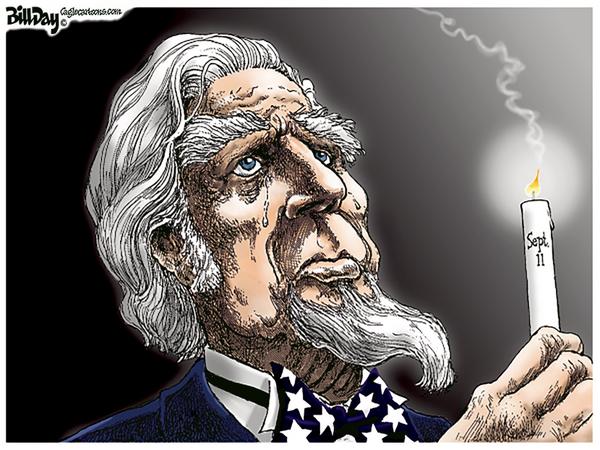

โ€œWhatever training they’re getting is their own responsibility, and that’s part of where the system breaks down,โ€ said Ghosh. โ€œItโ€™s two things: One is that we’re not a proactive system, we react to incidents, that is one huge thing. And the second is it feels like safety and security is a legislator problem, not an institutional problem.โ€

At the federal level, the U.S. Capitol Police (USCP) protects members of Congress, often in coordination with local law enforcement, and issues regular public assessments indicating that threats against federal lawmakers are on the rise. 

But far less is known about the risk environment and security landscape for state lawmakers.

States have widely varying levels of security for their state capitol complexes and different open carry rules. A 2024 review from the Wisconsin Legislative Audit Bureau found that 39 states use metal detectors in their capitol buildings, 31 use X-ray machines to scan packages and belongings and 10 require visitors to have photo identification.  

Many states have dedicated capitol police forces, specialized units within state police or highway patrols responsible for protecting lawmakers and executive officials, or both. Local sheriff’s offices and police departments also respond to reports of threats from state lawmakers.

โ€œThe big problem is that there’s no standardization in the protocols and processes, and this is the gray zone where the system breaks down,โ€ Ghosh said.   


To get a clearer picture of the protection landscape, The 19th asked these questions to state agencies responsible for protecting state lawmakers in all 50 states: 

  1. What steps should a lawmaker take if they receive a threat?
  2. What are the agencyโ€™s processes for identifying and responding to threats?
  3. Does the agency collect data or produce threat assessments on threats to public officials, including state lawmakers? If not, are there plans to start collecting that data and/or to make it public, as the U.S. Capitol Police does?
  4. Has the agency implemented or plans to implement any additional security measures, safety plans or training for state lawmakers/capitol protectees in the wake of the Hortman and Kirk shootings?ย 

Representatives of law enforcement agencies in 27 states responded to The 19thโ€™s inquiries. Representatives of agencies in four states declined to comment, and 19 did not respond to requests for comment. Of the agencies that responded, many declined to share specific security plans or details but said they were committed to ensuring the security of state elected officials and those working at and visiting state capitol complexes.  

The basics are the same: All agencies said lawmakers should immediately report a threat to a state, capitol or local law enforcement agency. But where lawmakers report threats can vary depending on whether the legislature is in session and the nature of the threat: a lawmaker might report a threat to the state capitol police or the highway patrol if the legislature is in session, or to their local police or sheriffโ€™s department if theyโ€™re in their home county. 

All the law enforcement officials emphasized that keeping evidence of threats is important. 

Chris Loftis, a spokesperson for the Washington State Patrol, also said lawmakers should preserve โ€œall evidence, including emails, voicemails, and social media postsโ€ and are โ€œadvised not to engage directly with the individual making the threat.โ€

States use different methods to identify and trace threats. Many said they work with other agencies to monitor, identify and respond to threats. New York State Police spokesman Beau Duffy said the agency has a team of social media analysts who identify threats. Sgt. Ricardo Breceda of the New Mexico State Police said they use a variety of sources, including law enforcement databases. 

โ€œOur response depends on the nature and severity of the threat and can range from routine follow-up investigations to the activation of specialized tactical teams if necessary,โ€ Breceda said. 

Some officials and courts have found that some harassing and abrasive rhetoric directed at public officials falls under the First Amendmentโ€™s free speech protections, a finding that has at times frustrated lawmakers. Zaidane pointed to a 2021 case in which a man charged with making a threat to a Michigan state legislatorโ€™s office was acquitted after his lawyer said he was โ€œjust blowing off steam.โ€ 

โ€œI think, at a minimum, better enforcement of laws and coordination with law enforcement would make lawmakers feel like the system has their back,โ€ Zaidane said. โ€œLike there are still bright lines that we should not cross in America and that we are committed to upholding those.โ€

Another thing lawmakers want more of, Ghosh said, is data.

For over 20 years, the U.S. Capitol Police has published annual public threat assessments detailing the number of threats they investigate. In new data released in January, the USCPโ€™s Threat Assessment Section reported investigating nearly 15,000 โ€œconcerning statements, behaviors, and communicationsโ€ against lawmakers, their families, staff and the U.S. Capitol complex in 2025, marking the third consecutive year the USCP has investigated more threats. 

But most state law enforcement and state capitol security agencies either donโ€™t collect or donโ€™t publish such statistics. Utah is one of just a few states in the country that collects statewide data on threats to state lawmakers and produces assessments. The lack of comprehensive data from official sources makes it difficult to know the scope and scale of political violence against state lawmakers. 

โ€œThey want that kind of tracking and monitoring system,โ€ Ghosh said of women lawmakers. โ€œThey want security briefings annually.โ€

Some state agencies told The 19th they donโ€™t have a full picture of how threats are reported and investigated across their states because jurisdictions respond differently to threat reports. Several others said they do centrally collect that data but donโ€™t release it for security reasons. 

โ€œWe collect data, but sometimes we’re not aware of the other complaints that potentially could be made to the sheriff of whatever respective county,โ€ said Cameron of the Wyoming Highway Patrol. 

Some state agencies share data with other law enforcement authorities, including through fusion centers. 

Ghosh said women lawmakers also want more official safety training from law enforcement โ€” many told her that they spend thousands of dollars out of pocket for self-defense and security training. 

โ€œThey want systems to back them up and say, โ€˜We’re going to prepare you for what’s coming,โ€™ even if it doesn’t happen,โ€ Ghosh said. 

Many states are working to expand security as well as training for lawmakers in the wake of the Minnesota shooting, though most declined to share specifics. 

Cameron said that in Wyoming, the conversation about improving protective operations โ€œnever stops.โ€ The state Highway Patrol has a trooper focused on protective intelligence who attended a threat intelligence course at the U.S. Marshals Service headquarters in Crystal City, Virginia, and investigates threats against lawmakers, he said. 

โ€œWeโ€™re constantly training our people. We recently instituted a special response team, more or less a SWAT unit, but they’re cross-trained to do executive protection,โ€ he added. โ€œSometimes we’ll activate some of those members, so our [executive protection division] has additional personnel, either for advanced work or on site work or escort work.โ€

He said heโ€™d like to see more adoption of drones and drone technology, an area where law enforcement in the United States is โ€œbehind,โ€ to protect the state capitol and lawmakers. 

Ghosh said the women lawmakers sheโ€™s spoken to need three things to carry out their work: to feel prepared, protected and nurtured.  

โ€œIt’s simple things, right?โ€ she said. โ€œTheir safety needs to feel well supported and ready to do the work that they’re meant to do. They want these three things, and when it breaks down is when they’re unable to do this work.โ€

Josh Day, Next Day!

Political cartoons / memes / and news I want to share. 4-29-2026

image

โ€œGirlhood and womanhood arenโ€™t defined by genitaliaโ€
It took a lot of courage to be a woman and trans yesterday at the womenโ€™s march. Feminism can do better.
Support the artist : www.patreon.com/sophielabelle
Get her books :...

โ€œโ€ฆBut it can also be nice to be there for each other.โ€
A preview from my new book : https://goo.gl/XVFl8s

โ€œโ€ฆBut it can also be nice to be there for each other.โ€

A preview from my new book :ย https://goo.gl/XVFl8s


Trae Says-

Josh Johnson Interview With The Daily Show

On Deciding Who To Support In A Primary

Kansas Democrats running for governor clash on CoreCivic, party establishment in forum

By:Sherman Smith-April 26, 2026

SHAWNEE โ€” Kansas Sen. Cindy Holscher positioned herself at a Sunday night Democratic forum as the anti-establishment candidate for governor with a history of winning in legislative districts formerly held by Republicans.

Her top opponent in seeking the partyโ€™s nomination, Kansas Sen. Ethan Corson, argued he is the only one who could win in the November general election.

The candidates staked out nearly identical policy positions during the 50-minute forum at the Aztec Shawnee Theater. The questions were submitted in advance by Kansas Young Democrats.

Both support raising the stateโ€™s minimum wage, making it easier to vote, and access to reproductive health care.

And they both identified the Republican supermajorities in the state House and Senate as their real opponent.

Holscher, from Overland Park, said Republicans were unable to lower property taxes during this yearโ€™s legislative session, despite their ability to pass anything they want.

โ€œSo they keep going back to the culture war issues,โ€ she said. โ€œAnd this past session, instead of solving actual issues of affordability and putting more money in your pockets, what did we get? We got this bathroom bill. We got two Charlie Kirk bills. None of those are going to put money in your pockets.โ€

Corson, from Fairway, touted his endorsements from Gov. Laura Kelly, former Gov. Kathleen Sebelius, and Planned Parenthood Great Plains Votes.

โ€œLeading candidates in the Republican Party want to take Kansas backwards on reproductive freedom, public education and so many other issues,โ€ Corson said. โ€œWe cannot let that happen. That is why this campaign has earned the support of trusted leaders who understand both the stakes and what it takes to win a statewide election in Kansas.โ€

Holscherโ€™s response: โ€œIโ€™m running on my record, not the coattails of the establishment.โ€

About 150 people showed up to hear the two Johnson County Democrats make their case for the August primary vote. A dozen or more people wore bright blue Holscher T-shirts, and at least a couple donned black Corson T-Shirts. An engaged crowd, and available alcohol, ensured a spirited reaction to comments.

They applauded Corson when he said the city of Leavenworth was wrong to approve a conditional use permit for CoreCivic to reopen its private prison as an immigration detention center.

โ€œI believe that private prisons have no place in our carceral system,โ€ Corson said. โ€œI will never support a private prison being built in Kansas. I will never support an ICE detention facility being built in Kansas.โ€

But the loudest applause came when Holscher attacked Corson for having taken the maximum campaign donation from CoreCivic during his 2024 Senate campaign, and $5,000 from the law firm representing CoreCivic for his gubernatorial campaign.

โ€œYou canโ€™t say youโ€™re against private prisons or ICE detention facilities when your campaigns and personal life are intertwined with that very business,โ€ Holscher said. โ€œI have consistently stood with the community opposing ICE overreach. I have never taken CoreCivic money and never will.โ€

A spokesman for Holscher later clarified that Corsonย received donationsย of $4,000 fromย Anna Kimbrellย on Nov. 19, 2025, and $1,000 fromย Ed Wilsonย on Oct. 27, 2025. The two are partners for Kansas City, Missouri, law firm Husch Blackwell, which represented CoreCivic in the companyโ€™s lawsuit against Leavenworth.

The start of the forum was delayed 45 minutes because the two candidates discovered the party had given them different sets of rules. Party chair Jeanna Repass declined to say what the discrepancy was, but she insisted it was โ€œminor.โ€

Before the candidates took the stage amid the rumble of storms outside, there was a moment of silence for the attempted violence Saturday night at the White House Correspondentsโ€™ Dinner.

โ€œJust remember,โ€ Repass said, โ€œwe donโ€™t solve our differences with violence. We do it by voting.โ€

Questions touched on affordability, water crisis, young voters and Medicaid expansion.

Corson said the state should invest in building 100,000 houses per year, including 5,000 in rural areas, and work to make higher education accessible to any young person who wants it.

โ€œIโ€™m going to be in my mid-40s, and my wife and I, every single month, are still paying our student loans,โ€ Corson said. โ€œSo I understand what it means for higher education to be unaffordable, to feel inaccessible, and to feel like itโ€™s crowding out all these other things that you want to do in your life, whether itโ€™s buying your first home, starting a family.โ€

Holscher said she wants to hold landlords accountable for high rent and to put a cap on fees. She warned about the threat that water-thirsty data centers pose to farmers. And she pointed out that, as a member of the House in 2017, she helped pass a Medicaid expansion bill โ€” although it was vetoed by then-Gov. Sam Brownback. She also said she worked with the bipartisan caucus that eventually overturned the Brownback tax experiment.

It was her birthday, and her supporters served cake in the lobby.

โ€œIf you want someone fighting for the people, you want someone building a broad coalition of nurses, of teachers, people in your neighborhood, farmers, veterans, union members โ€” thatโ€™s who I have on my side, not the establishment,โ€ Holscher said.

Open Windows & Clay Jones

Moles and MAGAts

The Trump regime is protecting hate groups

Clay Jones

The Justice Department (DOJ) going after the Southern Poverty Law Center (SPLC) is another case where the Trump regime is going after its enemies. An enemy of hate groups, as SPLC is, is an enemy of the Trump regime.

SPLC has now been indicted on 11 counts, but remember where those indictments of James Comey and Letitia James went, straight into the trash. Donald Trump’s DOJ couldn’t obtain an indictment against the guy who threw a sandwich at Border Patrol agents. The DOJ just dropped its bogus case against Jerome Powell.

And remember the person in charge of the Justice Department is Donald Trump’s personal lawyer, who is angling to get the job permanently, or at least until Trumpโ€™s next mood swing, and he fires the Attorney General to replace him with Greg Gutfeld.

(snip-MORE)


Bang Bang Ballroom

The very first thing Donald Trump talked about after the shooting was his stupid illegal ballroom

Clay Jones

I think the mentalist who was scheduled to host last nightโ€™s White House Correspondentsโ€™ Dinner should have received combat pay. Not because of an assassination attempt, but for having to roam through Donald Trump’s empty head.

I don’t believe last night’s assassination attempt was staged or fake. I do believe there was a serious assassination attempt at last night’s WHCD dinner. I don’t want to jump into the rabbit hole of conspiracy theories. But from what we know at this point, the assassination attempt may not have been on Trump’s life, but maybe just on any cabinet memberโ€™s life that the attempted shooter could’ve found, or at least that’s how it sounds from the bits of his manifesto. I have read.

I do believe it was extremely shitty for Donald Trump to use the assassination attempt as an argument for his stupid illegal ballroom that is currently being held up by a court. 

(snip-MORE)


Melania attacks satire and the First Amendment

This opportunistic First Lady doesn’t care.

Ann Telnaes

Iโ€™m infuriated by what Melania Trump tweeted today:

As a naturalized citizen and editorial cartoonist who has seen colleagues from around the world targeted, jailed, and even murdered for creating satire, I value our First Amendment. The First Lady, who is also an immigrant, should realize the importance of free speech and a free press but she lives in an entitled world and like her husband, is trying to control the news media to silence her critics. She is undermining the foundations of a democracy and is just as miserable a human being as her husband.


Low Energy Trump

Donald Trump can fall asleep anywhere

Clay Jones

Donald Trump has been falling asleep during meetings lately. He’s fallen asleep during cabinet meetings, and here at the 26-minute mark, you can see that he falls asleep twice during a meeting about healthcare last week.

Tell me that he’s not falling asleep and instead is doing some deep thinking or is meditating. Yeah, I didn’t think so either.

Yesterday, I told you that I do not believe the assassination attempt was fake or staged. It’s not that I don’t believe the goons and the Trump regime would try that. It’s because I don’t believe these idiots could pull it off.

I hate this would-be assassin. First, he ruined my Saturday night. I had planned to clock out and go through at least a couple of the movies on my Netflix watchlist. Instead, I watched CNN all evening. Yeah, I’m a news buff, but I think it’s important to turn off sometimes, which I try to do on Saturdays and Sundays. I mean, I start the mornings with news programs and maybe through the middle of the day. But by late afternoon, I just want to turn all that shit off and not think about politics and, most importantly, not think about Donald Trump. This would-be assassin took my Saturday away from me. (snip-MORE)

From Joyce Vance In Regard To The Accused WHCD Shooter:

What You Need To Know About the Charges Against the Correspondents’ Dinner Attacker

Joyce Vance

Today, the government charged Cole Tomas Allen with attempt to assassinate the president, interstate transportation of a firearm, and discharging a firearm during a crime of violence. Prosecutors asked a judge in the District of Columbia to detain Allen in custody pending trial.

The charges filed against Allen differ from what U.S. Attorney Jeanine Pirro suggested they would be over the weekend, but, as we discussed, that was to be expected, with charging decisions remaining fluid as officials learn new information. A prosecutor indicated that the attempt to assassinate Trump was made with a 12-gauge pump action shotgun, but that Allen was also carrying a .38 caliber semi-automatic pistol, three knives, โ€œand other dangerous paraphernalia.โ€

This is a criminal complaint, issued by a judge based on an agentโ€™s affidavit, attesting to probable cause. The government will almost certainly follow up with a grand jury indictment in the next week or two. If they donโ€™t, the judge will hold a preliminary hearing within 14 days if Allen remains in custody, 21 days if heโ€™s released (which isnโ€™t happening here), to determine whether probable cause exists. Federal prosecutors almost never go this route because it requires them to put their evidence on full display at this early stage in the proceedings, and unlike grand jury proceedings, where the defense doesnโ€™t have a role, it permits cross-examination of the governmentโ€™s witnesses. Expect a grand jury indictment shortly.

The lead charge here is โ€œattemptโ€ to assassinate the president, in violation of 18 U.S.C. 1751, so we need to understand a little bit about that crime and what prosecutors will have to prove. An attempt is referred to as an inchoate, or incomplete crime. With attempt charges, the key questions center around whether the defendant had the intent to commit the underlying crime and whether he took a substantial stepโ€”more than mere preparationโ€”toward completing it. Here, based on the details in the governmentโ€™s affidavit, which weโ€™ll get to in a moment, its case looks solid. Allen evidenced an intent to kill the president. And the government has plenty of evidence to argue he went beyond โ€œmere preparationโ€ and took a substantial step toward committing the offense, since he was armed and running for the door to the ballroom, at the point when he was arrested.

The penalties for attempt and for the underlying offense are almost always the same under federal law, and thatโ€™s true here, with the statute providing for up to life imprisonment upon conviction.

Allen is also charged, as we expected last night, with violating 18 USC 924(c), which prohibits using a firearm โ€œin furtherance ofโ€ a crime of violence. It carries a 10-year penalty if the firearm is fired, which is how Allen is charged. The complaint adds in one count of 18 U.S.C. 924(b), which makes it a crime for anyone who intends to commit a felony to transport a firearm across state lines. The punishment for that crime is up to 10 years in prison.

In order to get the complaint, the government had to provide the judge with a sworn affidavit from a federal agent. The 7-page affidavit provides some interesting details about the governmentโ€™s evidence, but contains standard language advising the judge that โ€œThis affidavit is intended to show merely that there is sufficient probable cause for the requested complaint and does not set forth all of my knowledge about this matter.โ€

On March 2, President Trump announced he would attend the White House Correspondentsโ€™ Dinner, according to the affidavit. Allen then:

  • Made a hotel reservation at the Washington Hilton on April 6 for the night before, the night of, and the night after the dinner.
  • Traveled by train from his home near Los Angeles to Chicago, and from Chicago to Washington, D.C.
  • Checked into the Washington Hilton hotel the night before the dinner and remained there overnight.

We also get detail that weโ€™ve been lacking until now about what happened when Allen approached the security checkpoint ahead of the ballroom. The affidavit recites that, โ€œALLEN approached and ran through the magnetometer holding a long gun. As he did so, U.S. Secret Service personnel assigned to the checkpoint heard a loud gunshot. U.S. Secret Service Officer V.G. was shot once in the chest; Officer V.G. was wearing a ballistic vest at the time. Officer V.G. drew his service weapon and fired multiple times at ALLEN, who fell to the ground and suffered minor injuries but was not shot. ALLEN was subsequently arrested.โ€ Both of the firearms in Allenโ€™s possession were purchased in California, which explains the transportation charge.

The affidavit also gives us a look at Allenโ€™s full โ€œmanifesto,โ€ some parts of which will have legal significance for the prosecution. He begins with a series of apologies to family and friends, including one that confirms his intent to kill:

โ€œI apologize to everyone who was abused and/or murdered before this, to all those who suffered before I was able to attempt this, to all who may still suffer after, regardless of my success or failure.โ€

And he specifies who his targets are, โ€œAdministration officials (not including Mr. Patel): they are targets, prioritized from highest-ranking to lowest.โ€ He writes that Secret Service agents, hotel security, Capitol police, and the National Guard are โ€œtargets only if necessary,โ€ if they get in his way, and that hotel employees and guests are โ€œnot targets at all.โ€ This careful delineation will be used by the government to establish his intent to assassinate the president. Although he doesnโ€™t mention Trump by name, he writes: โ€œAnd I am no longer willing to permit a pedophile, rapist, and traitor to coat my hands with his crimes,โ€ an apparent reference to the president.

The government will offer the manifesto as evidence of the intent they have to show to convict on the attempt charge. He signed the manifesto โ€œCole โ€˜coldForceโ€™ โ€˜Friendly Federal Assassinโ€™ Allen.โ€

At the end, he seems to have added a rant about what he says is the Secret Serviceโ€™s incompetence after he arrived at the hotel, discussing the absence of security or suspicion when he entered the hotel, before writing, โ€œLike, if I was an Iranian agent, instead of an American citizen, I could have brought a damn Ma Deuce [This is a nickname for the M2 Browning, a heavy machine gun] in here and no one would have noticed sโ€“t.โ€

The government brought its charges promptly, they appear to be based on solid evidence, and a career prosecutor was in the courtroom today, handling the case. All of which is as it should be.

Unfortunately, itโ€™s also now all about the ballroom, after the president did a lightning-fast pivot at his hasty press conference after the incident Saturday night to say it was why the ballroom he is building at the White House is needed. Weโ€™ve already discussed why that doesnโ€™t make senseโ€”the president is an invited guest to the White House Correspondentsโ€™ Dinner, not the host. The dinner celebrates the freedom of the press, as in their freedom from government control, making the controversial ballroom about the last place on earth it would be appropriate to hold the dinner, unless the press association wanted to make a mockery of that treasured freedom.

But that didnโ€™t stop certain senators from decidingย taxpayers need to foot the billย for the construction project Trump has previously said heโ€™sย using private fundingย to complete.

In 1786, Thomas Jefferson wrote, โ€œOur liberty depends on the freedom of the press, and that cannot be limited without being lost.โ€ Political violence is horrific and deserves the condemnation from both sides of the political spectrum this incident is receiving. Itโ€™s fortunate that this incident did not result in any loss of life. There still needs to be a careful after-action report to ensure any mistakes that were made are not repeated. What this cannot become is an excuse to muddy up the freedom of the press or restrict any of the other constitutional rights Americans enjoy.

(snip; about subscribing)

Weโ€™re in this together,

Joyce

Political cartoons / memes /and news I want to share. 4-28-2026


A reminder on this US inauguration day. American trans and queer friends, we wonโ€™t let you down.
(As a way to spread love and to express my solidarity, until tomorrow, shipping will be free for every book order on my online shop with the promo code...

Bullies.

โ€œAnd thatโ€™s OK tooโ€
A preview from my new comic book!


#politics from Cartoon Politics

political cartoon


Political cartoon

political cartoons

political cartoon


#politics from Cartoon Politics


Political cartoon


political cartoon


#politics from Cartoon Politics


political cartoon

The progressive comic about Trump continually invoking the name of god.


#politics from Cartoon Politics


political cartoon


political cartoon

political cartoon

Political cartoon


Political cartoon


political cartoon


political cartoon

political cartoon

political cartoon

The progressive comic about why Trump really attacked Iran.


political cartoon

political cartoon


#politics from Cartoon Politics


political cartoon

political cartoon

political cartoon


political cartoon

political cartoons


political cartoons

The progressive comic about gays in the Republican Party.


Political cartoon


political cartoon


The progressive comic about the GOP unwilling to make Trump obey the law.

The progressive comic about Trump's brain going fuckity-bye.


Political cartoon

political cartoon

political cartoon


political cartoon

political cartoon


political cartoons


political cartoon


The progressive comic about Trump trying to eliminate birthright citizenship


#politics from Cartoon Politics

political cartoon


political cartoon


Political cartoon

political cartoon

political cartoon


political cartoon


political cartoon


Political cartoon

political cartoons

political cartoon


political cartoon


political cartoon

political cartoon

Political cartoon


political cartoon


political cartoon


political cartoons


The progressive comic about talking shit to ICE at the airport.


political cartoons


political cartoon


political cartoon


political cartoon

political cartoon


political cartoon


political cartoon


political cartoon

political cartoons

political cartoon

political cartoon

political cartoon


political cartoon


Political cartoon

Political cartoon

Political cartoon

political cartoon


political cartoon

political cartoon


political cartoon


political cartoons

The progressive comic about Trump completely screwing-up his excursion in Iran.


political cartoons

political cartoons

The progressive comic about Trump and the rescue of the U.S. airman.


political cartoon


Political cartoon


political cartoon

political cartoons

political cartoons


political cartoon


political cartoon

political cartoon

Political cartoon


political cartoon


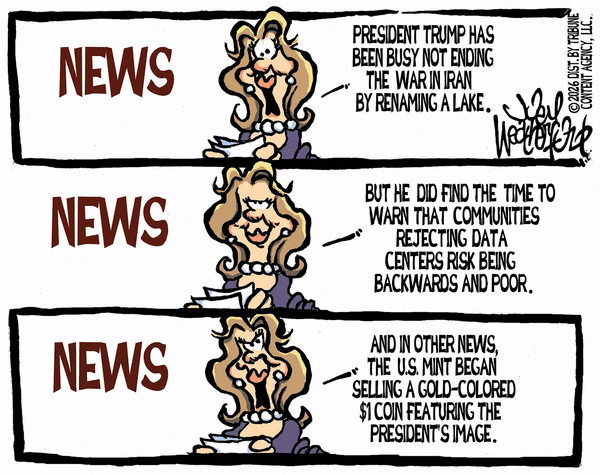
The News, The News, The News…

Saw this here.

Dinner and a Show: What Isnโ€™t Being Discussed after WHCA โ€˜Nerd Promโ€™

by Rayne | Apr 26, 2026 | MediaTrump 2.0 | 115 comments

[NB: check the byline, thanks. /~Rayne]

Thanks to a brouhaha at the White House Correspondentsโ€™ Associationโ€™s (WHCA) annual dinner, the media outlets in attendance are derailed and will feature the tumult prominently on their print front page or their home or splash page online.

They will demote discussions about other critically important news, and they will compromise themselves in the process because they will have become part of the news instead of reporting information of importance to the public.

Already demoted on Google Newsโ€™ headline page:

Notice how all the headlines on these stories โ€” likely published by media outlets with representatives at tonightโ€™s WHCA dinner โ€” make it sound as if Trump called off the negotiations with Iran.

Instead, Iranโ€™s representative left Pakistan before scary Victorian doll son-in-law Jared Kushner and real estate developer Steve Witkoff arrived on behalf of Trump.

The media wonโ€™t be discussing how much closer the Trump-caused global energy shock has become because Iran has no use for whatever Kushner and Witkoff were going to present โ€” or for them as negotiators having been burned by them before.

The same media outlets with WHCA members warming seats and kneepads this evening at the โ€œnerd promโ€ will deprecate coverage of the schism between Trump and the GOP Congressional Caucus and Ghislaine Maxwellโ€™s possible presidential pardon.

There will be less effort about the interesting timing of this story about Epsteinโ€™s groomer/fixer/partner:

Maxwell Sends Mystery USB to DOJ Days After Melania Bombshell

and the uptick in rumors regarding a pardon:

And certain media outlets are sure to fluff Trump by providing him with ample narcissistic supply (hello, now-Ellison-owned CNN and CBS) while others push Trumpโ€™s favorite talking points about needing a ballroom.

Never mind the same Secret Service that couldnโ€™t prevent tonightโ€™s altercation will also be on duty at the Versailles-like Hall of Mirrors Trump wants to contain his bloated narcissism.

Meanwhile, stories like the coverup of damage to US military positions and assets by Iran have already been knocked completely out of the way. This topic:

(snip-a bit MORE)