-gasp!- my copy of The Best of Assigned Male has arrived to our homestead in the middle of the forest! Although I knew since the beginning of this project with my editor that it would be several hundred pages, it never occurred to me that it would be so T H I C K! It’s just so pleasing to hold and peruse, it makes me so happy. Also, thank you to everyone who sent me pictures of the book spotted in the wild (a.k.a. bookstores), it really warms my cold and jaded heart. June 29, 2021


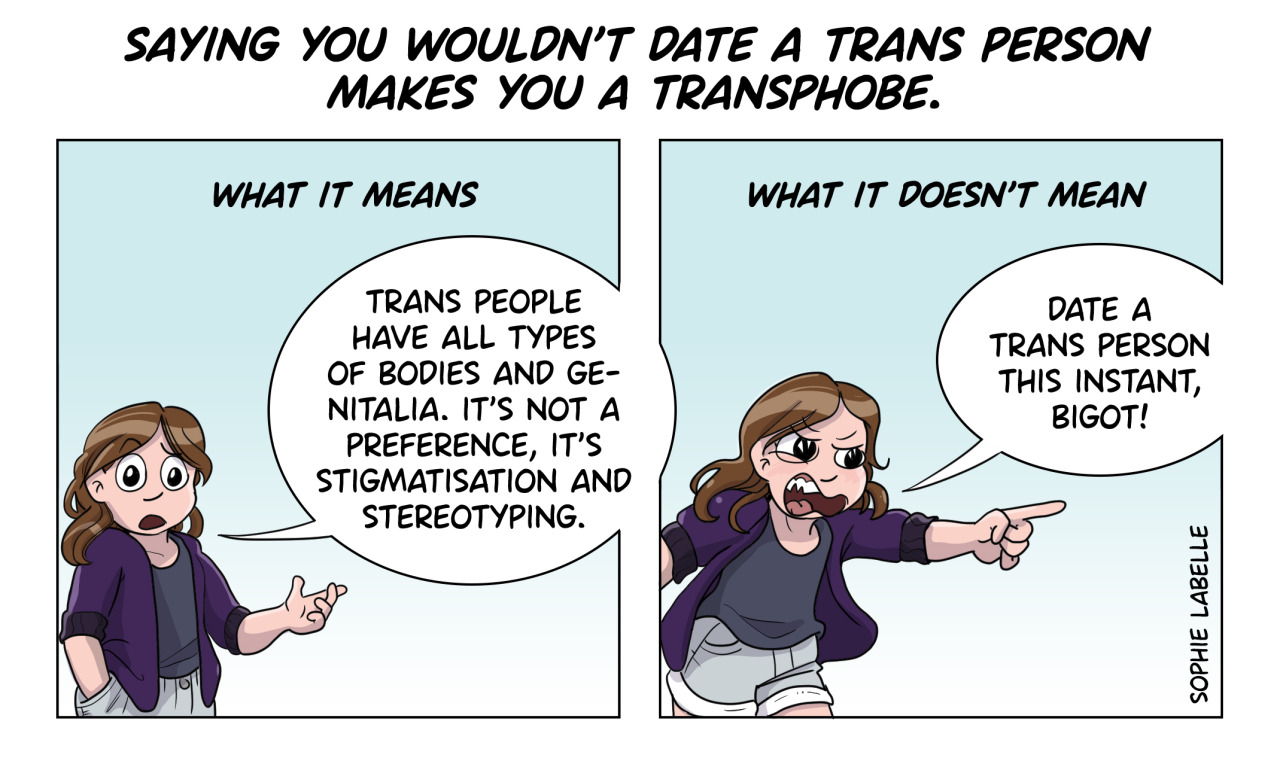
I follow a podcaster who has been Polly in the past. He did not mind other men having sex with his girlfriends as he has sex with other women. He always said it was because he had no interest in sex with men as he was straight and not gay. Then he fell in love with a trans woman. She had had top surgery and had not yet had bottom surgery. After they had been together for a while he admitted he sucked her dick to give her pleasure. He was reminded that he claimed he was straight and not gay. He replied he still felt he was a straight man because he was not having sex or a sex act with a man in his mind. To him he was still having sex with his girlfriend who happened to have a penis. He sometimes called it her lady dick. I am not sure I like the term lady dick as that in reality is the female clit as I understand it. But I agree with him that he is not gay because he has no wish for or could function in a same gender relationship with another man. Said simply he couldn’t wrap his mind around having sex with a fellow dude. I could have a relationship and sex with a trans woman who had top surgery as long as she still had her penis as that part is an important part of sex for me and my personal needs. A trans man who had no penis could be a wonderful person to know but wouldn’t excite me sexually as no penis so I really couldn’t be in a sexual relationship with them. If the trans man had completed bottom surgery I could then have a romantic sexual relationship with them. Either way a trans person is the gender they identify as regardless of reassignment surgery or point of transition. Hugs








 Today, a few days after receiving the news that my first novel is being reprinted, my second one is being launched! Welcome to the world, “Ciel in all directions”! I really can’t get used to that feeling.Many of you have already messaged me about sightings at your local bookstores and libraries and honestly, that makes me so overjoyed (keep them coming!!). It’s a sequel to the first one, and is filled with queer and trans drama about LGBTQIA+ youth groups and the Gender and Sexuality Alliance at Ciel and Stephie’s school. When it originally came out in French, a journalist was actually quite shocked that most of the characters aren’t cis and straight September 28, 2021