People are trying the Dutch practice of โ€˜duskingโ€™ to reduce anxiety and spark creativity

=====

The simple ritual of going outside to welcome nightfall can be extremely relaxing. Of course, this has been done since the dawn of time. However, the practice of โ€œduskingโ€ has recently regained popularity and has become a trend for people looking to boost their mental well-being. The Dutch have been doing this for ages. Inโ€ฆ

By Cecily Knobler


A person watches the sky as night falls.ย โ€“ย Photo credit:Canva

The simple ritual of going outside to welcome nightfall can be extremely relaxing. Of course, this has been done since the dawn of time. However, the practice of โ€œduskingโ€ has recently regained popularity and has become a trend for people looking to boost their mental well-being.

The Dutch have been doing this for ages. In the Netherlands, dusking is referred to as โ€œschemeren,โ€ which translates to โ€œbe dusky, to be in twilight.โ€ Itโ€™s the idea of letting the lights turn off while the starry night envelops the day. Watching the color of the sky subtly fade can do wonders for a busy mind.

In a piece for The Guardian, writer Rachel Dixon describes her time at the Dark Skies โ€œdusking eventโ€ in the United Kingdom in February 2026. โ€œThe darkening sky is faintly illuminated by a sharp sliver of crescent moon and the first stars. Bats are swooping in search of supper, an owl is softly hooting, and the dark outline of a ruined castle looms beyond the walls.โ€

She explains how this ritual has resurged, writing, โ€œThe custom had all but died out until it was revived by Dutch poet and author Marjolijn van Heemstra a few years ago. Now she is encouraging other countries to adopt dusking, running events in Ireland, Germany, and here in Yorkshire.โ€

Dixon shares that van Heemstra also spoke at the event she attended. โ€œDusking is about looking at one point and seeing it fade. Donโ€™t look around too much; focus. Trees are very good โ€“ they rise up for a moment and then fade away,โ€ van Heemstra eloquently said.

Not only is the concept beautiful, but it can also do wonders for anxiety and spark the imagination.
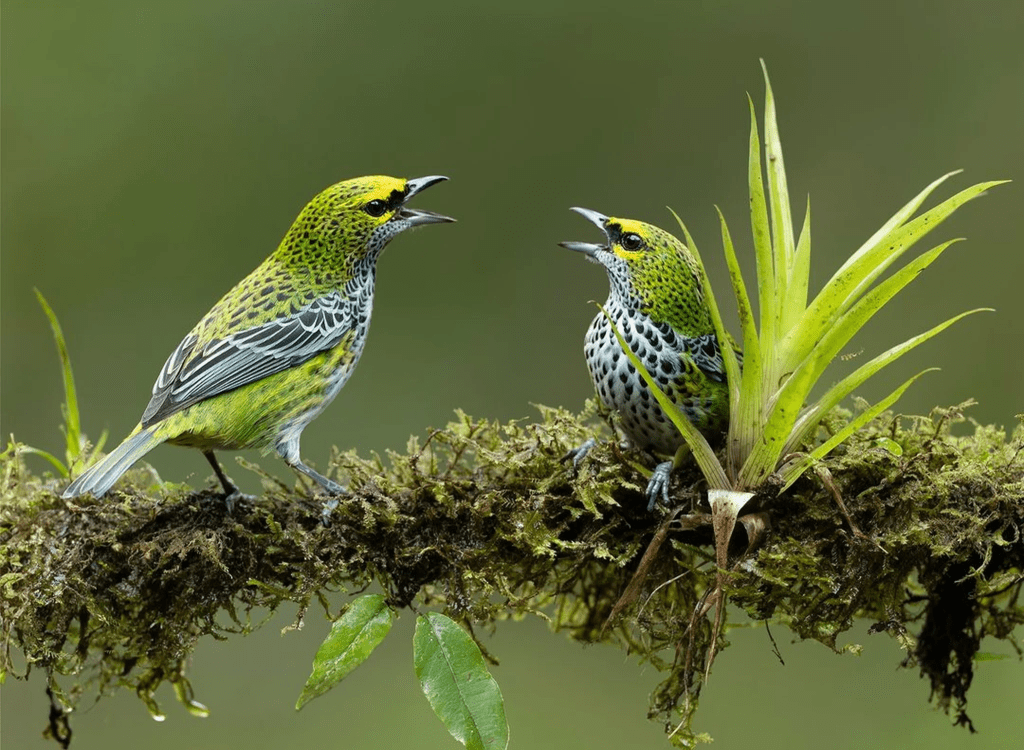
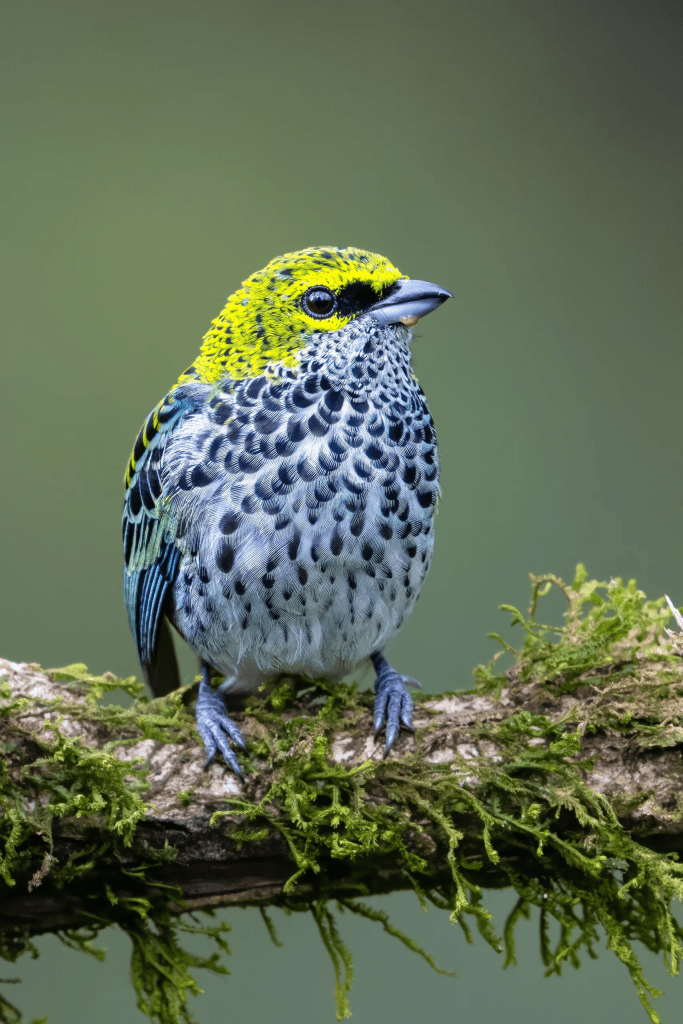
Speckled Tanager

Also Known As

  • Speckled Calliste
  • Yellow-browed Tanager
  • Tangara Pintoja (Spanish)
  • Tangara Moteada (Spanish)
  • Saรญra-pintada (Portuguese)

About

The Speckled Tanager is a preternaturally beautiful bird, even among the other stunning Central and South American tanagers of the family Thraupidae. The black speckles that give this species its name come from black feathers with brightly colored edges, giving the impression of scales over the birdโ€™s body. The edges blend together to create a palette of iridescent yellow-green and green-blue over the body of the bird.

Striking as these patterns and hues may be, they actually provide good camouflage for this bird up in the green, backlit forest canopies where it spends most of its time. The tanagerโ€™s speckles, like the spots on a jaguar or the camo pattern on a hunterโ€™s jacket, are a form of disruptive patterning, a camouflage strategy that breaks up or obscures an animalโ€™s outline, allowing it to blend with its background. Up among the bright green leaves, these birds can easily go unseen. Up close, however, their plumage is hard to ignore.

Threats

Birds around the world are declining, and many of them face urgent threats. The Speckled Tanager lives primarily in old-growth forest, and healthy populations depend on the persistence of forests throughout their range in Central and South America. Though not considered a species of conservation concern, this bird is declining, and deforestation is one likely cause. (snip-MORE)

https://abcbirds.org/birds/speckled-tanager/

This is our Tupac

Tupac was hurt and struggled to survive for so long with no home.ย  When Ron and I first met him and the other cat he was barely hanging on. I was getting up at 2 or 3 am and feeding them both them.ย  They were ravenous.ย  ย They got so little food they scarfed down what they could get.ย  The female was feral, but Tupac had been an inside cat and slowly moved into being inside.ย  During the hurricane Ian James got Tupac in and he stayed inside, but she did not.ย  We don’t know what happened to her, but Ron adopted Tupac then, renamed him and we paid for his vet bills. And both Ron and I let the neighborhood know he was now our cat and anything dealing with him needed to go through us.ย  The costs have been a lot, but he has filled out, he has been given back a chance at life, and he loves us so.ย  And even though I keep telling everyone he is Ron’s cat I am the one that dotes on him and who he snuggles with in the bed at night.ย  But make no mistake, Ron wanted him, Ron insisted, Ron named him, he is Ron’s cat.ย  Who just happens to lie purring quietly on my arm in the bed at night. But he still wakes up at between 3 and 4 and cries out to me for food.ย  ย You can guess what I do.ย  ย When I get back to bed Ron is he had been awakened will say , I would have done that if you wanted.ย  ย But he can sleep through Tupac’s cries for food and I cannot.ย  So I do it.ย  Hugs


Kindness comes in all sizes.

“Northern Emerald-Toucanet”

Also Known As: Tucanete Esmeralda (Spanish), Tucancillo Verde (Spanish)

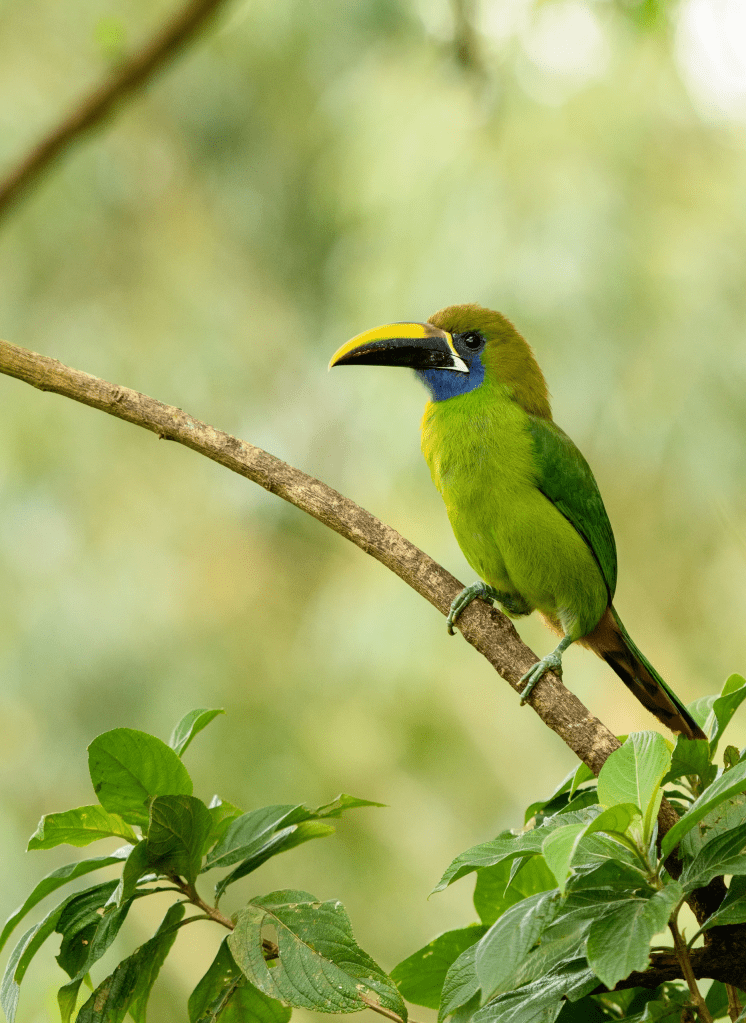
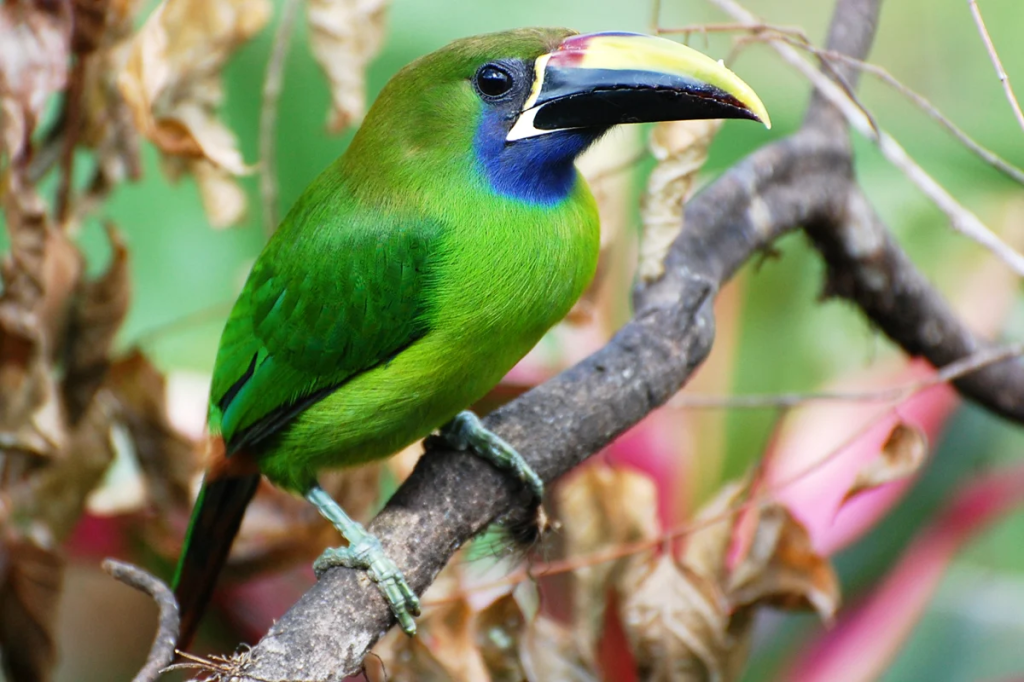
Aptly named for its striking green plumage, the Northern Emerald-Toucanet is actually quite camouflaged in the leafy forests where it makes its home. With its tropical take on countershading โ€” darker green on the back and wings, lighter yellow-green below โ€” this bird beautifully matches the color palette of forest leaves, whether seen from above or from below. With its accents of chestnut, blue, and white, and a large black and yellow bill, this pigeon-sized bird is a true beauty.

Similar to other toucans, Northern Emerald-Toucanets eat mostly fruit, capitalizing on the wide diversity of fruit-bearing trees in the humid forests of their home in Central America. These birds mostly swallow their food whole, including some larger-seeded fruits, which they repeatedly regurgitate and swallow until the flesh is consumed. Whether by regurgitation or defecation, these birds spread the seeds of their food trees throughout the forest. Many tropical trees have evolved to bear fruit specifically for this purpose, taking advantage of birdsโ€™ wings to spread their seeds far and wide. In fact, the process of moving through the digestive tract of an animal actually helps the seeds of many of these trees to germinate. In effect, these toucanets, along with a cohort of other fruit-eating birds and mammals, are gardeners of their own food forests. (snip)

Bird Gallery

The Northern Emerald-Toucanet is indeed a beautiful, vibrant green, top and bottom, with the back a deeper, darker hue and the underparts lighter and slightly yellowish. The long tail is iridescent blue and green, with a rusty or chestnut tip matched by the vent feathers beneath the tail. The eight subspecies across its geographic range vary in the coloration of the throat, either blue or white, and the bill. In all subspecies, the lower mandible is black. The upper mandible has some black as well, but may be almost entirely yellow. Some subspecies also have a reddish to brown patch near the nostrils.

To Begin Our Afternoon, Now

and go on about our day being peaceful, in order to bring about peace. (I have a dental appt. to finish what was begun a couple of weeks ago at that dental appt. I feel all pure-white-dovey inside.)

I Can’t Not Share This

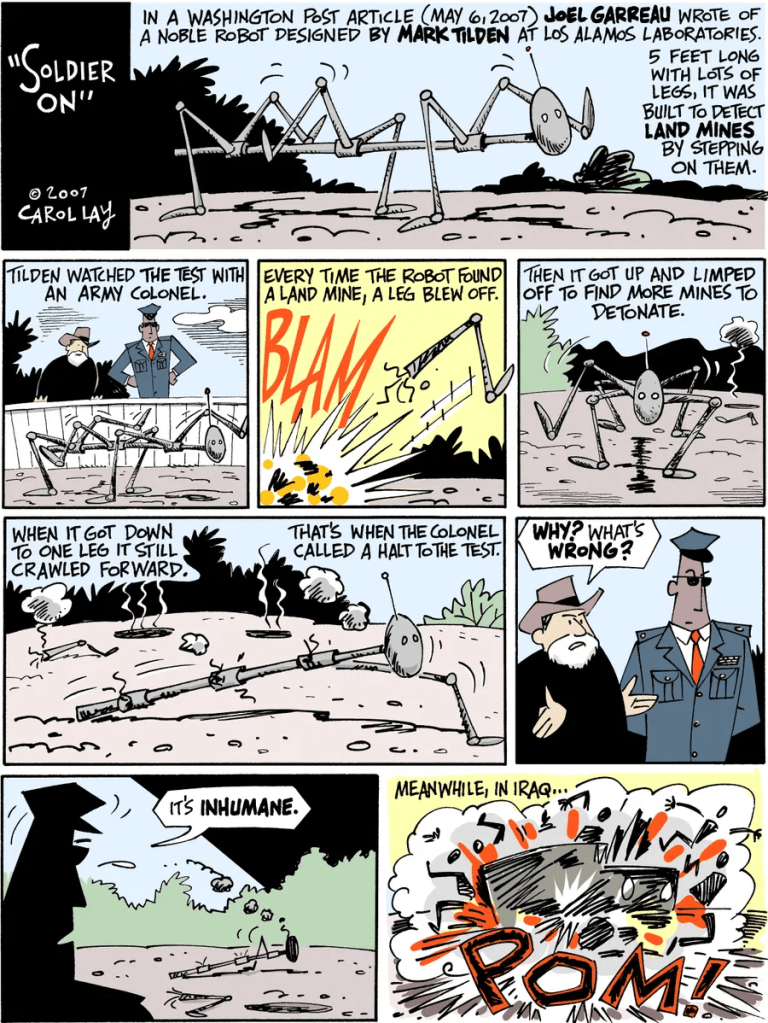
but you don’t have to read it. It’s nothing bad, but is very truthful. From 2007, but the locations, of course, are interchangeable.

https://www.gocomics.com/lay-lines/2026/03/02

Two From The Birds

They just keep on keepin’ on!

The Mountain Chickadee

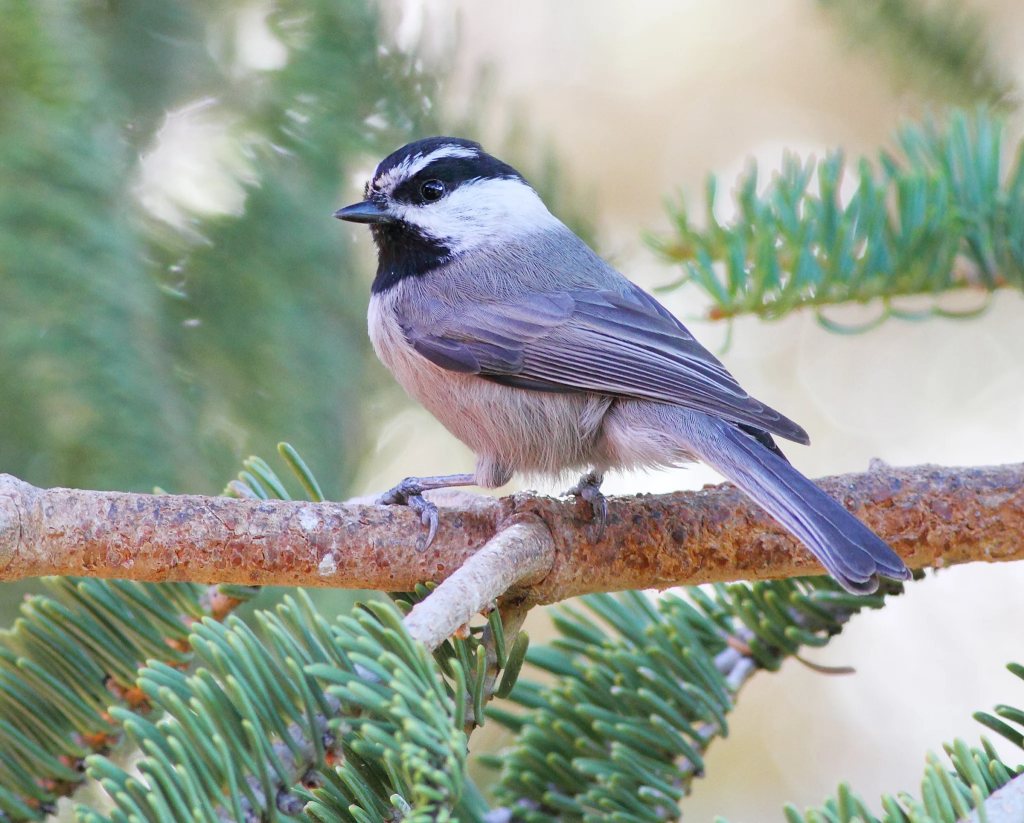
Any season of the year, the Mountain Chickadee is a delight to encounter. In their breeding season, they form neighborhoods of adjacent territories in the conifer forests of western Canada and the U.S., which ring in the early spring dawn with dozens of cheerful whistled songs. In winter, groups of Mountain Chickadees are joined by other birds โ€” nuthatches, woodpeckers, creepers, kinglets โ€” to form large dispersed flocks that move together through the forest, following the chickadeesโ€™ namesake rallying call.

Mountain Chickadees are social birds, living in groups of up to three mated pairs and juveniles of the last breeding cycle for most of the year, only breaking off into territorial pairs for the breeding season. In fact, while we tend to think of the breeding season as the time when mates are chosen and territories are established, most of this actually occurs in the winter. This is when the social hierarchy is solidified between the individuals in a group, and come spring, the dominant birds will reliably take the best territories. While boundaries may shift somewhat, the same birds will usually hold the same territories year after year. Pair bonds are formed during the winter as well, and usually last for as long as both birds survive.

Mountain Chickadees are well-known for their caching behavior. To survive harsh mountain winters, these chickadees hide surplus food throughout their winter territories, a behavior known as โ€œscatter hoarding.โ€ A single chickadee may cache tens of thousands of food items โ€” insects, conifer seeds, or goodies from bird feeders โ€” over the course of a year. They may cache food any time they have extra, and may recover caches any time of the year, but spend the most time caching in the fall, and the most time eating from them in the winter. In fact, studies have shown that Mountain Chickadees living in harsher winter environments have better spatial memory and are more adept at remembering where they have cached food. Unsurprisingly, these birds also survive longer. (snip-MORE)

=====

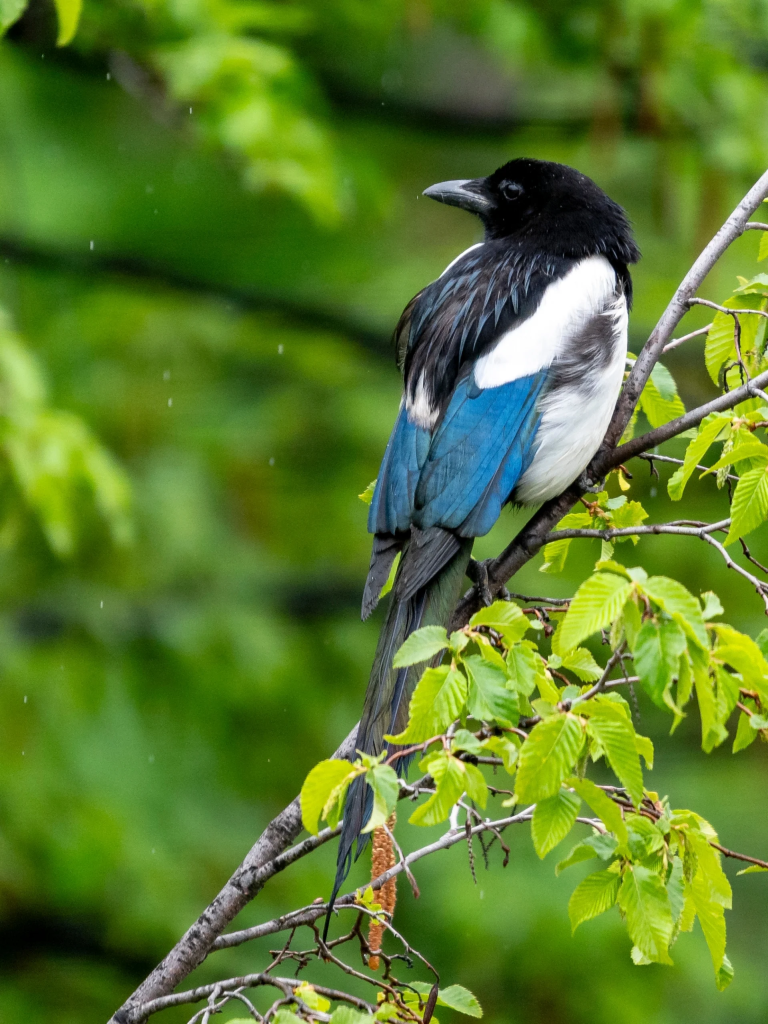
The Black-Billed Magpie

More than most, the Black-billed Magpie is a bird that inspires strong emotions in humans. A familiar species across much of the West, the Black-billed Magpie is intelligent, adaptable, and bold. For these attributes, they are both admired and loathed. While considered an annoyance or an inconvenience by some, they are also highly social and will occasionally leave โ€œgiftsโ€ for humans who feed them.

Like many other intelligent and opportunistic corvids, magpies will take advantage of whatever resources they can. As such, the Black-billed Magpie is probably best known as a scavenger of garbage, carrion, and poorly guarded picnics. This has given these birds a bad reputation, with many regarding them as pests. A common folk belief is that magpies will wound cows to eat their flesh or drink their blood. Magpies will, in fact, stand on the backs of cows to probe and peck. However, the goal is typically not to eat the cow itself, but the parasites on the cow, such as ticks, that are doing just that. Cows are not the only beneficiaries of this behavior โ€” magpies will eat ticks off of other large mammals, including bison, moose, elk, and deer.

The Black-billed Magpie holds a special place in mythology as well. Magpies are recognized as messengers in numerous Indigenous cultures of North America, sometimes to the aid of humans, sometimes to carry news to the Creator. One widespread story tells of how the magpie, for helping humans and birds alike, was given the honor of โ€œwearing the rainbowโ€ โ€” a reference to the iridescent sheen on this birdโ€™s wings and tail. (snip-MORE)

Some Comics

No particular reason, they simply strike me, so I’m sharing. Have some reading music, too.

https://www.gocomics.com/lards-world-peace-tips/2026/02/27

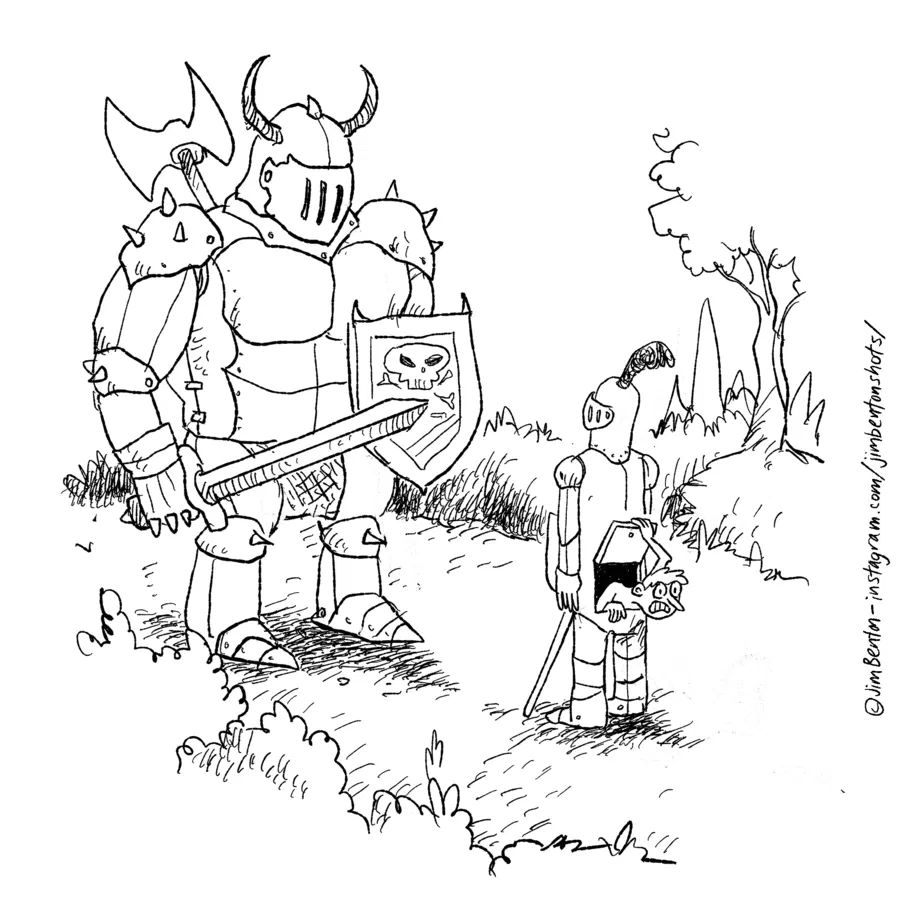
https://www.gocomics.com/jim-benton-cartoons/2026/02/27

https://www.gocomics.com/jerry-king-comics/2026/02/27

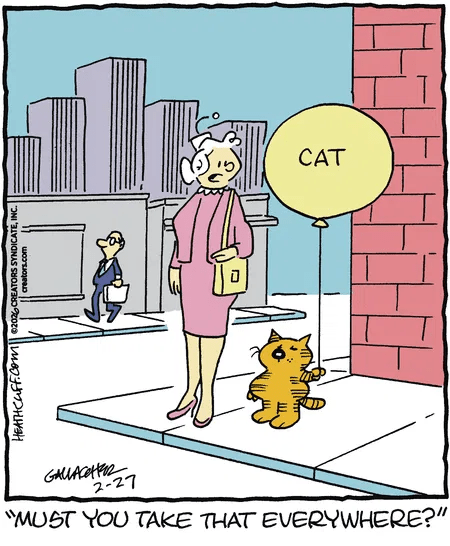
https://www.gocomics.com/heathcliff/2026/02/27

https://www.gocomics.com/freerange/2026/02/27

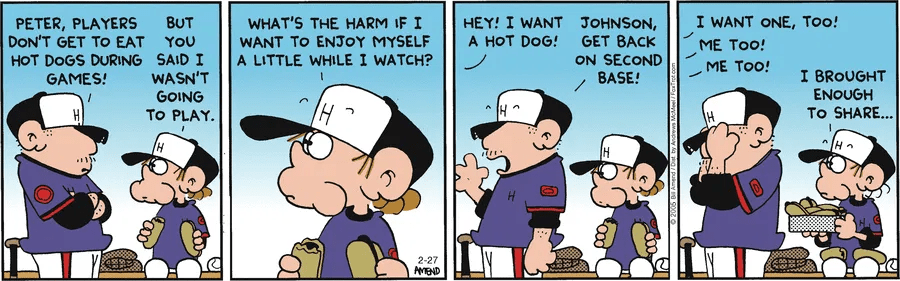
https://www.gocomics.com/foxtrotclassics/2026/02/27

https://www.gocomics.com/darksideofthehorse/2026/02/27

Enjoy your Friday, everybody!!

Good News From The Bee