Leonardo Garcia Venegas was detained by immigration agents while filming a raid on his worksite, despite having a REAL ID on him and telling the officers he was a citizen.
Reporting Highlights
Americans Detained: The government doesn’t track how many citizens are held by immigration agents. We found more than 170 cases this year where citizens were detained at raids and protests.
Held Incommunicado: More than 20 citizens have reported being held for over a day without being able to call their loved ones or a lawyer. In some cases their families couldn’t find them.
Cases Wilted: Agents have arrested about 130 Americans, including a dozen elected officials, for allegedly interfering with or assaulting officers, yet those cases were often dropped.
These highlights were written by the reporters and editors who worked on this story.
When the Supreme Court recently allowed immigration agents in the Los Angeles area to take race into consideration during sweeps, Justice Brett Kavanaugh said that citizens shouldn’t be concerned.
“If the officers learn that the individual they stopped is a U.S. citizen or otherwise lawfully in the United States,” Kavanaugh wrote, “they promptly let the individual go.”
About two dozen Americans have said they were held for more than a day without being able to phone lawyers or loved ones.
Videos of U.S. citizens being mistreated by immigration agents have filled social media feeds, but there is little clarity on the overall picture. The government does not track how often immigration agents hold Americans.
So ProPublica created its own count.
We compiled and reviewed every case we could find of agents holding citizens against their will, whether during immigration raids or protests. While the tally is almost certainly incomplete, we found more than 170 such incidents during the first nine months of President Donald Trump’s second administration.
Among the citizens detained are nearly 20 children, including two with cancer. That includes four who were held for weeks with their undocumented mother and without access to the family’s attorney until a congresswoman intervened.
Immigration agents do have authority to detain Americans in limited circumstances. Agents can hold people whom they reasonably suspect are in the country illegally. We found more than 50 Americans who were held after agents questioned their citizenship. They were almost all Latino.
Immigration agents also can arrest citizens who allegedly interfered with or assaulted officers. We compiled cases of about 130 Americans, including a dozen elected officials, accused of assaulting or impeding officers.
These cases have often wilted under scrutiny. In nearly 50 instances that we have identified so far, charges have never been filed or the cases were dismissed. Our count found a handful of citizens have pleaded guilty, mostly to misdemeanors.
Among the detentions in which allegations have not stuck, masked agents pointed a gun at, pepper sprayed and punched a young man who had filmed them searching for his relative. In another, agents knocked over and then tackled a 79-year-old car wash owner, pressing their knees into his neck and back. His lawyer said he was held for 12 hours and wasn’t given medical attention despite having broken ribs in the incident and having recently had heart surgery. In a third case, agents grabbed and handcuffed a woman on her way to work who was caught up in a chaotic raid on street vendors. In a complaint filed against the government, she described being held for more than two days, without being allowed to contact the outside world for much of that time. (The Supreme Court has ruled that two days is generally the longest federal officials can hold Americans without charges.)
George Retes, an American combat veteran, at the site of his arrest by immigration agents on California’s Central Coast. Retes was detained for three days without access to a lawyer and missed his daughter’s third birthday.
In response to questions from ProPublica, the Department of Homeland Security said agents do not racially profile or target Americans. “We don’t arrest US citizens for immigration enforcement,” wrote spokesperson Tricia McLaughlin.
A top immigration official recently acknowledged agents do consider someone’s looks. “How do they look compared to, say, you?” Border Patrol chief Gregory Bovino said to a white reporter in Chicago.
The White House told ProPublica that anyone who assaults federal immigration agents would be prosecuted. “Interfering with law enforcement and assaulting law enforcement is a crime and anyone, regardless of immigration status, will be held accountable,” said the Deputy Press Secretary Abigail Jackson. “Officers act heroically to enforce the law, arrest criminal illegal aliens, and protect American communities with the utmost professionalism.”
A spokesperson for Kavanaugh did not return an emailed request for comment.
An immigration raid on 79-year-old Rafie Ollah Shouhed’s car wash left him with broken ribs.Courtesy of Rafie Ollah Shouhed. Compiled by ProPublica.
Tallying the number of Americans detained by immigration agents is inherently messy and incomplete. The government has long ignored recommendations for it to track such cases, even as the U.S. has a history of detaining and even deporting citizens, including during the Obama administration and Trump’s first term.
We compiled cases by sifting through both English- and Spanish-language social media, lawsuits, court records and local media reports. We did not include arrests of protesters by local police or the National Guard. Nor did we count cases in which arrests were made at a later date after a judicial process. That included cases of some people charged with serious crimes, like throwing rocks or tossing a flare to start a fire.
Experts say that Americans appear to be getting picked up more now as a result of the government doing something that it hasn’t for decades: large-scale immigration sweeps across the country, often in communities that do not want them.
In earlier administrations, deportation agents used intelligence to target specific individuals, said Scott Shuchart, a top immigration official in the Biden, Obama and first Trump administrations. “The new idea is to use those resources unintelligently” — with officers targeting communities or workplaces where undocumented immigrants may be.
When federal officers roll through communities in the way the Supreme Court permitted, the constitutional rights of both citizens and noncitizens are inevitably violated, argued David Bier, the director of immigration studies at the libertarian Cato Institute. He recently analyzed how sweeps in Los Angeles have led to racial profiling. “If the government can grab someone because he’s a certain demographic group that’s correlated with some offense category, then they can do that in any context.”
Cody Wofsy, an attorney at the American Civil Liberties Union, put it even more starkly. “Any one of us could be next.”
The video Garcia Venegas made of an immigration raid on a construction site shows him walking away from the officer while trying to film and then stating that he’s a citizen before being detained.Courtesy of Garcia Venega
When Kavanaugh issued his opinion that immigration agents can consider race and other factors, the Supreme Court’s three liberal justices strongly dissented. They warned that citizens risked being “grabbed, thrown to the ground, and handcuffed simply because of their looks, their accents, and the fact they make a living by doing manual labor.”
Leonardo Garcia Venegas appears to have been just such a case. He was working at a construction site in coastal Alabama when he saw masked immigration agents from Homeland Security Investigations hop a fence and run by a “No trespassing” sign. Garcia Venegas recalled that they moved toward the Latino workers, ignoring the white and Black workers.
Garcia Venegas began filming after his undocumented brother asked agents for a warrant. In response, the footage shows, agents yanked his brother to the ground, shoving his face into wet concrete. Garcia Venegas kept filming until officers grabbed him too and knocked his phone to the ground.
Other co-workers filmed what happened next, as immigration agents twisted the 25-year-old’s arms. They repeatedly tried to take him to the ground while he yelled, “I’m a citizen!”
Officers pulled out his REAL ID, which Alabama only issues to those legally in the U.S. But the agents dismissed it as fake. Officers held Garcia Venegas handcuffed for more than an hour. His brother was later deported.
Leonardo Garcia Venegas told agents he was a citizen both times he was detained. His REAL ID was dismissed as a fake.
Garcia Venegas was so shaken that he took two weeks off of work. Soon after he returned, he was working alone inside a nearly built house listening to music on his headphones when he sensed someone watching him. A masked immigration agent was standing in the bedroom doorway.
This time, agents didn’t tackle him. But they again dismissed his REAL ID. And then they held him to check his citizenship. Garcia Venegas says agents also held two other workers who had legal status.
DHS did not respond to ProPublica’s questions about Garcia Venegas’ detentions, or to a federal lawsuit he filed last month. The agency has previously defended the agents’ conduct, saying he “physically got in between agents and the subject” during the first incident. The footage does not show that, and Garcia Venegas was never charged with obstruction or any other crime.
Garcia Venegas’ lawyers at the nonprofit Institute for Justice hope others may join his suit. After all, the reverberations of the immigration sweeps are being felt widely. Garcia Venegas said he knows of 15 more raids on nearby construction sites, and the industry along his portion of the Gulf Coast is struggling for lack of workers.
Kavanaugh’s assurances hold little weight for Garcia Venegas. He’s a U.S. citizen of Mexican descent, who speaks little English and works in construction. Even with his REAL ID and Social Security card in his wallet, Garcia Venegas worries that immigration agents will keep harassing him.
“If they decide they want to detain you,” he said. “You’re not going to get out of it.”
Men building a home in rural Baldwin County, Alabama. Garcia Venegas was detained by immigration agents twice while working on homes in the area.
George Retes was among the citizens arrested despite immigration agents appearing to know his legal status. He also disappeared into the system for days without being able to contact anyone on the outside.
The only clue Retes’ family had at first was a brief call he managed to make on his Apple Watch with his hands handcuffed behind his back. He quickly told his wife that “ICE” had arrested him during a massive raid and protest on the marijuana farm where he worked as a security guard.
Still, Retes’ family couldn’t find him. They called every law enforcement agency they could think of. No one gave them any answers.
Eventually, they spotted a TikTok video showing Retes driving to work and slowly trying to back up as he’s caught between agents and protestors. Through the tear gas and dust, his family recognized Retes’ car and the veteran decal on his window. The full video shows a man — Retes — splayed on the ground surrounded by agents.
George Retes’ family noticed his car in a compiled video posted to TikTok. This clip from that longer video shows his white vehicle surrounded by tear gas. Immigration agents later pinned him on the ground.nota.sra/TikTok
Retes’ family went to the farm, where local TV reporters were interviewing families who couldn’t find their loved ones.
“They broke his window, they pepper sprayed him, they grabbed him, threw him on the floor,” his sister told a reporter between sobs. “We don’t know what to do. We’re just asking to let my brother go. He didn’t do anything wrong. He’s a veteran, disabled citizen. It says it on his car.”
Retes was held for three days without being given an opportunity to make a call. His family only learned where he had been after his release. His leg had been cut from the broken glass, Retes told ProPublica, and lingering pepper spray burned his hands. He tried to soothe them by filling sandwich bags with water.
Retes recalled that agents knew he was a citizen. “They didn’t care.” He said one DHS official laughed at him, saying he shouldn’t have come to work that day. “They still sent me away to jail.” He added that cases like his show Kavanaugh was “wrong completely.”
DHS did not answer our questions about Retes. It did respond on X after Retes wrote an op-ed last month in the San Francisco Chronicle. An agency post asserted he was arrested for assault after he “became violent and refused to comply with law enforcement.” Yet Retes had been released without any charges. Indeed, he says he was never told why he was arrested.
Retes said that agents knew he was a citizen. “They didn’t care.”
The Department of Justice has encouraged agents to arrest anyone interfering with immigration operations, twiceordering law enforcement to prioritize cases of those suspected of obstructing, interfering with or assaulting immigration officials.
But the government’s claims in those cases have often not been borne out.
Daniel Montenegro was filming a raid at a Van Nuys, California, Home Depot with other day-laborer advocates this summer when, he told ProPublica, he was tackled by several officers who injured his back.
Bovino, the Border Patrol chief who oversaw the LA raids and has since taken similar operations to cities like Sacramento and Chicago, tweeted out the names and photos of Montenegro and three others, accusing them of using homemade tire spikes to disable vehicles.
“I had no idea where that story came from,” Montenegro told ProPublica. “I didn’t find out until we were released. People were like, ‘We saw you on Twitter and the news and you guys are terrorists, you were planning to slash tires.’ I never saw those spike tire-popper things.”
Officials have not charged Montenegro or the others with any crimes. (Bovino did not respond to a request for comment, while DHS defended him in a statement to ProPublica: “Chief Bovino’s success in getting the worst of the worst out of the country speaks for itself.”)
The government’s cases are sometimes so muddied that it’s unclear why agents actually arrested a citizen.
Andrea Velez was charged with assaulting an officer after she was accidentally dropped off for work during a raid on street vendors in downtown Los Angeles. She said in a federal complaint that officers repeatedly assumed she did not speak English. Federal officers later requested access to her phone in an attempt to prove she was colluding with another citizen arrested that day, who was charged with assault. She was one of the Americans held for more than two days.
DHS did not respond to our questions about Velez, but it has previously accused her of assaulting an officer. A federal judge has dismissed the charges.
Other citizens also said officers accused them of crimes and suddenly questioned their citizenship — including a man arrested after filming Border Patrol agents break a truck window, and a pregnant woman who tried to stop officers from taking her boyfriend.
“The often-inadequate guardrails that we have for state and local government — even those guardrails are nonexistent when you’re talking about federal overreach,” said Joanna Schwartz, a professor at UCLA School of Law.
More than 50 members of Congress have also written to the administration, demanding details about Americans who’ve been detained. One is Sen. Alex Padilla, a California Democrat. After trying to question Noem about detained citizens, federal agents grabbed Padilla, pulled him to the ground and handcuffed him. The department later defended the agents, saying they “acted appropriately.”
I can’t understand living just to hate and harm others who are not doing anything that harms you. To carry that bitterness and to work so hard to deny to others what you demand for yourself seems like poisoning one’s self. With so much to enjoy in diversity and inclusion why work so hard to create a homogeny of everyone being the same. Hugs
As the M4L annual summit kicks off this weekend, here’s how one of the group’s original chapters is sowing chaos and pushing anti-LGBTQ policies in Indian River County.
Mink Tyner says some people call her a “helicopter parent” because of how protective she is over her kids. Despite this, she wasn’t concerned about bringing her daughter, then 14, to the Indian River County, Florida, school board meeting in August 2023, where they were discussing changes to the state’s curriculum relating to race and slavery.
That’s why she was shocked when she saw community members at the podium reading excerpts of sexual content from books.
“I hate lights out now because my D has a mind of its own,” one woman read. Then a man came up and read, “When Doris had just turned 11, her current stepfather started having sex with her.” And a third person read, “He took a long long time peeling off my jeans and T-shirt, pink bra and panties, and a longer time stroking and kissing me.”
The meeting had turned into more of a stunt led by protestors affiliated with the local chapter of Moms for Liberty (M4L), a Southern Poverty Law Center-designated far-right extremist group.
“I’m not gonna have my kid in here listening to these adults doing this shit,” Tyner remembers thinking.
She took her daughter out of the room and pleaded with security to intervene, but they refused. So she spoke up to disrupt the meeting herself, only for security from the Sheriff’s office—who told Uncloseted Media their deputies responded “appropriately and in accordance with established procedures”—to escort her out.
As she was leaving, conservative pastor John Amanchukwu, who had attended the meeting with M4L, confronted her while recording a video that he would later post to X calling her “demonic” and lashing out about her being pro-LGBTQ: “You’re okay with DEI. … You’re okay with Pride Month. You’re okay with the rainbow flag. You’re okay with all that junk,” he yelled. Tyner responded by calling him a “fucking weirdo” and walked out.
That video opened a floodgate of harassment that tormented Tyner and her family for years: She received insults, accusations of pedophilia, and persistent threats of violence from a Facebook account displaying the name CURTIS COUSINS who called her a “fent-using fat fucking dyke” and told her she deserved to have “a potato peeler peel her clit right off to the bone.”
“I never know if this week or 10 years from now somebody’s gonna show up [to my business] based on some kind of misinformation that Moms for Liberty started about me [or] want to harm me and my family,” Tyner, who owns a tattoo shop, told Uncloseted Media.
Indian River County is home to one of the first of M4L’s 320 chapters nationwide. The group’s annual summit is this weekend and will feature a variety of politicians with anti-LGBTQ track records, including Oklahoma’s former state superintendent Ryan Walters, who made headlines for making anti-trans comments after the death of 16-year-old trans teen Nex Benedict. Last year, conservative heavyweights spoke at the event, including President Trump, Tulsi Gabbard and Sebastian Gorka.
Over the last four years, M4L have built a reputation for chaos and controversy. Members have made the news for quoting Hitler, stripping at a school board meeting and offering bounties to report teachers who teach about “critical race theory.”
At one point in Indian River County, close allies of M4L made up a majority of the school board where they pressured the district to ban scores of books, many of which contain LGBTQ themes, and reverse a racial equity policy—all while harassing, doxing and defaming their adversaries.
Maurice Cunningham, a retired professor of political science from the University of Massachusetts, says what’s playing out in Indian River County is a microcosm for so many other chapters across the country.
“[The media are] falling like suckers for this story that they’re a grassroots moms organization. They are not, they are connected to … the far right establishment,” he says. “And that’s become … more and more apparent. So this whole grassroots thing is hogwash.”
Beginnings
Moms for Liberty was founded in Florida in 2021 by three current and former school board members: Tiffany Justice, Tina Descovich and Bridget Ziegler, the latter of whom has since left the group after being involved in a sex scandal wherein her husband allegedly prowled local bars to solicit women for threesomes.
Shortly after M4L launched, Justice tapped Jennifer Pippin, who had made a name for herself for leading activism against COVID-19 restrictions, to lead the chapter for her home county, Indian River.
While the anti-mask circles that would later be folded into M4L always had a conservative lean, multiple county residents told Uncloseted Media that the group’s discriminatory views were not initially apparent.
Tyner, a lesbian who identifies as politically independent, actually felt welcomed by the group when she worked with them on their anti-mask mandate advocacy. However, that changed as M4L’s focus turned towards opposing LGBTQ inclusion measures in schools.
“Once they organized and got the appearance of a grassroots start … and many people in the community that were siding with them, it’s like they took the steering wheel and they just steered another direction,” she says.
When Tyner began speaking up against this rhetoric, she says she was blocked from the group’s Facebook pages. But as she continued to oppose them publicly, Justice offered to meet with her to address her concerns.
Over breakfast at a local cafe, Tyner says Justice gave her a “scripted” response in the hopes of winning back her support. She even invited Tyner to an M4L chapter meeting. However, Tyner declined as the meeting was allegedly to be hosted by a community member who had made an online post suggesting necrophilia and pedophilia are part of the LGBTQ umbrella.
“I was like, ‘Alright, this is not a good or a safe movement,” says Tyner.
Justice did not respond to a request for comment. In an email, Pippin told Uncloseted Media that M4L have “members and members children that are LGB in [their] chapter and across the country.”
Another local parent, who requested anonymity due to concerns about his job security, says while he’d initially been on board with M4L’s parental rights advocacy, he ran into conflict with the group when they started opposing the school district’s racial equity policies and tried to ban books with antiracist themes, including Ibram X. Kendi’s “Antiracist Baby”and “Stamped: Racism, Antiracism, and You.” Like Tyner, he says he was approached by Justice and Pippin to win him over again but was ultimately unconvinced.
After he split from M4L, he began publicly criticizing the group’s book bans. In retaliation, some M4L members accused him of supporting pedophiles.
When he reached out to Pippin to ask for the people making such accusations against him to be held accountable, he says she waved him off—all while blocking him on social media and accusing him of “bullying.” He also says that she doxed him after another dispute—a major factor in his decision to remain anonymous.
“Her response to me basically was ‘free speech,’ ‘we don’t control what our members say.’ And I’m like, ‘But Jennifer, you know me, and you know I’m not a pedophile, and this is unacceptable,’” he told Uncloseted Media.
Building Political Power
The Indian River County School District’s J.A. Thompson Administrative Center. Photo by Kiran891.
Efforts to ban LGBTQ and racial justice-related books in schools are part of M4L’s national ammo that helped them quickly explode in popularity.
Cunningham says M4L were boosted by high-profile connections on the right. Ziegler and Descovich both served as presidents of the Florida Coalition of School Board Members, a group billed as a conservative alternative to the Florida School Board Association. Ziegler’s husband, Christian, was vice chairman of Florida’s Republican Party at the time and worked as a media surrogate for the Trump campaign in 2016.
Since their launch, M4L have had their conferences and events sponsored by the Heritage Foundation and the Leadership Institute; were directly advised by Leadership Institute founder Morton Blackwell; and were a part of Project 2025’s advisory board. And this summer, Justice was hired as executive vice president of Heritage Action.
In 2022, the Indian River County chapter leveraged this influence to carve out power in local government: They got two close allies, Jacqueline Rosario and Dr. Gene Posca, elected to the school board, and they developed closerelationships with the Ron DeSantis-backed county sheriff Eric Flowers. Pippin was even appointed by Florida’s Department of Education to a statewide workgroup to develop compliance training for Florida’s classroom censorship policies, including the infamous “Don’t Say Gay” law.
As M4L became notorious for pushing exclusionary measures in schools, some officials—including school board member Peggy Jones—criticized the group. In retaliation, Jones reportedly received so many death threats that the district had to increase security detail at all school events where she was present.
In the midst of increasing chaos surrounding M4L, the group mounted a campaign of hundreds of requests to ban books containing “sexual content.”
While some librarians continued to hold the majority of books where bans were unsuccessful, M4L convinced Flowers to investigate one school library, alleging that keeping the books on the shelf could constitute a sex crime. While the investigation found that no crime had been committed, Flowers concluded that “we do not feel that this content is appropriate for young children,” putting even further pressure on local librarians.
Pippin at the school board meeting in August 2023. Photo via YouTube.
This kind of direct action proved very effective. Even the reading protest where Tyner was escorted out won them 34 additional book bans from a unanimous board vote.
“You can’t deny that the kind of tactics that they have have been useful,” Cunningham says. “Some of the places they’ve taken over, [including] Sarasota County, where Bridget Ziegler was on the board, became much more conservative over the past few years.”
Silencing Opposition
In addition to school board meetings, the group has a track record of trolling progressive events. Tyner and the anonymous parent remember an incident where a group of M4L members showed up to a local National Association for the Advancement of Colored People (NAACP) meeting that had been organized to discuss plans for opposition against new state regulations that required classes to portray slavery in a more positive light.Tyner says white M4L members attempted to shout down NAACP speakers, with one member allegedly using the n-word. Thomas Kenny, a M4L member who was at the event, said this “did not happen” and that one of their members using the n-word is “an absolute lie.”
Cunningham says these disruptions are part of M4L’s playbook. He pointed to the example of Jennifer Jenkins, the liberal school board member who unseated Tina Descovich in neighboring Brevard County, who says protestors spurred by M4L have turned up outside her home calling her a pedophile and burning “FU” in her lawn.
“They [use the] same kind of tactics … over and over again,” says Cunningham.
Pippin
Chapter leader Jennifer Pippin has mastered those tactics, becoming widely known as one of the most influential book banners in the country. She’s also made headlines for filing a complaint against the Kilted Mermaid, a Vero Beach wine bar, alleging that they had hosted an all-ages drag event with sexual content, which the bar owner denies. M4L rallied against the bar online, spamming the posts of one of the bar’s drag performers, telling the queen to “stay away from children.” This stunt caught the attention of Florida’s Attorney General James Uthmeier, who launched an investigation and issued subpoenas for video recordings of the bar on the day of the event as well as identifying documents for employees and performers.
Pippin has also claimed to be a nurse, despite no public records showing that she has a license, and appeared on the antisemitic and homophobic far-right news website TruNews, where she claimed, without evidence, that anti-M4L activists have been killing pets and livestock owned by the group’s members.
Fear
Tyner and the other anonymous parent both say that they’ve had to take a step back from the school board and local activism because of the toxic environment M4L have created.
“It’s been turned into such a circus,” Tyner says.
In the meantime, things have gotten worse for the LGBTQ community in Indian River County, and in Florida overall, between the “Don’t Say Gay” law and anti-LGBTQ legislation that requires teachers to deadname trans students unless they have signed parental permission slips. The anonymous parent says he’s watched many of the LGBTQ people in his life, including one of his own children, who is a teacher, leave the state due to the hostile environment.
“It’s not safe for a lot of people,” he says.
Greener Pastures?
Despite all of this, a sea change may be on the horizon. A 2024 Brookings report found that the success rates of M4L-endorsed candidates were on the decline, and in Indian River County’s elections last year, both of M4L’s school board candidates lost. With the continued controversies of the Trump administration and the growing popularity of groups that oppose M4L’s ideology, Cunningham feels the tide may be turning for M4L’s influence in Indian River County and across America.
“In school board races, the Moms for Liberty label is toxic, so try to not get attached to that,” he says. “They’ve had quite an impact … I don’t wanna downplay that. But in terms of popular appeal and growth, I think it’s much more limited than it is portrayed.”
Editor’s Note: In an email, Jennifer Pippin responded to the allegations made about her in this story. You can read them here.
If objective, nonpartisan, rigorous, LGBTQ-focused journalism is important to you, please consider making a tax-deductible donation through our fiscal sponsor, Resource Impact, by clicking this button:
The suit alleges the new state law unconstitutionally silences the viewpoints of students and teachers. The law’s supporters say DEI programs use public funds to promote political agendas.
The ACLU and a group of LGBTQ+ and student rights organizations are suing Texas to block the state’s ban on diversity, equity and inclusion initiatives in K-12 public schools. Ilana Panich-Linsman for The Texas Tribune
The American Civil Liberties Union of Texas and a group of LGBTQ+ and student rights organizations are suing to block a new state law that would ban diversity, equity and inclusion initiatives in K-12 public schools.
In a lawsuit filed last month in federal court, attorneys from the ACLU of Texas and Transgender Law Center argued that Senate Bill 12 violates the First and Fourteenth Amendments as well as the Equal Access Act. Gov. Greg Abbott signed the legislation last June, and it will go into effect Sept. 1 alongside an array of other transformative laws for public education in Texas.
“Senate Bill 12 is a blatant attempt to erase students’ identities and silence the stories that make Texas strong,” said Brian Klosterboer, senior staff attorney at the ACLU of Texas. “Every student — no matter their race, gender, or background — deserves to feel seen, safe, and supported in school.”
Supporters of SB 12 say DEI programs use class time and public funds to promote political agendas, while opponents believe banning those initiatives will disproportionately harm marginalized students by removing spaces where they can find support.
Here’s what you need to know about the effort to block the law.
What the ban would do: Authored by Sen. Brandon Creighton, R-Conroe, SB 12 prohibits public school districts from considering race, ethnicity, gender identity or sexual orientation in hiring decisions. The ban also bars schools from offering DEI training and programs, such as policies designed to reduce discrimination based on race or gender identity, except for when required by federal law.
The law requires families to give written permission before their children can join any school club, and prohibits school groups created to support LGBTQIA+ students. Parents will be able to file complaints if they believe their schools are not complying with the DEI ban, and the law requires school districts to discipline employees who knowingly take part in DEI-related activities.
Rep. Jeff Leach, R-Allen, said SB 12 builds on a 2021 state law barring public schools from teaching critical race theory, an academic discipline that explores how race and racism have influenced the country’s legal and institutional systems. While critical race theory is not taught in Texas public schools, the term has become a shorthand used by conservatives who believe the way some schools teach children about race is politically biased.
DEI advocates say initiatives that promote diversity provide support for marginalized communities in workforce development and higher education, while critics say DEI practices give preference to people based on their race and ethnicity rather than on merit.
What the lawsuit says: Attorneys from the ACLU and the Transgender Law Center are suing Texas Education Agency Commissioner Mike Morath and three school districts on behalf of a teacher, a student and her parent. They’re also representing the Genders & Sexualities Alliance Network and Students Engaged in Advancing Texas, two organizations that say they would be harmed by the ban. The ACLU amended the complaint in September, adding as plaintiffs the Texas American Federation of Teachers, another student and his parent.
The suit calls SB 12 an “overzealous” attempt to ban DEI in public schools and argues that it censors constitutionally protected speech and restricts students’ freedom of association. It’s also vague and overly broad, the suit says.
“S.B. 12 seeks to erase students’ identities and make it impossible for teachers, parents, and volunteers to tell the truth about the history and diversity of our state,” said Cameron Samuels, executive director at Students Engaged in Advancing Texas. “The law also guts vital support systems for Black, Brown, Indigenous, Asian, and LGBTQIA+ students and educators.”
As part of the lawsuit, the Genders & Sexualities Alliance Network claims SB 12 singles out the organization by explicitly restricting student clubs based on “sexual orientation or gender identity,” language the group uses to describe the student organizations it sponsors at schools. That restriction harms the freedom of speech of the group and its members, the suit says. The Genders & Sexualities Alliance Network has chapters in Texas at more than a dozen school districts, according to the filing.
Lawsuits against similar laws have had mixed results in the past.
Because of SB 12’s ban on discussions of sexual orientation and gender identity in classrooms, opponents have compared it to Florida’s “don’t say gay” law, which attracted widespread media attention in 2022 due to its far-reaching impacts in public schools. Civil rights lawyers sued to block it, saying the law violated free speech and the Fourteenth Amendment’s equal protection clause. But a federal judge dismissed the case and said the plaintiffs had no legal standing and had failed to prove harm from the law. The attorneys ultimately agreed to a settlement with Florida education officials that clarified the law to allow discussions of sexual orientation and gender identity in classrooms only if it’s not part of instruction.
The Texas Education Agency did not immediately respond to a request for comment.
The broader push against DEI:The DEI ban on K-12 schools comes two years after the Texas Legislature passed a similar ban for the state’s higher education institutions. Senate Bill 17 requires public universities to close their diversity offices, ban DEI training and restrict hiring departments from asking for diversity statements, or essays in which a job candidate expresses their commitment to promoting diversity in the workplace.
Creighton, who also authored that bill, has warned higher education leaders that they could lose millions of dollars in state funding if they fail to comply with the law. Earlier this year, Abbott threatened Texas A&M University President Mark Welsh III’s job after claims spread online that Texas A&M was sending students and staffers to a conference that limited participation to people who are Black, Hispanic or Native American.
At the national level, President Donald Trump has ordered all federal agencies to end “equity-related” practices and asked contractors to certify they do not promote DEI efforts. Trump also told schools and universities they would lose federal money if they do not eliminate diversity practices.
Over the last five years, Texas and other Republican-led states have also taken other steps to abolish and ban DEI efforts in public education and the workforce. Similar to Trump, Abbott issued an executive order in January mandating that Texas agencies end all forms of DEI practices.
“We must always reject race-based favoritism or discrimination and allow people to advance based on talent and merit,” Abbott said.
Disclosure: ACLU Texas and Texas A&M University have been financial supporters of The Texas Tribune, a nonprofit, nonpartisan news organization that is funded in part by donations from members, foundations and corporate sponsors. Financial supporters play no role in the Tribune’s journalism. Find a complete list of them here.
“Hey hey, ho ho, Donald Trump has got to go,” protestors chanted in the middle of Times Square, among a sea of signs that read “love reigns not kings,” “gays against faux-king Trump,” “we stand with … our trans family” and “the future is coming.”
On Saturday, independent analysts estimated that the No Kings March drew between 5 and 8 million people, and organizers say over 7 million people attended 2,700 events across all 50 states. The event, which was organized to push against the rise of authoritarianism in the U.S., was the largest single-day protest in America since 1970.
Over 100,000 New Yorkers marched in all five boroughs in NYC on Saturday. Photo by Jelinda Montes.
Among the crowd were countless LGBTQ people, fighting back against an administration that has introduced a litany of anti-LGBTQ executive orders and used vile rhetoric to denigrate queer people. This backsliding of LGBTQ rights, according to experts, has a deep connection to authoritarianism, with research showing that when governments weaken protections for queer and trans people, they often turn to broader democratic institutions next.
“Threats to democratic institutions and threats to LGBTQ rights are mutually reinforcing, generating a vicious cycle that strengthens authoritarian control,” Ari Shaw, director of International Programs at the Williams Institute, told Uncloseted Media. “Increased persecution of minority groups, including LGBTI people, is itself evidence of democratic backsliding by indicating the erosion of liberal democratic norms [meant to protect] minority rights.”
Legal Abuse of Power
One of the ways the Trump administration’s abuse of power has been most evident is through its legal actions.
He’s also slashed HIV funding at a staggering rate. Uncloseted Media estimates that the National Institutes of Health has terminated more than $1 billion worth of grants to HIV-related research, including 71% of all global HIV grants.
Jeffrey Cipriano at the NYC No Kings protest Saturday. Photo by Jelinda Montes.
It was these cuts that prompted Brooklynite Jeffrey Cipriano to turn out to protest. “The specific reason that I’m protesting is actually on the shirt I’m wearing,” says Cipriano.
“My best friend works for an organization called AIDS United. … His job is to travel the country and help people get AIDS medication, specifically trans and unhoused community members. But his job is at risk,” he says. “The end outcome of his work is that people who have issues in their lives have the issues resolved and that’s going away under the current administration.”
Executive orders are based on powers granted to the president by the U.S. Constitution or by Congressional statutes. The president cannot use an executive order to create new laws or spend money unless Congress has authorized it. They are meant to direct how existing laws are implemented. But Trump has ignored democratic norms, often filling agencies with loyal supporters, using orders to go after political opponents and pushing the limits of what the law allows.
In some cases, he has moved illegally. “The President is directing various executive branch officials to adopt policy that has either not yet been adopted by Congress or is in violation of existing statutory law,” says Jodi Short, professor of law at UC Law San Francisco. “The analogy to a king and what has troubled many about this presidency is the sheer consolidation of executive branch power in one individual.”
Short’s colleague, Dave Owen, agrees. “Illegality has been rampant,” he told Uncloseted Media in an email. “People are often cynical about the government, and they might think what Trump’s doing is nothing new. But most of the time, the executive branch takes the law seriously, and both legal constraints and norms of good governance matter,” he wrote. He says that through history, there’s been “a lot more integrity and a lot less lawlessness than most people realize.”
“This administration has broken with those traditions,” he adds.
Revolt Against Executive Orders
Many Americans have recognized this. A survey from April found that 85% of Americans agreed or strongly agreed that the president should obey federal court rulings even if he doesn’t like them.
In response to Trump’s overreach, more than 460 legal challenges have been filed across the country challenging his executive actions. One of these is a federal lawsuit by Lambda Legal and the Human Rights Campaign Foundation that challenges the constitutionality of the Trump administration’s ban on military service by transgender people. Another lawsuit challenges Trump’s order directing federal agencies to withhold funds from medical providers and institutions that provide gender-affirming medical treatments for people under 19.
Zoe Boik and her father, Derik, protesting on Saturday. Photo by Sean Robinson.
Both of those lawsuits are one reason 17-year-old Zoe Boik came out to protest with her friends and her dad. “Obviously, I’m disappointed and kind of helpless because there’s nothing I can directly do to change or impact anything that’s going on,” says Boik, who identifies as pansexual and gender fluid and is not legally allowed to vote.
Boik—who was seven years old when Trump announced his run for presidency in 2015—says she’s doing a research paper on Trump’s trans military ban and is frustrated because she sees it as inexplicable discrimination. “They’re not letting trans people serve … which doesn’t make any sense.”
Zoe as a child with her dad, Derik. Photo courtesy of Boik.
LGBTQ Rights and Democratic Backsliding
This type of blatant discrimination is often a key sign of a country moving closer to authoritarianism and away from democracy. According to a 2023 research paper by Shaw and his colleagues, anti-LGBTQ stigma may contribute “to the erosion of democratic norms and institutions.”
The paper found that when a country with relatively high acceptance of LGBTQ rights introduces anti-LGBTQ legislation, it clashes with what most people believe and can weaken public trust in democracy, deepen political divides and make it easier for populist or extremist movements to gain power.
“The level of acceptance of LGBTQ people is closely associated with the strength of democracy in a country,” Shaw says. “In some cases, we even saw that rising anti-LGBTQ rhetoric or policies preceded a broader decline in democracy.”
In Brazil, for example, early democratic gains coincided with rising LGBTQ acceptance, including legal recognition of same-sex unions and workplace protections. But as populist President Jair Bolsonaro came into power in 2019, he began questioning—without evidence—the security of Brazil’s voting systems, saying he would only lose his re-election campaign if there were fraud. He was also accused of trying to intervene in operations held by the Federal Police about the alleged criminal conduct of his sons, and he told his ministers that he had the power and he would interfere—without exception—in all cabinet ministries. At the same time, LGBTQ protections were rolled back, and schools and civil society faced censorship, suggesting that falling LGBTQ acceptance may have “preceded Brazil’s democratic erosion,” according to Shaw’s paper. In September of this year, Bolsonaro was sentenced to 27 years in prison for plotting a military coup.
Another example is Poland’s democracy weakening since 2015 under the Law and Justice Party, which consolidated power by undermining the Constitutional Tribunal, installing loyal judges and restricting independent media. Anti-LGBTQ rhetoric became central to the party’s nationalist platform, fueling the creation of nearly 100 “LGBT ideology free zones,” inciting violence against LGBTQ individuals and stymying legal recourse through politicized courts.
When it comes to LGBTQ rights, Trump has mimicked the moves of these leaders even though most of his constituents don’t want it: A 2022 survey from the Public Religion Research Institute found that 80% of Americans favor laws that would protect LGBTQ people against discrimination.
“The definition of an authoritarian system is a system where power is consolidated in one individual whose power is unchecked by any other institution. And I fear that in certain domains, that’s the direction in which this administration is trying to move us,” says Short. “I think it’s incredibly dangerous.”
Attacks on Higher Education
Another common tool in the authoritarian playbook is attacking higher education.
While many universities are rejecting Trump’s demands, others are experiencing a chilling effect, changing their policies before the administration tries to hold up funds.
James Revson, Maddy Everlith and Shay Wingate holding their signs at the No Kings protest. Photo by Jelinda Montes.
“I’m here because I’m angry and I feel that we aren’t angry enough,” Maddy Everlith, a sophomore gender studies major at Pace University, told Uncloseted Media as she marched with her friends. “Being a woman of color in America and having so many intersectional identities is also what affects me. … I want to stand up and advocate for other people.”
Everlith’s university responded to Trump’s threats in September by renaming its DEI office to the “Division of Opportunity and Institutional Excellence.”
“I am beyond horrified how quickly our university was willing to bend the knee on this decision,” Austin Chappelle, a senior at Pace, told the student newspaper. This change comes in the midst of uncertainty under the Trump administration, which has already caused many LGBTQ students to feel uneasy on campus.
“It’s part of an electoral strategy to try to mobilize right-wing voters to distract from other sorts of political or economic scandals,” Shaw says, adding that this tactic is another way to gain power.
Lars Kindem protesting for his trans sister at the No Kings protest. Photo by Sean Robinson.
The pain of this rhetoric has affected millions of trans Americans and allies alike, including Lars Kindem, a 64-year-old retired pilot from Minnesota who was marching to support his transgender sister.
“What Trump has done is he’s taken people that haven’t done anything wrong and has turned them into scapegoats,” he says, adding that Trump’s language is “hateful, petty, mean and hurtful.”
He says his sister and her partner are having issues getting the correct gender markers issued on their passports. Because of the Trump administration’s treatment of the community, they are making plans to move to Denmark, where “there’s a lot more acceptance.”
Christian Nationalism
This scapegoating has played into the hands of Trump’s voter base of white evangelical Protestants, the only major Christian denomination in the U.S. in which a majority believes society has gone too far in accepting transgender people.
Since 2020, Trump has increasingly embraced Christian nationalism in his rhetoric and imagery. He’s sold Bibles, created a federal task force on anti-Christian bias and been intrinsically linked to Project 2025, the 920-page plan calling for the establishment of a government imbued with “biblical principles” and run by a president who holds sweeping executive powers.
Experts say that “a strong authoritarian streak” runs through conservative Christianity. A 2023 study found that supporters of Christian nationalism tend to support obedience to authority and the idea of authoritarian leaders who are willing to break the rules. Nearly half of Christian nationalists support the notion of an authoritarian leader.
“They are trying to use the language of Christianity, but they are abusing it and misusing it constantly,” Rev. Chris Shelton, a gay pastor at the protest, told Uncloseted Media. “Our faith is all about reaching out to the marginalized, reaching out to the people who are ostracized by society and embracing them and offering love and welcome and a sense of dignity and worth. And to see any human being’s worth being denied is just a mockery of our faith.”
Rev. Chris Shelton marched in Saturday’s NYC protest. Photo by Sean Robinson.
Heidi Beirich, the vice president and co-founder of the Global Project Against Hate and Extremism, says that “the LGBTQ community is the prime target of modern authoritarian regimes.”
“For Christian nationalists, attacking LGBTQ rights is the first pillar in destroying civil rights for all. This has happened in countries like Hungary and Poland as authoritarianism consolidated and now it’s happening here,” Beirich told Uncloseted Media.
Moving Forward
As the country bleeds toward authoritarianism, LGBTQ protestors are encouraging people to use their voice, something the queer community is familiar with doing: One 2012 survey found that queer folks are 20 times more likely to be active in liberal social movements than their straight, cis counterparts.
“It is imperative that people continue to pay attention,” Short says. “There is so much going on, a lot of it is disturbing and intense, and there’s such a strong impulse to look away. But we have to engage in political action and resist inappropriate assertions of authority and continue to show up and vote for our democracy.”
17-year-old Zoe Boik is ready. She remembers being in second grade and crying the day after Trump won his first election in 2016. She couldn’t believe how he could lead the country despite “all the bad things he said.”
Boik can’t wait until the midterm elections, when she will be 18 and finally able to vote. “If we don’t vote, then our voices won’t be heard,” she says.
Despite this, she’s also concerned about her freedom to exercise that right being jeopardized.
“My fears about Trump don’t stem specifically from me being queer, but from his authoritarianism as a whole,” she says. “I am scared about how far he will move into dictatorship, [and] my biggest fear is that our right to vote will be compromised, leaving us no recourse.”
If objective, nonpartisan, rigorous, LGBTQ-focused journalism is important to you, please consider making a tax-deductible donation through our fiscal sponsor, Resource Impact, by clicking this button:
An Uncloseted Media investigation finds that Alberta’s government is using many of the same tactics that were used to pass anti-LGBTQ bills in the Deep South.
Jay, a 24-year-old trans man who immigrated from East Africa to Canada in 2016, used to think of Canada as a safe place for queer people. But with Alberta—arguably Canada’s most conservative province—attempting to pass the country’s first gender-affirming care ban, he doesn’t feel this way anymore. “It’s really heartbreaking as a person who, back home, would not be able to live the way that I do, seeing the same rights being stripped away from folks here,” says Jay, who asked to go by first name because he’s not out to everyone in his life.
Since September, when Alberta’s anti-trans sports ban and pronoun policy officially went into effect, Jay has felt his province’s values inch closer to those of the U.S.
“I’m constantly thinking maybe I should leave this province. It’s not very safe for me here,” he told Uncloseted Media. “It’s starting to feel like a foreign place.”
Alberta’s anti-trans policy push started making headlines last year. On Dec. 3, 2024, more than 80 Albertan politicians assembled in the province’s capital, Edmonton, to debate the Health Statutes Amendment Act, also known as Bill 26. The act—which is likely to go into effect—would impose the strictest ban on gender-affirming care for minors that Canada has ever seen.
Conservative Adriana LaGrange, who in 2019 introduced an amended act that made it legal for parents to be notified if their child joins a gay-straight alliance, sponsored the bill. During the assembly, LaGrange told her colleagues a ban “would preserve choice so that [minors] can make adult decisions in the future,” and that while “Albertans know that our government is committed to safeguarding individuals’ rights … there are times when public health measures must be taken to keep our communities safe.”
As the legislative debate continued, Sarah Hoffman, a member of the Legislative Assembly for the New Democratic Party (NDP), accused Alberta Premier Danielle Smith and those closest to her of “playing political games that will have potentially deadly consequences for teens.” And Peggy Wright, another member of the NDP, referenced American trans kids whose lives have been upended from similar state bans: “Kids in the United States shouldn’t have to travel away from home to get the health care that they deserve, and neither should the kids that I know that are already thinking about what it is that they’re going to do once this [Canadian] legislation is passed. … As a mom, as a grandma, I am asking that every single person in this House think about those kids in your life. What kind of a future do you want for them?”
Alberta Legislature, facing the front entrance. Photo by Daryl Mitchell.
After this assembly, Alberta’s plans for the ban were stalled when families of transgender children and LGBTQ groups took legal action against the province. But on Nov. 17, Premier Smith announced her government will attempt to nullify this litigation and enact the ban by using a constitutional provision called the notwithstanding clause. If it goes through, this clause—which was used inAlberta in 2000 to push through legislation opposing gay marriage—will override efforts to stop the ban for up to five years.
“I’m not aware, and I have looked into it, of any other constitutional democracy in the world that has a similar provision,” says Bennett Jensen, director of legal at Egale Canada, one of the groups that pursued legal action against Alberta.
“[Smith] has been following in the steps of some of the worst actions of lawmakers in the United States,” he says. “It’s really important, especially for Americans, to understand that with the exception of the pronoun component of this, all these other laws are new in Canada. No government has ever acted to ban gender-affirming care for minors before.”
Following in Alabama’s Footsteps
Jensen sees a connection between Alberta’s anti-trans policy and that of the United States, where the American Civil Liberties Union (ACLU) is tracking over 600 anti-LGBTQ bills. He points to the provincial government’s citation of an Alabama ban, known as the Vulnerable Child Compassion and Protection Act, that prohibits the prescription of hormones and puberty blockers for minors, as well as gender-affirming surgeries. This legislation also establishes criminal penalties for doctors who violate the ban and requires parents to be notified if their child wishes to change their name or pronouns in school.
The Alberta government submitted an affidavit to the provincial court citing Alabama’s ban. This included the Alabama bill as well as a written statement by Clay Crenshaw, the state’s chief deputy attorney general.
Crenshaw spent nearly $1 million to defend the Alabama ban and told legislators he hired “lawyers from the Cooper & Kirk law firm up in D.C. to help [them] with the transgender litigation.” This law firm is known for legislating against LGBTQ rights and led the defense when Californians challenged their state’s decision to prohibit same-sex marriage.
Alberta’s ban mirrors Alabama’s in that it prohibits surgeries, puberty blockers and hormone replacement therapy for minors, though—unlike Alabama—they would allow youth who are already receiving gender-affirming care to continue receiving it.
“[The Alberta government] relied on information from the government of Alabama in the context of its ban on gender-affirming care,” says Jensen. “So the government seems to be deeply informed by the actions of American lawmakers, and that is deeply troubling.”
A Shared Expert Witness
Alberta also hired James Cantor, one of the expert witnesses that Alabama used to push its ban through. Cantor is a Canadian psychologist who has acted as an expert witness in dozens of U.S. cases on trans issues. He was first hired in 2021 by the Southern Poverty Law Center-designated anti-LGBTQ hate group Alliance Defending Freedom. The Christian legal group has advocated for laws banning sodomy, has helped overturn Roe v. Wade, and is currently arguing the Supreme Court to overturn Colorado’s conversion therapy ban.
In a 2024 interview, Cantor told Uncloseted Media that his perspective on trans rights makes him “marketable” to U.S. conservatives. He compares his testimony to Marisa Tomei’s feisty character in “My Cousin Vinny” and references “Ally McBeal” and musical comedy “Schmigadoon!” as theatrical elements involved in being an expert witness.
“The first time I was going in court, we were just laughing,” says Cantor. “It was just teasing about how I love being a performer on stage enjoying an audience, and here I am doing it in a courtroom. … In Ohio, there was a television camera for the news at the courtroom. The next day on social media, all I kept hearing was what a good hair day I was having.”
Cantor is cited at least 36 times throughout Alabama’s defense of its gender-affirming care ban.
In his expert witness testimony in Alberta, Cantor makes dubious claims, including that trans adults consist “primarily of biological males and only those sexually attracted to females” and that kids identifying as trans “is a distinct phenomenon that, without social transition, usually desists.”
In taking legal action against the Alberta government, Egale Canada stated in February that “Dr. Cantor’s astonishing lack of insight into the limitations of his own expertise is wholly inconsistent with the role of an expert in a court proceeding and is disqualifying in itself.” And in a West Virginia Court case where they used Cantor’s expert testimony, the ACLU argued that Cantor’s “views, which pathologize transgender people … are irrelevant, harmful, and unfit for use by the Court.”
Even in Alabama, one of America’s most conservative states, U.S. District Judge Liles C. Burke wrote in his opinion and order that he gave Cantor’s testimony as an expert witness “very little weight” after it was uncovered that he had never treated a transgender child.
Still, Alberta hired him as an expert witness.
Subscribe for LGBTQ-focused, accountability journalism.
“Hey hey, ho ho, Donald Trump has got to go,” protestors chanted in the middle of Times Square, among a sea of signs that read “love reigns not kings,” “gays against faux-king Trump,” “we stand with … our trans family” and “the future is coming.”
On Saturday, independent analysts estimated that the No Kings March drew between 5 and 8 million people, and organizers say over 7 million people attended 2,700 events across all 50 states. The event, which was organized to push against the rise of authoritarianism in the U.S., was the largest single-day protest in America since 1970.
Over 100,000 New Yorkers marched in all five boroughs in NYC on Saturday. Photo by Jelinda Montes.
Among the crowd were countless LGBTQ people, fighting back against an administration that has introduced a litany of anti-LGBTQ executive orders and used vile rhetoric to denigrate queer people. This backsliding of LGBTQ rights, according to experts, has a deep connection to authoritarianism, with research showing that when governments weaken protections for queer and trans people, they often turn to broader democratic institutions next.
“Threats to democratic institutions and threats to LGBTQ rights are mutually reinforcing, generating a vicious cycle that strengthens authoritarian control,” Ari Shaw, director of International Programs at the Williams Institute, told Uncloseted Media. “Increased persecution of minority groups, including LGBTI people, is itself evidence of democratic backsliding by indicating the erosion of liberal democratic norms [meant to protect] minority rights.”
Legal Abuse of Power
One of the ways the Trump administration’s abuse of power has been most evident is through its legal actions.
He’s also slashed HIV funding at a staggering rate. Uncloseted Media estimates that the National Institutes of Health has terminated more than $1 billion worth of grants to HIV-related research, including 71% of all global HIV grants.
Jeffrey Cipriano at the NYC No Kings protest Saturday. Photo by Jelinda Montes.
It was these cuts that prompted Brooklynite Jeffrey Cipriano to turn out to protest. “The specific reason that I’m protesting is actually on the shirt I’m wearing,” says Cipriano.
“My best friend works for an organization called AIDS United. … His job is to travel the country and help people get AIDS medication, specifically trans and unhoused community members. But his job is at risk,” he says. “The end outcome of his work is that people who have issues in their lives have the issues resolved and that’s going away under the current administration.”
Executive orders are based on powers granted to the president by the U.S. Constitution or by Congressional statutes. The president cannot use an executive order to create new laws or spend money unless Congress has authorized it. They are meant to direct how existing laws are implemented. But Trump has ignored democratic norms, often filling agencies with loyal supporters, using orders to go after political opponents and pushing the limits of what the law allows.
In some cases, he has moved illegally. “The President is directing various executive branch officials to adopt policy that has either not yet been adopted by Congress or is in violation of existing statutory law,” says Jodi Short, professor of law at UC Law San Francisco. “The analogy to a king and what has troubled many about this presidency is the sheer consolidation of executive branch power in one individual.”
Short’s colleague, Dave Owen, agrees. “Illegality has been rampant,” he told Uncloseted Media in an email. “People are often cynical about the government, and they might think what Trump’s doing is nothing new. But most of the time, the executive branch takes the law seriously, and both legal constraints and norms of good governance matter,” he wrote. He says that through history, there’s been “a lot more integrity and a lot less lawlessness than most people realize.”
“This administration has broken with those traditions,” he adds.
Revolt Against Executive Orders
Many Americans have recognized this. A survey from April found that 85% of Americans agreed or strongly agreed that the president should obey federal court rulings even if he doesn’t like them.
In response to Trump’s overreach, more than 460 legal challenges have been filed across the country challenging his executive actions. One of these is a federal lawsuit by Lambda Legal and the Human Rights Campaign Foundation that challenges the constitutionality of the Trump administration’s ban on military service by transgender people. Another lawsuit challenges Trump’s order directing federal agencies to withhold funds from medical providers and institutions that provide gender-affirming medical treatments for people under 19.
Zoe Boik and her father, Derik, protesting on Saturday. Photo by Sean Robinson.
Both of those lawsuits are one reason 17-year-old Zoe Boik came out to protest with her friends and her dad. “Obviously, I’m disappointed and kind of helpless because there’s nothing I can directly do to change or impact anything that’s going on,” says Boik, who identifies as pansexual and gender fluid and is not legally allowed to vote.
Boik—who was seven years old when Trump announced his run for presidency in 2015—says she’s doing a research paper on Trump’s trans military ban and is frustrated because she sees it as inexplicable discrimination. “They’re not letting trans people serve … which doesn’t make any sense.”
Zoe as a child with her dad, Derik. Photo courtesy of Boik.
LGBTQ Rights and Democratic Backsliding
This type of blatant discrimination is often a key sign of a country moving closer to authoritarianism and away from democracy. According to a 2023 research paper by Shaw and his colleagues, anti-LGBTQ stigma may contribute “to the erosion of democratic norms and institutions.”
The paper found that when a country with relatively high acceptance of LGBTQ rights introduces anti-LGBTQ legislation, it clashes with what most people believe and can weaken public trust in democracy, deepen political divides and make it easier for populist or extremist movements to gain power.
“The level of acceptance of LGBTQ people is closely associated with the strength of democracy in a country,” Shaw says. “In some cases, we even saw that rising anti-LGBTQ rhetoric or policies preceded a broader decline in democracy.”
In Brazil, for example, early democratic gains coincided with rising LGBTQ acceptance, including legal recognition of same-sex unions and workplace protections. But as populist President Jair Bolsonaro came into power in 2019, he began questioning—without evidence—the security of Brazil’s voting systems, saying he would only lose his re-election campaign if there were fraud. He was also accused of trying to intervene in operations held by the Federal Police about the alleged criminal conduct of his sons, and he told his ministers that he had the power and he would interfere—without exception—in all cabinet ministries. At the same time, LGBTQ protections were rolled back, and schools and civil society faced censorship, suggesting that falling LGBTQ acceptance may have “preceded Brazil’s democratic erosion,” according to Shaw’s paper. In September of this year, Bolsonaro was sentenced to 27 years in prison for plotting a military coup.
Another example is Poland’s democracy weakening since 2015 under the Law and Justice Party, which consolidated power by undermining the Constitutional Tribunal, installing loyal judges and restricting independent media. Anti-LGBTQ rhetoric became central to the party’s nationalist platform, fueling the creation of nearly 100 “LGBT ideology free zones,” inciting violence against LGBTQ individuals and stymying legal recourse through politicized courts.
When it comes to LGBTQ rights, Trump has mimicked the moves of these leaders even though most of his constituents don’t want it: A 2022 survey from the Public Religion Research Institute found that 80% of Americans favor laws that would protect LGBTQ people against discrimination.
“The definition of an authoritarian system is a system where power is consolidated in one individual whose power is unchecked by any other institution. And I fear that in certain domains, that’s the direction in which this administration is trying to move us,” says Short. “I think it’s incredibly dangerous.”
Attacks on Higher Education
Another common tool in the authoritarian playbook is attacking higher education.
While many universities are rejecting Trump’s demands, others are experiencing a chilling effect, changing their policies before the administration tries to hold up funds.
James Revson, Maddy Everlith and Shay Wingate holding their signs at the No Kings protest. Photo by Jelinda Montes.
“I’m here because I’m angry and I feel that we aren’t angry enough,” Maddy Everlith, a sophomore gender studies major at Pace University, told Uncloseted Media as she marched with her friends. “Being a woman of color in America and having so many intersectional identities is also what affects me. … I want to stand up and advocate for other people.”
Everlith’s university responded to Trump’s threats in September by renaming its DEI office to the “Division of Opportunity and Institutional Excellence.”
“I am beyond horrified how quickly our university was willing to bend the knee on this decision,” Austin Chappelle, a senior at Pace, told the student newspaper. This change comes in the midst of uncertainty under the Trump administration, which has already caused many LGBTQ students to feel uneasy on campus.
“It’s part of an electoral strategy to try to mobilize right-wing voters to distract from other sorts of political or economic scandals,” Shaw says, adding that this tactic is another way to gain power.
Lars Kindem protesting for his trans sister at the No Kings protest. Photo by Sean Robinson.
The pain of this rhetoric has affected millions of trans Americans and allies alike, including Lars Kindem, a 64-year-old retired pilot from Minnesota who was marching to support his transgender sister.
“What Trump has done is he’s taken people that haven’t done anything wrong and has turned them into scapegoats,” he says, adding that Trump’s language is “hateful, petty, mean and hurtful.”
He says his sister and her partner are having issues getting the correct gender markers issued on their passports. Because of the Trump administration’s treatment of the community, they are making plans to move to Denmark, where “there’s a lot more acceptance.”
Christian Nationalism
This scapegoating has played into the hands of Trump’s voter base of white evangelical Protestants, the only major Christian denomination in the U.S. in which a majority believes society has gone too far in accepting transgender people.
Since 2020, Trump has increasingly embraced Christian nationalism in his rhetoric and imagery. He’s sold Bibles, created a federal task force on anti-Christian bias and been intrinsically linked to Project 2025, the 920-page plan calling for the establishment of a government imbued with “biblical principles” and run by a president who holds sweeping executive powers.
Experts say that “a strong authoritarian streak” runs through conservative Christianity. A 2023 study found that supporters of Christian nationalism tend to support obedience to authority and the idea of authoritarian leaders who are willing to break the rules. Nearly half of Christian nationalists support the notion of an authoritarian leader.
“They are trying to use the language of Christianity, but they are abusing it and misusing it constantly,” Rev. Chris Shelton, a gay pastor at the protest, told Uncloseted Media. “Our faith is all about reaching out to the marginalized, reaching out to the people who are ostracized by society and embracing them and offering love and welcome and a sense of dignity and worth. And to see any human being’s worth being denied is just a mockery of our faith.”
Rev. Chris Shelton marched in Saturday’s NYC protest. Photo by Sean Robinson.
Heidi Beirich, the vice president and co-founder of the Global Project Against Hate and Extremism, says that “the LGBTQ community is the prime target of modern authoritarian regimes.”
“For Christian nationalists, attacking LGBTQ rights is the first pillar in destroying civil rights for all. This has happened in countries like Hungary and Poland as authoritarianism consolidated and now it’s happening here,” Beirich told Uncloseted Media.
Moving Forward
As the country bleeds toward authoritarianism, LGBTQ protestors are encouraging people to use their voice, something the queer community is familiar with doing: One 2012 survey found that queer folks are 20 times more likely to be active in liberal social movements than their straight, cis counterparts.
“It is imperative that people continue to pay attention,” Short says. “There is so much going on, a lot of it is disturbing and intense, and there’s such a strong impulse to look away. But we have to engage in political action and resist inappropriate assertions of authority and continue to show up and vote for our democracy.”
17-year-old Zoe Boik is ready. She remembers being in second grade and crying the day after Trump won his first election in 2016. She couldn’t believe how he could lead the country despite “all the bad things he said.”
Boik can’t wait until the midterm elections, when she will be 18 and finally able to vote. “If we don’t vote, then our voices won’t be heard,” she says.
Despite this, she’s also concerned about her freedom to exercise that right being jeopardized.
“My fears about Trump don’t stem specifically from me being queer, but from his authoritarianism as a whole,” she says. “I am scared about how far he will move into dictatorship, [and] my biggest fear is that our right to vote will be compromised, leaving us no recourse.”
If objective, nonpartisan, rigorous, LGBTQ-focused journalism is important to you, please consider making a tax-deductible donation through our fiscal sponsor, Resource Impact, by clicking this button:
Sign up forThe Agenda, Them’s news and politics newsletter, delivered Thursdays.
The European Union’s (EU) highest court has ruled that EU countries must recognize same-sex marriages between EU citizens lawfully conducted in another EU country, even if same-sex marriage is not legal in their home country.
On Tuesday, November 25, the Court of Justice of the European Union ruled that Poland must recognize the marriage of a same-sex Polish couple who married in Berlin while living in Germany in 2018. When the couple — who have only been identified by their initials in the case — returned to Poland and requested that their German marriage certificate be transcribed into the Polish civil register, authorities refused, because Polish law doesn’t permit same-sex marriages or civil partnerships. When the couple challenged that refusal, the Polish Supreme Administrative Court referred it to the Court of Justice.
“The spouses in question, as EU citizens, enjoy the freedom to move and reside within the territory of the Member States and the right to lead a normal family life when exercising that freedom and upon returning to their Member State of origin,” the court said in a press release.
The court added that “such a refusal is contrary to EU law” and “infringes not only the freedom to move and reside, but also the fundamental right to respect for private and family life.”
“This ruling is historic,” Pawel Knut, a lawyer representing the couple involved in the lawsuit, said in a statement, per Reuters. “It marks a new beginning in the fight for equality and equal treatment
MEP Emma Wiesner Meanwhile, during a Tuesday press conference in Strasbourg, France, Swedish MEP Emma Wiesner called the ruling “a great victory for love.”
The court also clarified that the ruling does not require member nations to subsequently legalize same-sex marriage in their national laws. While member states enjoy a “margin of discretion” to choose the procedures for recognizing a marriage conducted in another EU country, “those procedures must not render such recognition impossible or excessively difficult or discriminate against same-sex couples on account of their sexual orientation.”
The Guardian reports that although Poland’s prime minister, Donald Tusk, has been working on a same-sex marriage bill, his efforts have been met with resistance from Polish president Karol Nawrocki, an ally of the country’s right-wing, anti-LGBTQ+ Law and Justice party. Nawrocki has said that he would veto “any bill that would undermine the constitutionally protected status of marriage.”
A court in Japan has decided the ban on equal marriage is constitutional (usuke Harada/NurPhoto via Getty Images)
A court in Japan has decided the ban on equal marriage is constitutional (usuke Harada/NurPhoto via Getty Images)
In a blow to the Japanese LGBTQ+ community, a court has ruled the country’s ban on same-sex marriage is constitutional.
The decision handed down by Tokyo’s High Court on Friday (28 November) outlined that Japan‘s ban on equal marriage does not violate Article 24(1) and (2) or Article 14(1) of the Constitution.
The judgement is the final ruling in a series of six high court lawsuits on same-sex marriage that were filed between 2019 and 2021 in cities including Tokyo, Osaka and Sapporo. With all the high court decisions now made, a Supreme Court ruling is expected.
Judge Ayumi Higashi said a unit between a heterosexual couple and their children is a rational legal definition of a family and the exclusion of same-sex marriage is valid. Alongside this, the court also dismissed damages of one million yen ($6,400) which was sought by each of the couples in the lawsuits.
“I’m outraged and appalled”
Speaking outside court, as quoted by the Associated Press, plaintiff Hiromi Hatogai said the decision left her “disappointed”: “Rather than sorrow, I’m outraged and appalled by the decision. Were the judges listening to us?”
Her partner, Shino Kawachi, said it was “difficult to comprehend”, adding: “What is justice? Was the court even watching us? Were they considering the next generation?”
“We only want to be able to marry and be happy, just like anyone else,” another plaintiff, Rie Fukuda, told reporters.
“I believe the society is changing. We won’t give up.”
Japan is the only G7 country that does not recognise equal marriage or offer legal protection to queer couples, whilst in wider Asia only Taiwan, Thailand and Nepal offer same-sex marriages.
Participants for Tokyo Pride events march on the busy streets of Shibuya in Tokyo, Japan, on June 8, 2025. (Yusuke Harada/NurPhoto via Getty Images)
Commenting on the decision, Amnesty International criticised the ruling and said it effectively means discrimination against LGBTQ+ couples in Japan is permissible under the law.
“The court’s decision today marks a significant step backwards for marriage equality in Japan,” Amnesty International’s East Asia researcher Boram Jang said.
“The ruling in Tokyo – the final high court ruling of six lawsuits filed across the country and the only ruling to say, in effect, that discrimination against same-sex couples is constitutional – cannot be allowed to hamper progress.
“But it should serve as a warning of the reluctance to acknowledge the concept of same-sex marriage and the reality of same-sex couples living in Japan.
“While these cases work their way to the Supreme Court, the government can resolve this issue through legislation without further delay.
“The Japanese government needs to be proactive in moving towards the legalisation of same-sex marriage so that couples can fully enjoy the same marriage rights as their heterosexual counterparts.
“Japan remains the only G7 country without legal recognition for same-sex couples. The law passed by the government in 2023 to promote understanding of LGBTI people is not enough.
“There need to be solid, legal measures in place to protect same-sex couples and the LGBTI community in Japan from all forms of discrimination.”
Previously, in 2024, Sapporo District Court in northern Japan came to an opposite conclusion and ruled the civil code which limits marriage to between a man and a woman is “unconstitutional [and] discriminatory”.
“Enacting same-sex marriage does not seem to cause disadvantages or harmful effects,” the High Court said in its ruling, adding it was “strongly expected” that parliament would “institutionalise an appropriate law” in the future.
“Living in accordance with one’s gender identity and sexual orientation is an inalienable right rooted in important personal interests,” the court also said.
The Sapporo decision followed prior decisions by courts in Nagoya and Tokyo – a separate lawsuit to the one detailed above – which also declared the ban unconstitutional.
What happens next?
Now that each of the six high court cases are completed, Japan’s highest court – the Supreme Court of Japan – is expected to manage the appeals and make a final decision on the matter.
Research has previously shown that most of the Japanese population is in favour of legalising same-sex marriage, with an opinion poll from 2023 revealing that two-thirds of Japanese people believe equal marriage should be legally recognised.
However, the legalisation of same-sex marriage still looks set to be a long way off, with Japan’s first female prime minister, Sanae Takaichi, has expressed opposition to same-sex marriage, describing it as a “very difficult problem” in the past.
What amazes me is how frightened straight cis hegemony is over anything that is different from how they live / perceive the world. They can’t seem to be able to live in a society with people who are different from them or how they live. It scares them to their core and makes them think the world is ending. They reject anything that moves from their past comfort zones. The idea of coexistence with others is emotionally shattering to them. They are so fragile. So small in their thinking. They need to make sure anything different is not seen as if removing all evidence of it makes it not exist anymore. That is so stupid I shouldn’t have to address it. But OK let me explain, in the 1950s the only representation of homosexuality was negative and strongly biased toward hating, yet gay kids were born to straight parents, the entire LGBTQ+ had no representation yet all existed. Hugs
Lawmakers in Kazakhstan are following the lead of Russian President Vladimir Putin with a bill to ban so-called “LGBTQ propaganda” in the former Soviet republic.
The lower house of Kazakhstan’s parliament on Wednesday approved the measure outlawing “LGBT propaganda” online and in the media, with fines mandated for violators, and up to 10 days in jail for repeat offenders, Reuters reports.
The legislation now moves to the Kazakh senate, where it’s likely to pass.
President Kassym-Jomart Tokayev has expressed support for the anti-LGBTQ+ bill, which, like similar laws passed in Russia, Georgia and, Hungary, has been promoted as a bulwark against “degenerate” values imported from the West.
“Children and teenagers are exposed to information online every day that can negatively impact their ideas about family, morality, and the future,” Kazakh Education Minister Gani Beisembayev told lawmakers before the vote.
Deputy Irina Smirnova cited library books and cartoons featuring same-sex relationships as examples of the “propaganda” addressed by the bill.
“I saw books in the library that promote LGBT, where a prince falls in love with a prince, two boys,” she told lawmakers. “There are cartoons that allow this to be shown, there are magazines and comics where all this is promoted.”
For months, President Tokayev has lobbied hard for passage of the bill — which is essentially copycat legislation of Russia’s own “anti-LGBTQ propaganda” measure — stressing the need to uphold what he and Putin call their countries’ “traditional values”.
Parties loyal to Tokayev dominate the lower house and voted unanimously in favor of the ban.
With the fall of the Soviet Union in the 1990s, Kazakhstan legalized homosexuality as it drew politically closer to Europe and the West.
But while the Muslim-majority nation is officially secular, it remains deeply conservative when it comes to social issues. With Putin‘s prodding, far-right politicians have exploited those social fissures to push the country back into Russia’s sphere of influence.
“We live in an independent and sovereign republic. Or are we already a colony of the Russian Federation?” Zhanar Sekerbayeva, co-founder of the feminist initiative, Feminita, asked at a recent LGBTQ+ rights roundtable in the country.
Arj Tursynkan, an activist with the NGO Education Community, explained that language in the legislation was sweeping.
“Because of these amendments, people can be punished for anything – jokes, drawings, hugs,” he said.
The activist argued that the legislation is not just a legal text, but a test of Kazakhstan’s commitment to international norms of dignity and freedom.
Ahead of the vote, Belgium-based group International Partnership for Human Rights condemned the measure, saying it would “blatantly violate Kazakhstan’s international human rights commitments.”
Subscribe to the LGBTQ Nation newsletter and be the first to know about the latest headlines shaping LGBTQ+ communities worldwide.
Sarah Rainsford,Eastern and Southern Europe correspondentand
Guy Delauney,Balkans correspondent
AP Photo/Jerome Delay
Civilians risked their lives to cross Sarajevo’s main boulevard during the Bosnian war
The public prosecutor’s office in Milan has opened an investigation into claims that Italian citizens travelled to Bosnia-Herzegovina on “sniper safaris” during the war in the early 1990s.
Italians and others are alleged to have paid large sums to shoot at civilians in the besieged city of Sarajevo.
The Milan complaint was filed by journalist and novelist Ezio Gavazzeni, who describes a “manhunt” by “very wealthy people” with a passion for weapons who “paid to be able to kill defenceless civilians” from Serb positions in the hills around Sarajevo.
Different rates were charged to kill men, women or children, according to some reports.
More than 11,000 people died during the brutal four-year siege of Sarejevo.
Yugoslavia was torn apart by war and the city was surrounded by Serb forces and subjected to constant shelling and sniper fire.
Similar allegations about “human hunters” from abroad have been made several times over the years, but the evidence gathered by Gavazzeni, which includes the testimony of a Bosnian military intelligence officer, is now being examined by Italian counter terrorism prosecutor Alessandro Gobbis.
The charge is murder.
CHRISTOPHE SIMON/AFP
More than 11,000 civilians died in the siege of Sarajevo
The Bosnian officer apparently revealed that his Bosnian colleagues found out about the so-called safaris in late 1993 and then passed on the information to Italy’s Sismi military intelligence in early 1994.
The response from Sismi came a couple of months later, he said. They found out that “safari” tourists would fly from the northern Italian border city of Trieste and then travel to the hills above Sarajevo.
“We’ve put a stop to it and there won’t be any more safaris,” the officer was told, according to Ansa news agency. Within two to three months the trips had stopped.
Ezio Gavazzeni, who usually writes about terrorism and the mafia, first read about the sniper tours to Sarajevo three decades ago when Italian newspaper Corriere della Sera reported the story, but without firm evidence.
He returned to the topic after seeing “Sarajevo Safari”, a documentary film from 2022 by Slovenian director Miran Zupanic which alleges that those involved in the killings came from several countries, including the US and Russia as well as Italy.
Gavazzeni began to dig further and in February handed prosecutors his findings, said to amount to a 17-page file including a report by former Sarajevo mayor Benjamina Karic.
MICHAEL EVSTAFIEV/AFP
Snipers would shoot at civilians from areas controlled by the Bosnian Serbs overlooking Sarajevo
An investigation in Bosnia itself appears to have stalled.
Speaking to Italy’s La Repubblica newspaper, Gavazzeni alleges that “many” took part in the practice, “at least a hundred” in all, with Italians paying “a lot of money” to do so, up to €100,000 (£88,000) in today’s terms.
In 1992, late Russian nationalist writer and politician Eduard Limonov was filmed firing multiple rounds into Sarajevo from a heavy machine gun.
He was being given a tour of hillside positions by Bosnian Serb leader Radovan Karadzic, who was later convicted of genocide by an international tribunal in the Hague.
Limonov didn’t pay for his war tourism, though. He was there as an admirer of Karadzic, telling him: “We Russians should take example from you.”
Italian prosecutors and police are said to have identified a list of witnesses as they try to establish who might have been involved.
However, members of the British forces who served in Sarajevo in the 1990s have told the BBC that they never heard of any so-called “sniper tourism” during the Bosnian conflict.
They indicated that any attempts to bring in people from third countries who had paid to shoot at civilians in Sarajevo would have been “logistically difficult to accomplish”, due to the proliferation of checkpoints.
British forces served both inside Sarajevo and in the areas surrounding the city, where Serb forces were stationed and they saw nothing at the time to suggest that “sniper tourism” was taking place.
One soldier described the allegations that foreigners had paid to shoot at civilians as an “urban myth”.



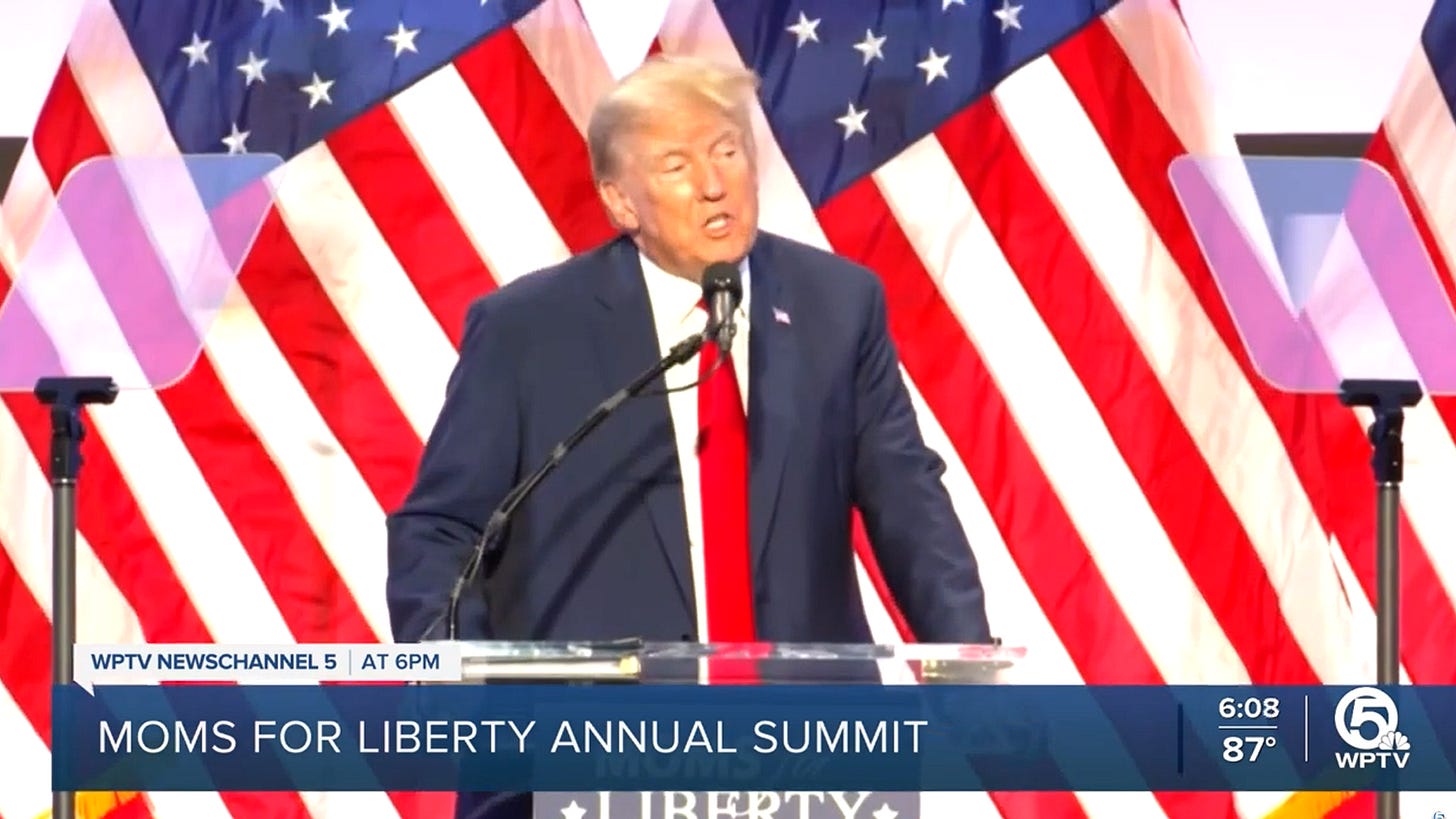
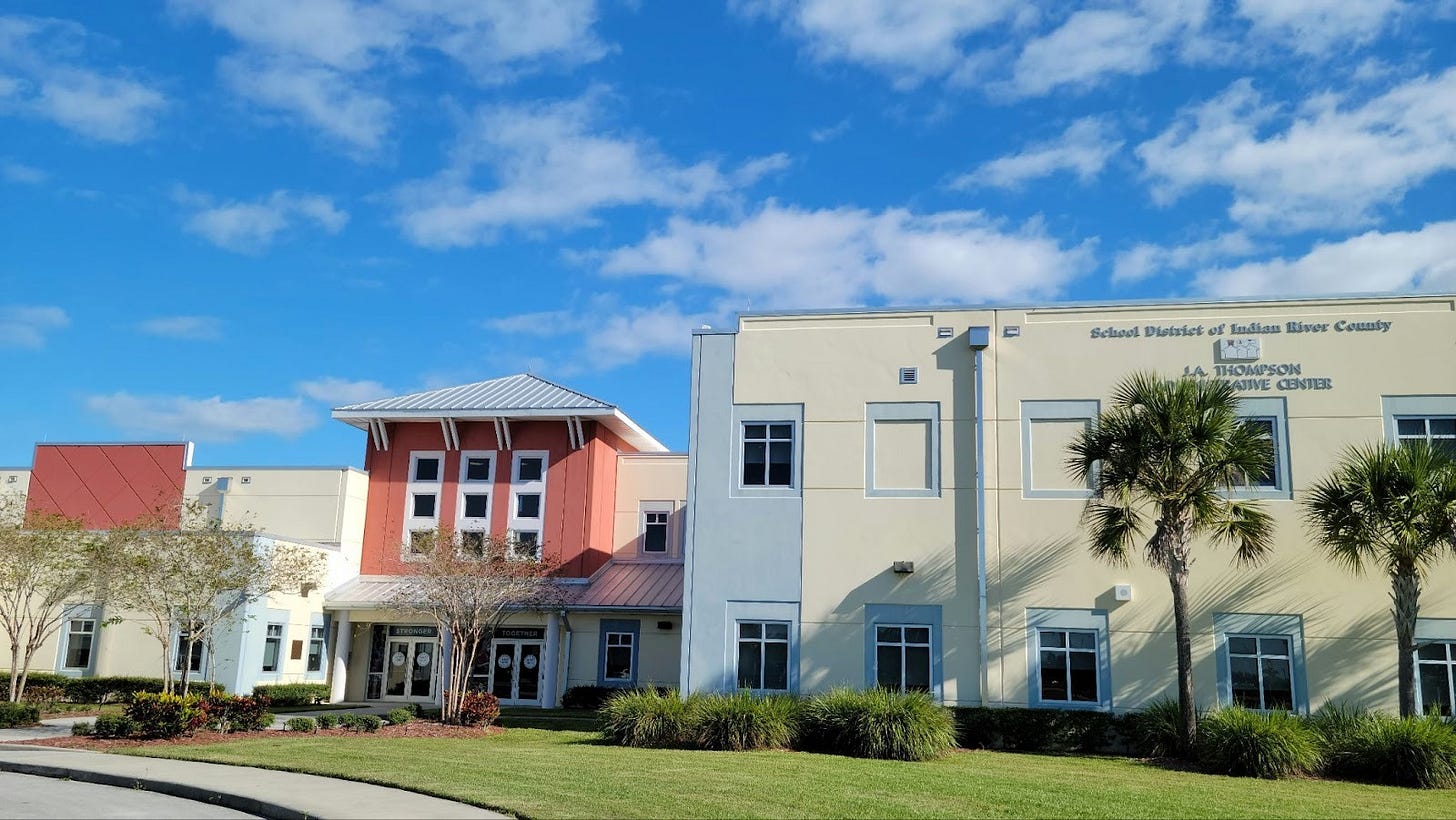
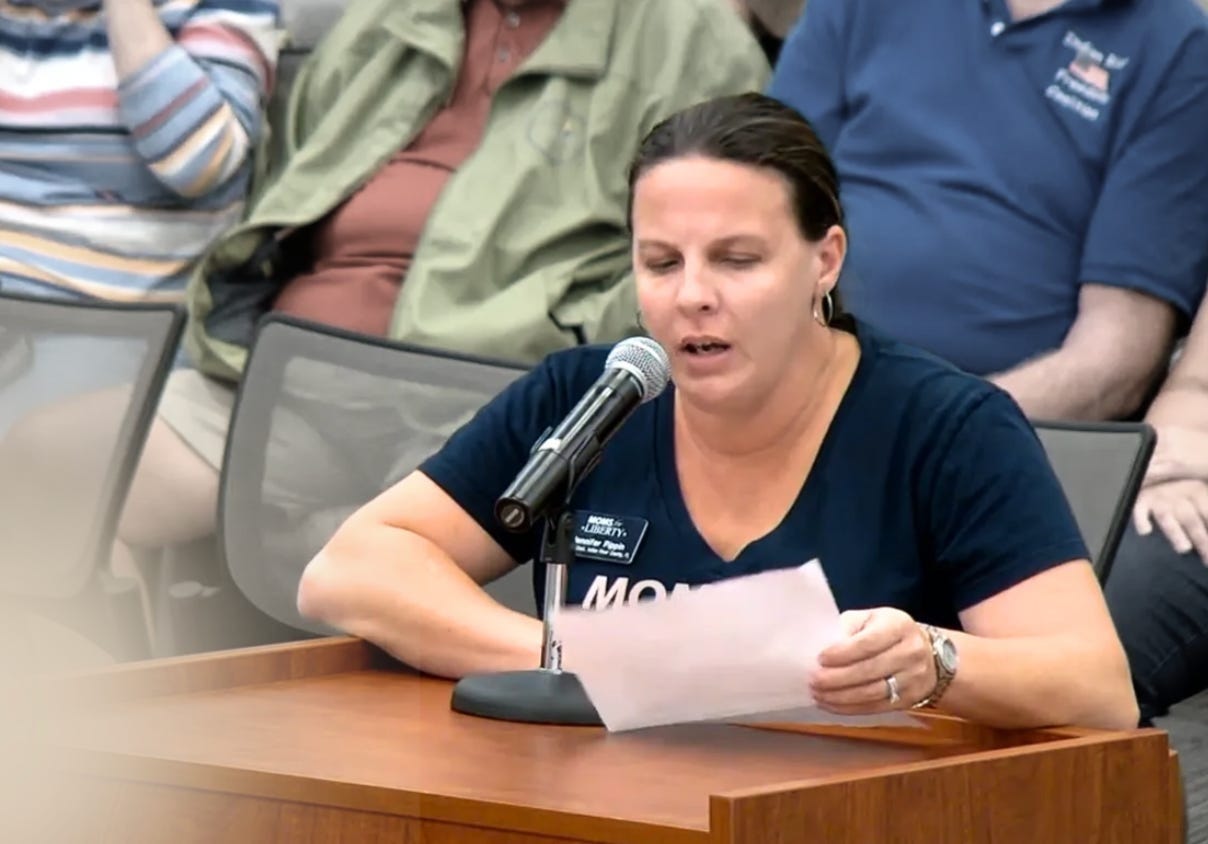
 The ACLU and a group of LGBTQ+ and student rights organizations are suing Texas to block the state’s ban on diversity, equity and inclusion initiatives in K-12 public schools.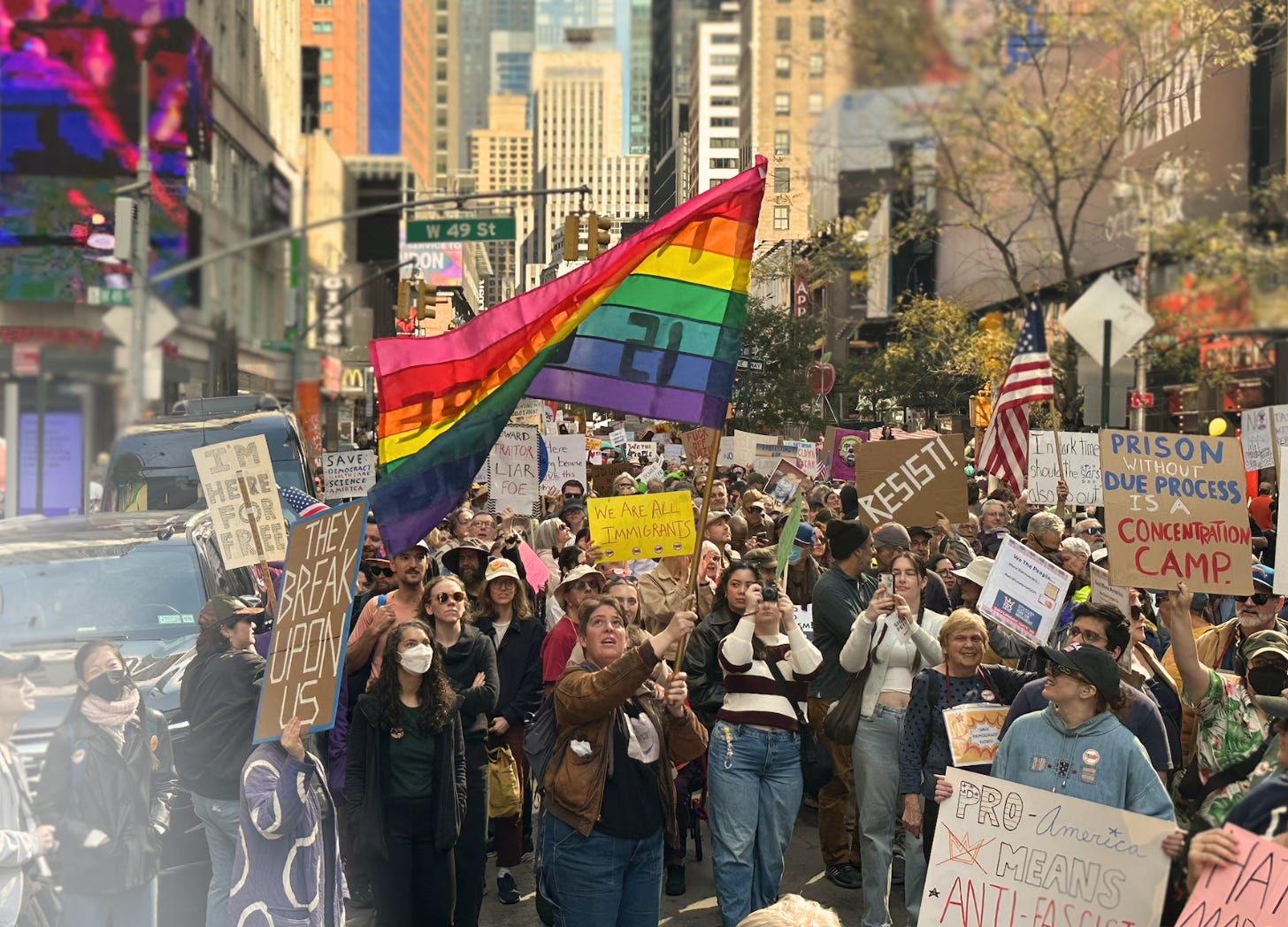
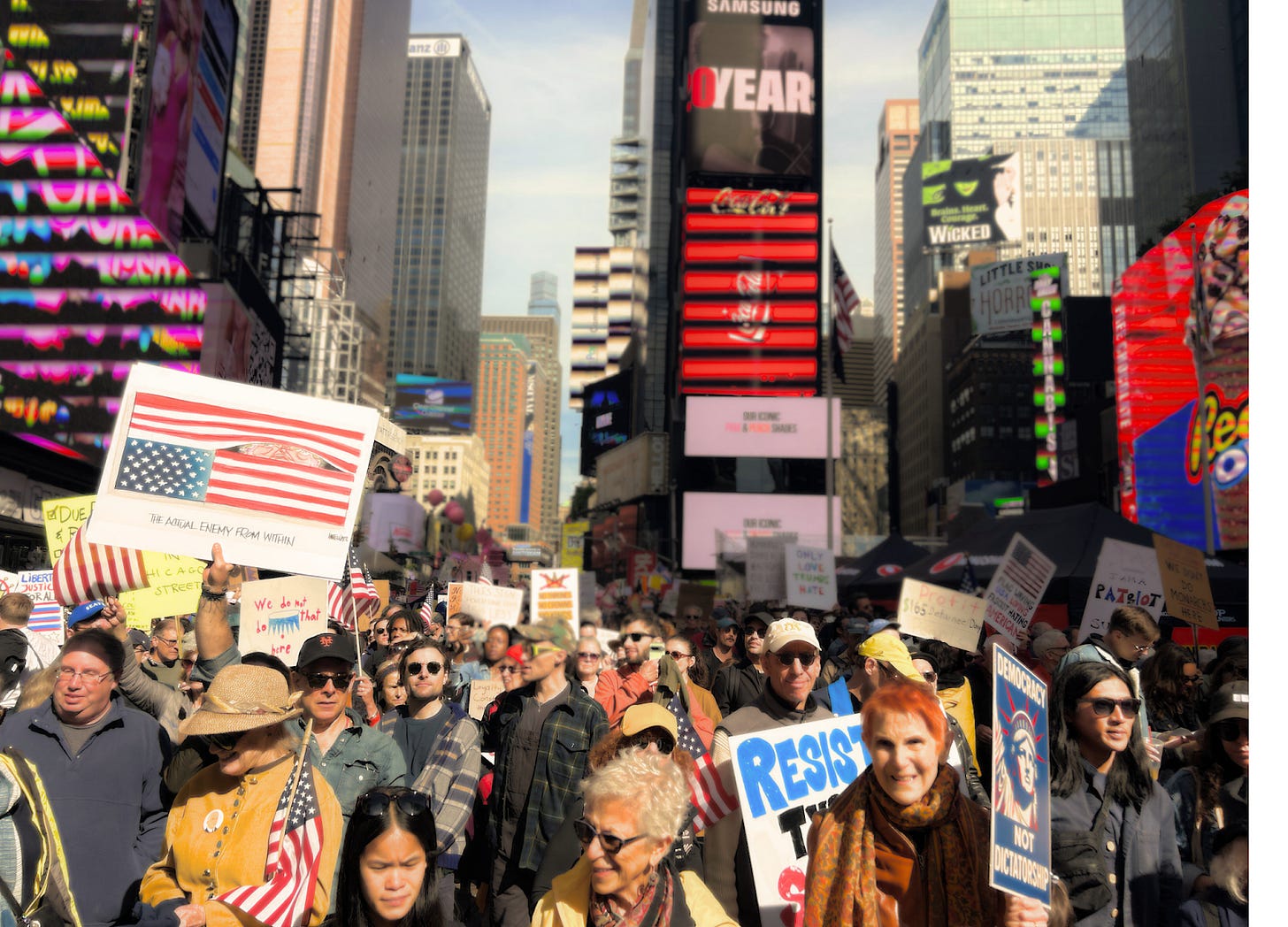
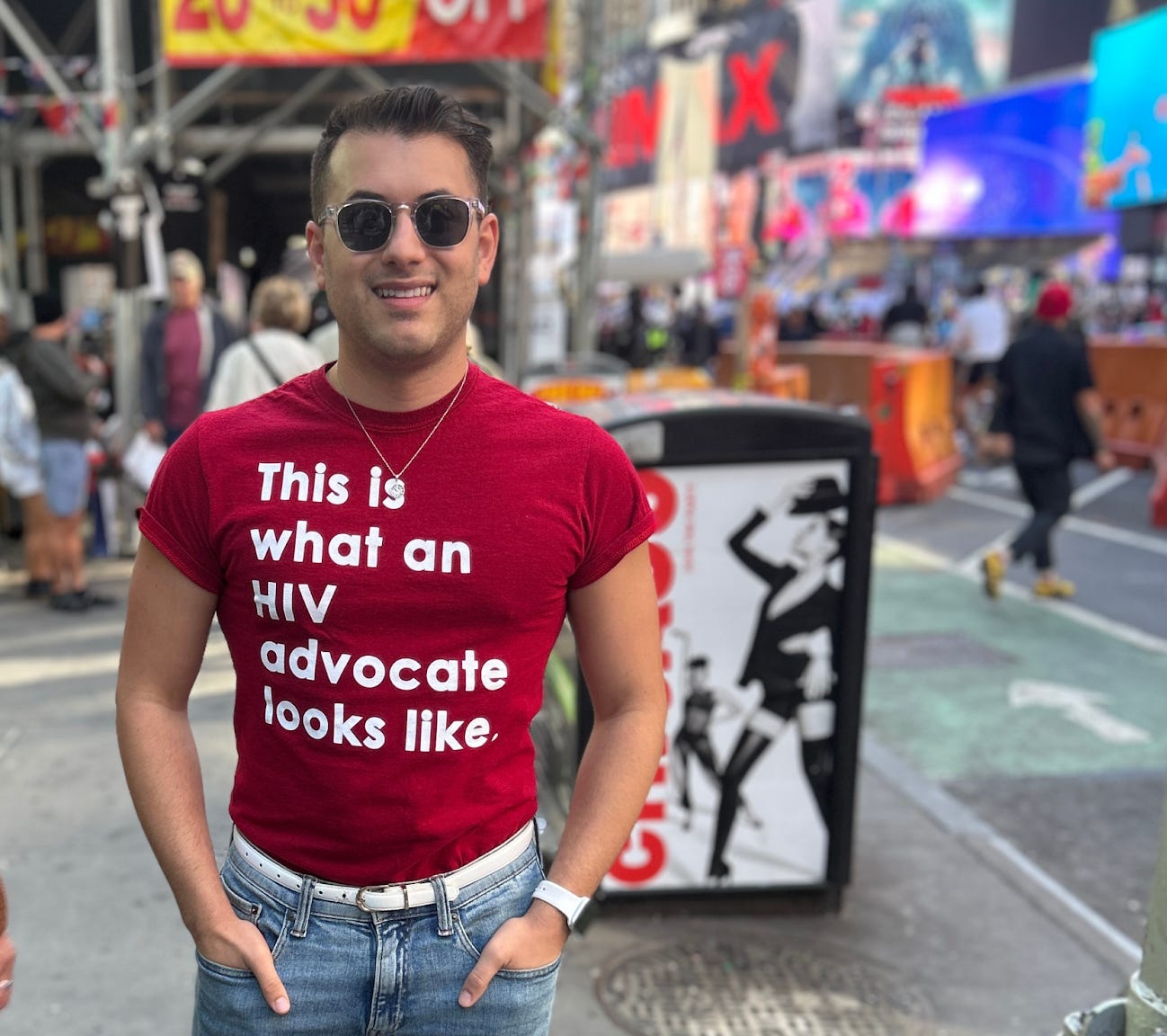
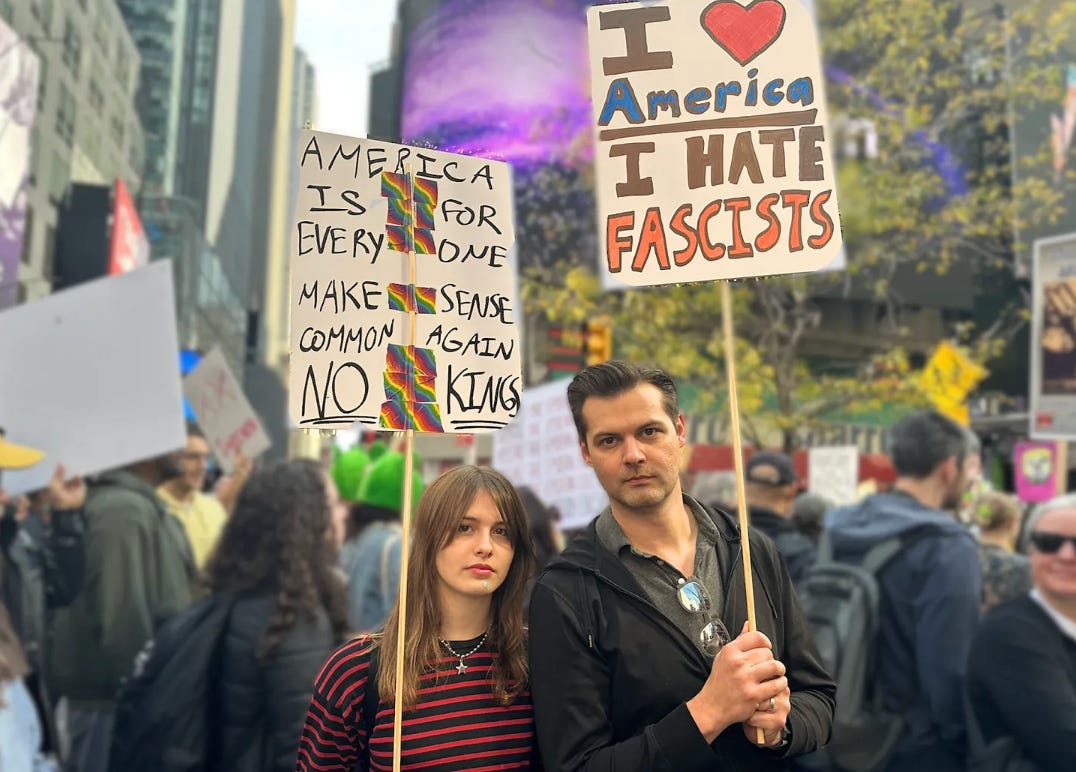
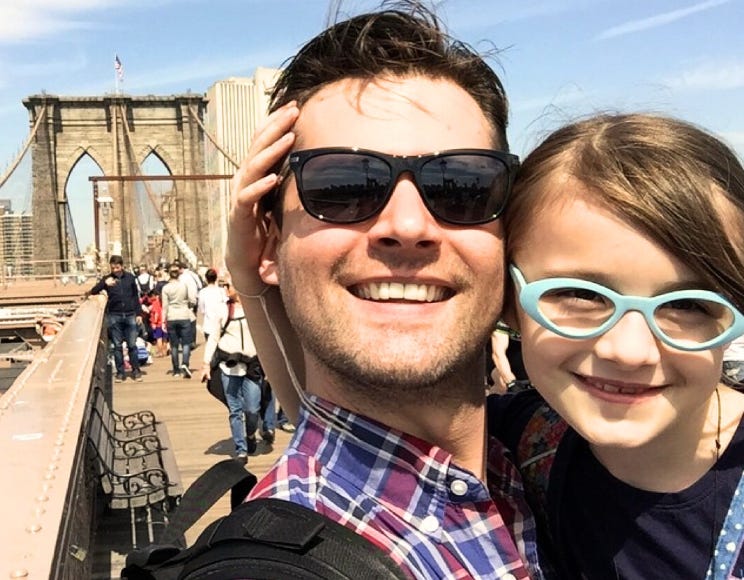
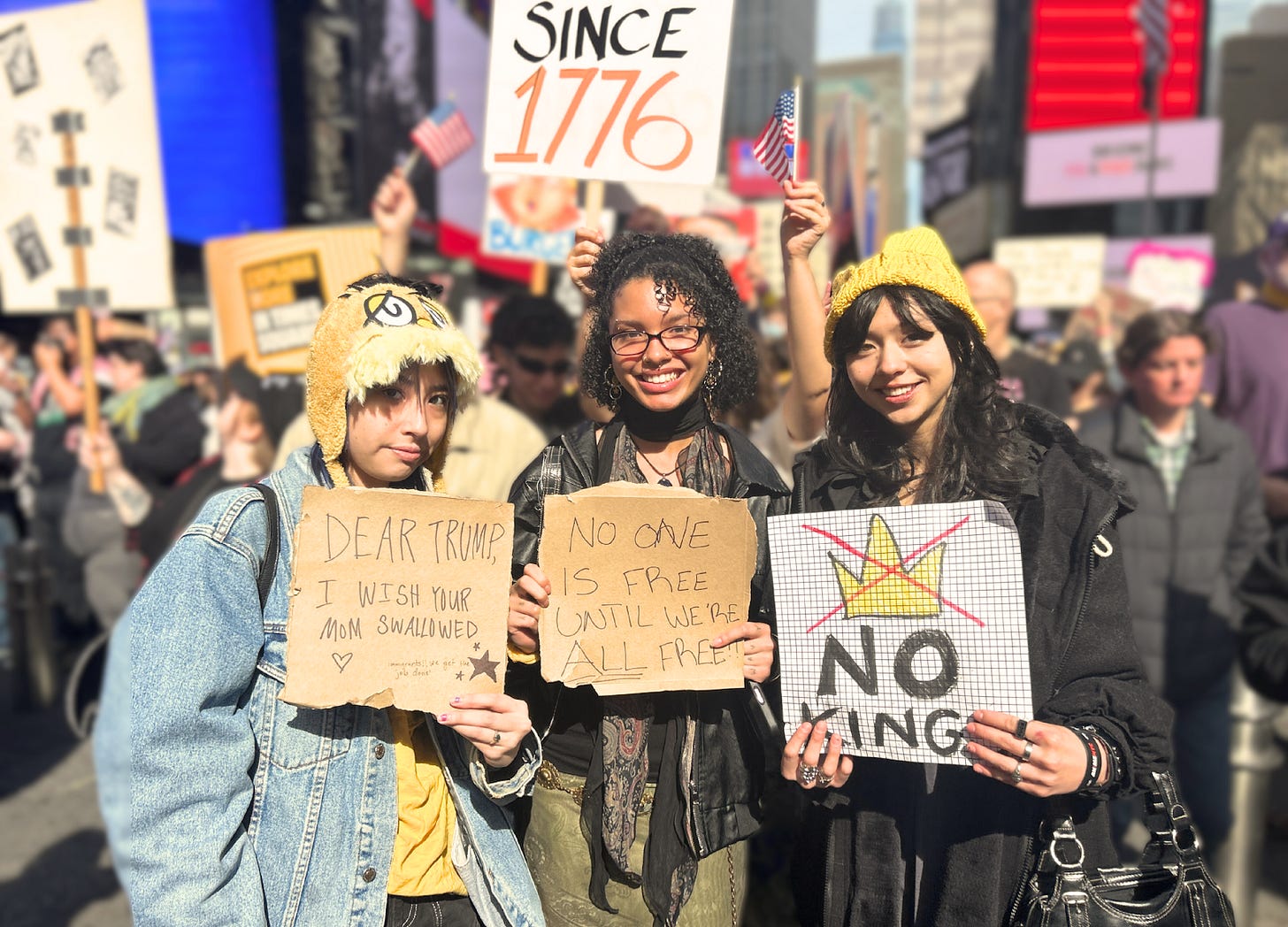
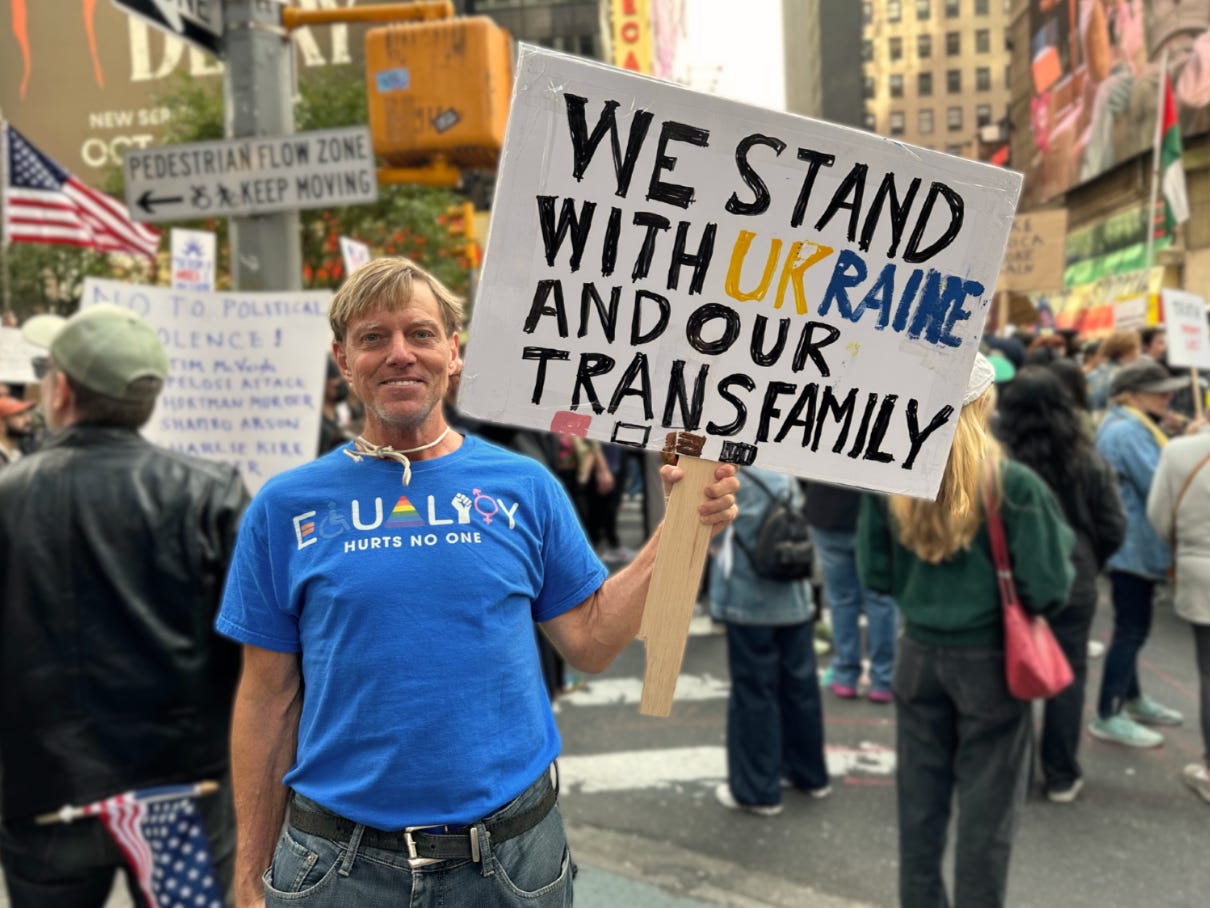
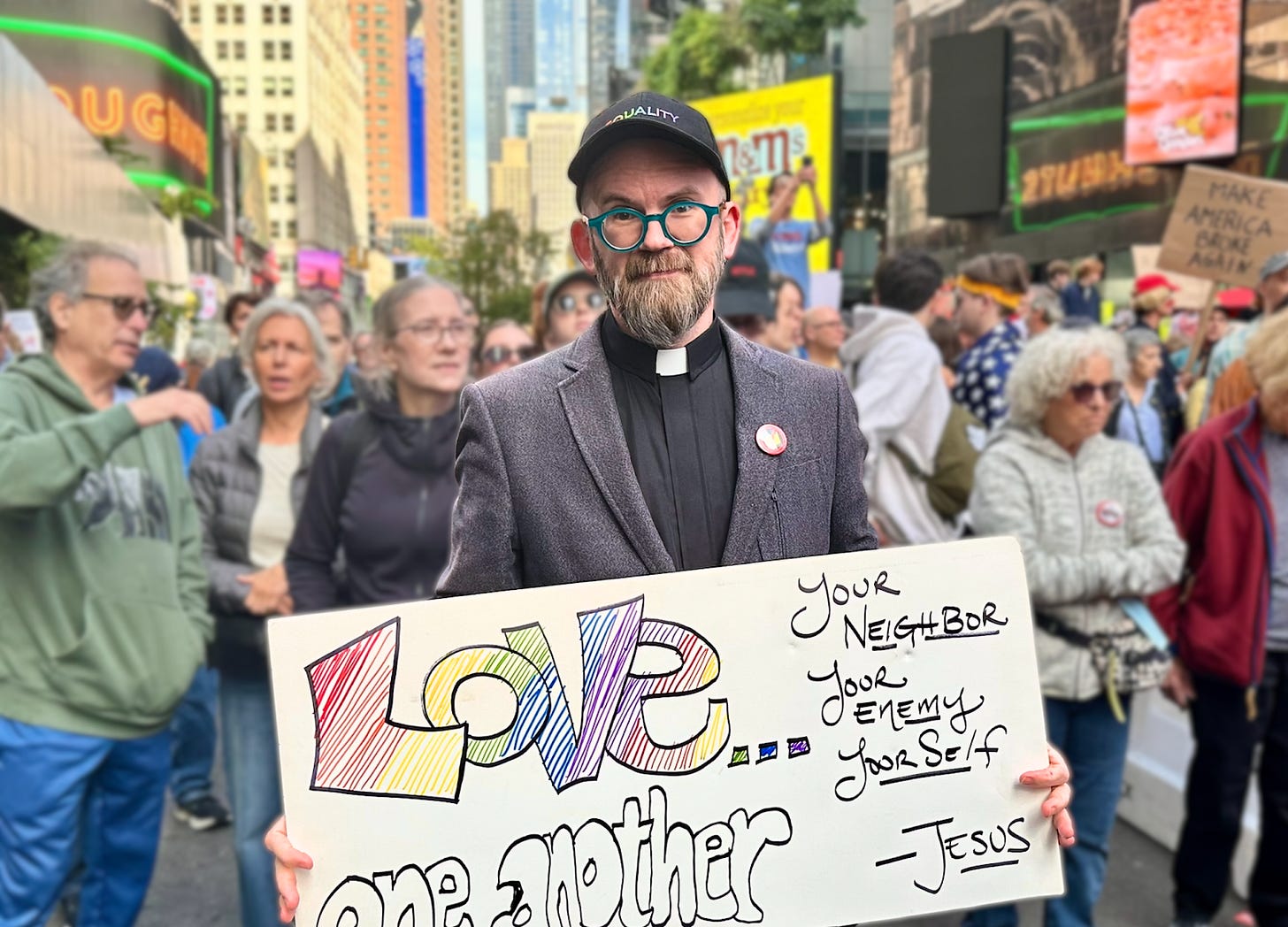
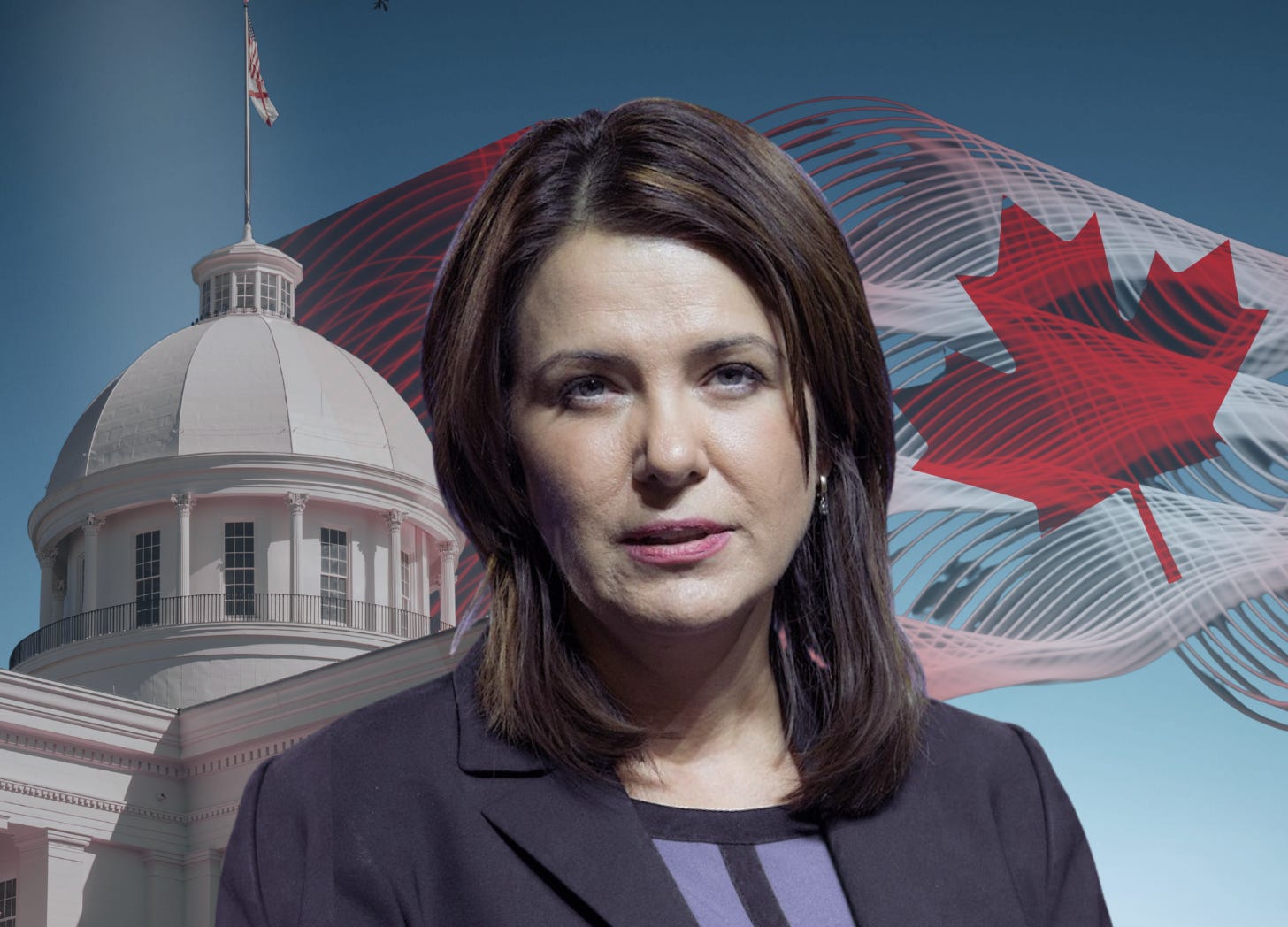 Design by Soph Holland. Photo by Jake Wright.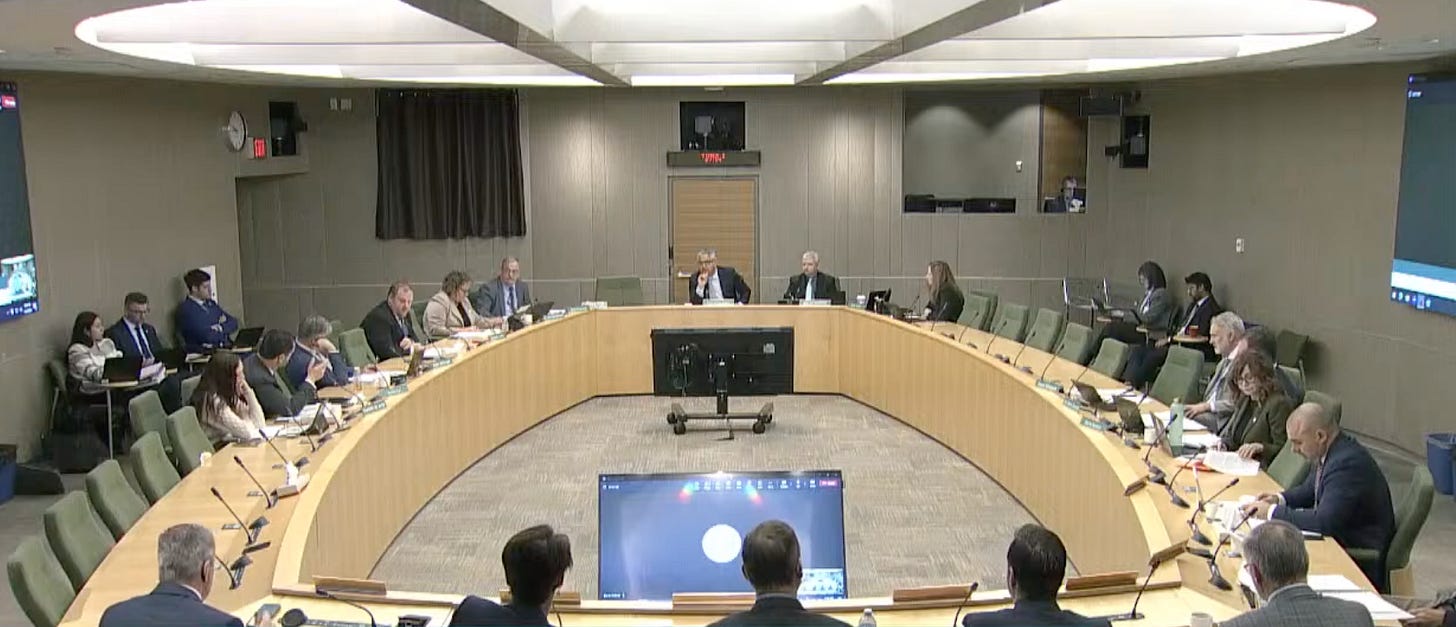
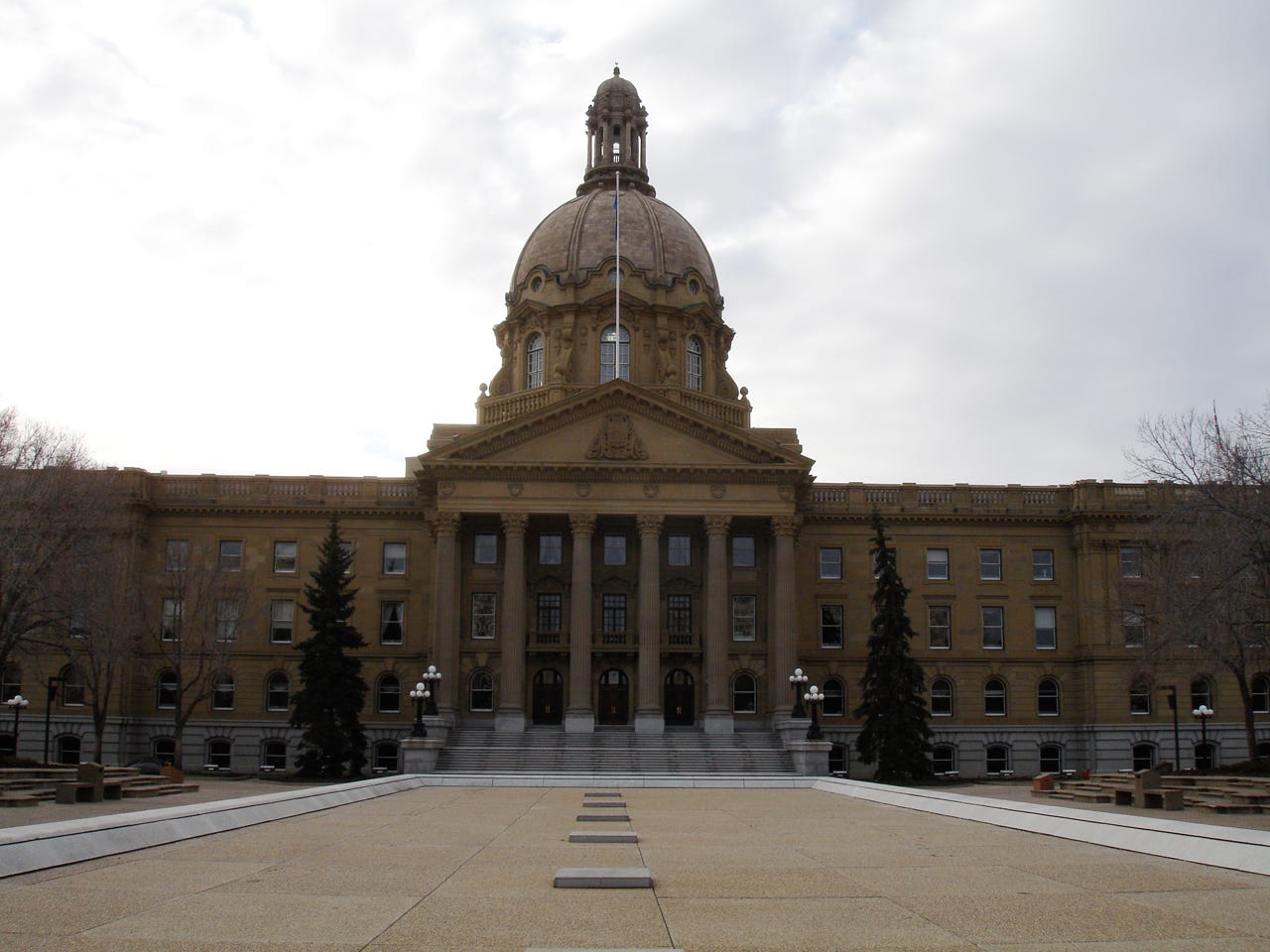

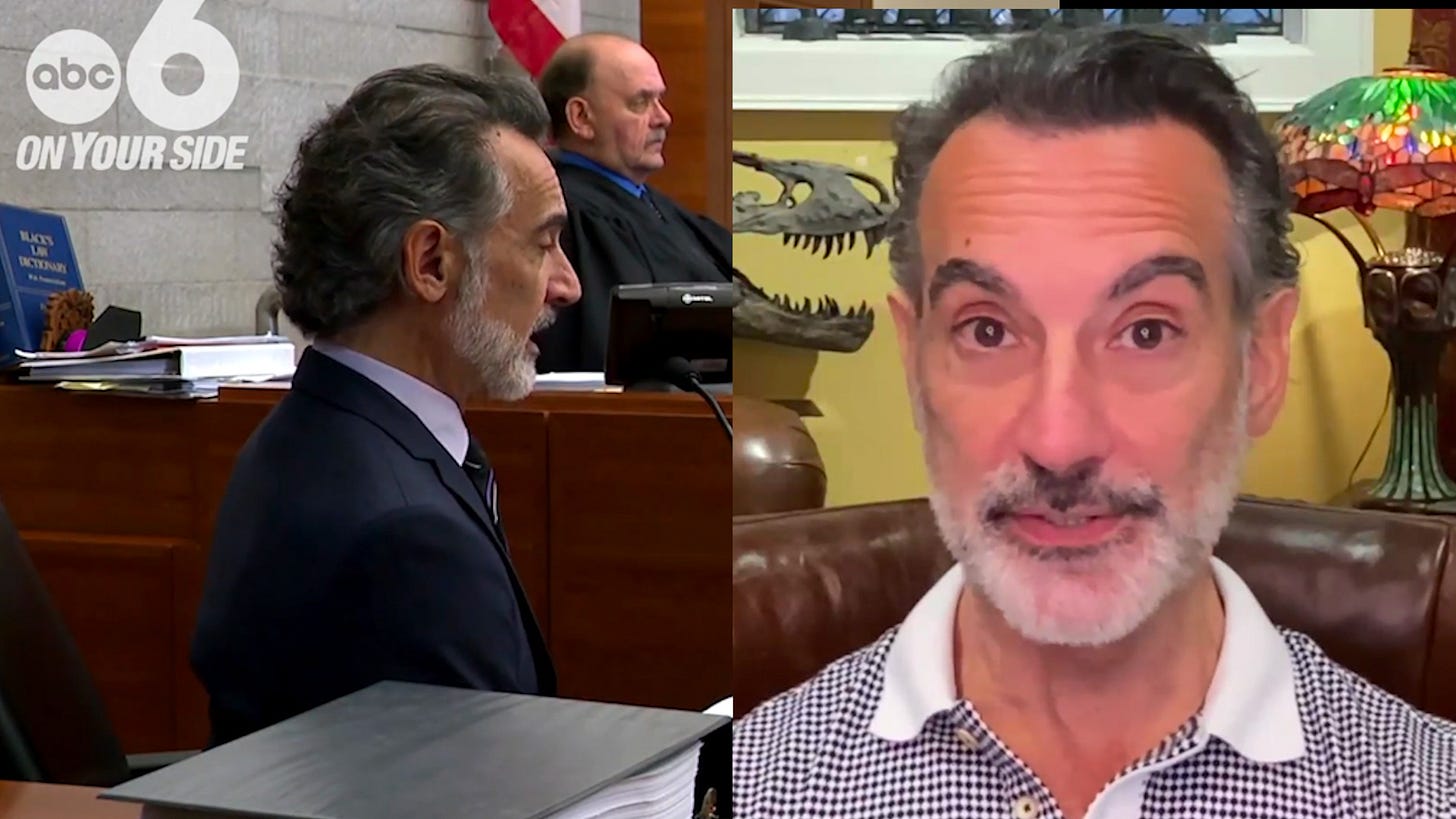


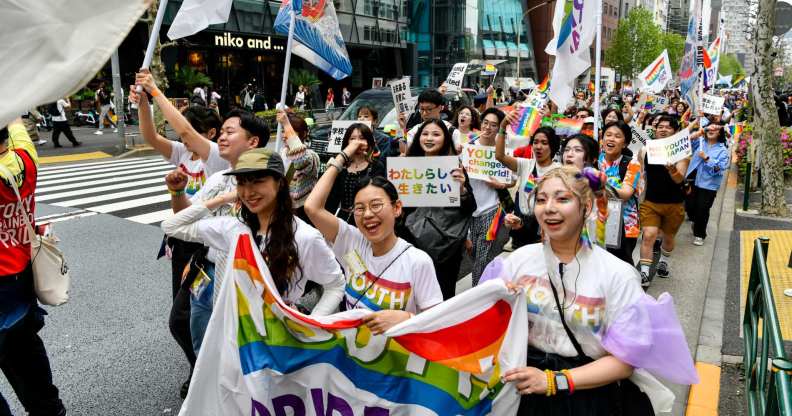
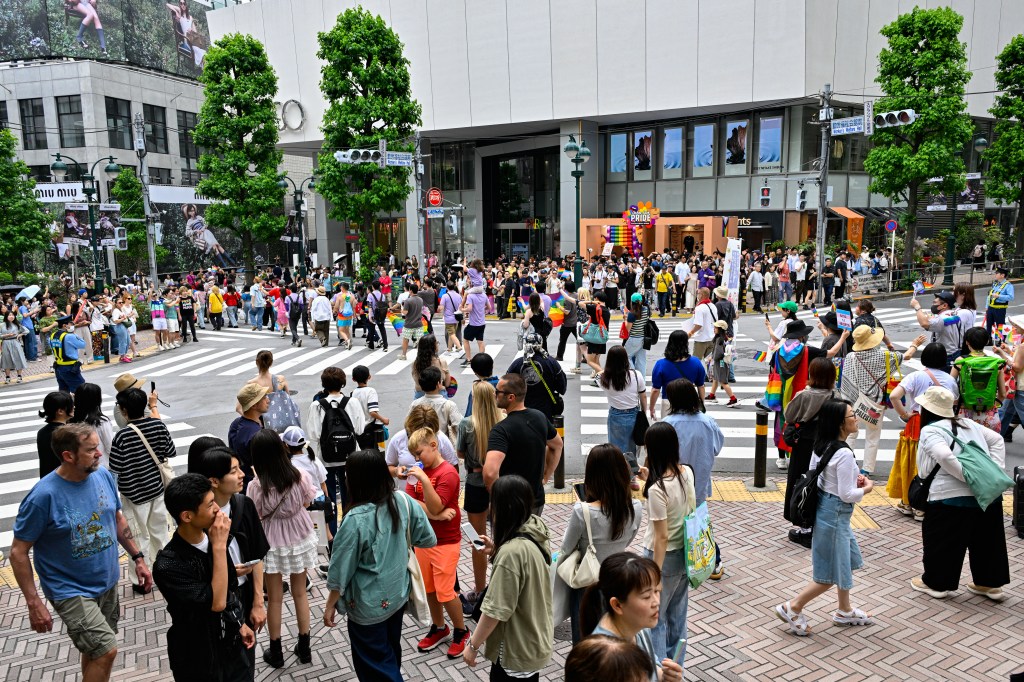

 Russian President Vladimir Putin | Shutterstock


 Scottie's Playtime
