We’re starting to see members of Congress react to the supreme court ruling that many of Donald Trump’s global tariffs are illegal.
Democratic senator Elizabeth Warren, said that no decision can “undo the massive damage that the Trump tariffs have done to small businesses, to American supply chains, and especially to American families forced to pay higher prices on everything from groceries to housing”.
She added that there is “no legal mechanism for consumers and many small businesses to recoup the money they have already paid”.
“Giant corporations with their armies of lawyers and lobbyists can sue for tariff refunds, then just pocket the money for themselves. It’s one more example of how the game is rigged,” said Warren, who is the ranking member on the Senate banking committee. “Any refunds from the federal government should end up in the pockets of the millions of Americans and small businesses that were illegally cheated out of their hard-earned money by Donald Trump.”
==========
Haha. Also note, he’s true to form of accusing his opposition of what’s true about himself and his cult.
In his remarks today, Trump lambasted the liberal supreme court justices today, as well as those who concurred with the opinion that the use of IEEPA was illegal.
“The Democrats on the court are thrilled,” Trump said. “They’re against anything that makes America strong, healthy and great again. They also are a frankly, disgrace to our nation, those justices.”
He went on to criticize “certain” members of the court, which would include justices he nominated to the bench – such as Neil Gorsuch and Amy Coney Barrett.
“They’re very unpatriotic and disloyal to our constitution,” Trump added. “It’s my opinion that the court has been swayed by foreign interests and a political movement that is far smaller than people would ever think,” he said without citing any evidence for his claims.
Bigotry and racism pure and simple. It was once illegal in the US. But under Stephen Miller and tRump it is flourishing and supported. We must fight for acceptance and tolereance for those who are not white. So many gains since the 1960s are being erased illegally. Imagain being a kid, a preteen and having a bunch of masked men stop you and threaten you. Hey we keep being told that ICE is going after the worst of the worst to protect the public. Tell me what horrific crime could that child have done that would harm the public? According to ICE, he was not white and that is dangerous enough to the white racists who make up ICE and support them. Hugs
This is horrific that a young person has had to live with racism all his life and now has to protect his family and others from a racist gang of thugs who only want to hurt brown people like him. He is doing a great thing but he shouldn’t need to do this in the land of the free. Hugs.
Cesar Vasquez, who has supported families of undocumented immigrants since age 14, has become a community lifeline – and a known ICE target
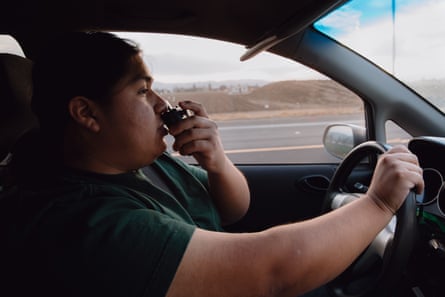
While most 18-year-olds worry about college papers and spring break plans, Cesar Vasquez drives through coastal California farm towns scanning for unmarked SUVs before dawn. He flips down his driver’s seat visor to look at a taped list of license plates he has already identified as Immigration and Customs Enforcement (ICE) vehicles, and jots down a few new ones he suspects could be. His phone buzzes constantly – tips from neighbors, text chains from volunteers alerting to ICE activity – all in an attempt to keep his community safe from being swept up in federal agents’ widening dragnet.
This is what organizing looks like for this son of undocumented immigrants. In his home town of Santa Maria, a small farming town on California’s central coast where over 80% of farm workers are undocumented, Vasquez has become both a crucial community lifeline and a known target of federal immigration enforcement.
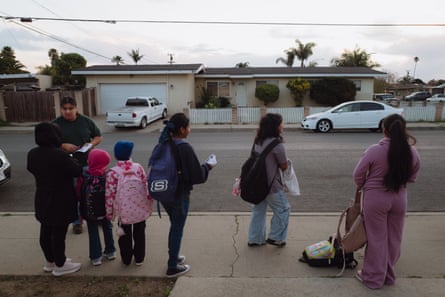
Outside the ICE office in Santa Maria, California, Cesar Vasquez and a group of activists gather to decide who will patrol each neighborhood.
Vasquez began volunteering with the 805 Immigrant Rapid Response Network as a high school senior. Last August, he was hired full-time as a rapid response organizer, covering North Santa Barbara and San Luis Obispo counties, overseeing volunteers, supporting families and tracking ICE activity.
Routinely, he visits the families of detained immigrants. “There have been so many occasions where I walked through the door, and a kid was expecting their father or mother,” Vasquez said wistfully. “And it was just me, and I had to explain what happened to their parents.”
Other times, for Vasquez, the reality is personal. He recalled in December, speaking with families waiting for news about their detained relatives outside the immigration enforcement office in Santa Maria, when an ICE vehicle slowed down in front of them. The agent’s voice crackled from the car’s speaker, loud enough to carry through the open window: “How’s your mother, Cesar? We’ll go visit her soon.”
Vasquez drove straight home and found his mother washing clothes.
“I took her car keys and told her to stop everything she’s doing. My hands were shaking,” Vasquez said. “I then moved her to a secret location that I have precisely for this moment.”
As the sun rises in Santa Maria, Vasquez continues monitoring ICE activity in his neighborhood. The 18-year-old says he spends more time in his car than anywhere else these days.
Growing up as a birthright citizen of undocumented parents
Vasquez’s mother is one of the thousands of undocumented farm workers in Santa Maria whom he is trying to protect. She left her home in a tiny town in Mexico to cross the US-Mexico border at age 13 in search of a better life. Vasquez’s biological father was one of the first people she encountered – a Guatemalan American whose family was settled in California and who held US citizenship. He was also abusive and never legally married her, keeping her from accessing US citizenship, Vasquez said. When Vasquez was an infant, his mother ran away with her three children to Santa Maria, a town about 150 miles (240km) north of Los Angeles, where she found work in the strawberry fields. She has been trying to secure documentation for more than a dozen years now.
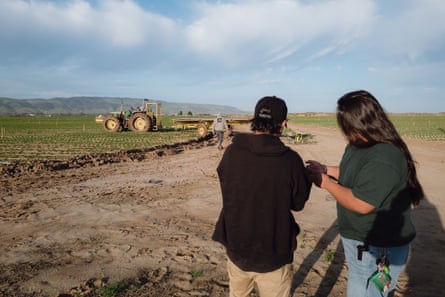
Vasquez distributes flyers on immigration rights to farmworkers in Santa Maria on 6 February.
Strawberry picking is physically demanding work, and the pay is minimal. Pickers spend hours bent over in the fields under the California sun, with no benefits, no sick days and no guaranteed work once the season slows between October and March. Climate change has made the labor even more precarious, disrupting growing cycles and shrinking paychecks. Rising costs of living – rent, food, transportation – have squeezed families further. In Santa Maria, where a two-bedroom apartment can cost $3,000 a month, many families crowd into single rooms or garages.
Built on an economy of strawberries, lettuce and wine grapes, Santa Maria has long depended on undocumented labor while rendering those workers largely invisible. Many arrived during waves of Mexican migration in the 1980s and 90s, settling into a community where immigration enforcement and workplace exploitation became routine. Before Donald Trump’s recent immigration priorities, ICE enforcement in the region tended to be more targeted – focusing on people with criminal convictions or referrals from local jails, rather than broad community sweeps. ICE didn’t even have a holding facility in Santa Maria until 2015.
But since 2025, enforcement has intensified dramatically with rapid‑response trackers documenting more than 620 immigration arrests across Santa Barbara, Ventura and San Luis Obispo counties, with Santa Maria often at the center of daily apprehensions. These high‑profile raids – often carried out with unmarked vehicles and tactical gear, drawing protests and criticism from community leaders – reflect a broader national surge in immigration enforcement under Trump.
Vasquez holds his mother along the river in Santa Maria. He keeps a feather with him, which he says brings spiritual cleansing when he burns sage.
When Trump was first elected, Vasquez was only nine years old. He was already well-acquainted with the repercussions of growing up in a mixed-status household.
“I mean, it’s common for most children of immigrants to be doing things for their parents like filling out their legal forms, right?” Vasquez said. “But in fourth grade, I had to learn what a warrant looked like and what rights I had.”
He was in a Halloween costume shop, age 14, when it clicked that his fears and concerns weren’t just his own. He overheard a woman at the register, saying she had saved all year to buy her son a costume, but it didn’t fit. The store wouldn’t take it back. Her shirt was stained with strawberries, her exhaustion visible. He’d seen his own mother do the same thing countless times, so he offered to buy the woman’s son the costume.
Building a network at 14
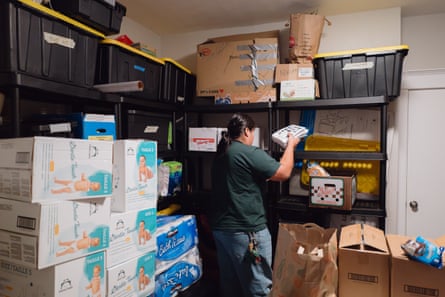
At age 14, Vasquez founded La Cultura Del Mundo, an entirely youth-led organization that eliminates what he calls the “red tape” associated with traditional aid. They prioritize direct, unrestricted support to families in need, asking, “How much do you need?” rather than requiring forms. The group then rapidly mobilizes whatever the family requests, whether that’s cash assistance, groceries, rent help or other essential support.
In August, La Cultura Del Mundo drew national attention when Vasquez organized La Marcha De La Puebla, a national protest against ICE raids that involved nearly 30 cities across 17 states, drawing about 10,000 participants.
Seventeen-year-old Claudia Santos is one of the many young people Vasquez has inspired. “My sister and I heard about a school walkout and just decided to go. After that, Cesar told us about a meeting at city hall, and that’s how I got involved,” Santos said. “I did it because I feel like the kids coming here from Mexico deserve a good future too.”
Vasquez packs up flyers to hand out to the immigrant community as they head to work in Santa Maria.
While Vasquez was organizing in high school, he was simultaneously struggling with his own mental health. He commuted by bus an hour each way to a school in a predominantly white neighborhood with good academic prospects.
When he told his counselor that he had anxiety, “she couldn’t understand that I was uncomfortable because I was brown in a white school, where the principal was racist and the students were racist. It led me to become really suicidal.”
Being misunderstood drove him closer to his community. He transferred to his local school and graduated early. Despite being accepted into San Diego State University, he deferred enrollment.
Most kids who grow up in Santa Maria look forward to leaving. One of Vasquez’s older sisters became a teacher in Los Angeles, the other a graduate student in the UK. But Vasquez likes that the impact of his work is immediate.
Tina van den Heever, one of his teachers from Santa Maria high school, said it was clear Vasquez was a leader with great potential: “To be honest, I worry about his safety, because as we’re seeing, the United States tends to silence people who stand up in the way that he does.”
‘I think about the kids being left behind’
During a four-day raid in late December, Vasquez’s uncle was among the 118 people detained.
“I think about the kids being left behind,” Vasquez said. “The children home for winter break whose parents never returned because of the December raids. And there was no way to know what happened to them because school didn’t reopen until days later.”
Vasquez distributes flyers on immigration rights to parents.
During the raids, flower vendors disappeared from the streets. When Vasquez later visited the area, the children of a family he had gotten close to told him they had gone inside after hearing his warning. They were safe.
The work – the constant alertness, the phone calls at all hours, the weight of knowing families depend on his network – has taken a toll. But he sees no alternative.
“I’m continuously preparing for the worst,” Vasquez said. He keeps a “to-go bag”, extra clothes and cash in his car.
Every time ICE picks up someone in the Central Coast valley, Vasquez plays the same song in his car: Hasta La Piel (Down to My Skin) by the Mexican American artist Carla Morrison. The lyrics speak to having and losing, wanting and not being able to say, intense love and desperate fear of loss – an homage to those who have been detained.
“They want us to be afraid,” he said. “But fear is what keeps people isolated.”
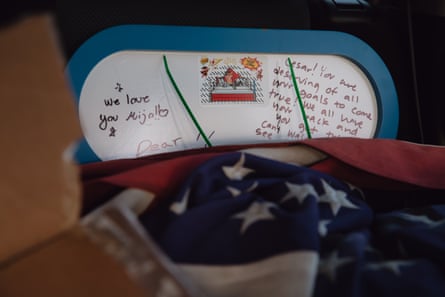
In the back seat of his car, a whiteboard filled with encouraging messages for Vasquez sits alongside an American flag.
Jennifer Chowdhury reported this story while participating in the USC Annenberg Center for Health Journalism’s Kristy Hammam Fund for Health Journalism
and wondering about the little internet anomalies that happened here after I sent a very nice letter to Sec. Noem about a young woman being detained for protesting, who’s starving to illness because halal food is not provided in her detention facility. You all know me; of course I made it very polite and non-confrontational. I had a few concerns for a bit, then let it go, slept, did yesterday only wondering a bit now and then, but nothing happened. Then this morning, I see this article. sigh I really hate posting this because I’m always encouraging people to write and direct our government, and this is certainly dis-encouraging. And discouraging. But necessary for people to know.
Trump’s Department of Homeland Security is weaponizing a little-known legal tool to crack down on free speech — and Big Tech is complying.
n October, a Philadelphia man sent an email to the Department of Homeland Security criticizing a government policy. Hours later, federal agents and local police were banging on his door to interrogate him without a warrant. It feels like something out of a movie, but it’s real.
Today on Lever Time, David Sirota sits down with ACLU attorney Steve Loney, who’s now representing the man involved, to ask some big questions: How are federal agencies obtaining your private data without a warrant? How are tech giants like Google enabling them? And what should you do if the feds come knocking on your door?
Or read the transcript (as I’m doing.) Part of it below, then the rest on the page.
TRANSCRIPT
Following is an automated, unedited transcription of this episode. The text may contain grammatical or spelling errors, especially for proper nouns, or attribute text to the wrong speaker. If you plan to quote any part of this transcript, please first confirm that it is correct by listening to the audio.
[00:00:00] David Sirota: From The Lever’s reader, supported newsroom, it’s Lever Time. I’m David Sirota. The idea of civil liberties can seem abstract. Civil liberties are your basic right to speak out, criticize the government and feel free from state sponsored censorship or intimidation. And it’s easy to take civil liberties for granted as if they just exist.
That is, until they become less abstract and more concrete when the government goes full authoritarian against you. In recent months, we’ve seen the Trump administration deploying immigration enforcement agents to violently invade US cities. Killing people is an obvious violation of their civil liberties, to say the least.
But there’s a quieter assault on civil liberties also happening right now. One that can start with you just sending an innocuous email expressing opposition to a government policy, and then end up with federal agents banging on your door and big tech companies threatening to turn all of your digital data over to federal police.
Now, this may sound like science fiction or something happening in a far away country, but today on Lever Time, you’re gonna hear how it’s happening right here in America at a potentially massive scale, and I have some very big questions for the lawyer right in the middle of this battle.
How can a federal agency subpoena your personal data without a judicial warrant? Why are giant tech companies that once sold themselves as protecting customer’s privacy from government intrusion? Why are they now apparently working with the Trump administration to destroy that privacy? And what can you do if you find one of these subpoena threats in your own email inbox? Coming up, my discussion with ACLU attorney, Steve Loney, who tells the harrowing tale of one man being threatened by the government for sending an email opposing ICE’s policy and what they discovered when pushing back against the Trump administration and Big Tech.
Why don’t we start with, um, just who you are, uh, what you do, and anything you think the audience should know. Uh, for purposes of this conversation.
[00:02:22] Steve Loney: My name is Steve Loney. I’m the senior supervising attorney at the A CLU of Pennsylvania. Um, the senior attorney in the Alus Philadelphia office. I am a civil rights attorney, um, one of the last of the generalists.
So if, uh, people’s civil rights are being violated in Pennsylvania, then um, I may be on the case. I have a pretty significant First Amendment docket, which is how I got involved in cases involving people. Having their data subpoenaed by the federal government, and a couple of the most significant or high profile cases have come out of Pennsylvania and activists, uh, in suburban Philadelphia.
[00:02:58] David Sirota: So the story that we’re talking about today starts with a Washington Post article, and I want you to tell me about this article published in late October. Of 2025 detailing how the Trump administration decided to deport a man, a father of two to Afghanistan, where he expected the Taliban to kill him.
Just set the scene here with this article coming out.
[00:03:26] Steve Loney: It started with a man who ended up being our client sitting in the suburbs of Philadelphia reading. This post article in October about the government sort of stripping status for an asylum seeker, somebody who was trying to stay in the United States legally.
Um, so to the extent that all of this debate around immigration is about, you know, trying to find a path to be here illegally, this individual apparently was seeking a path to be here illegally. He had a live asylum application. His asylum claim was based on his legitimate fear that if he returned. To Afghanistan after having helped the United States while he was there.
Then he would suffer retribution, maybe even be killed by the Taliban. So the post published an article about his case where the government was essentially revoking his status and attempting to deport him imminently. And the men ended up being our client. John, and I’ll avoid using his last name because part of the First Amendment issue here is DHS piercing the bail of anonymity for people who are trying to express their abuse anonymously.
John is a naturalized citizen in Pennsylvania who is very politically interested, very upset about what’s happening. Right now, especially as it pertains to immigration. As somebody who was born in another country and worked to become a United States citizen, he read this article and was appalled by the position the government was taking.
In that article, a government lawyer, a United States lawyer from the DOJ was identified as the lawyer identified by name. It’s this is a public servant doing the business of the government in public. So this is not a doxing situation, however people might try to use that term. This is somebody who publicly signed the papers in the Afghanistan refugees case and was identified by the Post.
Our client did a quick Google search, found the government lawyer’s email address listed publicly. Again, I think he found it on his state bar’s website, so he decided to send an email to the government lawyer. It was a very innocuous, non-threatening, just plea for. The government to do the right thing and not let this individual from Afghanistan go home to face torture and death.
[00:05:38] David Sirota: So at this point in, in this story, the Washington Post publishes a story that’s, uh, a pretty tragic story of the Trump administration deporting a guy potentially sending him back to a country where he could get killed. Somebody else reads this story. Sees the, uh, public official quoted emails, the public official, a plea for a different, a different decision.
[00:06:04] Steve Loney: I believe his words were a plea for decency. Apply human decency. That was this. This was the guy’s crime, was to ask a government official to be decent,
[00:06:12] David Sirota: and that gets to this next part, which is a crime, right? That apparently in doing this, the response was to treat the. Guy who sent the email almost as a criminal, what happened next?
[00:06:28] Steve Loney: What happened next was that the government investigated him or started to investigate him as a criminal. Within hours of hitting send on the email, he used his Gmail account to send this email to the government official, and within hours he received a notice on his Gmail account sort of form. Notice from Google saying that we’re waiting to notify you that your data has been requested by a government agency and you have seven days to seek a court order stopping this or else we’re gonna comply and hand over your data to the government.
[00:06:56] David Sirota: This is hours later.
[00:06:57] Steve Loney: Hours
[00:06:57] David Sirota: later, like not, not a few days later, not caught in the spam filter. It’s like sends the email, maybe goes out, does some errands, comes back, checks his email, and he gets this email in his Gmail precisely saying. The government is like knocking down our door. Google’s door demanding your data,
[00:07:13] Steve Loney: right?
And Google’s not gonna step up and try to resist this. Google’s not gonna look into whether this is a legitimate government inquiry. Google is putting the onus on this individual who all he did was send a two line email to navigate federal courts and figure out what motion to file on his own dime. To stop this train or else Google’s gonna comply with the subpoena.
[00:07:34] David Sirota: This subpoena, to be clear, is known as an administrative subpoena. So just for people who hear this term, it’s not like the government went to a judge, got a judge to sign off on a warrant, like in a couple of hours, and then sent something to Google. This is something. Different. And I think it’s important for people to understand what an administrative subpoena is as distinct from a, a judicial warrant,
[00:08:00] Steve Loney: right?
And, and a judicial warrant is what you would normally expect to be sought by a prosecutorial entity trying to prosecute or investigate a crime. So, as I said before, they treated him like a criminal, but they didn’t follow the procedures and the guardrails that are in place to protect our rights. In the event that.
A prosecutor wants a warrant to search your stuff. So what they’re doing instead is trying to shoehorn these kinds of requests into administrative subpoenas. So administrative subpoenas are authorized to some extent by statute. So DHS has statutory authority to investigate, essentially, I’m gonna oversimplify, but essentially violations of immigration law or interference with immigration functions.
So if DHS is legitimately. Investigating a violation of the immigration laws. It can issue its own subpoena. It doesn’t have to go to to a judge because it’s not, that is not a criminal process. That or it’s not yet a criminal process, right? So the agency can do agency things through an administrative subpoena, but there are still guardrails and, and a bygone, quaint era of Trump won.
We might’ve expected the tech companies who are under no obligation. This is, this is a big distinction between a criminal search warrant signed by a judge and an administrative subpoena. The recipient of the administrative subpoena, the tech company can actually say no. They can say thanks. No thanks.
And in that past era when tech companies seemed to be more interested in kind of marketing how good of a job they were doing at protecting their users’, privacy would kind of tout that we will push back on these subpoenas. And they did. And there were some cases like this, that back and forth, the administrative subpoena goes to Google or any tech company, they look at it, they realize it’s not a judicially signed warrant.
They say, no thanks. Then the onus is on the government to go to court and they know how to file things in federal court. The onus is on the government to go to court and justify why their investigation is tied to that statutory authority. Right. And it’s so then it’s not on the end user. But things have shifted now in a couple of different ways.
One is we’ve learned that. DHS is overusing these administrative subpoenas.
[00:10:16] David Sirota: How much, like what are we talking about overusing?
I know; it’s always something, and it’s always call/write our lawmakers (which is no more than what we ought to be doing, anyway, but still.) Maybe a reader hasn’t decided what to stand up for, or stand up to. Might as well be this, then:
U.S. news, too; scroll past what you’ve seen. I like to know what’s happening outside the U.S. as well as here; I loved to read newspapers when they were big and full of news from everywhere. I don’t make time to read this often enough.
-Congressional negotiations on a spending bill to reopen the Department of Homeland Security (DHS) have stalled, as Democratic and Republican leaders remain divided on changes to immigration enforcement practices.
DHS, which houses the Immigration and Customs Enforcement (ICE) agency, entered a partial shutdown on Saturday after Congress failed to pass a funding bill amid the standoff.
Earlier this month, President Donald Trump and Senate Democratic Leader Chuck Schumer agreed to a compromise bill to fund all government agencies except for DHS through September as they negotiated changes to immigration enforcement tactics.
Ahead of the funding lapse, congressional Democrats called the White House’s counterproposals insufficient.
-Americans’ approval of Trump’s immigration policies has fallen to a new low, according to a Reuters/Ipsos poll.
-Stephen Colbert said that CBS forced him to not air an interview with Texas Democratic Senate candidate James Talarico on his late-night show, saying that executives were fearful that the appearance could draw ire from the Federal Communications Commission.
The interview was posted to The Late Show’s YouTube page. View it here:
Earlier this month, the FCC opened an investigation into ABC’s The View after an appearance by Talarico.
The latest move came just as early voting began in Texas, where Talarico, a State Representative, is facing off against Congresswoman Jasmine Crockett in the Democratic primary.
The election will be held on March 3.
-Arizona Senator Mark Kelly said he will “seriously consider” a bid for the 2028 Democratic presidential nomination.
-In a Presidents’ Day message, former President George W. Bush paid tribute to George Washington, saying he “ensured America wouldn’t become a monarchy, or worse.”
-On this day in 1931, Pulitzer Prize-winning author Toni Morrison was born in Lorain, Ohio.
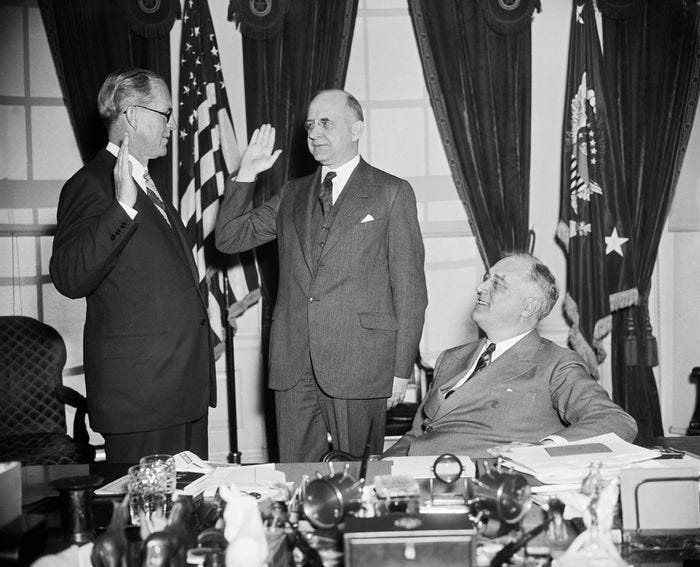
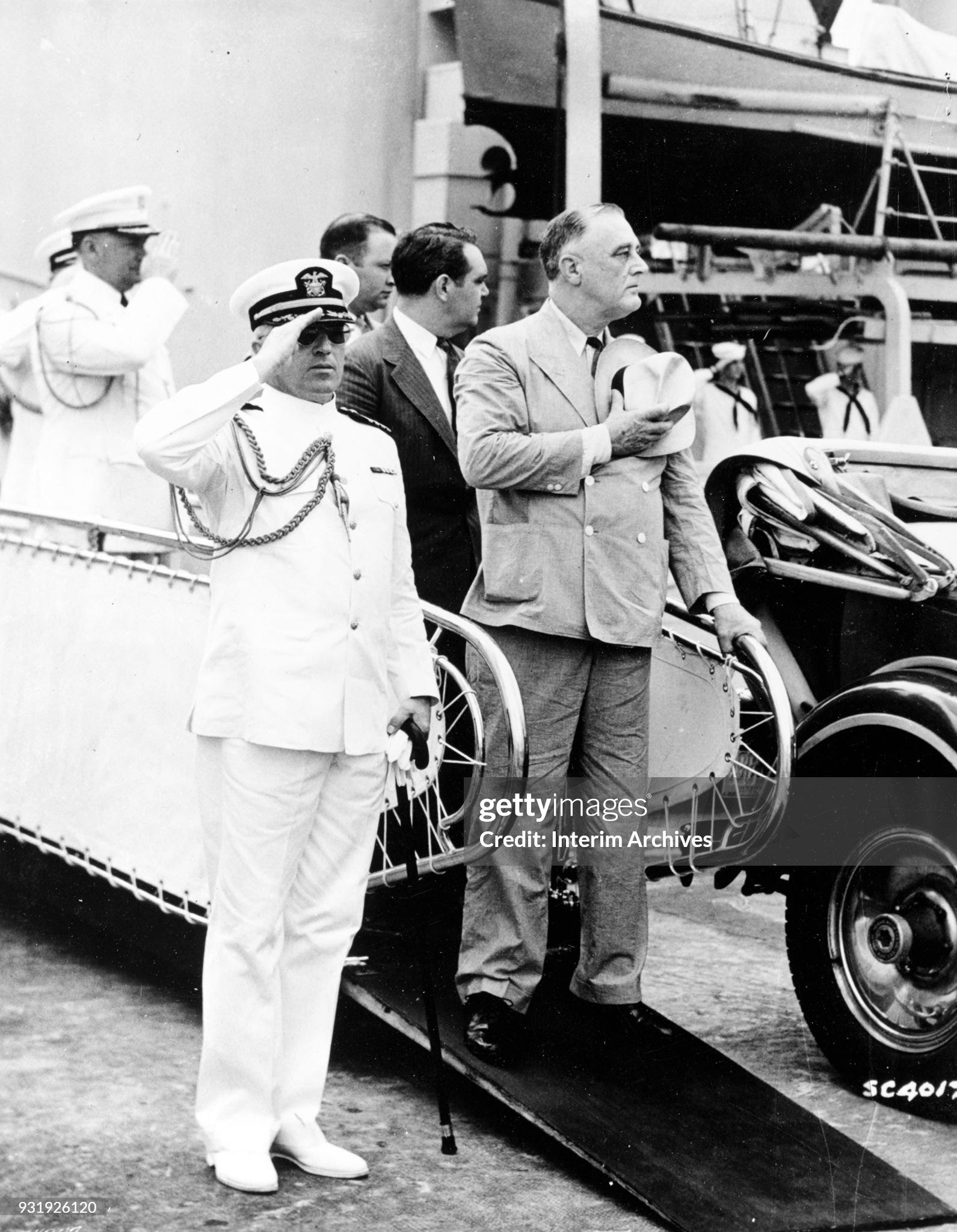
In 1938, Joseph Kennedy Sr., the father of future President John F. Kennedy, was sworn in as U.S. Ambassador to the Court of St. James’s in the Oval Office as President Franklin Roosevelt looked on.
In 1967, J. Robert Oppenheimer, the “father of the atomic bomb,” died at the age of 62.
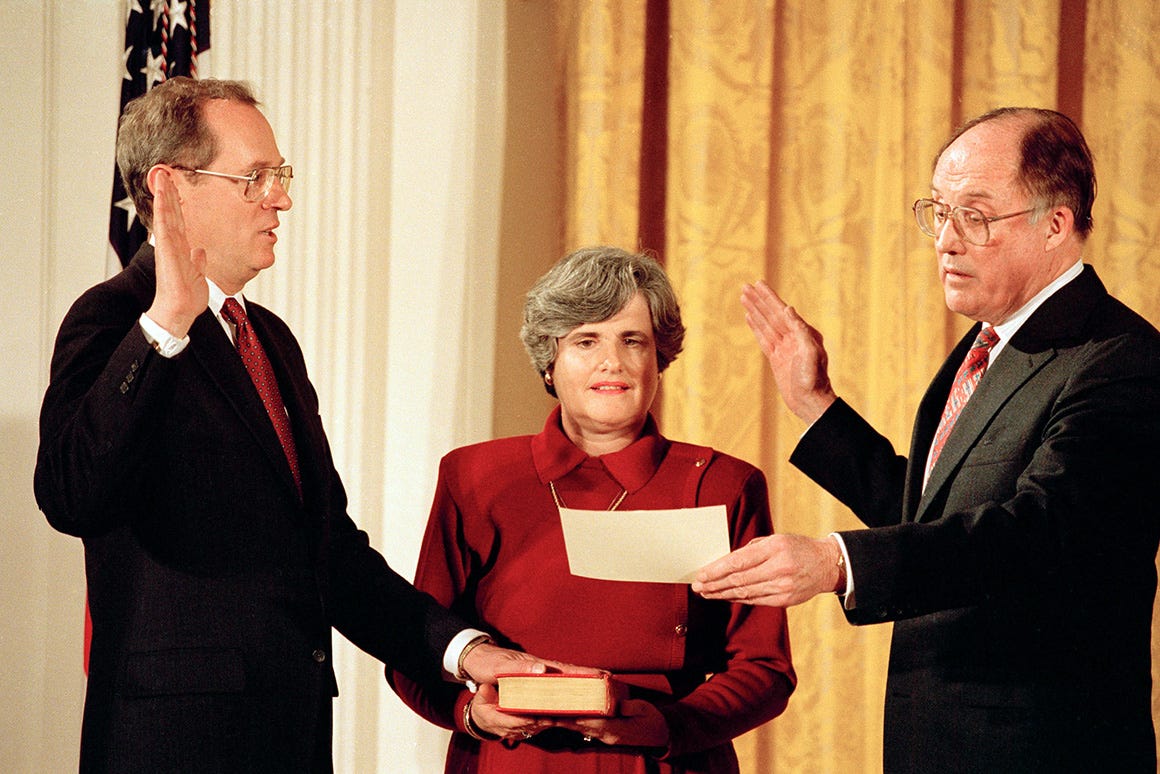
In 1988, Anthony Kennedy was seated as an Associate Justice on the Supreme Court.
Nominated by President Ronald Reagan, Kennedy would go on to serve as the Court’s crucial swing vote on issues of abortion, affirmative action, and gay marriage.
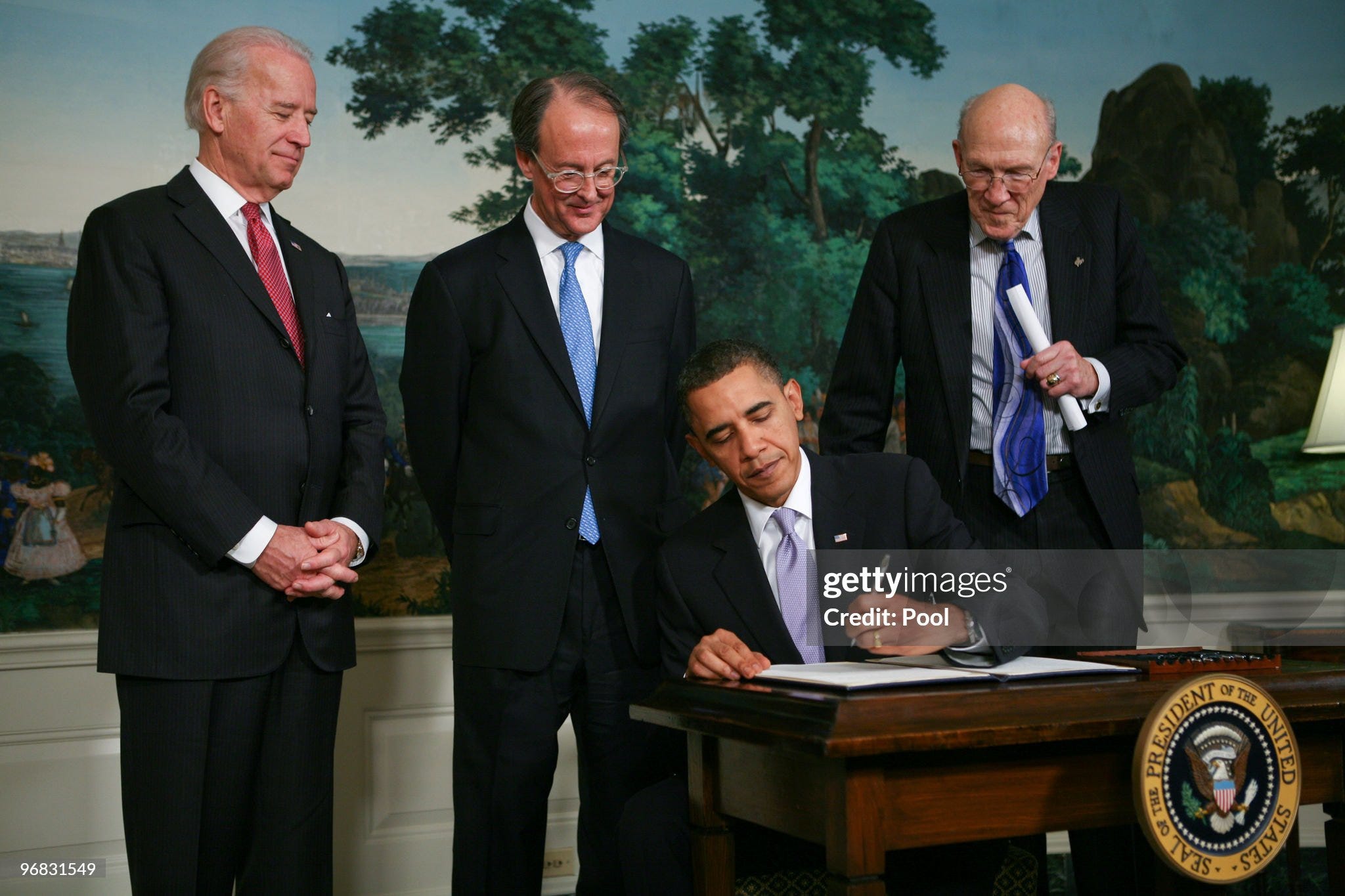
In 2010, President Barack Obama signed an executive order establishing the Fiscal Responsibility Commission, tasking Republican Alan Simpson and Democrat Erskine Bowles with identifying strategies to improve the country’s long-term fiscal outlook.
The body, known as the Simpson-Bowles Commission, issued a report titled “The Moment of Truth,” later that year, calling for a combination of spending cuts, tax and entitlement reforms, and other measures to reduce the deficit.
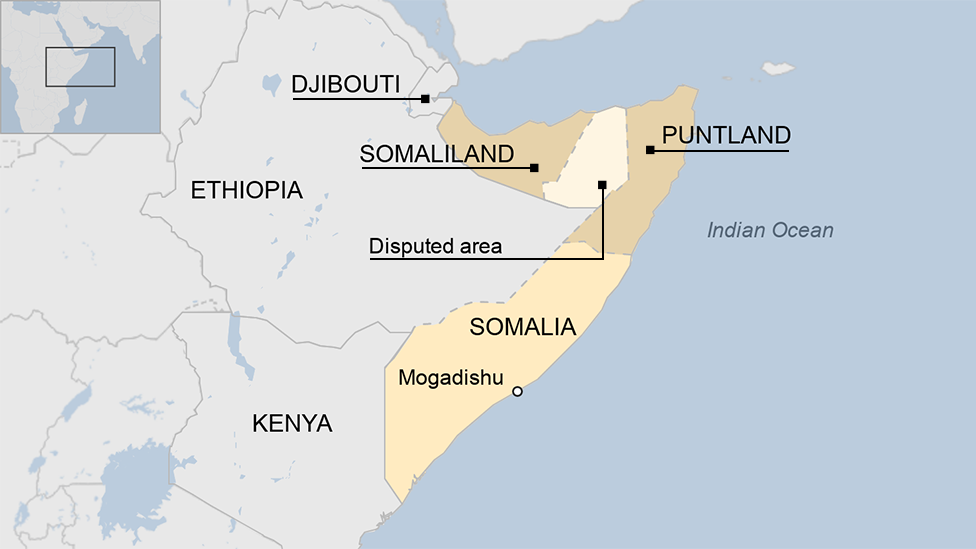
-Turkish President Recep Tayyip Erdoğan scorned Israel’s recent recognition of Somaliland, the breakaway region of Somalia, saying the move did not benefit the Horn of Africa region.
Israel officially recognized the Republic of Somaliland as an independent and sovereign state in December, becoming the first member of the United Nations to do so.
In response, Somalia called the move an “existential threat,” with President Hassan Sheikh Mohamud saying that his country would “fight in its capacity” to prevent an Israeli military presence in the region.
Somaliland declared independence in 1991 following a five-year civil war.
-Nigeria’s defense ministry said yesterday that 100 more U.S. military personnel had arrived in the country as part of a mission to counter Islamist militant groups in the West African country.
President Trump ordered strikes on Islamic State targets in the country on Christmas Day and has accused the government of failing to protect Christians in its northwestern region, a claim it rejects.
-The new U.S. Ambassador to South Africa, conservative activist and writer Leo Brent Bozell III, arrived in the country yesterday amid strained bilateral ties.
-Unemployment in South Africa declined to 31.4% in the fourth quarter, a five-year low.
The jobless rate in the country has remained above 20% since the mid-1990s and remains one of the highest in the world.
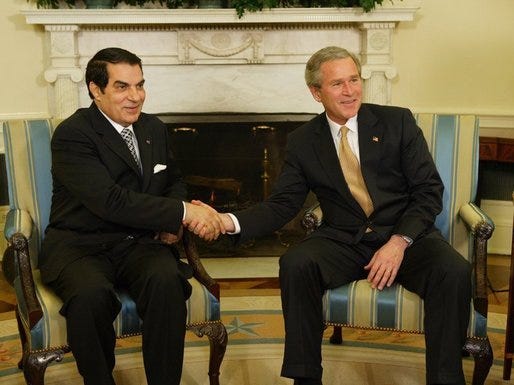
-On this day in 2004, President Bush hosted Tunisian President Zine El Abidine Ben Ali in the Oval Office as Washington sought the North African country’s cooperation in its war against terrorist organizations.
According to press reports, Bush also urged Ben Ali to adopt democratic reforms.
Ben Ali ruled Tunisia with an iron fist from 1987 until 2011 when he was ousted by a pro-democracy movement that would sweep the region, which would become known as the Arab Spring.
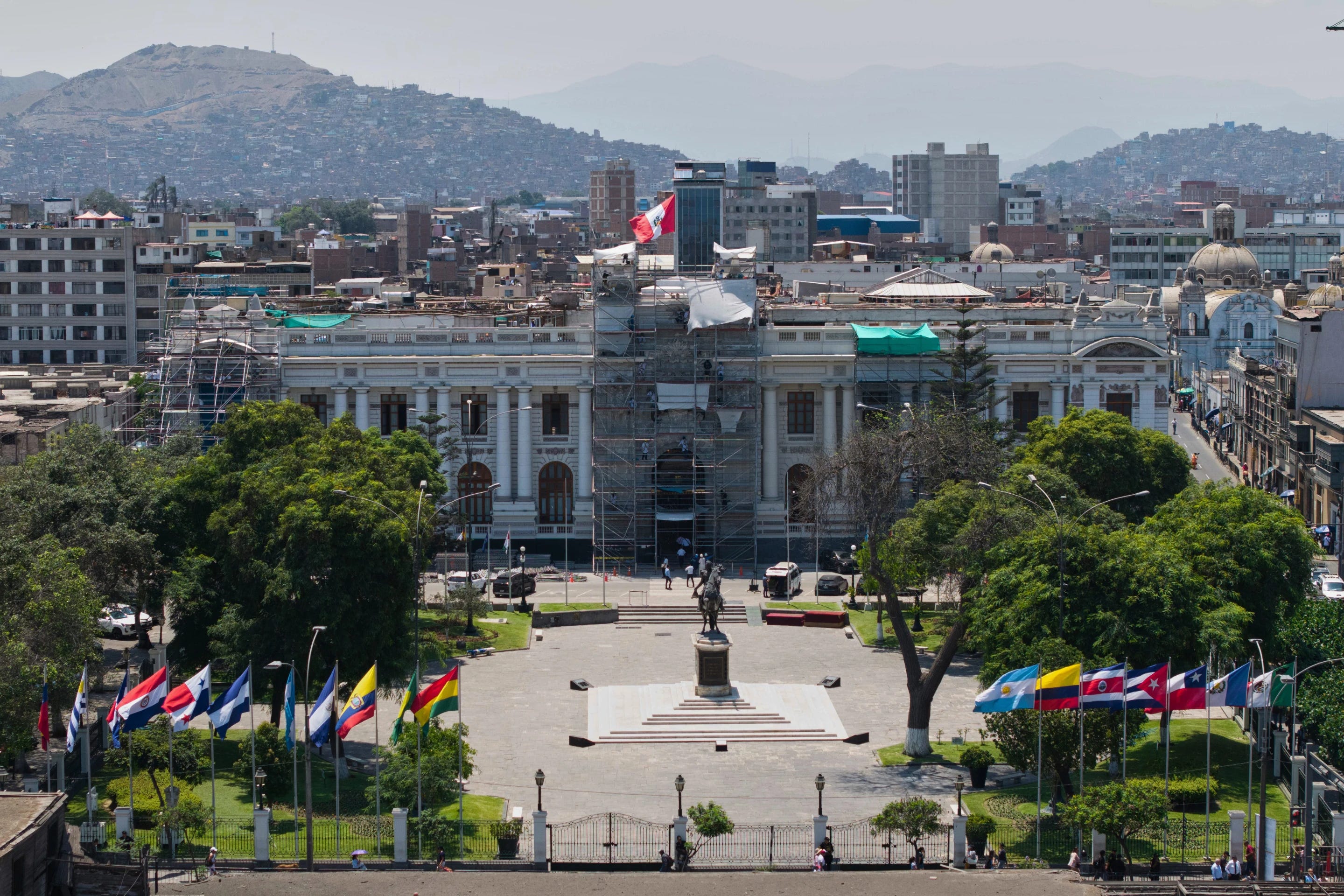
-Peru’s Congress voted to remove interim President Jośe Jorí from office yesterday over undisclosed meetings he held with Chinese business executives.
Peru’s Congress in Lima on February 16, 2026.
Jorí had just assumed office in October. His removal comes just ahead of a presidential election in April and as the public expresses outrage over rising crime in the Andean nation.
The country has had seven presidents since 2016.
-Guatemala lifted a state of emergency one month after the killing of 10 police officers by suspected gang members.
-The Colombian government said yesterday it would resume peace talks with the country’s largest illegal armed group.
-Prison deaths have continued to rise in Ecuador despite President Daniel Noboa’s strategy to rein them in, according to Reuters.
-Qatar’s prime minister arrived in Venezuela yesterday.
The Gulf nation has often acted as an intermediary between the United States and the government in Caracas.
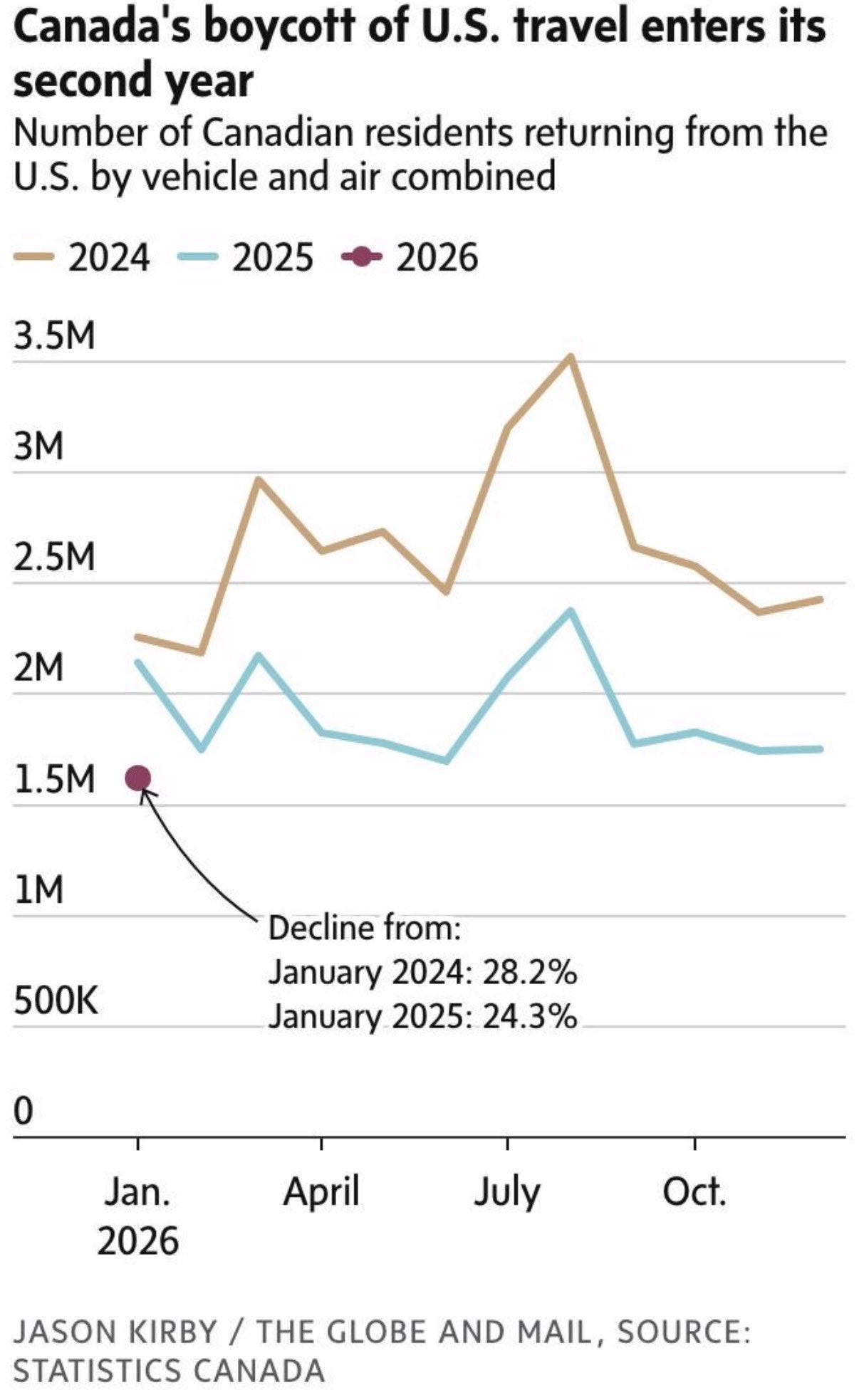
-Canadians have cut their travel to the United States for a second consecutive year, according to new data.
-Annual inflation in Canada slowed to 2.3% in January, according to government data released yesterday. The decline was fueled by a steep drop in gasoline prices, offsetting a rise in food and clothing costs.
-On this day in 1940, President Roosevelt visited the Panama Canal Zone as part of an inspection tour.
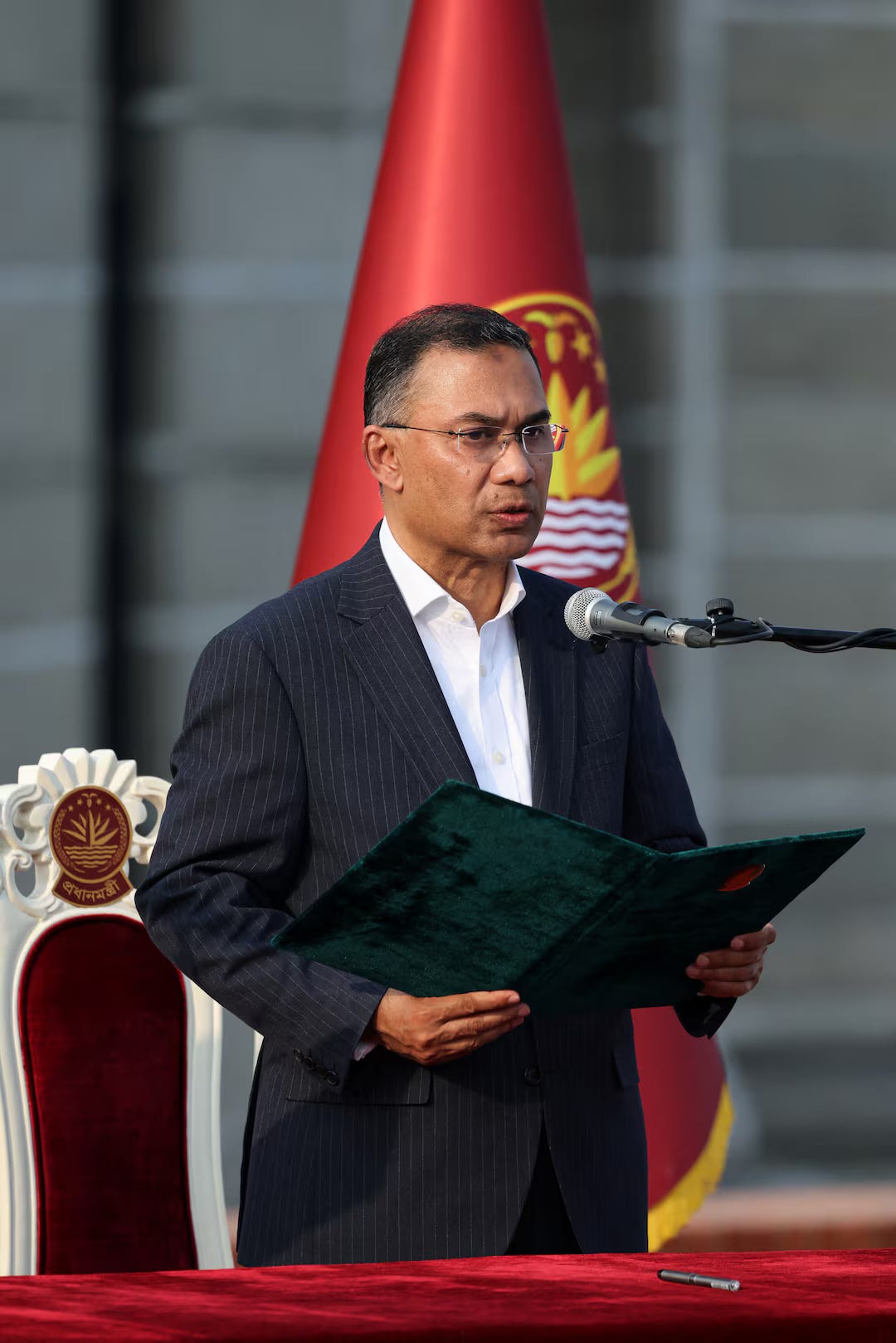
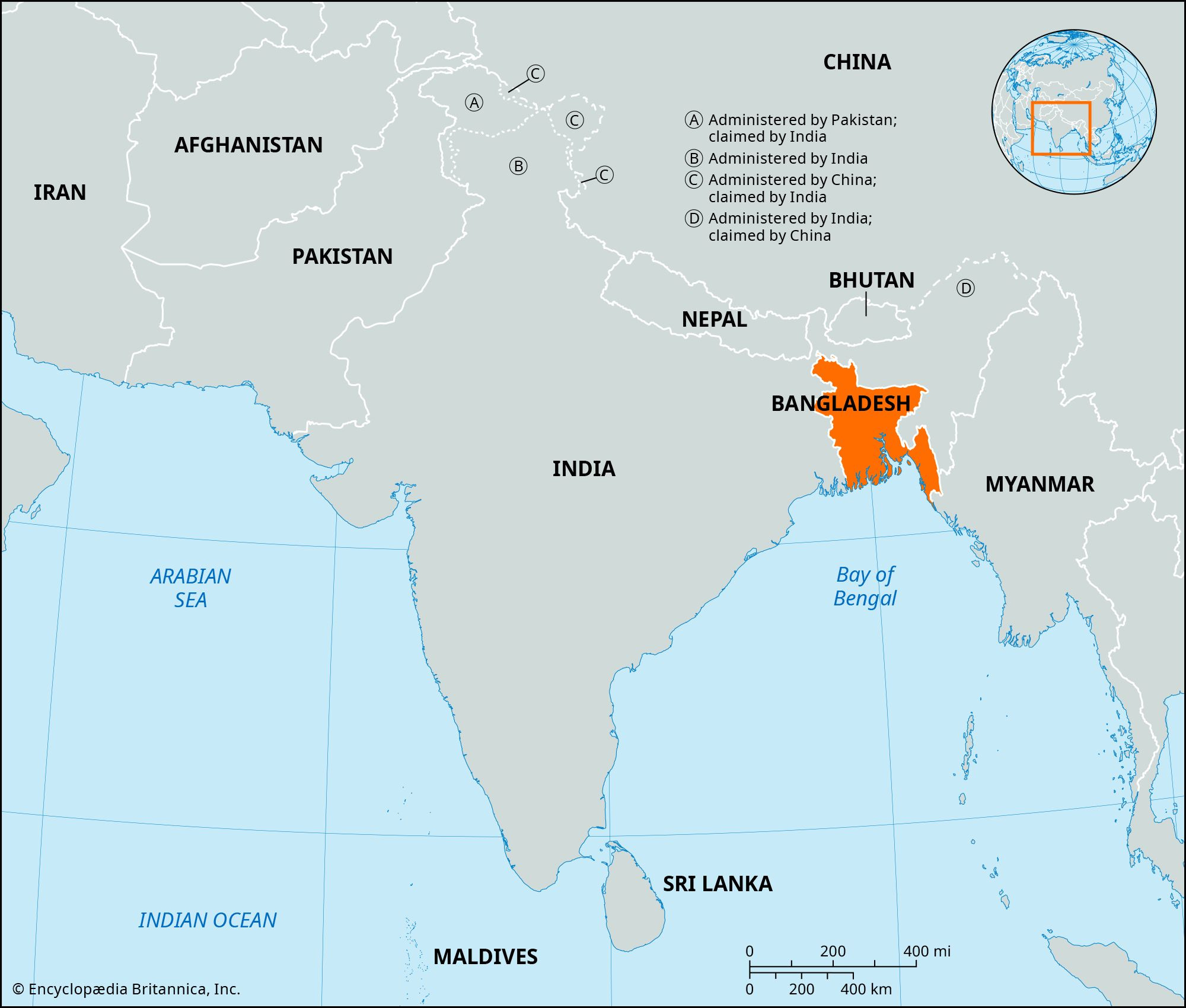
-Bangladesh Nationalist Party (BNP) leader Tarique Rahman was sworn in as prime minister yesterday, capping two years of political instability in the South Asian nation.
The BNP secured a landslide election victory in last week’s parliamentary vote—the first since the ouster of authoritarian Prime Minister Sheikh Hasina in 2024.
Hasina resigned her post following massive student-led protests against a job quota system. After a harsh crackdown by her government, protesters marched on her official residence, forcing her to flee to India.
For decades, the BNP acted as the primary opposition to Hasina’s ruling Awami League, facing persistent targeting by the government.
The country was led by a transitional government headed by Nobel Peace Prize laureate Muhammad Yunus since Hasina’s ouster.
With a population of 285 million, Bangladesh is the eighth-most populous country in the world.
-Japan’s lower house of parliament, known as the Diet, will meet today to formally elect Japanese Prime Minister Sanae Takaichi.
Earlier this month, Takaichi’s ruling Liberal Democratic Party secured a landslide election victory following a snap parliamentary vote.
-President Trump said yesterday that Japan plans to invest $36 billion for industrial projects in Georgia, Ohio, and Texas.
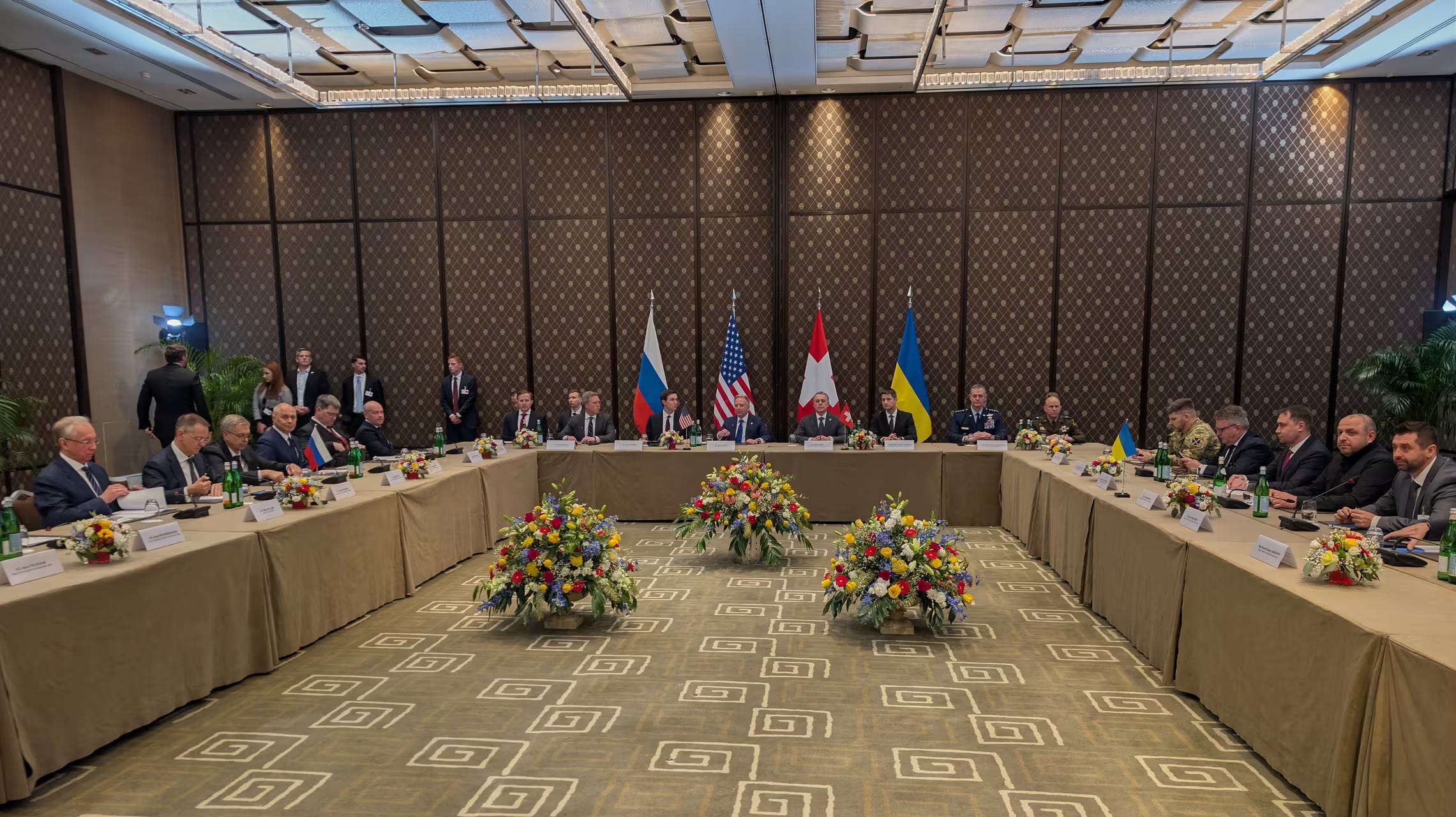
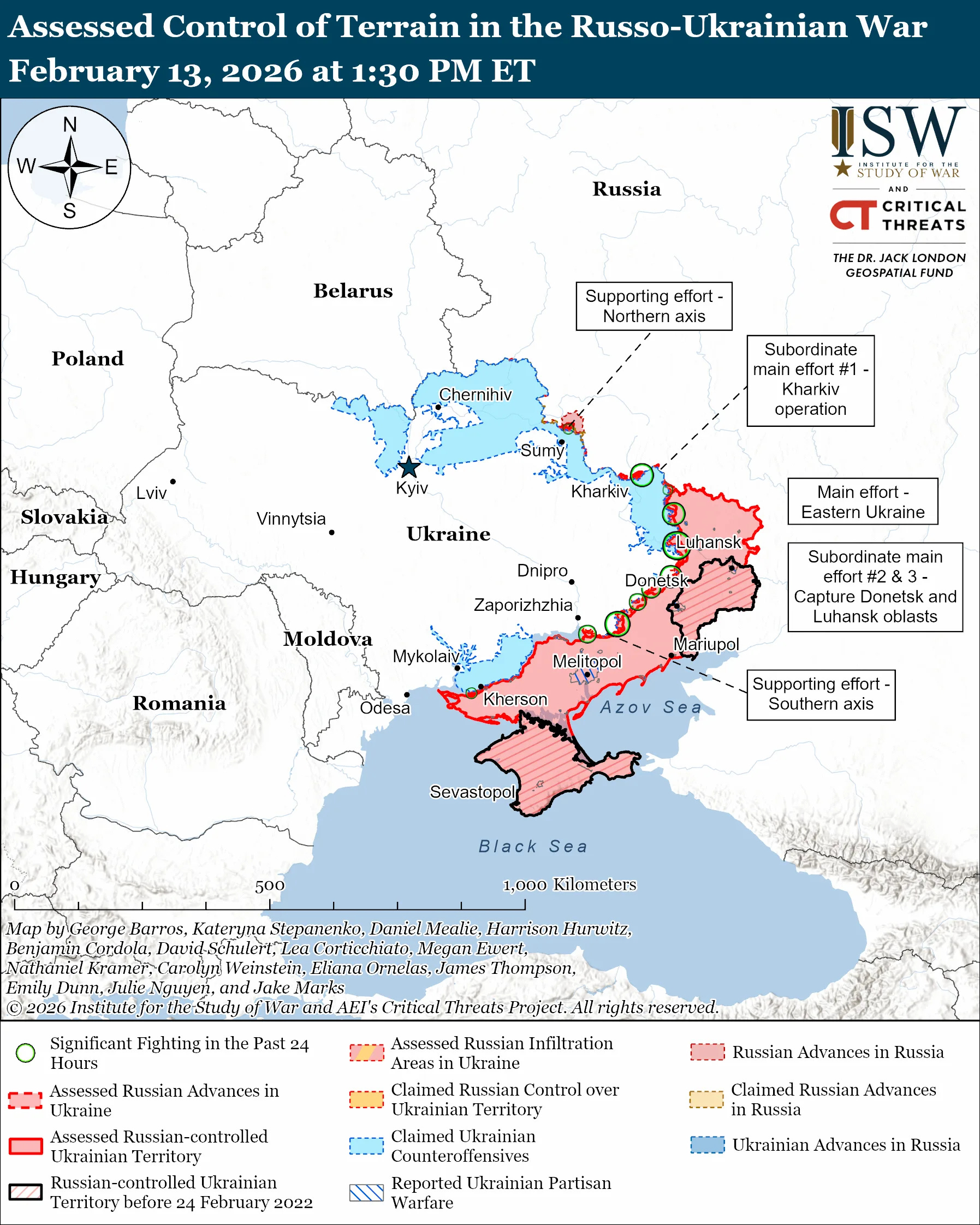
-Negotiators from Ukraine and Russia will meet today for a second round of U.S.-mediated talks as President Trump pushes Kyiv to agree to a settlement to end the nearly four-year-long war.
Just ahead of the talks in Geneva, Switzerland, Russia launched strikes across Ukraine, damaging the power network in the southern port city of Odesa.
Ukrainian President Volodymyr Zelenskyy said the persistent overnight attacks have left tens of thousands of residents without heat and water amid freezing temperatures.
Next week, the war will enter its fifth year. On February 24, 2022, Russia launched a full-scale military invasion of the country, seeking to quickly capture the capital, but was met by resistance from Ukrainian forces.
Since then, Russia has captured roughly 20% of Ukraine’s internationally recognized territory, with fighting stalling along the frontlines in recent months.
Meanwhile, an estimated 100,000 to 140,000 Ukrainian soldiers have been killed, compared with 275,000 to 325,000 Russian troops.
-Russia sentenced a U.S. citizen to four years in prison.
-According to a new poll, one in five Europeans say dictatorship is preferable to democratic rule.
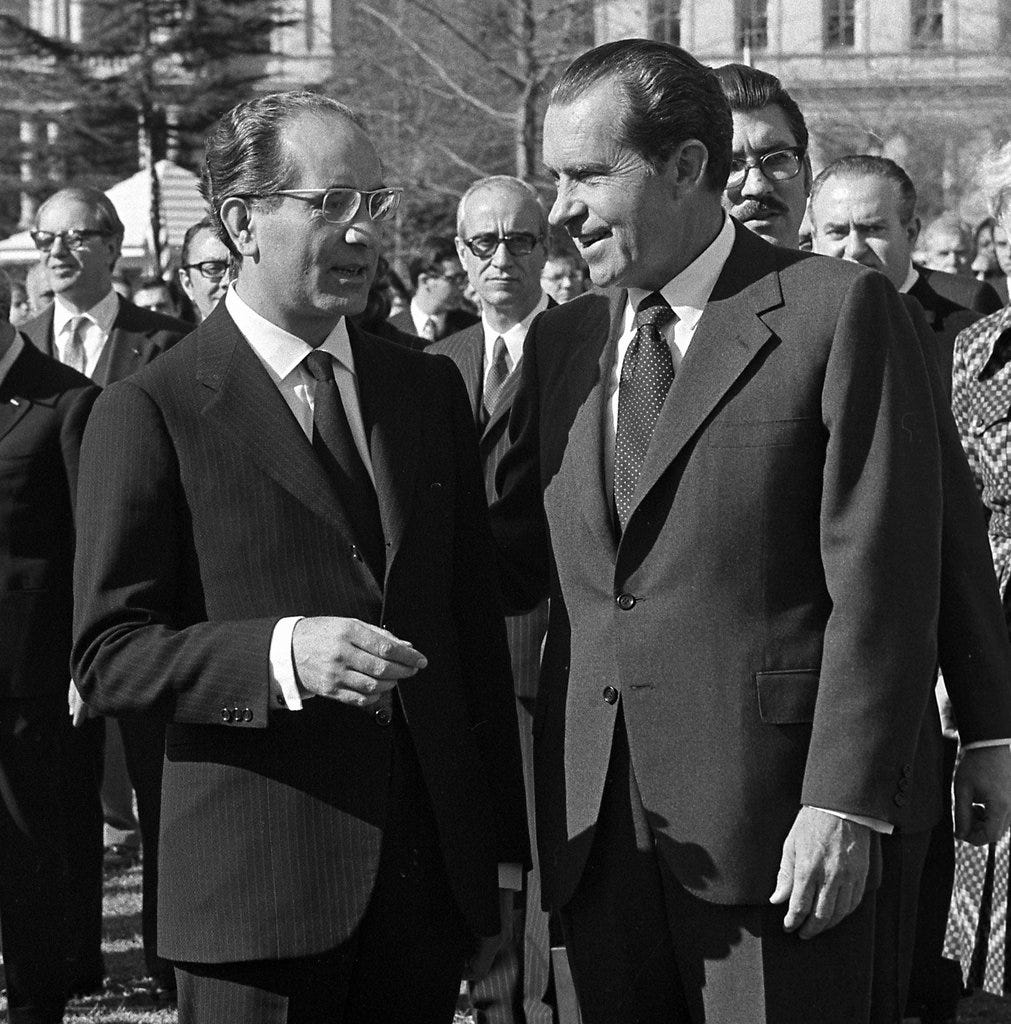
-On this day in 1971, President Richard Nixon hosted Italian Prime Minister Emilio Colombo at the White House.
Colombo, who served as premier from 1970 to 1972, was the last surviving member of the Constituent Assembly that drafted the 1948 Italian Constitution and abolished the country’s monarchy.
Today, he is regarded as a “founding father” of what would become the European Union.
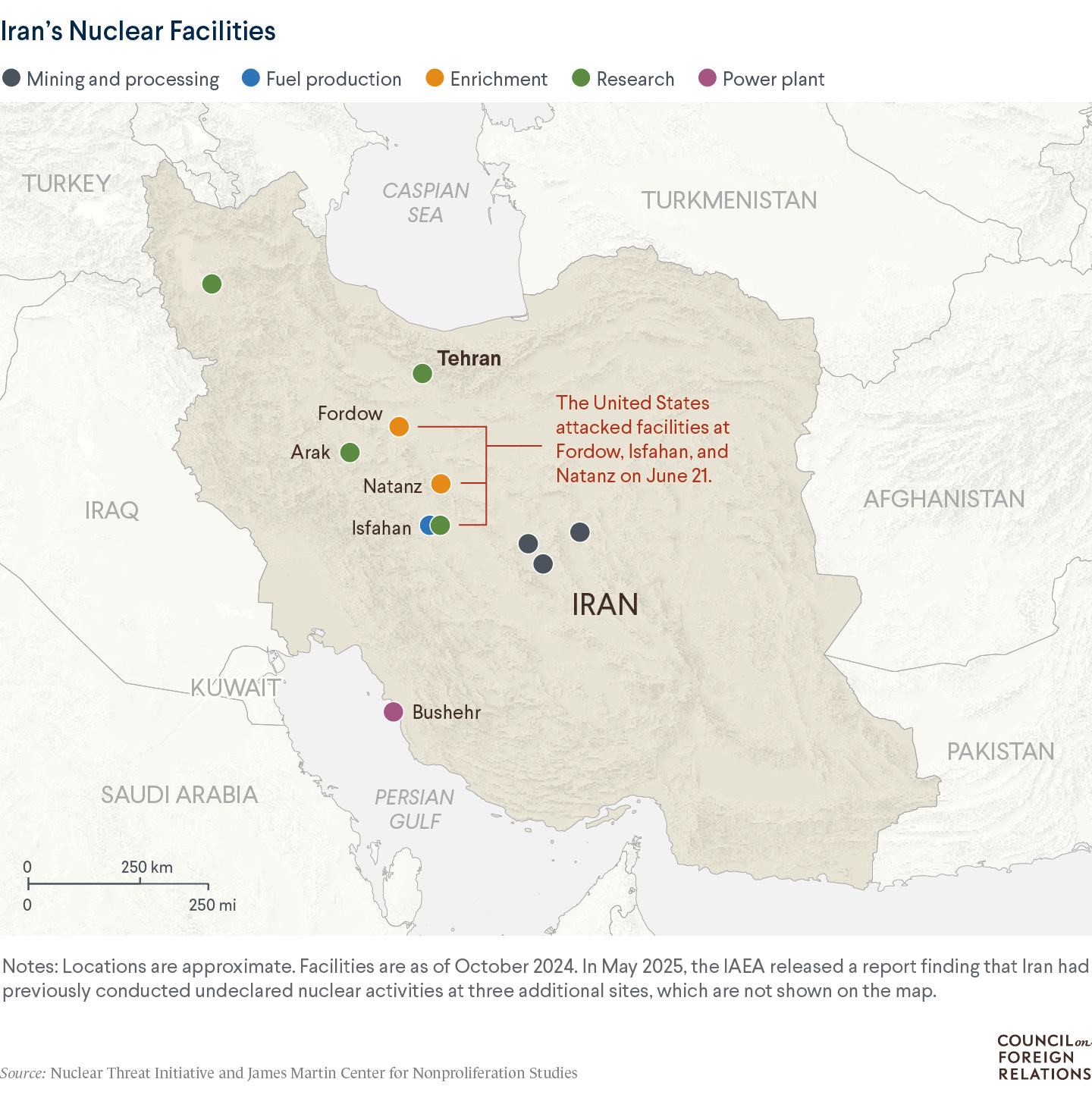
-The United States and Iran held a second round of talks in Geneva, Switzerland, yesterday, with Iranian Foreign Minister Abbas Araqchi saying the two sides agreed to “guiding principles.”
The talks come as President Trump seeks to get Iran to agree to limit its nuclear program, threatening military action if it does not.
In June, Trump ordered strikes on three Iranian nuclear facilities in a bid to disable its nuclear program. Tehran insists the program is for peaceful purposes, which Washington and European capitals reject.
In his first term, Trump withdrew Washington from the pact struck by his predecessor, Barack Obama, that placed curbs on Tehran’s then-nascent nuclear program. The Biden administration sought to bring Iran back into compliance with the terms of the deal, formally known as the Joint Comprehensive Plan of Action (JCPOA), but was unsuccessful.
According to the International Atomic Energy Agency (IAEA), Iran possesses a substantial stockpile of enriched uranium, the fissile material needed to build a nuclear bomb. The watchdog reports that Iran has over 400 kg of 60% enriched uranium, which is just a short step from 90% weapons-grade.
-Israel’s cabinet has approved a plan that would mandate land registration in the West Bank, a move Palestinians regard as “de facto annexation.”
-Hezbollah rejected a plan by the government for the terrorist group to disarm.
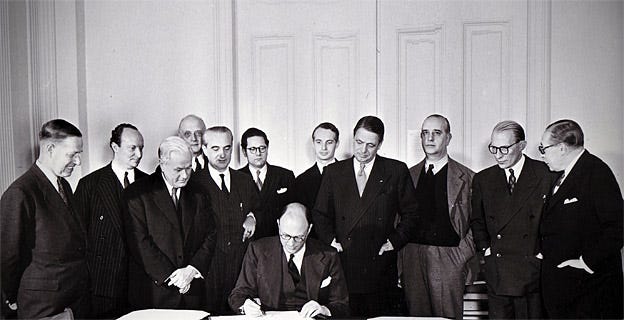
-On this day in 1952, Turkey joined the North Atlantic Treaty Organization (NATO) as the western military alliance’s 12th member state alongside Greece.
Today, the Middle Eastern country contributes the second-largest army in the bloc.


 Cesar Vasquez, who has supported families of undocumented immigrants since age 14, has become a community lifeline – and a known ICE target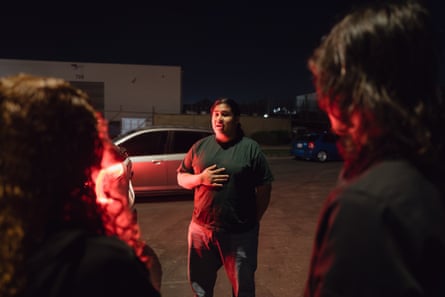




 Scottie's Playtime