
It’s A Big Flag!
Largest Human Pride Flag Ever Made by Mexican LGBTQ Activists Sets Global Record
The colorful formation draped the historic Plaza de la Constitución, capturing global attention and shattering previous records.
Matias Civita / Published Jun 23 2025, 5:03 PM EDT
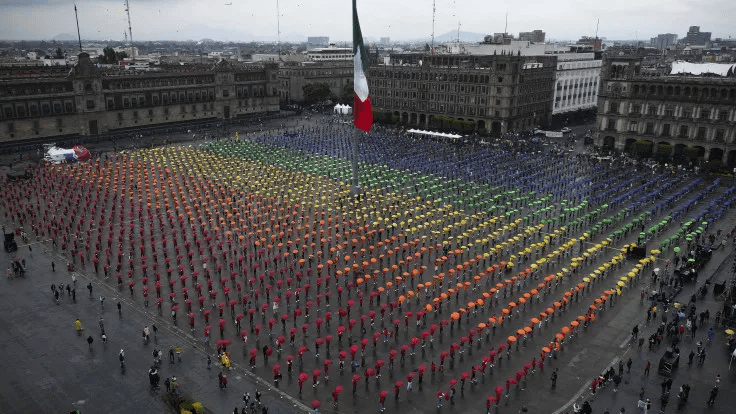
Rodrigo Oropeza/AFP via Getty Images.
In celebration of Pride Week, more than five thousand LGBTQ+ activists converged on Mexico City’s Zócalo to form the world’s largest human LGBT flag. Under a shower of rain and brandishing vibrant umbrellas, the colorful formation draped the historic Plaza de la Constitución, capturing global attention and shattering previous records.
Mexico City Mayor Clara Brugada joined the crowd led the choreography. She said during the event that “Mexico City is and will continue to be the city of rights and freedoms. This monumental image we draw with our bodies and colors will be a powerful message to the country and the world. Mexico City is the capital of pride, diversity, peace, and transformation.”
(snip-see MORE on the page)
Some Comics That Tickled Me This Morning
for my sense of humor is particularly quirky just now. Also: Stay Proud!

https://www.gocomics.com/scarygary/2025/06/24
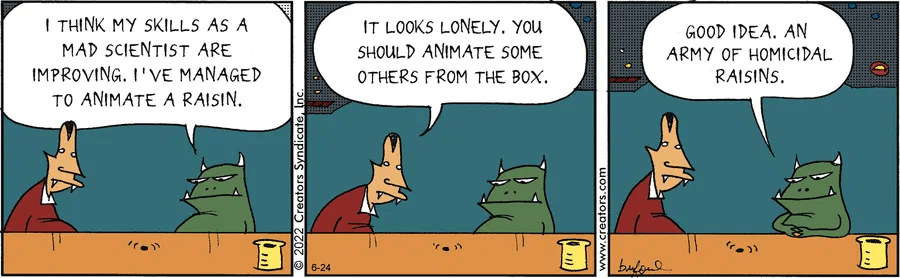
https://www.gocomics.com/saturday-morning-breakfast-cereal/2025/06/23

https://www.gocomics.com/savage-chickens/2025/06/24

https://www.gocomics.com/super-fun-pak-comix/2025/06/24
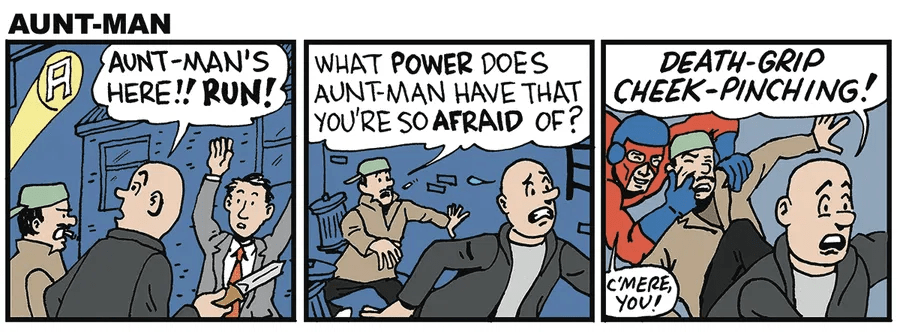
https://www.gocomics.com/ufo/2025/06/24

https://www.gocomics.com/bliss/2025/06/23

Trump to strip protections from millions of acres of national forests
https://www.washingtonpost.com/climate-environment/2025/06/23/roadless-rule-public-lands-repeal/
The Agriculture Department said it would begin the process of rolling back protections for nearly 59 million roadless acres of the National Forest System.
June 23, 2025 at 6:23 p.m. EDTYesterday at 6:23 p.m. EDTThe Tongass National Forest on Prince of Wales Island in Alaska. Currently, 92 percent of the forest — 9 million acres — is protected from logging and roadbuilding. (Salwan Georges/The Washington Post)
and
If the rollback survives court challenges, it will open up vast swaths of largely untouched land to logging and roadbuilding. By the Agriculture Department’s estimate, this would include about 30 percent of the land in the National Forest System, encompassing 92 percent of Tongass, one of the last remaining intact temperate rainforests in the world. In a news release, the department, which houses the U.S. Forest Service, criticized the roadless rule as “outdated,” saying it “goes against the mandate of the USDA Forest Service to sustain the health, diversity, and productivity of the nation’s forests and grasslands.”
Environmental groups condemned the decision and vowed to take the administration to court.
“The roadless rule has protected 58 million acres of our wildest national forest lands from clear-cutting for more than a generation,” said Drew Caputo, vice president of litigation for lands, wildlife and oceans for the environmental firm Earthjustice. “The Trump administration now wants to throw these forest protections overboard so the timber industry can make huge money from unrestrained logging.”
The Roadless Area Conservation Rule dates to the late 1990s, when President Bill Clinton instructed the Forest Service to come up with ways to preserve increasingly scarce roadless areas in the national forests. Conservationists considered these lands essential for species whose habitats were being lost to encroaching development and large-scale timber harvests.
The protections, which took effect in 2001, have been the subject of court battles and sparring between Democrats and Republicans ever since.
The logging industry welcomed the decision.
“Our forests are extremely overgrown, overly dense, unhealthy, dead, dying and burning,” said Scott Dane, executive director for the American Loggers Council, a timber industry group with members in 46 states.
He said federal forests on average have about 300 trunks per acre, while the optimal density should be about 75 trunks. Dane said President Donald Trump’s policies have been misconstrued as opening up national forests to unrestricted logging, while in fact the industry practices sustainable forestry management subject to extensive requirements.
“To allow access into these forests, like we used to do prior to 2001 and for 100 years prior to that, will enable the forest managers to practice sustainable forest management,” he said.
Monday’s announcement follows Trump’s March 1 executive order instructing the Agriculture Department and the Interior Department to boost timber production, with an aim of reducing wildfire risk and reliance on foreign imports.
Because of its vast wilderness, environmental fragility and ancient trees, Alaska’s Tongass National Forest became the face of the issue. Democrats and environmentalists argued for keeping the roadless rule in place, saying it would protect critical habitat and prevent the carbon dioxide trapped in the forest’s trees from escaping into the atmosphere. Alaska’s governor and congressional delegation have countered that the rule hurts the timber industry and the state’s economy.
After court battles kept the rule in place, Trump stripped it out in 2020, during his first term, making it legal for logging companies to build roads and cut down trees in the Tongass. President Joe Biden restored the protections, restricting development on roughly 9.3 million acres throughout the forest.
Trump officials have gone further this time, targeting not just the rule’s application in Alaska but its protections nationwide. In her comments Monday, Rollins framed the decision as an effort to reduce the threat of wildfires by encouraging more local management of the nation’s forests.
“This misguided rule prohibits the Forest Service from thinning and cutting trees to prevent wildfires,” Rollins said. “And when fires start, the rule limits our firefighters’ access to quickly put them out.”
The Forest Service manages nearly 200 million acres of land, and its emphasis on preventing wildfires from growing out of control has become more central to its mission as the blazes have become more frequent and intense because of climate change. Yet critics of the administration’s approach have said Trump officials have worsened the danger by firing several thousand Forest Service employees this year.
Advocates for the roadless rule said ending it would do little to reduce the threat of wildfires, noting that the regulation already contains an exception for removing dangerous fuels that the Forest Service has used for years.
Chris Wood, chief executive of the conservation group Trout Unlimited, said the administration’s decision “feels a little bit like a solution in search of a problem.”
“There are provisions within the roadless rule that allow for wildfire fighting,” Wood said. “My hope is once they go through a rulemaking process, and they see how wildly unpopular and unnecessary this is, common sense will prevail.”
BREAKING: Stephen Miller’s Financial Stake in ICE Contractor Palantir Raises Conflict Concerns
https://migrantinsider.com/p/stephen-miller-palantir
POGO report shows top Trump adviser owned six-figure stock in company profiting off deportations.
Stephen Miller, the influential Trump administration aide behind its hardline immigration policies, holds a substantial financial stake in Palantir Technologies — a key tech contractor for U.S. Immigration and Customs Enforcement — raising new ethics questions, according to a report published Tuesday by the Project on Government Oversight.
Miller, who served as President Donald Trump’s senior advisor on immigration and homeland security, disclosed owning between $100,001 and $250,000 of Palantir stock as of mid-March, according to financial disclosure forms obtained by the watchdog group. Ethics experts told POGO that Miller’s dual role crafting enforcement policy and investing in Palantir, which provides “mission-critical” data services for ICE, could amount to a troubling conflict of interest.
“Given Miller’s deep involvement in ICE policy and operations, this is more than just a bad look — it could easily become a serious ethics issue,” Don Fox, former acting head of the Office of Government Ethics, told POGO. “You don’t want to be in a position to say, ‘Mr. President, I can’t work on that because I have a conflict.’”
Virginia Canter, chief counsel for ethics and anticorruption at Democracy Defenders Fund and a former federal attorney, added that Miller appeared to be “just on the verge” of breaking ethics rules.
Palantir’s ICE contract and political connections have long been controversial. The company’s tools have enabled ICE agents to identify, detain and deport people, including through recent enhancements that give officers near-real-time data on self-deportations. Meanwhile, Palantir stock has surged more than 80% this year, making it one of the top performers on the S&P 500.
Miller’s disclosure also revealed that the Palantir stock is held in one of his children’s brokerage accounts, but federal ethics rules apply the same legal standards to assets owned by spouses or minor children.
In a statement to POGO, the White House defended Miller’s disclosures and said he will continue to recuse himself from decisions that could directly impact his personal investments. Palantir did not respond to POGO’s request for comment.
The report follows a pattern of Trump appointees and allies with financial interests in Palantir. POGO previously documented that at least 10 other current or former White House and Department of Homeland Security staffers also owned stock in the company. Four Trump appointees at DHS have reported owning Palantir shares, including Paul Ingrassia, White House liaison to DHS, who was recently nominated to lead the U.S. Office of Special Counsel.

Last Kiss Comics, from John Lustig


| Link to Original Art Curious to see of more of the original art? Click the link to read the entire vintage comic book for free on ComicBookPlus.com. —John |
Queer History, Blue Language, PRIDE!

Queer History 745: Patricia Highsmith – The Brilliant Fucking Architect of Queer Hope by Wendy🏳️⚧️🏳️🌈🌈
Read on Substack
In the suffocating landscape of 1950s America, when being queer could land you in a mental institution, prison, or worse, one woman sat down at her typewriter and decided to tell the truth. Patricia Highsmith didn’t just write a fucking love story—she carved out a piece of literary real estate where lesbian love could exist without punishment, where two women could find each other and actually keep each other. In a world determined to erase queer joy, she smuggled hope onto bookshelves disguised as pulp fiction.

But let’s not paint Highsmith as some sanitized literary saint. This woman was complicated as hell, brilliant as fuck, and carried enough psychological baggage to sink a goddamn ship. She was an alcoholic, a recluse, and often cruel to the people who loved her. She was also one of the most important queer voices of the 20th century, whether she wanted that label or not. Her story isn’t just about one woman’s struggle with her sexuality—it’s about the price we all pay when society forces us to live fractured lives, and the revolutionary act of refusing to let that fracture define us.
The Making of a Literary Badass
Mary Patricia Plangman was born in Fort Worth, Texas, on January 19, 1921, into a world that would spend the next several decades trying to convince her that everything she was constituted a crime against nature. Her parents, Jay Bernard Plangman and Mary Coates, divorced before she was born, and her mother married Stanley Highsmith when Patricia was three. The family moved to New York, where young Patricia would grow up surrounded by the kind of suffocating heteronormative expectations that could drive anyone to drink—and eventually did.
From childhood, Highsmith knew she was different, and not in the precious, special-snowflake way that adults like to romanticize. She was different in the way that made her feel like she was constantly walking on broken glass, knowing that one wrong step could cut her to pieces. She was attracted to women in an era when that attraction was classified as a mental illness, when “treatments” ranged from electroshock therapy to lobotomies. The psychological pressure of living with this secret would shape not just her personal relationships but every fucking word she ever wrote.
At Barnard College, Highsmith studied English literature and began to understand that stories could be weapons—tools for survival in a hostile world. She was already writing, already crafting the psychological precision that would make her famous. But she was also falling in love with women, conducting relationships in shadows and whispers, learning the exhausting choreography of the closet that would define her entire adult life.
After graduation, she moved to Greenwich Village, ostensibly to pursue her writing career but really to find some semblance of community among other artists and outcasts. The Village in the 1940s was one of the few places in America where queer people could exist with some measure of freedom, though even there, the threat of police raids and social destruction loomed constant. Highsmith found work writing for comic books, including scripts for Captain America and other superheroes—ironic, considering she was creating stories about characters who could live openly as their authentic selves while she remained trapped behind a mask of heterosexual respectability.
The Birth of Lesbian Literary Revolution
In 1951, while working at Bloomingdale’s during the Christmas rush—because even future literary legends had to pay rent—Highsmith had an encounter that would change queer literature forever. She served a beautiful blonde customer buying a doll for her daughter, and something about the interaction sparked what would become “The Price of Salt.” Later, walking through the city, Highsmith felt what she described as a “strange happiness” and knew she had to write this story.
But let’s be clear about what she was attempting: in 1952, lesbian novels ended one of two ways—with the queer character dying or going insane. Those were the only narratives society would tolerate. Happy queers were not allowed to exist in fiction because they weren’t allowed to exist in real life. Publishers, critics, and readers had been thoroughly conditioned to expect punishment for sexual deviance. A lesbian love story with a happy ending wasn’t just revolutionary—it was practically seditious.
Highsmith wrote “The Price of Salt” under the pseudonym Claire Morgan because she knew that attaching her real name to a lesbian novel would be career suicide. Even with the pseudonym, the book was relegated to the pulp fiction ghetto, sold alongside other “deviant” literature in bus stations and drugstores. The literary establishment wouldn’t touch it with a ten-foot pole, and most critics dismissed it as sensational trash designed to titillate straight male readers.
They were wrong, and they were missing the fucking point entirely.
“The Price of Salt” tells the story of Therese Belivet, a young woman working in a department store who becomes infatuated with Carol Aird, an elegant older woman going through a divorce. What follows is a love story that unfolds with the psychological complexity and emotional honesty that would become Highsmith’s trademark. But more importantly, it’s a love story where both women survive, where love is possible, where the ending doesn’t require sacrifice or punishment.
The novel found its audience despite the literary establishment’s best efforts to ignore it. Queer women passed dog-eared copies between friends, smuggled them in suitcases, hid them between mattresses. For the first time, they could read a story where people like them weren’t doomed, where lesbian love wasn’t portrayed as inherently tragic or destructive. The psychological impact was immeasurable—here was proof that queer happiness was possible, that their desires weren’t automatically poisonous.
The Psychological Architecture of Survival
Understanding Highsmith’s impact on LGBTQIA+ people requires understanding the psychological landscape they were navigating in mid-20th century America. This was an era of institutionalized homophobia so complete and systematic that it’s hard to imagine from our current perspective. Homosexuality was classified as a mental illness. Same-sex relationships were illegal in every state. Queer people were barred from government employment, discharged from the military, subjected to police harassment, and often rejected by their families.
The psychological effects of living under this kind of systematic oppression were devastating. Queer people internalized shame, developed elaborate systems of concealment, and often struggled with depression, anxiety, and suicidal ideation. The absence of positive representation in media and literature reinforced the message that queer love was inherently destructive, that happiness wasn’t possible for people like them.
Into this psychological wasteland, Highsmith dropped a fucking bomb of hope.
“The Price of Salt” didn’t just tell queer women that love was possible—it showed them what that love might look like. Carol and Therese weren’t tragic figures destroyed by their desires; they were complex, flawed, human women who found each other and fought to stay together. The novel’s ending, with Therese choosing Carol over societal expectations, was nothing short of revolutionary.
But Highsmith’s psychological insight went deeper than just providing positive representation. She understood the specific ways that homophobia warped relationships, the paranoia and secrecy that poisoned even the most genuine connections. Carol’s ex-husband uses their daughter as leverage, threatening to take the child away if Carol doesn’t renounce her “perversion.” The constant threat of exposure hangs over every tender moment, every stolen glance, every whispered conversation.
This wasn’t melodrama—this was documentary realism for queer people living in the 1950s. Highsmith captured the specific psychological toll of living in the closet, the way fear could poison love, the exhausting vigilance required to maintain a double life. But she also showed that despite all this, love could survive, relationships could endure, happiness was fucking possible.
The Ripple Effects: How One Book Changed Everything
The immediate impact of “The Price of Salt” was profound but largely invisible. Queer women didn’t write letters to newspapers praising the book—that would have been social suicide. Instead, they quietly bought copies, passed them along to friends, and felt something shift inside themselves when they read about Carol and Therese’s love story.
Dr. Eli Coleman, a sexologist who has studied the impact of literature on LGBTQIA+ identity formation, argues that positive representation in fiction serves a crucial psychological function for marginalized communities. “When people see themselves reflected positively in stories,” Coleman explains, “it validates their experiences and provides a roadmap for possibility. For queer people in the 1950s, who had almost no positive representation anywhere, a novel like ‘The Price of Salt’ could literally be life-saving.”
The psychological impact extended beyond individual readers to the broader cultural conversation about homosexuality. While the book didn’t immediately change mainstream attitudes—that would take decades—it planted seeds that would eventually bloom into the gay rights movement. Young people who read Highsmith’s novel grew up with the revolutionary idea that queer love didn’t have to end in tragedy, that happiness was possible for people like them.
This shift in narrative possibilities had profound philosophical implications. If queer love could be portrayed as beautiful, complex, and worthy of a happy ending, then the entire moral framework that condemned homosexuality began to crack. Highsmith wasn’t just telling a love story—she was challenging the fundamental assumptions that justified queer oppression.
The Complex Psychology of Patricia Highsmith
While Highsmith was creating revolutionary representation for other queer people, her own relationship with her sexuality remained deeply complicated. She never publicly came out, never became an activist, and often seemed uncomfortable with the idea that “The Price of Salt” had become a touchstone for lesbian readers. This wasn’t just garden-variety internalized homophobia—though that was certainly part of it—but a complex psychological response to a lifetime of navigating hostile territory.
Highsmith’s personal relationships were often tumultuous and self-destructive. She drank heavily, maintained emotional distance even from intimate partners, and seemed to prefer the company of her numerous cats to most humans. Friends and lovers described her as brilliant but difficult, generous but cruel, capable of profound empathy and stunning callousness sometimes within the same conversation.
This psychological complexity was both a source of her literary genius and a reflection of the damage caused by a lifetime in the closet. Highsmith had spent so many years concealing her true self that authenticity became nearly impossible. She developed what psychologists call “minority stress”—the chronic psychological tension experienced by stigmatized groups who must constantly monitor and modify their behavior to avoid discrimination.
The effects of minority stress on LGBTQIA+ individuals are well-documented: higher rates of depression and anxiety, difficulty forming intimate relationships, substance abuse, and a persistent sense of alienation from mainstream society. Highsmith exhibited many of these symptoms throughout her life, but she also channeled that psychological complexity into her writing, creating characters whose inner lives were as intricate and contradictory as her own.
Her later novels, including the famous Tom Ripley series, explored themes of identity, deception, and the psychology of outsiders—all subjects she knew intimately from her own experience as a closeted lesbian. While these books weren’t explicitly queer, they were infused with the psychological insights that came from a lifetime of living on society’s margins.
Social Impact: Cracking the Foundations of Heteronormativity
“The Price of Salt” didn’t exist in a vacuum—it was part of a slowly building wave of cultural change that would eventually reshape American attitudes toward sexuality. But Highsmith’s contribution was unique in its subtlety and psychological sophistication. Unlike the explicitly political gay rights literature that would emerge in later decades, her novel worked by stealth, smuggling queer humanity into mainstream consciousness through the back door of popular fiction.
The book’s classification as pulp fiction was actually crucial to its impact. While “serious” literature was consumed primarily by educated elites, pulp novels reached a much broader audience. Working-class people, teenagers, small-town residents—people who might never encounter openly queer individuals in their daily lives—were reading about Carol and Therese’s love story. The seeds of empathy were being planted in unexpected soil.
This demographic reach had significant social implications. When the gay rights movement began to gain momentum in the 1960s and 1970s, it wasn’t starting from scratch. Thanks to novels like “The Price of Salt,” millions of Americans had already been exposed to positive portrayals of queer relationships. The ground had been prepared, even if most people didn’t realize it.
The philosophical implications were equally profound. For centuries, Western society had constructed elaborate theological and pseudo-scientific justifications for condemning homosexuality. These arguments depended on portraying queer love as inherently unnatural, destructive, and incapable of producing genuine happiness. Highsmith’s novel didn’t engage these arguments directly—it simply rendered them irrelevant by showing that none of them were true.
Carol and Therese’s relationship was portrayed as natural, nurturing, and fulfilling. They weren’t predators or victims, sick or sinful—they were simply two women who fell in love. This narrative simplicity was actually a sophisticated philosophical assault on the entire edifice of heteronormative ideology.
The Continuing Revolution: Highsmith’s Legacy in Contemporary LGBTQIA+ Culture
When “The Price of Salt” was reissued in 1990 under Highsmith’s real name with the new title “Carol,” it found a new generation of readers who could appreciate its revolutionary impact. The AIDS crisis had decimated the gay male community, and lesbian feminism was providing crucial leadership in the broader LGBTQIA+ rights movement. Highsmith’s novel was rediscovered as a foundational text, a reminder of how far the community had come and how much further it still needed to go.
The 2015 film adaptation, starring Cate Blanchett and Rooney Mara, introduced Highsmith’s story to an even broader audience and sparked new conversations about queer representation in media. The film’s lush cinematography and devastating emotional honesty brought Carol and Therese’s love story to life for a generation raised on increasing LGBTQIA+ visibility but still fighting for full equality.
For contemporary LGBTQIA+ people, particularly young people struggling with their sexual or gender identity, Highsmith’s work continues to provide crucial psychological support. In an era of increasing political backlash against queer rights, when transgender youth face legislative attacks and gay marriage remains under threat, the simple existence of stories like “Carol” serves as a reminder that queer love has always existed, has always been beautiful, and has always been worth fighting for.
The psychological impact is particularly powerful for young people from conservative backgrounds or regions where LGBTQIA+ visibility remains limited. Reading about Carol and Therese’s love story can be the first time these individuals encounter the revolutionary idea that their desires are valid, that happiness is possible, that they aren’t broken or sinful or destined for tragedy.
The Philosophical Architecture of Queer Joy
Highsmith’s greatest achievement wasn’t just creating positive lesbian representation—it was constructing a philosophical framework for queer joy that transcended the specific circumstances of her characters. “The Price of Salt” argues, through narrative rather than polemic, that love itself is the highest human value, that authentic relationships matter more than social approval, and that individuals have the right to pursue happiness even when that pursuit challenges conventional morality.
This philosophical stance was radical in 1952 and remains challenging today. American society continues to struggle with the tension between individual freedom and social conformity, between traditional values and evolving understanding of human sexuality and gender identity. Highsmith’s novel doesn’t resolve these tensions—it simply insists that love transcends them all.
The book’s ending is particularly significant in this regard. Therese’s choice to pursue a relationship with Carol isn’t portrayed as a rejection of society or a declaration of war against heteronormativity. It’s simply a young woman choosing love over fear, authenticity over approval, joy over safety. The philosophical implications are profound: if individuals have the right to pursue happiness, and if love between consenting adults is inherently valuable, then society’s objections become irrelevant.
This isn’t the angry politics of later gay liberation movements—it’s something more subtle and perhaps more subversive. Highsmith wasn’t arguing that society should accept queer people; she was arguing that queer people didn’t need society’s acceptance to live full, meaningful lives. The audacity of that position, especially in 1952, cannot be overstated.
The Psychological Legacy: How One Story Saves Lives
The most important measure of Highsmith’s impact isn’t literary criticism or sales figures—it’s the immeasurable number of LGBTQIA+ lives that have been saved by her willingness to imagine queer happiness. In a community where suicide rates remain tragically high, where young people continue to face rejection and violence for their sexual or gender identity, stories matter in ways that straight, cisgender people often struggle to understand.
Dr. Ryan Watson, who studies the relationship between media representation and LGBTQIA+ mental health, explains: “For young people questioning their sexuality or gender identity, seeing positive representation in media can literally be the difference between life and death. When you’re told by your family, your school, your church, and your government that you’re fundamentally wrong or broken, finding stories where people like you are happy and loved can provide the hope necessary to survive.”
“The Price of Salt” has been providing that hope for over seventy years. It sits on countless bookshelves, gets passed between friends, appears on recommended reading lists, and continues to whisper the same revolutionary message to each new generation of readers: you are not alone, your love is valid, happiness is possible.
The novel’s impact extends beyond individual readers to the broader cultural conversation about LGBTQIA+ rights and representation. Every positive portrayal of queer relationships in contemporary media owes a debt to Highsmith’s pioneering work. Every time a young person sees themselves reflected positively in a book, movie, or television show, they’re benefiting from the foundation she laid in 1952.
The Ongoing Fight: Highsmith’s Relevance in Contemporary Struggles
As LGBTQIA+ people continue to fight for full equality and acceptance, Highsmith’s work remains remarkably relevant. The psychological insights she provided about the costs of closeting, the importance of authentic relationships, and the possibility of queer joy continue to resonate with contemporary experiences.
Young transgender people facing legislative attacks and social rejection can find solidarity in Therese’s struggle to live authentically despite social pressure. Gay men navigating family rejection might recognize themselves in Carol’s battle to maintain relationships with her loved ones while refusing to deny her true self. Lesbian couples fighting for the right to parent can draw strength from Carol and Therese’s determination to build a life together despite legal and social obstacles.
The philosophical framework Highsmith constructed—that love transcends social convention, that individual happiness matters, that authenticity is worth fighting for—remains a powerful tool for contemporary LGBTQIA+ activism. While the specific battles have evolved, the underlying struggle between individual freedom and social control continues.
Perhaps most importantly, Highsmith’s work reminds us that representation matters, that stories have power, that the simple act of imagining queer happiness can be a revolutionary force. In an era when politicians and pundits continue to debate the “appropriateness” of LGBTQIA+ visibility, her novel stands as proof that queer people have always existed, have always loved, and have always deserved the chance to pursue happiness.
Conclusion: The Fucking Beautiful Truth
Patricia Highsmith died in 1995, long enough to see some of the changes her work helped create but not long enough to witness marriage equality, widespread LGBTQIA+ representation in media, or the growing acceptance of transgender rights. She remained complicated and contradictory until the end—a brilliant writer who struggled with intimacy, a queer pioneer who never fully embraced that role, a woman who gave hope to millions while often seeming to have little hope for herself.
But her legacy isn’t diminished by her personal struggles—if anything, it’s enhanced by them. Highsmith’s psychological complexity, her understanding of the costs of closeting, her ability to create characters who were both strong and vulnerable, all stemmed from her own experiences navigating a hostile world. She transformed her pain into art, her isolation into empathy, her struggle into a story that continues to save lives.
“The Price of Salt” stands as proof that individual acts of courage can have ripple effects that extend far beyond what their creators ever imagine. When Highsmith sat down to write about Carol and Therese’s love story, she probably thought she was just crafting another novel to pay the bills. Instead, she created a piece of revolutionary literature that challenged fundamental assumptions about sexuality, provided hope to countless individuals, and helped lay the groundwork for the LGBTQIA+ rights movement.
In a world that continues to tell queer people that their love is wrong, that their happiness is impossible, that they should be grateful for tolerance rather than demanding full equality, Highsmith’s novel remains a radical document. It insists that queer love is beautiful, that happiness is possible, that authenticity is worth any price society might demand.
That message, delivered with all the psychological sophistication and emotional honesty Highsmith could muster, continues to resonate with each new generation of readers who discover that they are not alone, that their love is valid, and that despite everything society might tell them, happiness is not only possible—it’s their fucking birthright.
The woman who wrote comic book heroes while hiding behind a mask of heterosexual respectability ultimately became a hero herself, not through superhuman powers but through the simple, revolutionary act of telling the truth about love. In doing so, she proved that sometimes the most powerful weapon against oppression isn’t anger or violence—it’s the audacious insistence that joy is possible, that love conquers all the bullshit society tries to pile on top of it, and that everyone deserves the chance to pursue their own beautiful, complicated, fucking magnificent version of happiness.
Peace & Justice History for 6/24

June 24, 1948 In Washington, D.C. President Harry Truman signed the Selective Service Act, creating a system for registering all men ages 18-25, and drafting them into the armed forces as the nation’s military needs required. |
| June 24, 1948 In Germany, the Soviet Union denied permission for Allied (U.S., France or Great Britain) forces to travel over Soviet-controlled territory to reach Allied-controlled West Berlin; the roads were allegedly closed for repairs and electricity was cut off to West Berlin. This was a blockade of food and all other supplies to the western enclave within East Germany and its population of more than two million.  |
| June 24, 1970 The U.S. Senate voted overwhelmingly to repeal the Gulf of Tonkin Resolution. The resolution, which had authorized the president “to take all necessary measures to repel any armed attack against the forces of the United States,” was used by President Lyndon Johnson, absent a formal congressional, and constitutional, declaration of war, to justify open-ended pursuit of war in Vietnam. The resolution was passed in August, 1964 following a provocation by the U.S. destroyer Maddox in North Vietnamese territorial waters, which was portrayed as aggressive military action by North Vietnamese PT boats. |
| June 24, 1980 A general strike was held in El Salvador against death squads, primarily military or paramilitary units carrying out political assassinations and intimidation as part of the Salvadoran government’s counterinsurgency strategy.  Salvadoran death squad destroying a village The U.S. government helped fund and train Salvadoran police forces. Questioned about the nature of the aid in a Senate hearing, Undersecretary of State for Latin American Affairs Elliott Abrams said, “I think that government has earned enough trust, as I think we have earned enough trust, not to be questioned, frankly, about exporting torture equipment. But I would certainly be in favor of giving it to them if they want it.” Noam Chomsky on El Salvador |
https://www.peacebuttons.info/E-News/peacehistoryjune.htm#june24
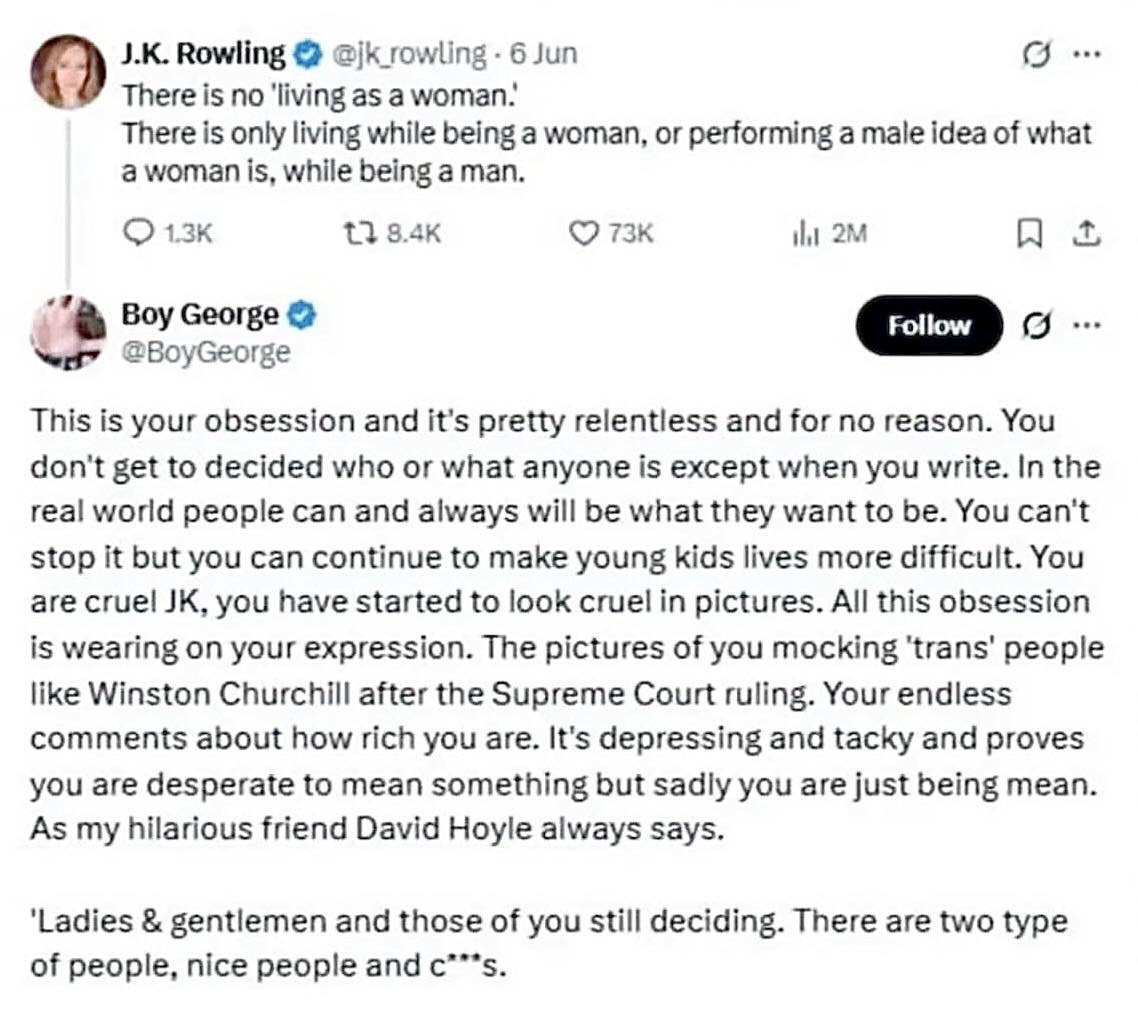
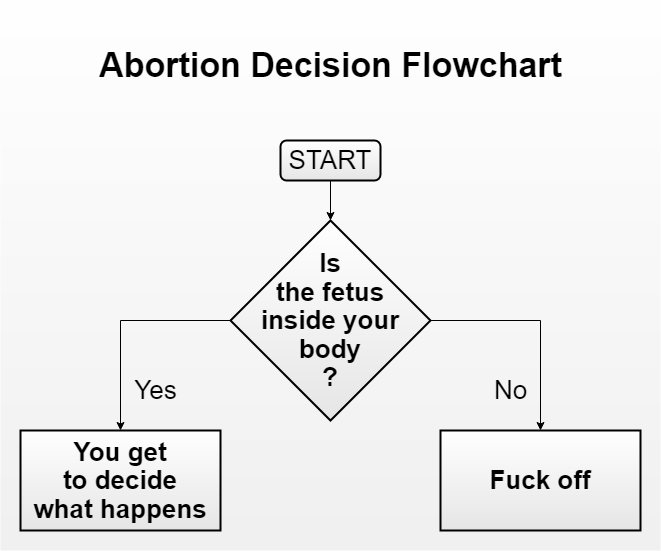
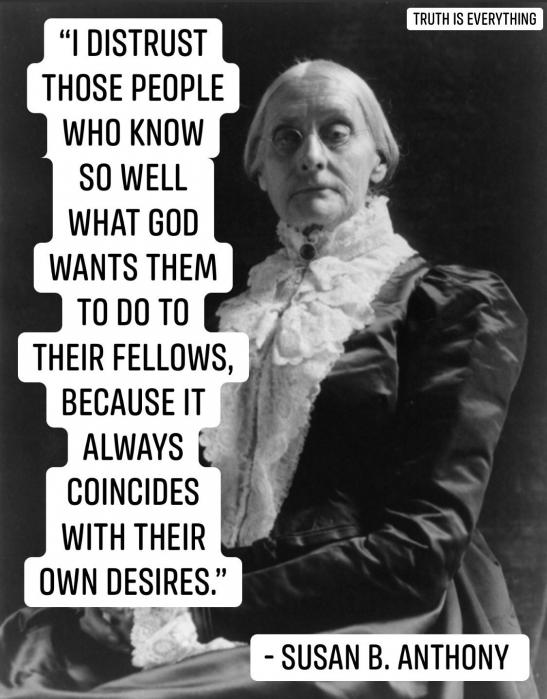
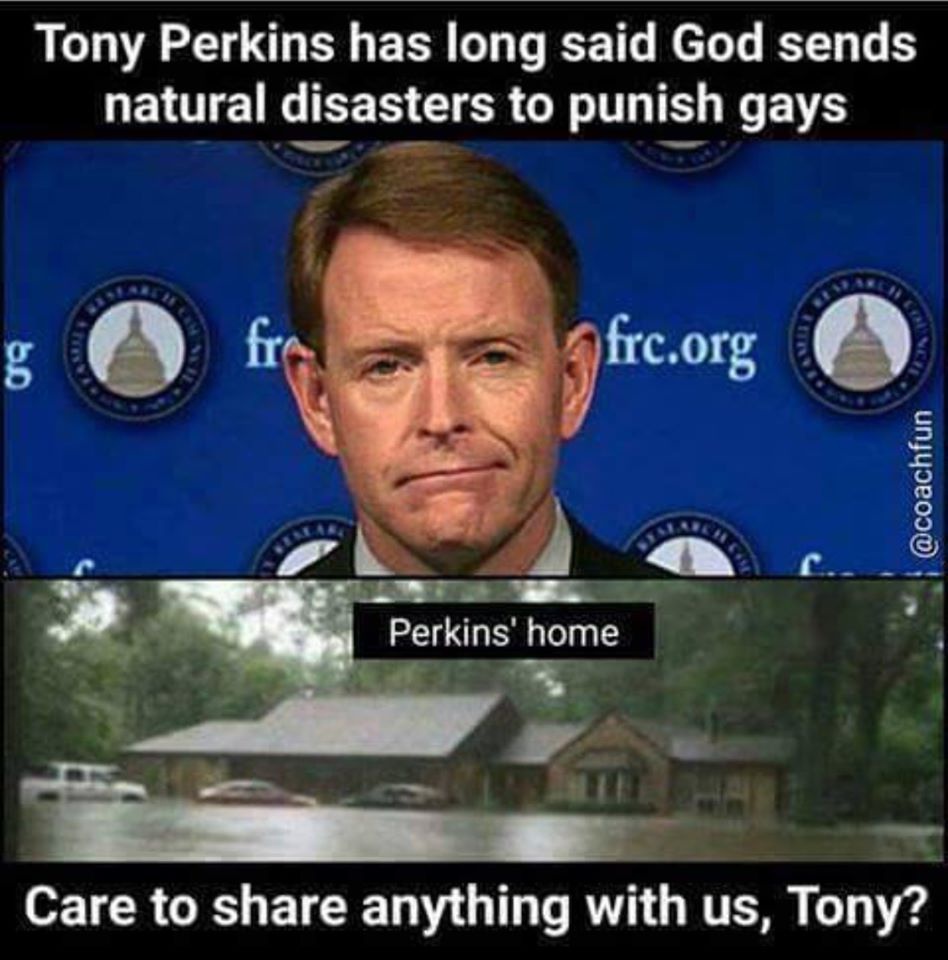
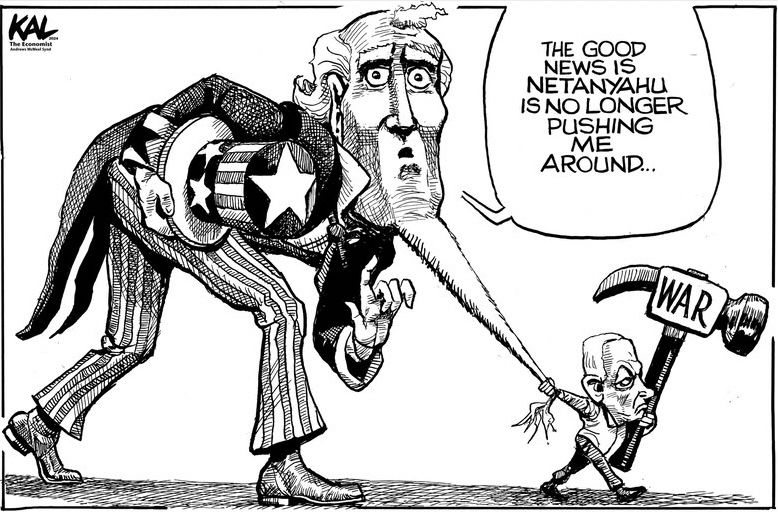
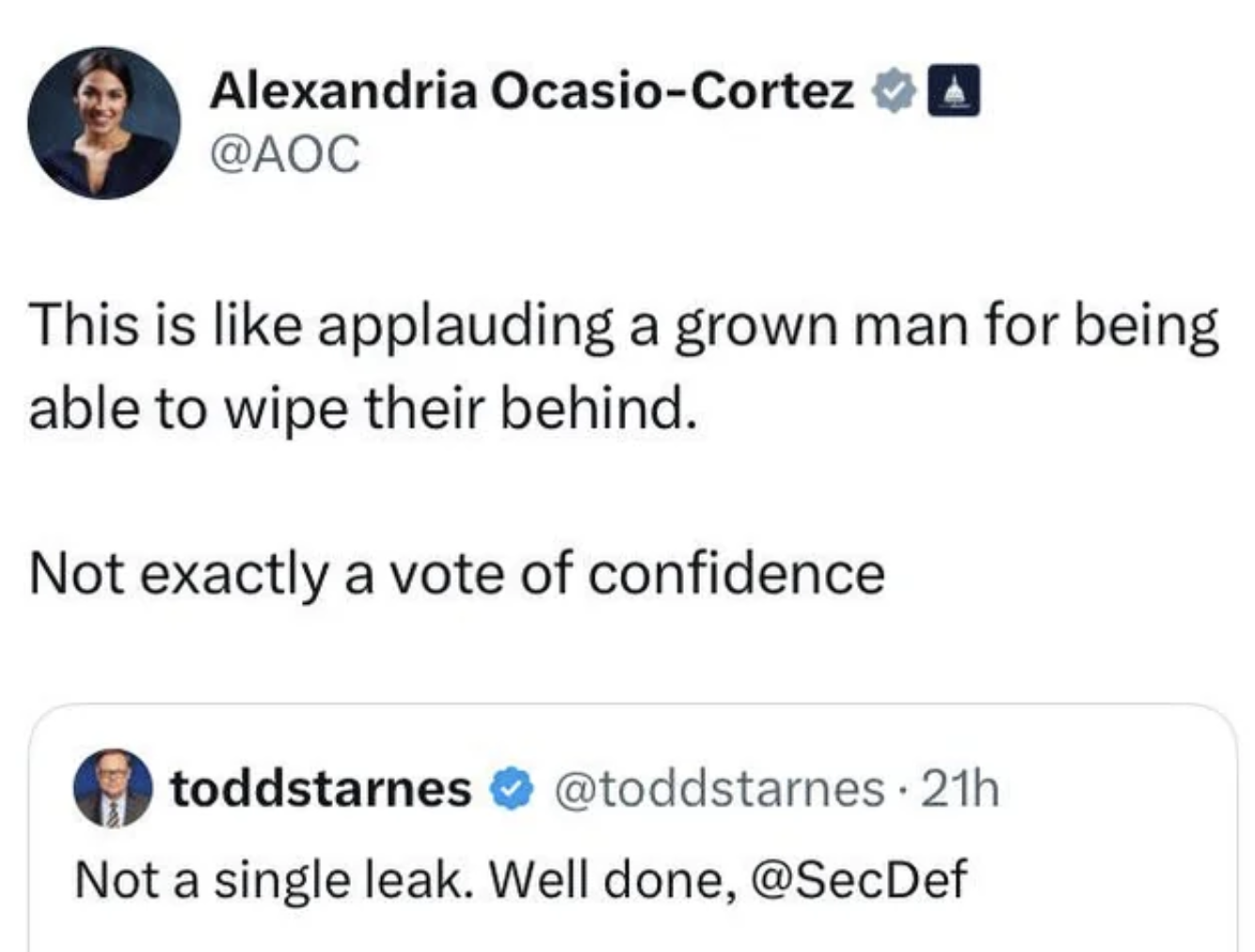
Political cartoons / memes / and news articles I want to share. 6-24-2025




















SCOTT RITTER is an external Contributor to Energy Intelligence. He is a former US Marine Corps Intelligence Officer whose service over a 20-plus-year career included tours of duty in the former Soviet Union implementing arms control agreements, serving on the staff of US Gen. Norman Schwarzkopf during the Gulf War and later as a Chief Weapons Inspector with the UN in Iraq from 1991-98.


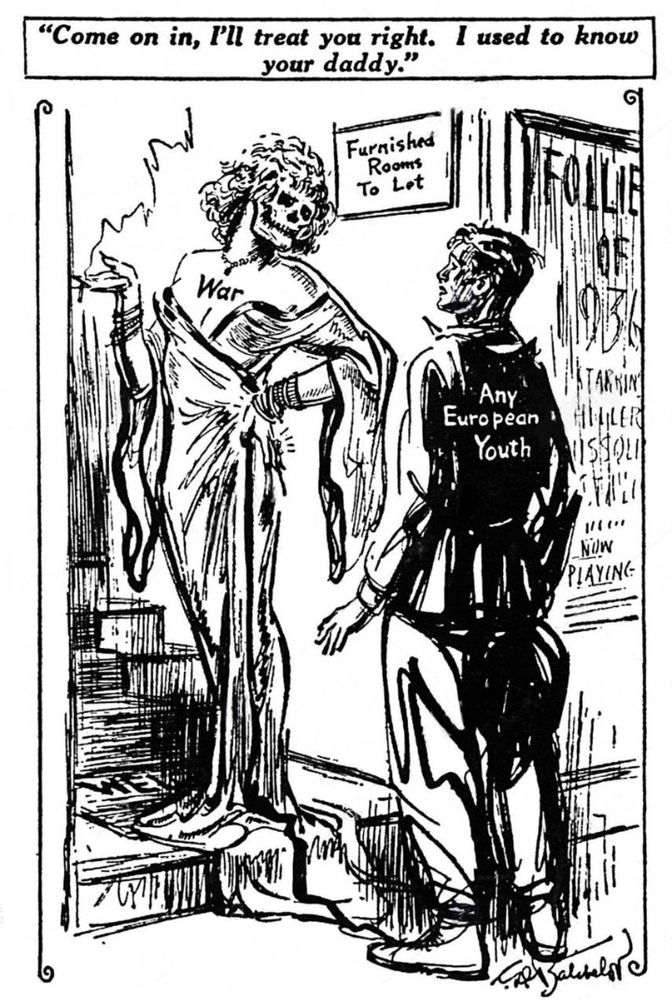


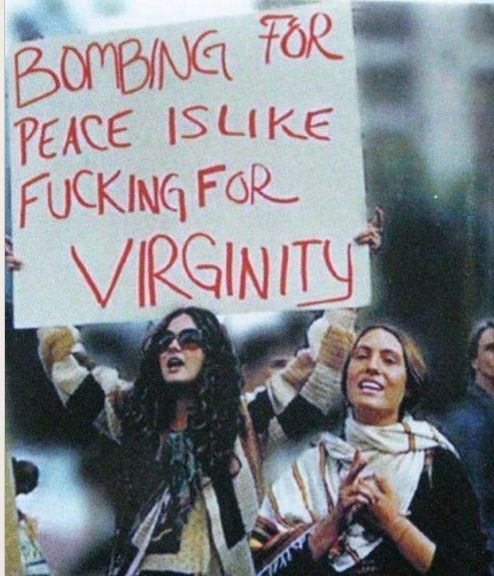









Are or are they not. That is the question

