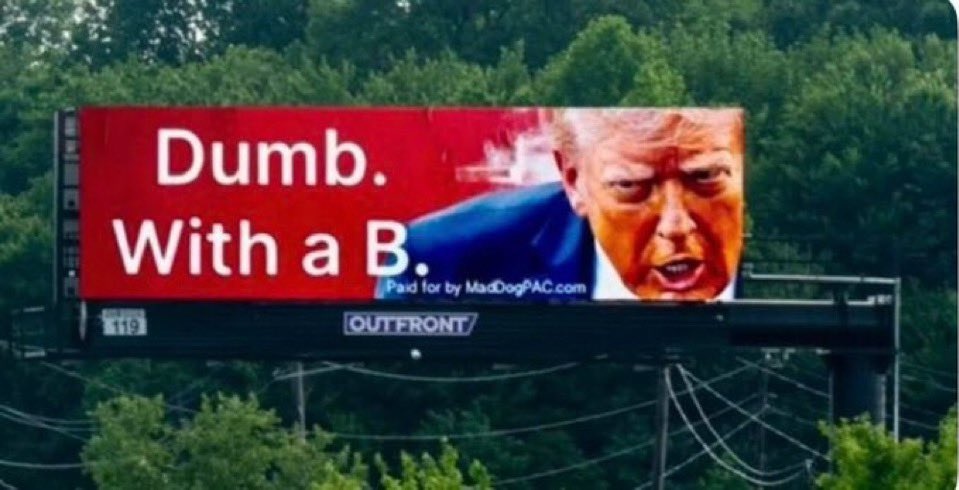
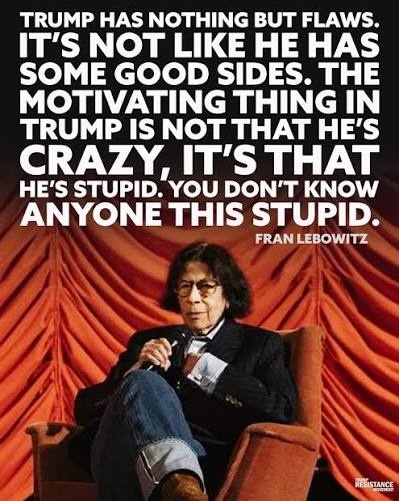
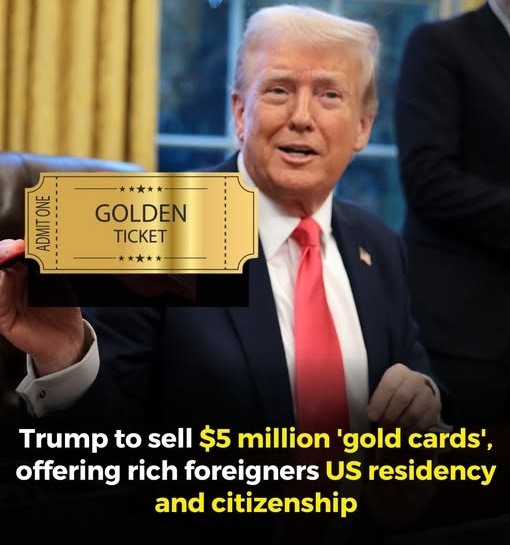
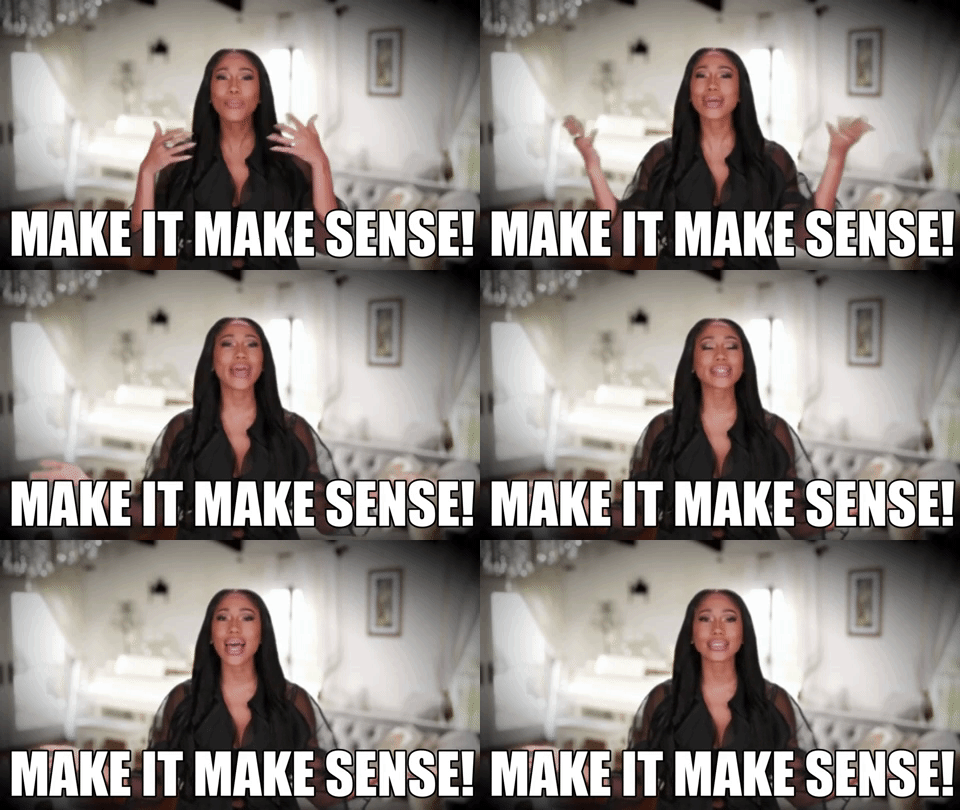
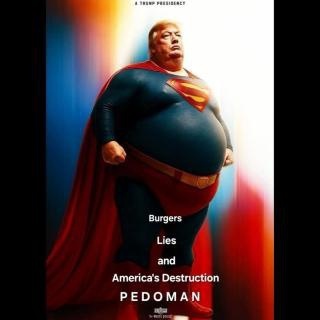
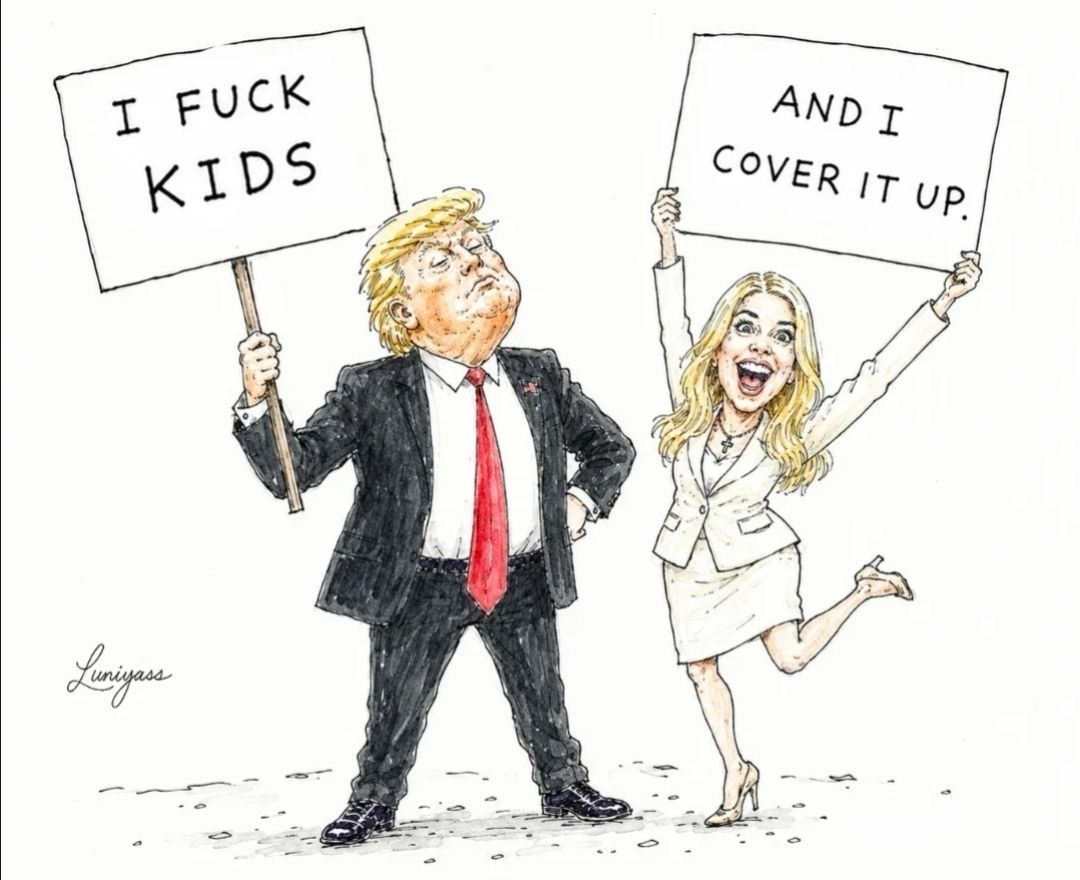
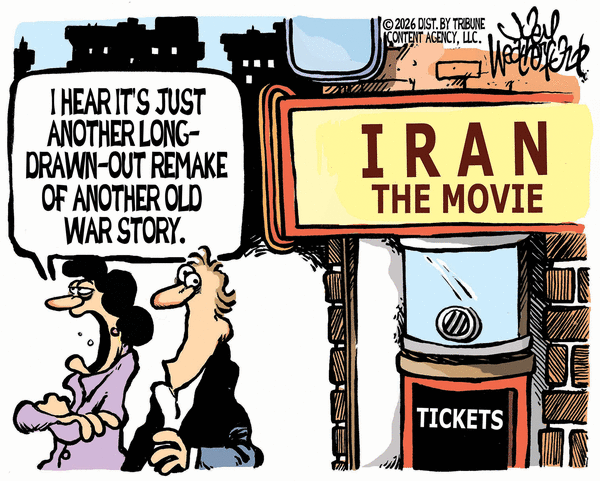
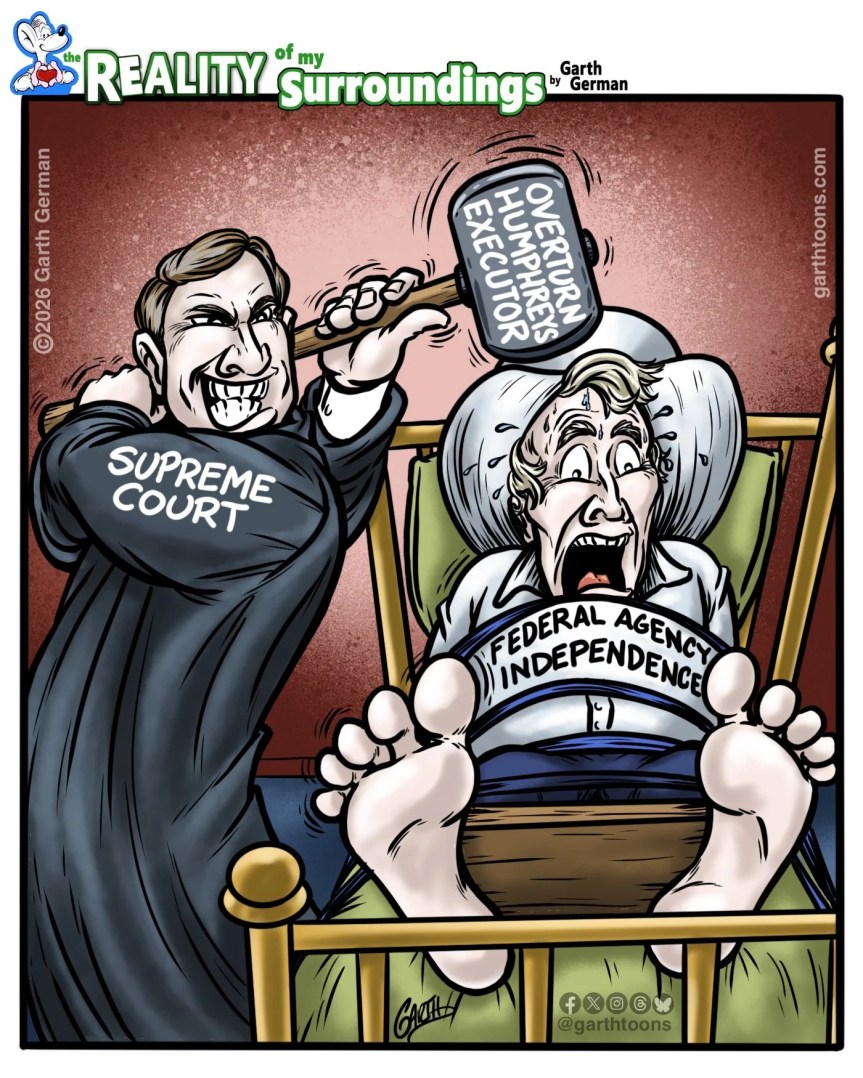
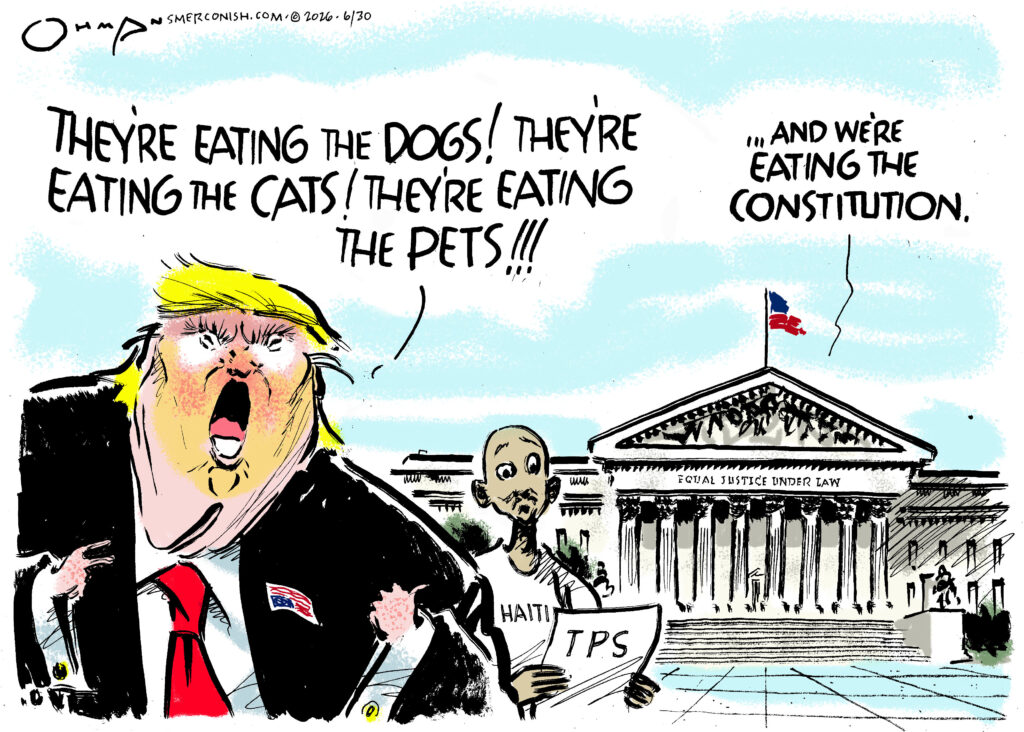
My mind as I am trying so hard to get rest or sleep. A sething hot cauldron of thoughts, pains, self attacks, and wondering if I can go forward tomorrow. Hugs. Scottie
On April 8, 2025, the day before Trump announced the tariff pause, his disclosure shows 327 individual stock purchases worth as much as $12.8 million. The trades weren't made public until yesterday, more than a year later than required by law. readsludge.com/2026/07/01/t…
A Trump supporter lost nearly $33K on Trump tokens and somehow blames Democrats and “anti-Trump investors,” not Trump, who made $1.5 billion from his crypto scam in 2025.
— Republicans against Trump (@RpsAgainstTrump) July 2, 2026
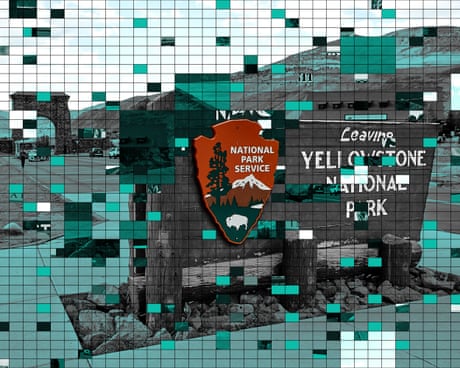
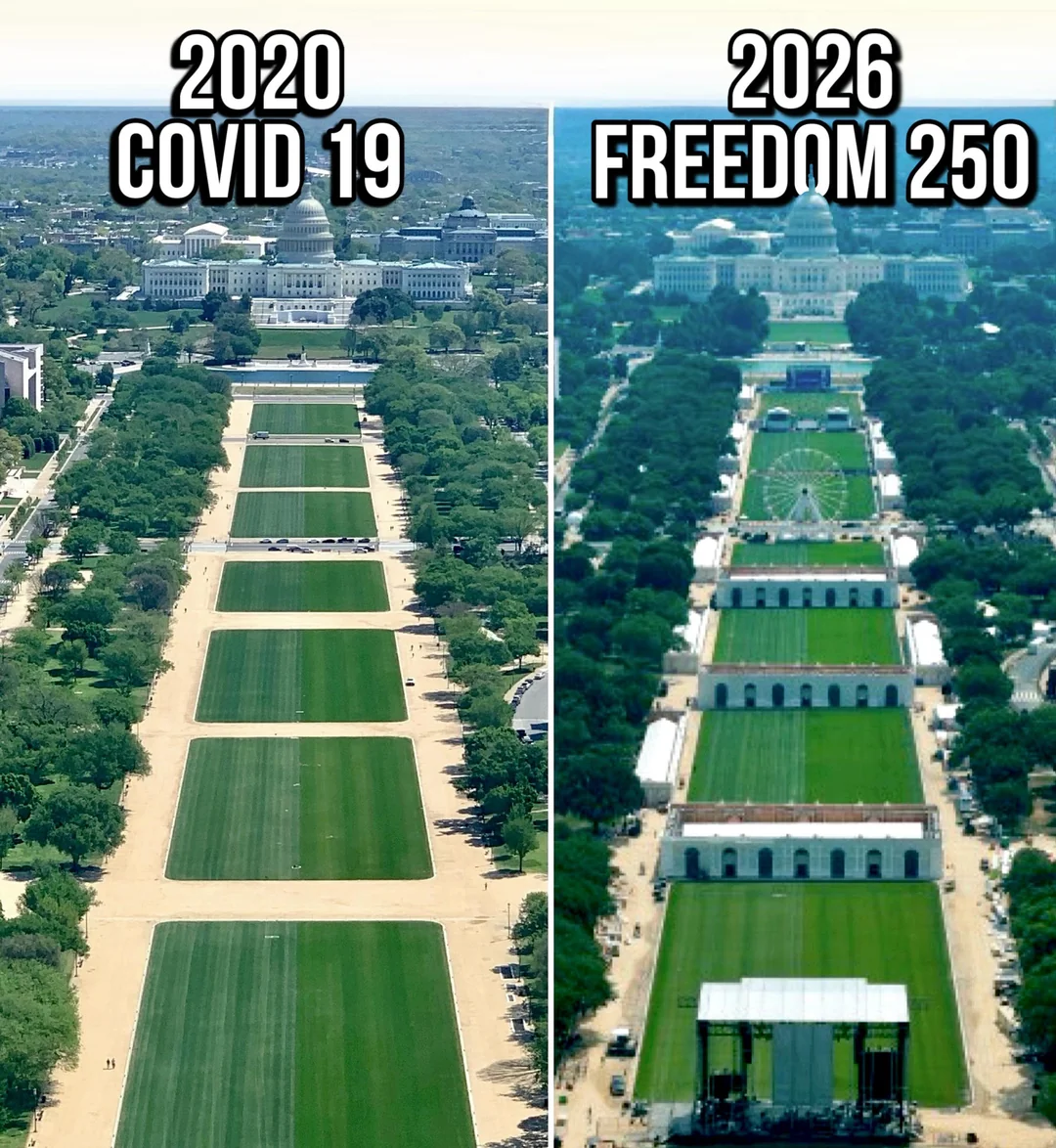
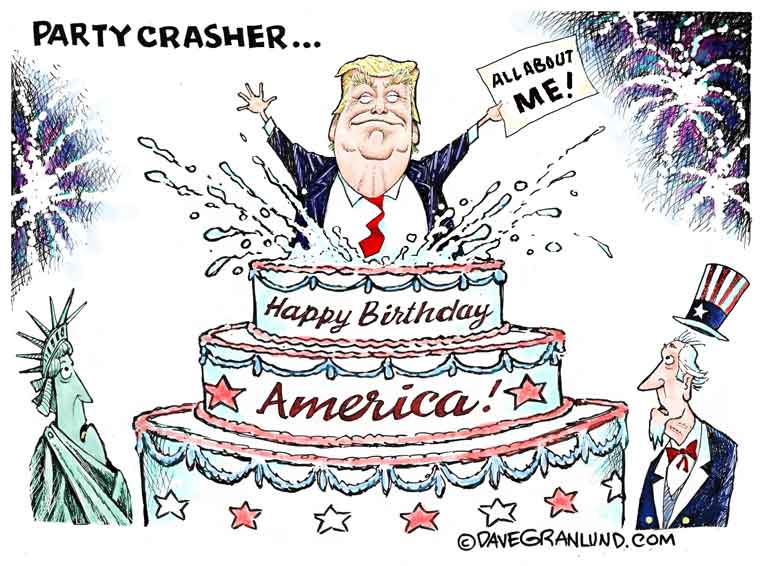
Trump hijacked US’s 250 anniversary to serve ‘political ideology and pet projects’, congressional report says | Donald Trump | The Guardian http://www.theguardian.com/us-news/2026…
Social Security cards for babies born through the rest of 2026 will reportedly have Trump's Freedom 250 logo printed on them.Freedom 250 is Trump's partisan group funded by private donations from Palantir, UFC, ExxonMobil, Lockheed Martin, and Oracle.
Colorado Governor Fires Officials Who Opposed Freeing Election Denier. After the commutation, Ms. Proff & Ms. Taslimi revealed the clemency review board — appointed by Polis — twice voted unanimously to reject Ms. Peters’s application 4 shortened sentence. http://www.nytimes.com/2026/07/01/u…
"The Bureau of Labor Statistics on Thursday reported that employers added 57,000 jobs in June. That figure was below the estimate of economists polled by LSEG, who estimated 110,000 jobs added."This jobs report is a disaster for Trump!www.foxbusiness.com/economy/us-j…
An EMS audio recording published by an independent journalist indicates that emergency responders were called to the Washington, DC, home of Sen. Mitch McConnell for an “unconscious” person the same day he was hospitalized last month. https://cnn.it/44ad10x
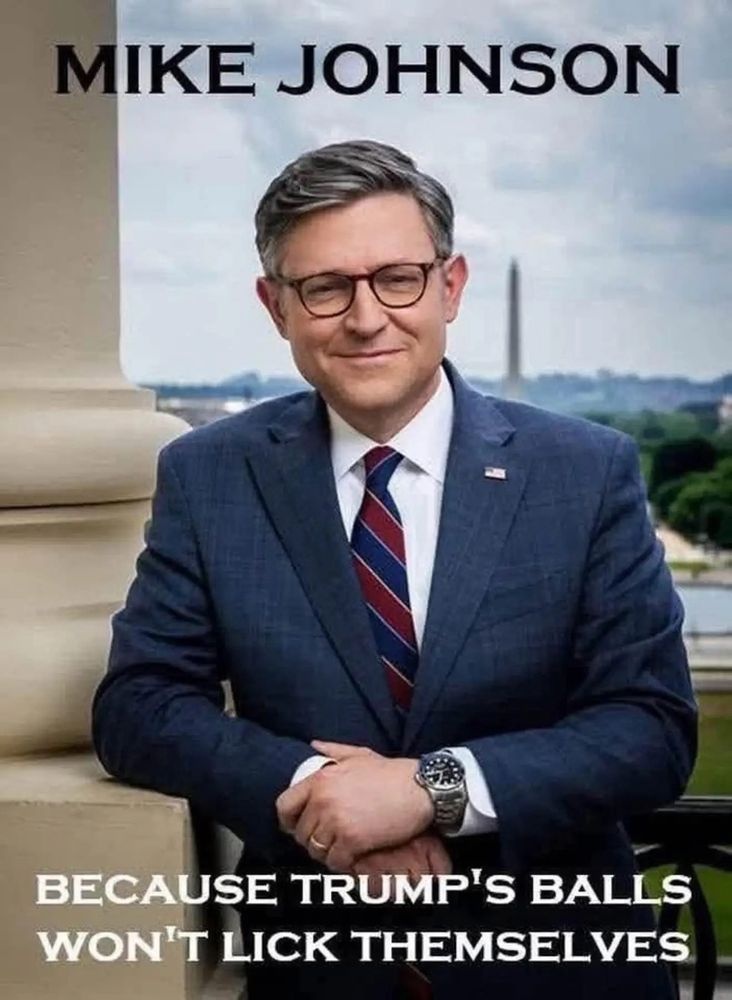
TRUMP: We had one who was very ill. Looked like he wasn't going to make it. You want to mention his name? MIKE JOHNSON: Neal Dunn of Florida had real health challengesT: His diagnosis was he'd be dead by JuneJ: Ok, that wasn't public. *audience groans* It was grim is what I was going to say
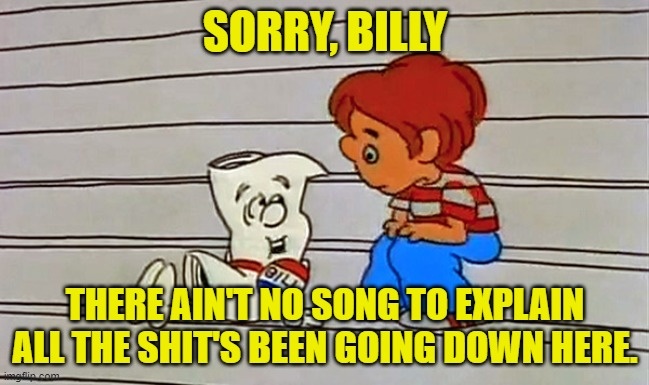
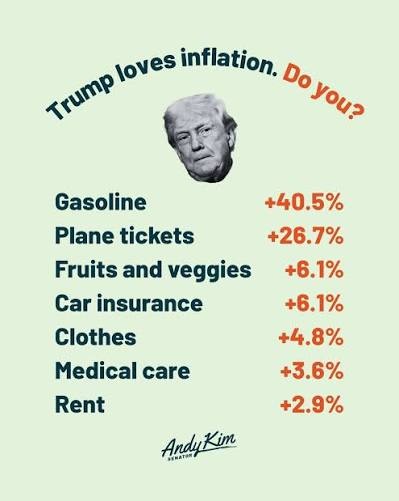
While most Americans this past year were struggling with high gas prices, inflation, rising energy costs, rising housing and food costs, rising insurance rates and more, Trump made around 2 billion dollars on his various business ventures. This averages out to roughly $228,310 per hour or $3,805 per minute, for every day of the year. I hope those who struggle to take out a 35-year loan to buy a quarter million dollar house feel much better knowing Trump would have to work for nearly 70 minutes to pay off such a house. No wonder he sets his sights on a half-billion dollar ballroom that WE will pay for. To put it in perspective, Mangy Fetlocks wrote a song.
House Democratic subcommittee report outlines web of alleged corruption, wire fraud and pay-to-play schemes
The interim report, “From Vanity to Insanity: How the White House Cheated the American People Out of Their 250th Birthday”, outlines a web of alleged corruption, wire fraud and pay-to-play schemes orchestrated through a shadow corporation embedded within the National Park Foundation (NPF).
The document was produced by Democratic staff of the House of Representatives’ natural resources committee’s oversight and investigations subcommittee. It has not been officially adopted by the committee.
‘A sanitized view of America’: inside Trump’s campaign to erase US history from national parks
Read more
———————————————————————————————————–
“Under President Donald Trump, this anniversary has been hijacked and perverted into a hotbed of corruption and self-enrichment,” it states, contending that the machinery built for a national commemoration was converted “into an apparatus for raising and spending money in service of the President’s ego, political ideology, and pet projects”.
How Trump is making the US’s 250th anniversary about himself – video
In 2016 Congress established the US semiquincentennial commission, operating as the non-profit America250 Foundation, to plan the nation’s 2026 celebrations on a non-partisan basis. However, under Trump, the White House launched a sustained pressure campaign to subsume the commission.
When America250 leadership resisted its demands to shift focus toward partisan, campaign-style spectacles, the Trump administration created Freedom 250 as a wholly owned subsidiary of the congressionally chartered NPF.
The interim report finds that, by taking control of the NPF board and installing key campaign operatives such as Meredith O’Rourke and Chris LaCivita, the White House secured an opaque vehicle that enjoyed the NPF’s non-partisan credibility and tax-exempt status while operating outside standard government transparency laws.
Jared Huffman, a California congressman who is the top Democrat on the natural resources committee, said: “I can’t, in my time here in Congress, remember anything even remotely like this: watching this trusted, venerable charity organisation, the National Parks Foundation, literally be hijacked for a craven political agenda that tries to steal the celebration of America’s 250th anniversary and turn it into something that’s all about Trump, advancing this very divisive agenda and even enriching Trump and those around him.”
The interim report alleges that Freedom 250 surreptitiously diverted resources intended for America250 for its own benefit, leaving America250 scrambling for funds.
Sources interviewed by Democrats on the committee said fundraisers including O’Rourke misled prospective America250 donors by providing them with Freedom 250’s banking and routing numbers instead. The report finds this could constitute wire fraud and charitable solicitation fraud under federal and District of Columbia law.
This deceit extended to the entertainment industry. Artists recruited for the kickoff of the Great American State Fair – including Martina McBride and Young MC – were assured the event was non-partisan, only to face social media backlash when the event was revealed to be a Trump-backed rally. In the words of Young MC, the booking was a “bait and switch”.
The investigation also outlines how Freedom 250 effectively put a price tag on presidential access, circulating sponsorship packages starting at $500,000 and climbing above $10m for tiered recognition, culminating in a “historic photo opportunity” with Trump.
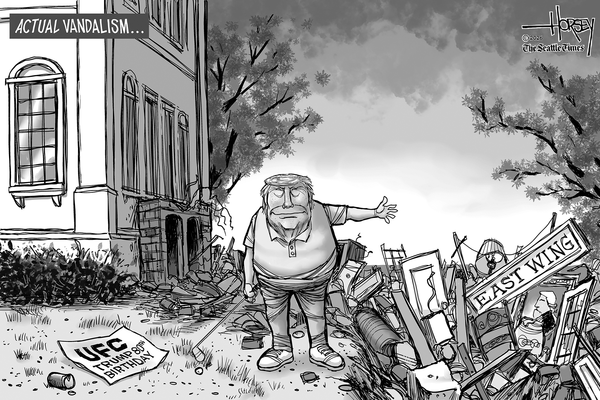
The report also points to perhaps the most clear example on 14 June when the White House hosted a huge Ultimate Fighting Championship (UFC) event on the South Lawn to celebrate the president’s 80th birthday. The event was heavily sponsored by corporations facing impending federal regulation and used vast government resources for “Super Bowl-level security” marshalled by the Department of Homeland Security (DHS).
Fighters received bonuses in “USD1”, a cryptocurrency issued by World Liberty Financial, a trust run by the president’s children, and Trump personally bought up to $50,000 in stock in the UFC’s parent company weeks before the event.
Freedom 250 has also functioned as a conduit for steering federal funds to Trump campaign loyalists. Event Strategies – the same firm that planned the January 6 rally that preceded the US Capitol attack – was awarded 18 federal contracts totalling roughly $40m, along with an indefinite delivery master contract worth up to $100m.
Beyond lucrative contracts, the administration is accused of building a partisan political database disguised as a government domain. Freedom 250’s website, initially managed by former “Department of Government Efficiency” (Doge) employees known for past data leaks, extensively logs user data.
Event registration is powered by Campaign Nucleus, a firm founded by Brad Parscale, a veteran of Trump election campaigns. Campaign Nucleus openly boasts about using artificial intelligence to analyse personal data and target “persuadable” voters. Unsuspecting visitors, such as attenders of a free Fifa World Cup Fan Zone on the National Mall, unwittingly fed their personal information directly into this Republican campaign apparatus.
The report also focuses on the ideological overhaul of the semiquincentennial. Freedom 250 replaced America250’s civic engagement focus with overt Christian nationalist programming, operating in tandem with the Religious Liberty Commission, which recently recommended repealing the Johnson amendment to allow churches to engage in partisan politics.
A central feature of this effort was “Freedom Trucks” – a federally funded fleet of mobile museums dispatched to schoolchildren across the nation. Supplied with content from the conservative PragerU [the Prager University Foundation] and Hillsdale College, these exhibits recast the founding of the US as an exclusively Christian project, embracing demonstrable falsehoods.
Exhibits include an AI-generated George Washington claiming that “our rights are a gift from God”, a statement the first president is not documented as having made, alongside antisemitic tropes suggesting that Jewish merchants financed the revolutionary cause while omitting they also fought and died for it.
Concurrently, the administration aggressively moved to erase historical realities, removing national park signage detailing slavery, forced removal of Indigenous peoples and climate change. Huffman said it amounted to an attempt to reshape American identity to fit a narrow rightwing agenda.
“It’s a fantasy that airbrushes out the more complicated parts of our history – slavery, the Native American genocide, the actual secular ideals on which our government was founded. It wasn’t the opening of the clouds and some revealed covenant with God as they would have you believe.”
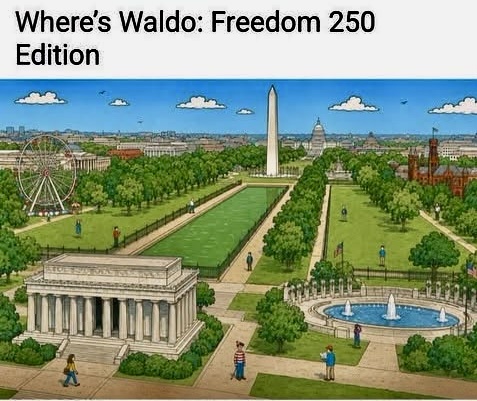
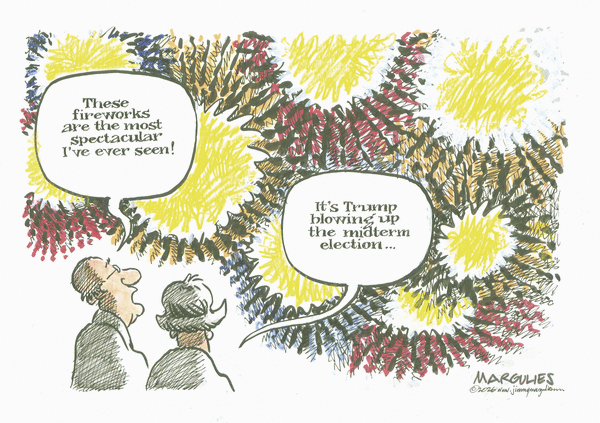
As Washington barrels towards Fourth of July, with another Trump speech and a big fireworks display planned for the national mall, Huffman acknowledges that Freedom 250 is unstoppable. But his goal now is exposure.
“The one thing we can do is make sure the American people know what they’re doing in our name and with our tax dollars,” the congressman said. “We should do that because what they have pulled off here is a potential template for other betrayals of public trust that they and maybe future generations will attempt if we don’t challenge them.”
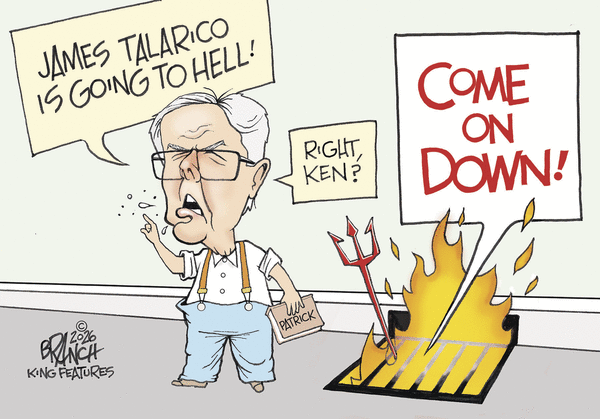
The Texas Senate race is a toss-up, according to a NYT/ Siena poll out this morning, that finds Democrat James Talarico and Republican Ken Paxton tied at 47%.The result, driven by massive Hispanic support for Talarico, is Democrats' best Texas showing in nearly a decade of the pollster's surveys.
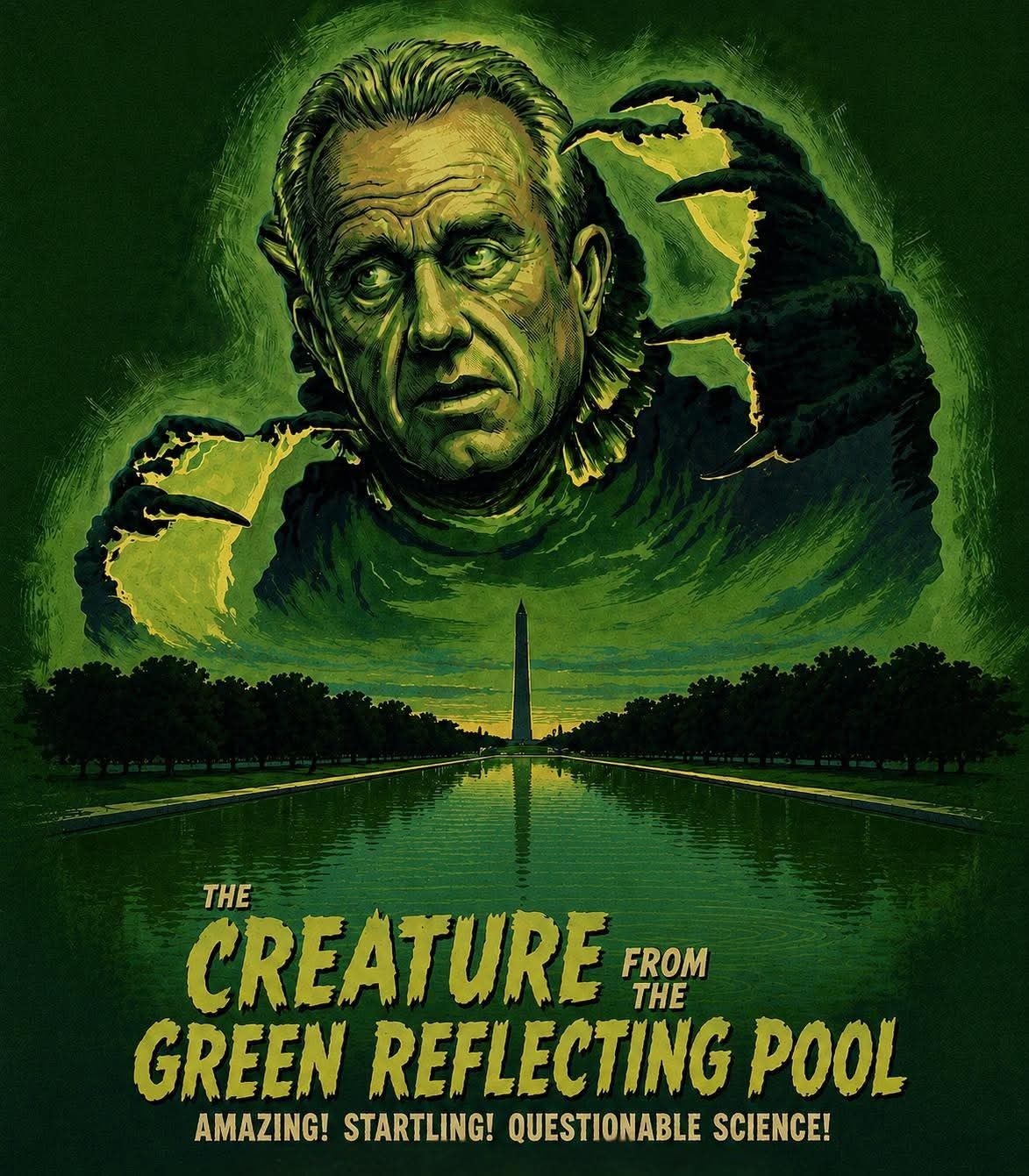
Calling bullshit on RFKJr and Trump: yet another peer-reviewed study determines that there is no connection between Tylenol and autism. arstechnica.com/health/2026/…
Orlando airport staff force 800 travelers from UK to wait FIVE HOURS for luggage – then warned them they'd be 'arrested' if they left without their bags trib.al/r7p2YGC
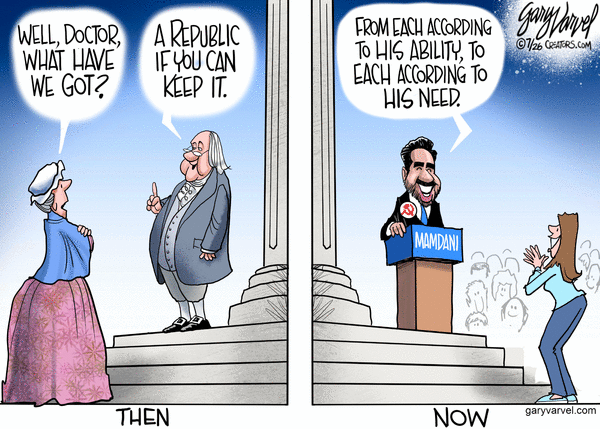
Fox news host claims that capitalism is working and mocks that it is said it is not working. Of course for him and the other wealthy host it is working great. He is paid to promote a very unfair wage distribution of the country’s wealth, moving it upward to the upper incomes. Sam points out we do already have a capitalist / socialist country. Thefox host quotes the theme song from the sitcom Friends as if it were the manifesto of a generation. Hugs
When she met Marla’s husband he was with a third woman as his date. I’m shocked that Marla’s husband then went on to raw dog a porn star right after his son was born with Melania. How did he find the time between just grabbing all those pu*?


 My mind as I am trying so hard to get rest or sleep. A sething hot cauldron of thoughts, pains, self attacks, and wondering if I can go forward tomorrow. Hugs. Scottie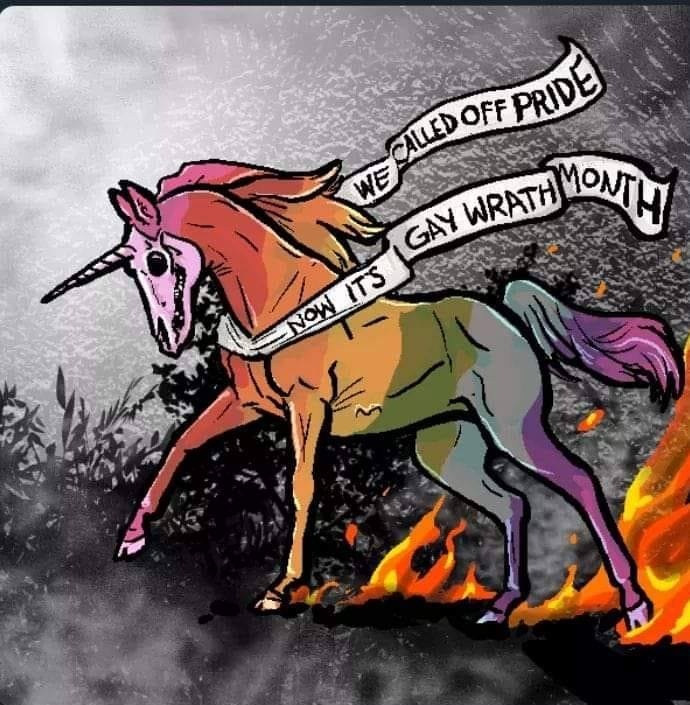



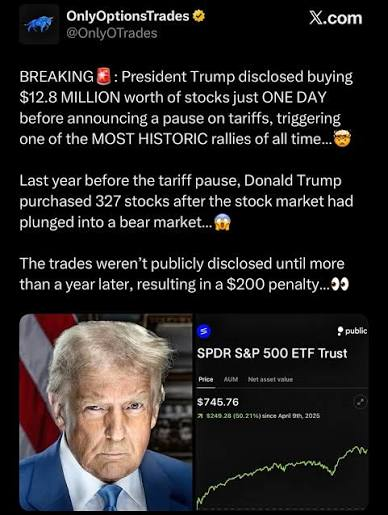
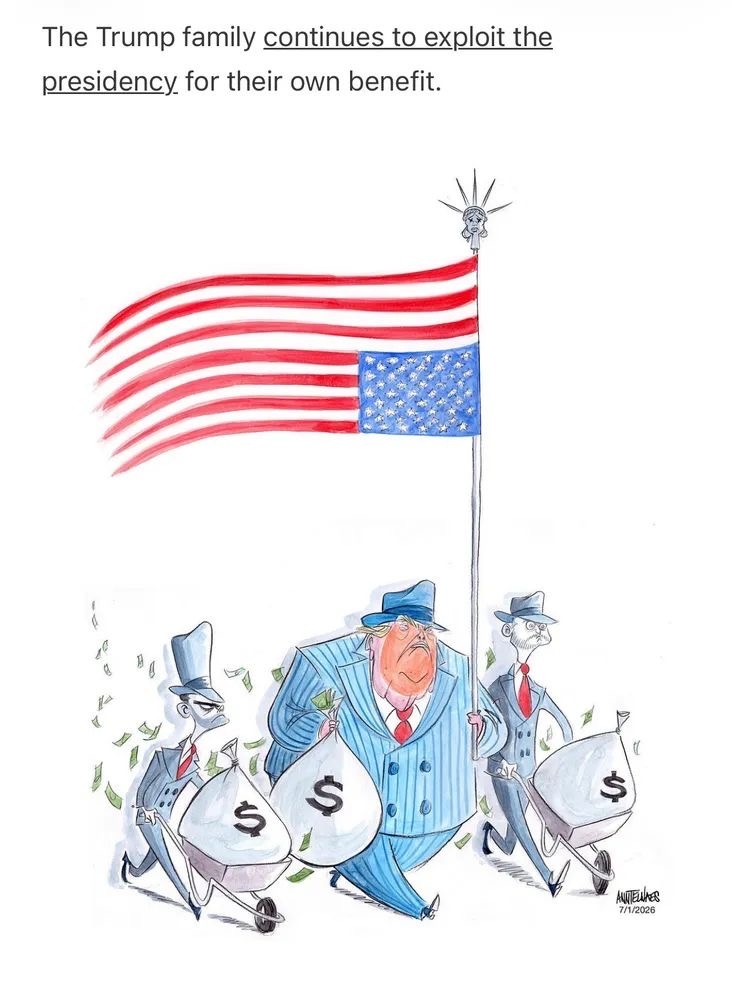
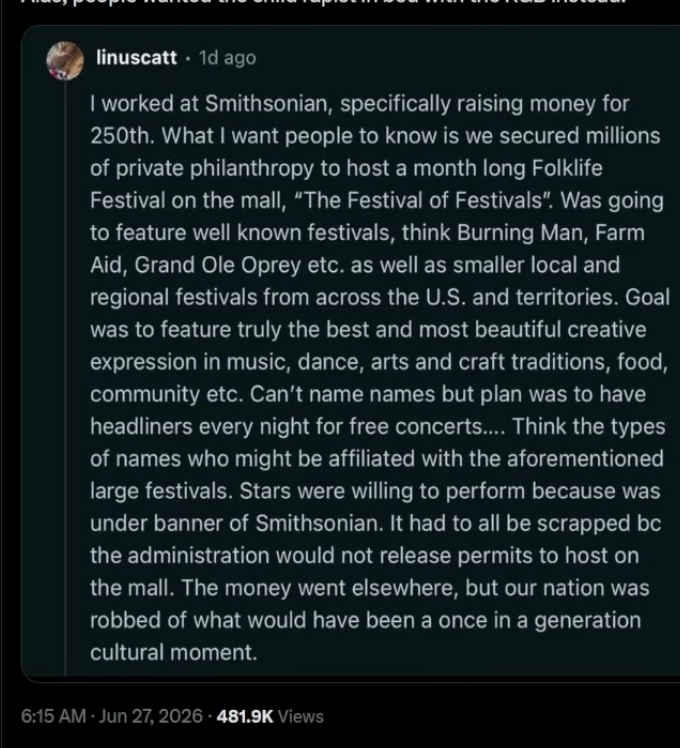
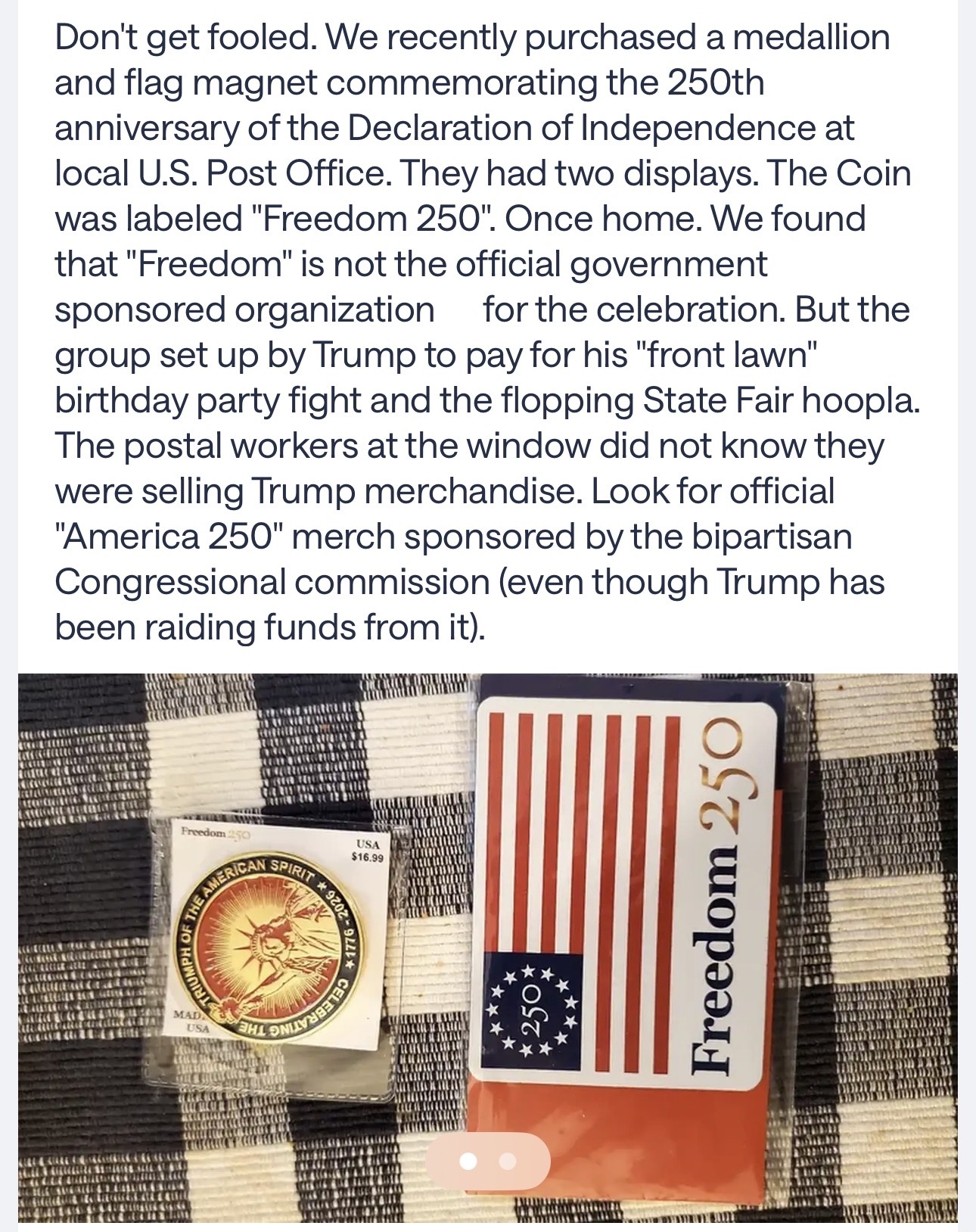
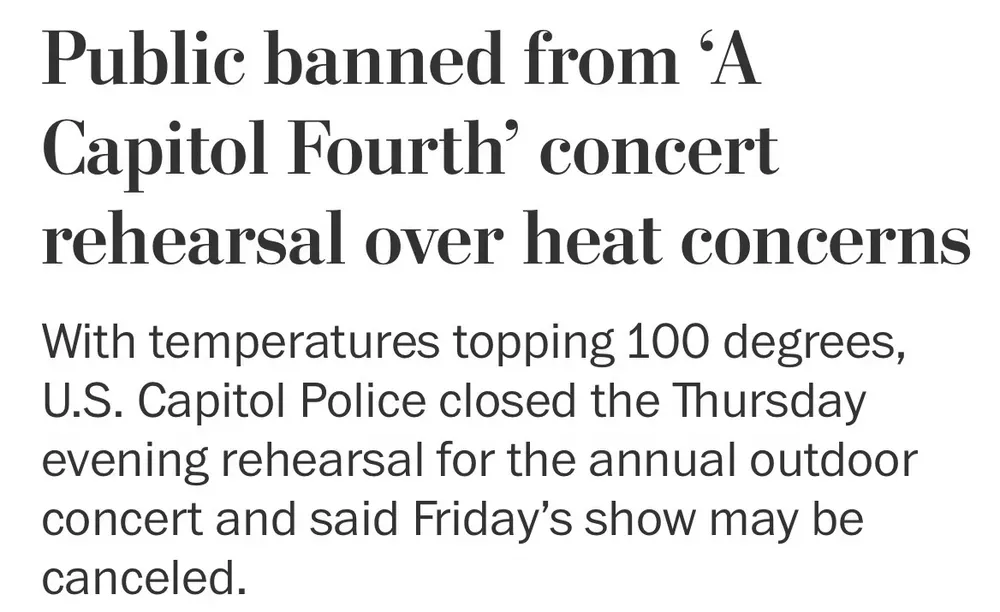
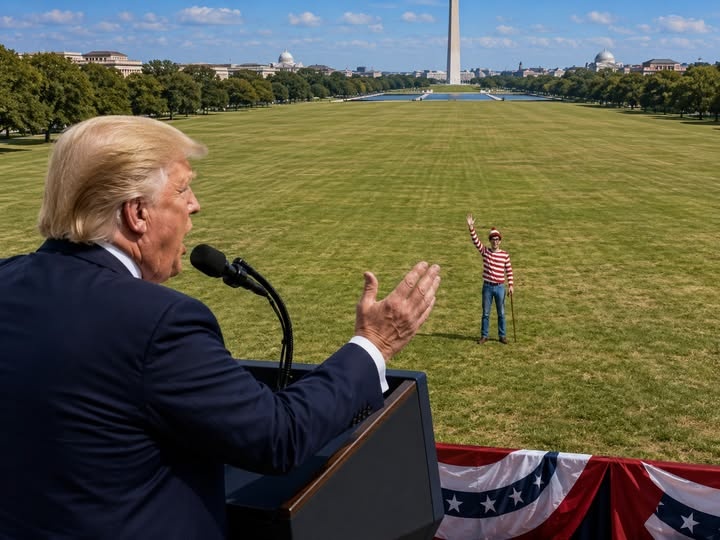
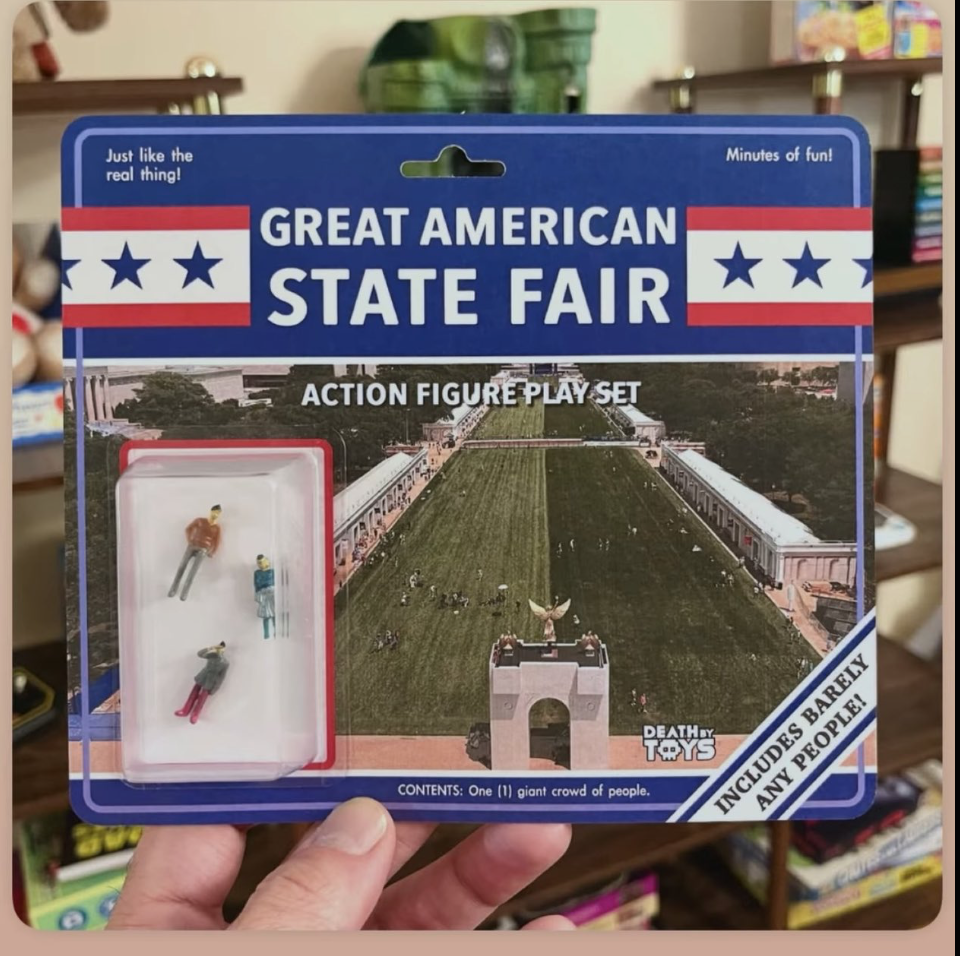
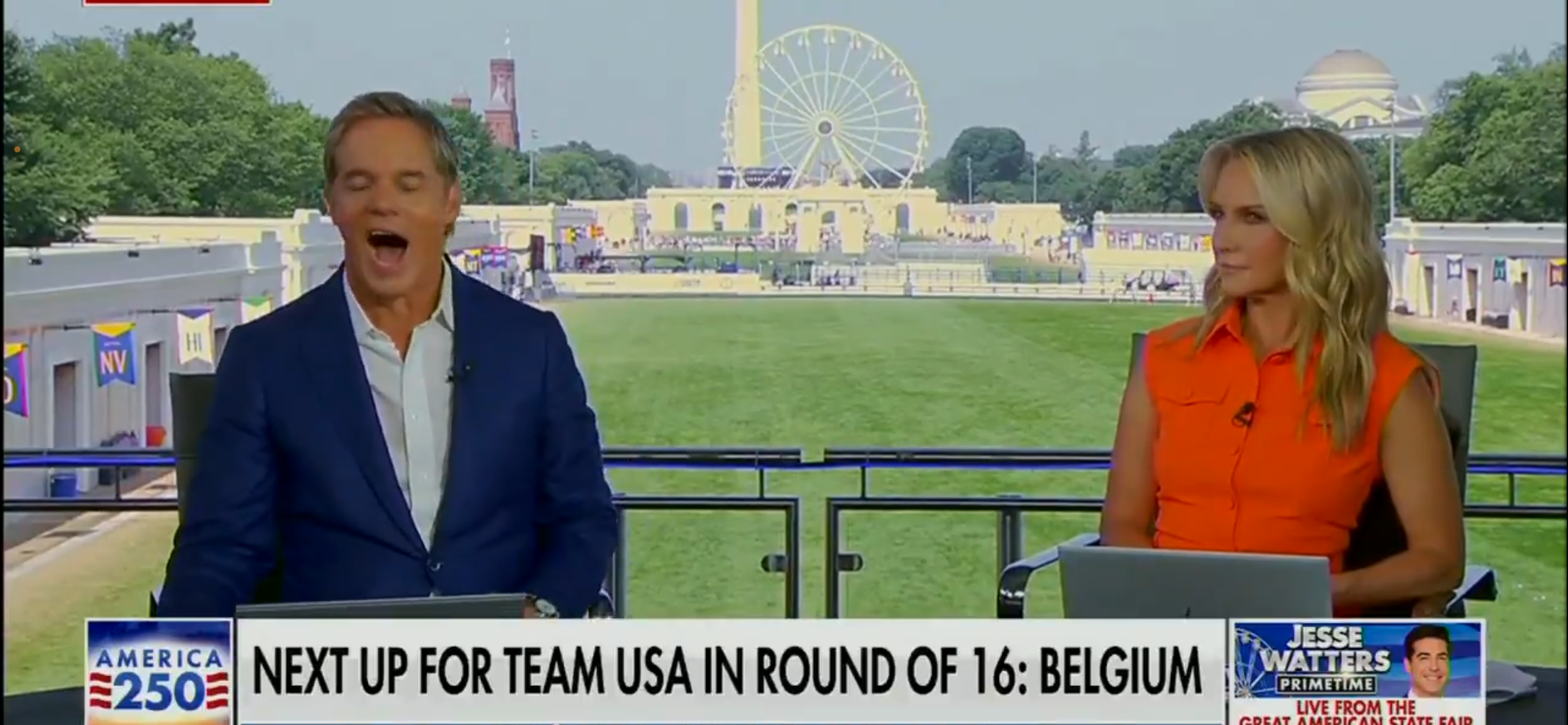

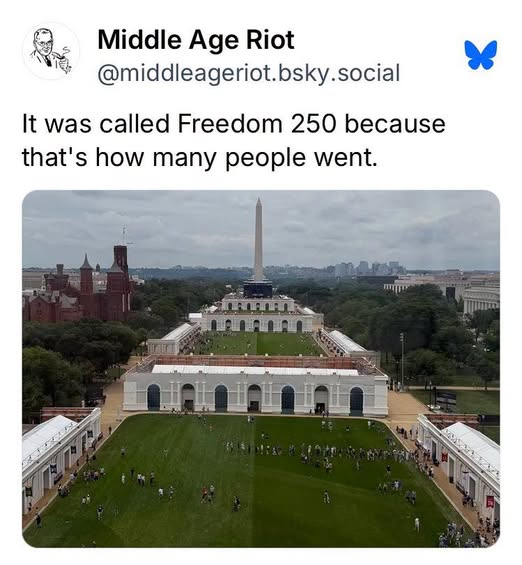
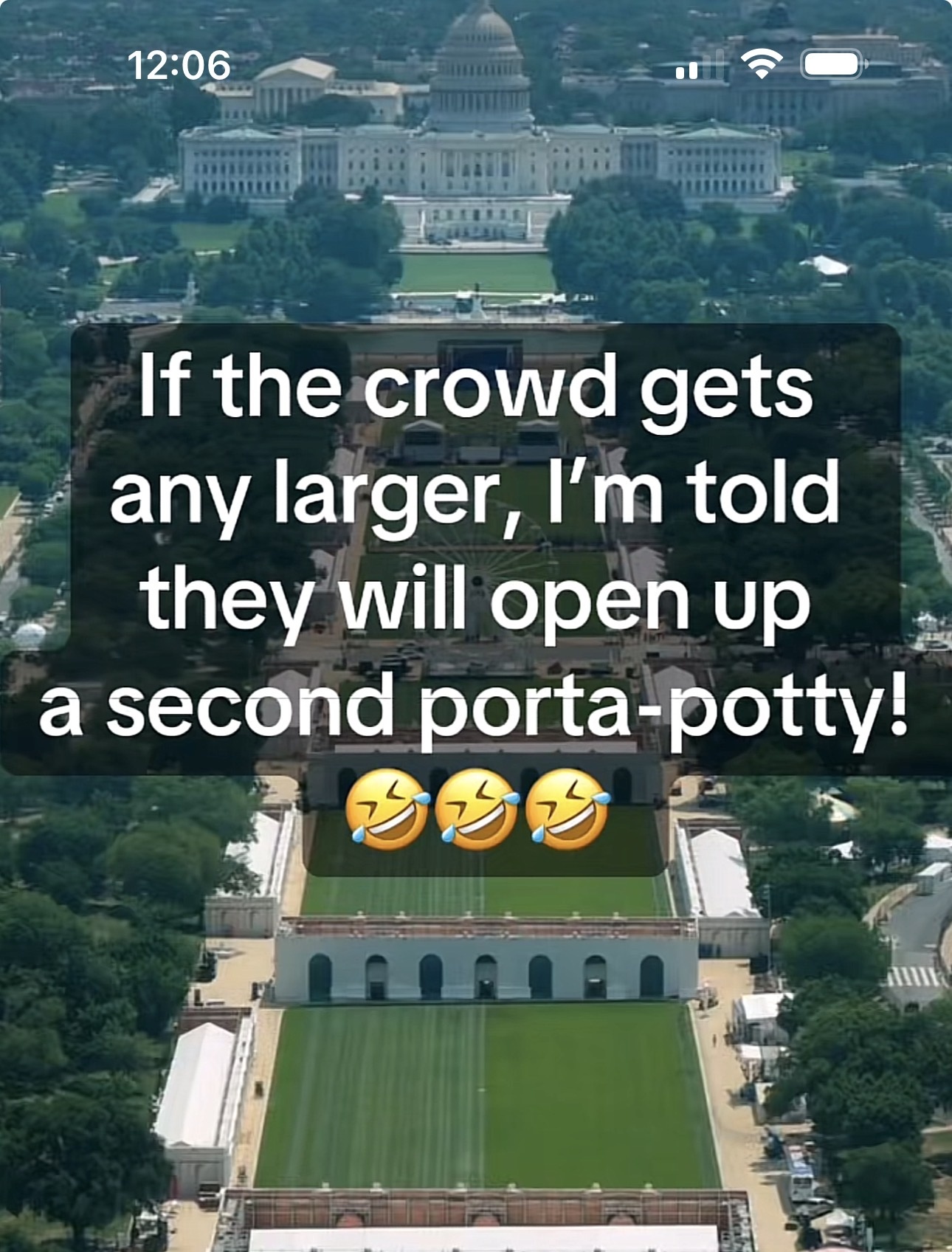







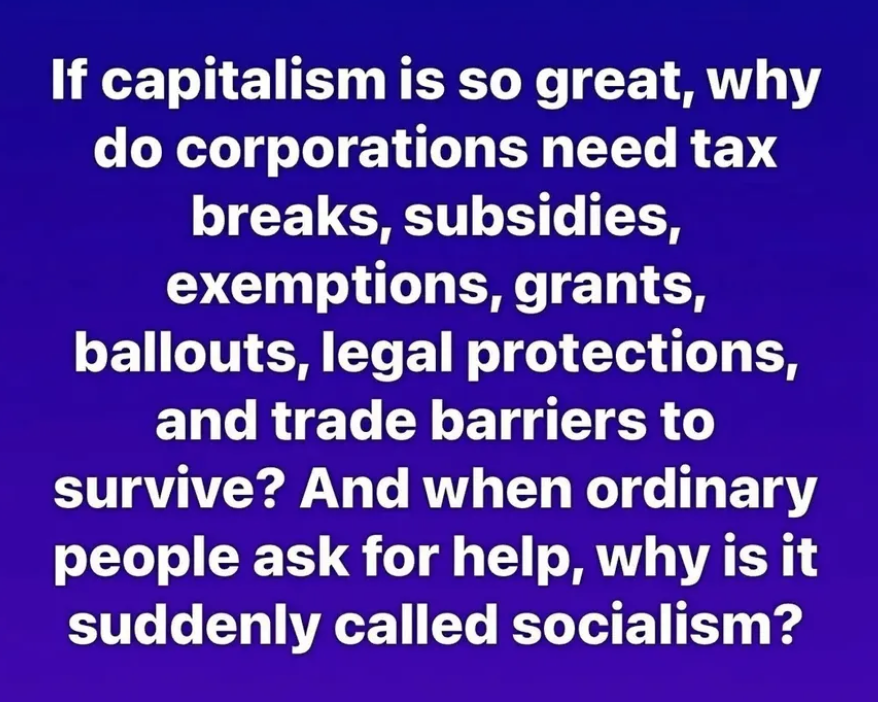
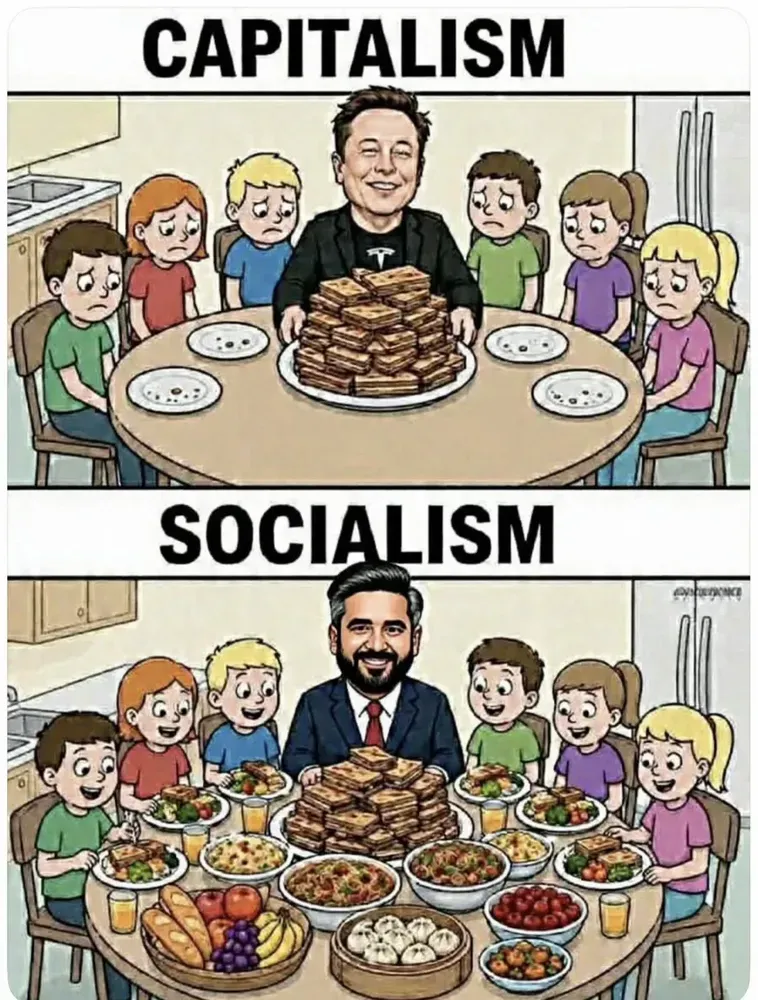

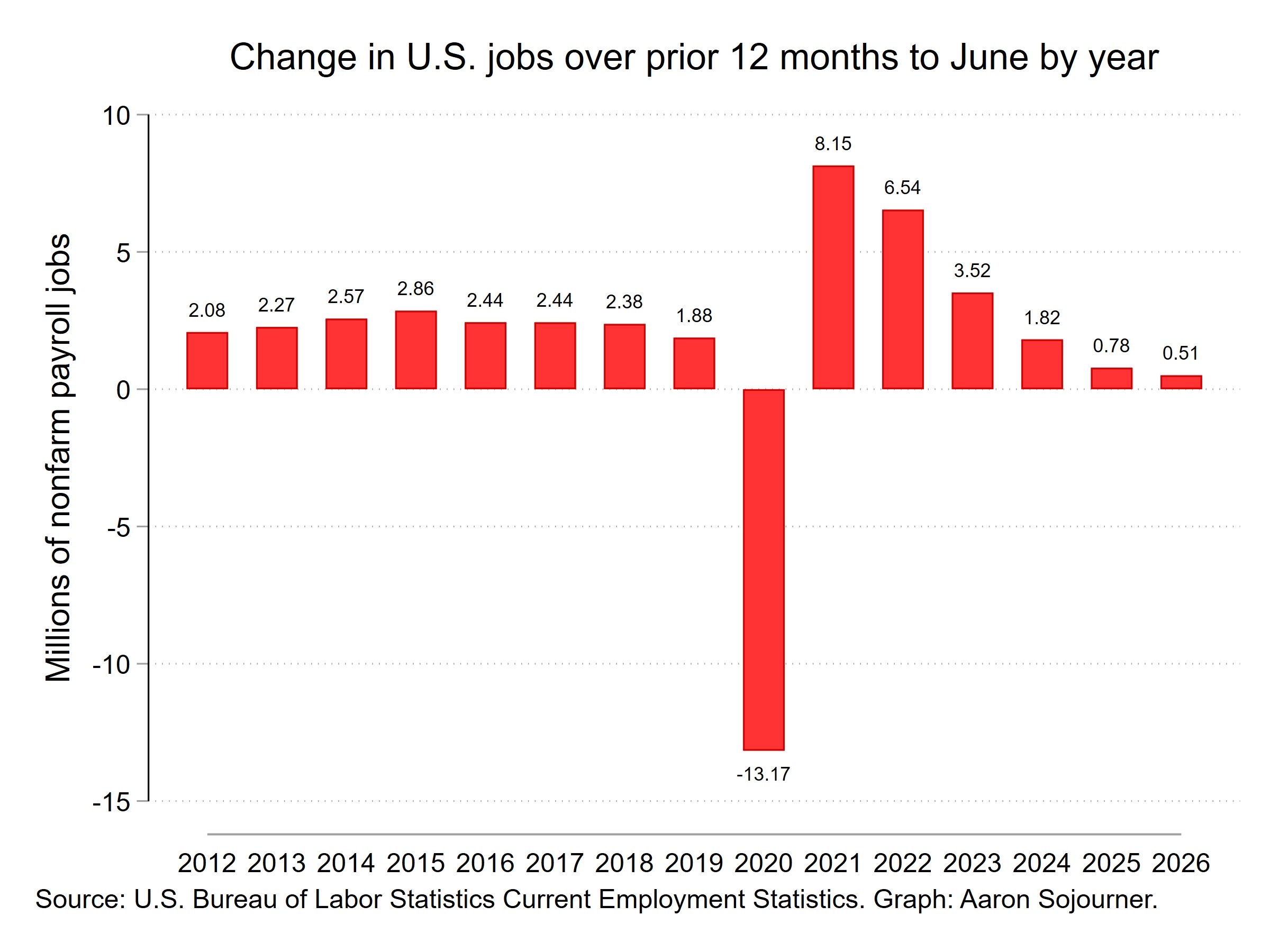
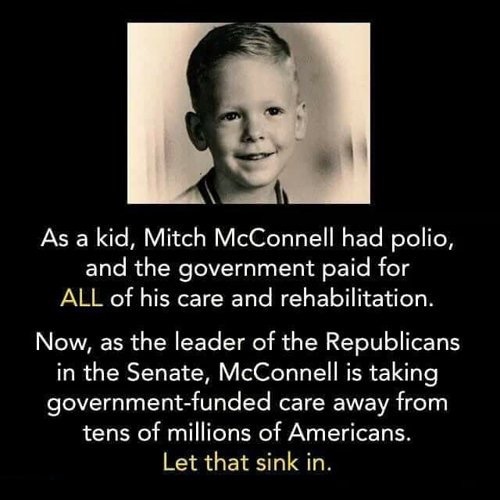


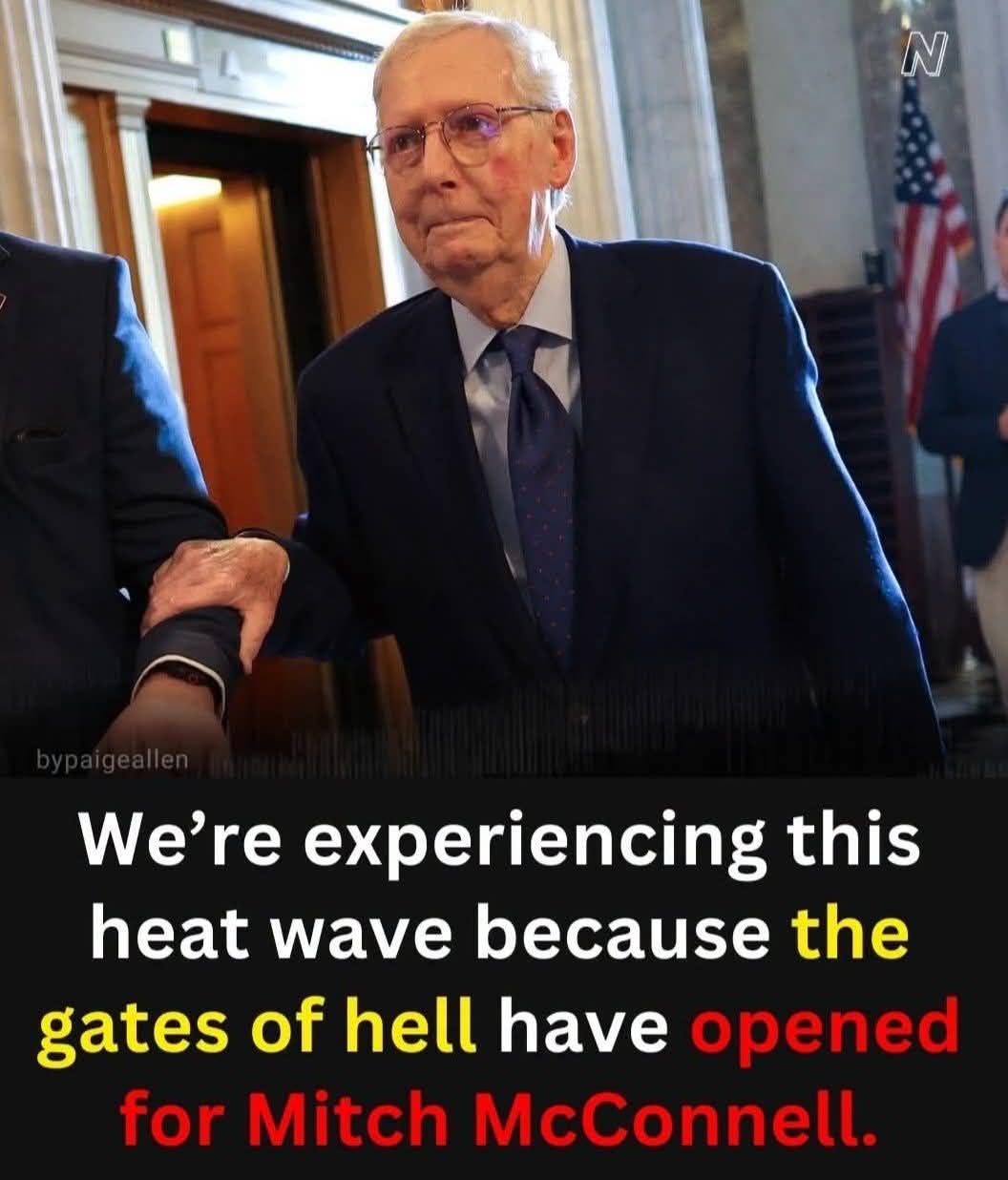
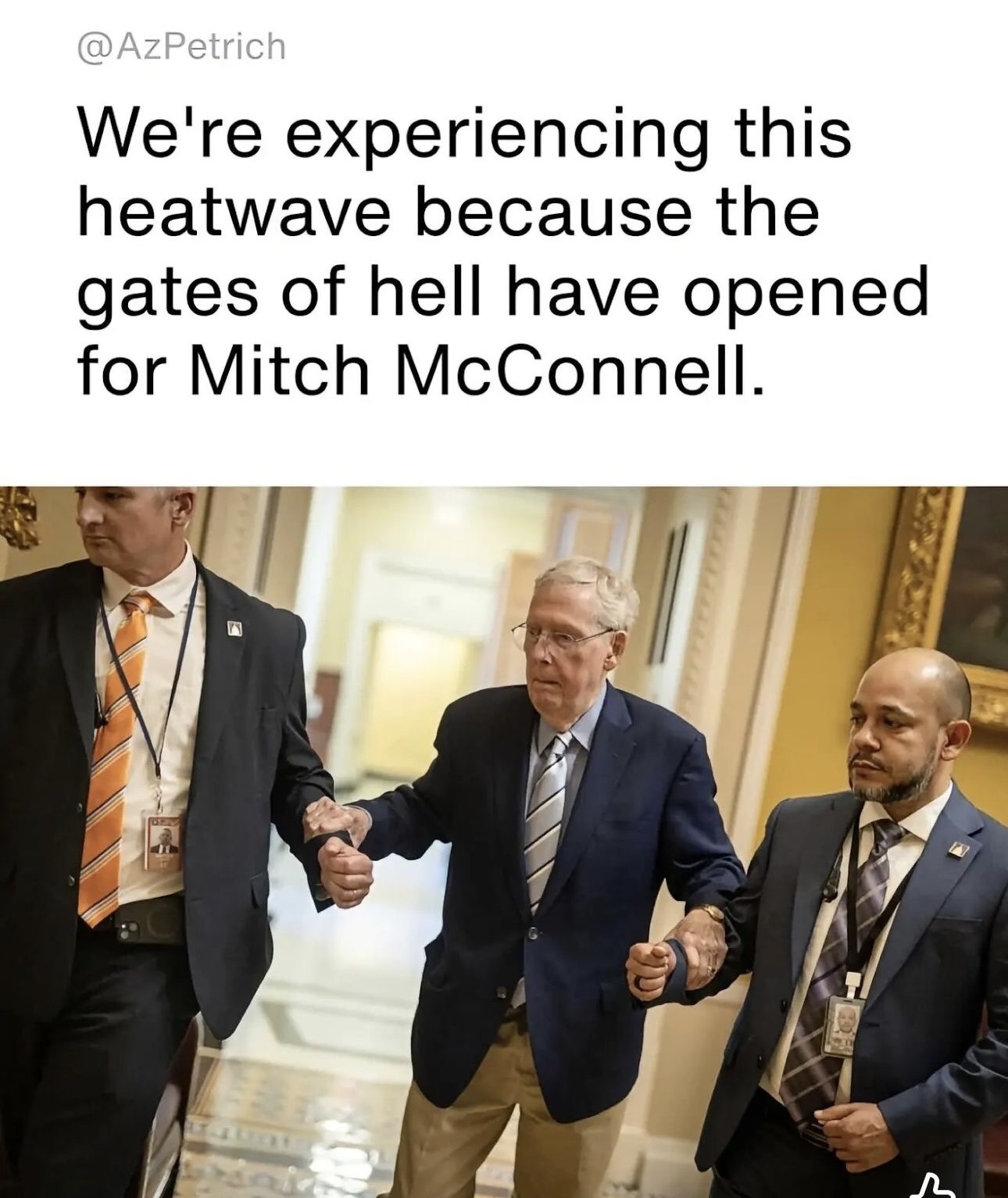





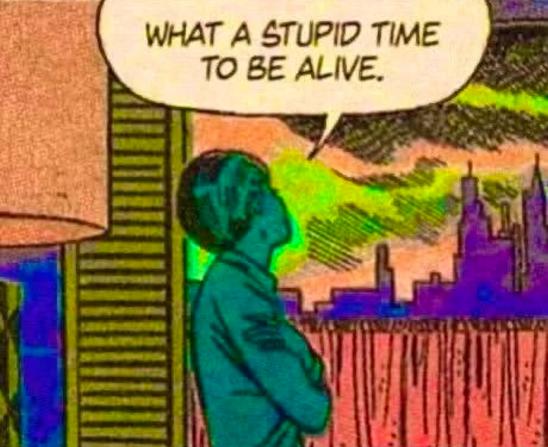

 Illustration: Guardian Design