





The above is true, I had it said to me and heard it often enough that even now it sends chills up my spine. Hugs


Plus a huge amount that were redacted which would actually show criminality and not just suspected criminality by tRump. Hugs


The above is true, I had it said to me and heard it often enough that even now it sends chills up my spine. Hugs
Plus a huge amount that were redacted which would actually show criminality and not just suspected criminality by tRump. Hugs


I would like everyone to see the above cartoon and understand it. As a teen and young adult I got asked about my sexual orientation constantly. “Are you gay?” “Are you a faggot?” “Do you suck dick”, “Do you take it up the ass”. Those questions did not stop being asked when I became an adult. They just became more invasive as people felt more emboldened to ask how this or feels? Or how do you do this or that? As an adult when those questions came from people who were people I knew or were friends, I answered them as honestly as possible because I felt they were honest but sometimes they were not. But as a teen those questions tore everything inside me apart and due to the times and hate against gay people I felt compelled to lie, which made me hate my self / situation even more. I understand straight people are curious, and in truth there is a lot of misinformation out there being preached by church leaders and others about LGBTQ+ people. However, some of the questions I got were so personal and about stuff that was so personal I often wondered what the reactions would be if I asked those questions of straight friends / people. How do you do it, what possitions do you use? Do you do special preparations? Does it hurt a lot, and the one that drives me crazy, “have you tried it with a woman or females as you know you might like it”. OK so have you tried it with a same sex partner? That drives me crazy because when I ask for the reverse back they look stunned and ask why they should answer such personal questions. Sadly, I have so many females tell me if I would only have sex with them I would not be gay anymore. Hugs


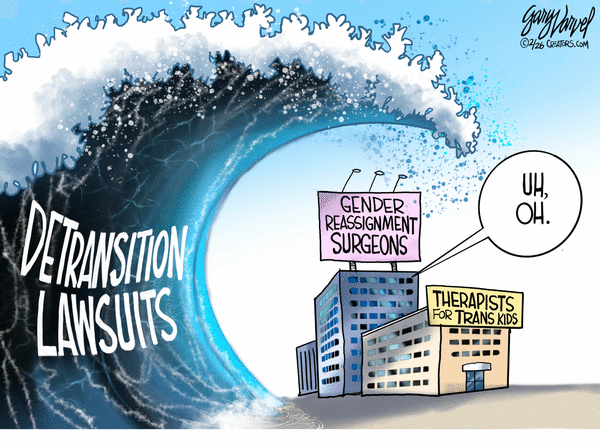


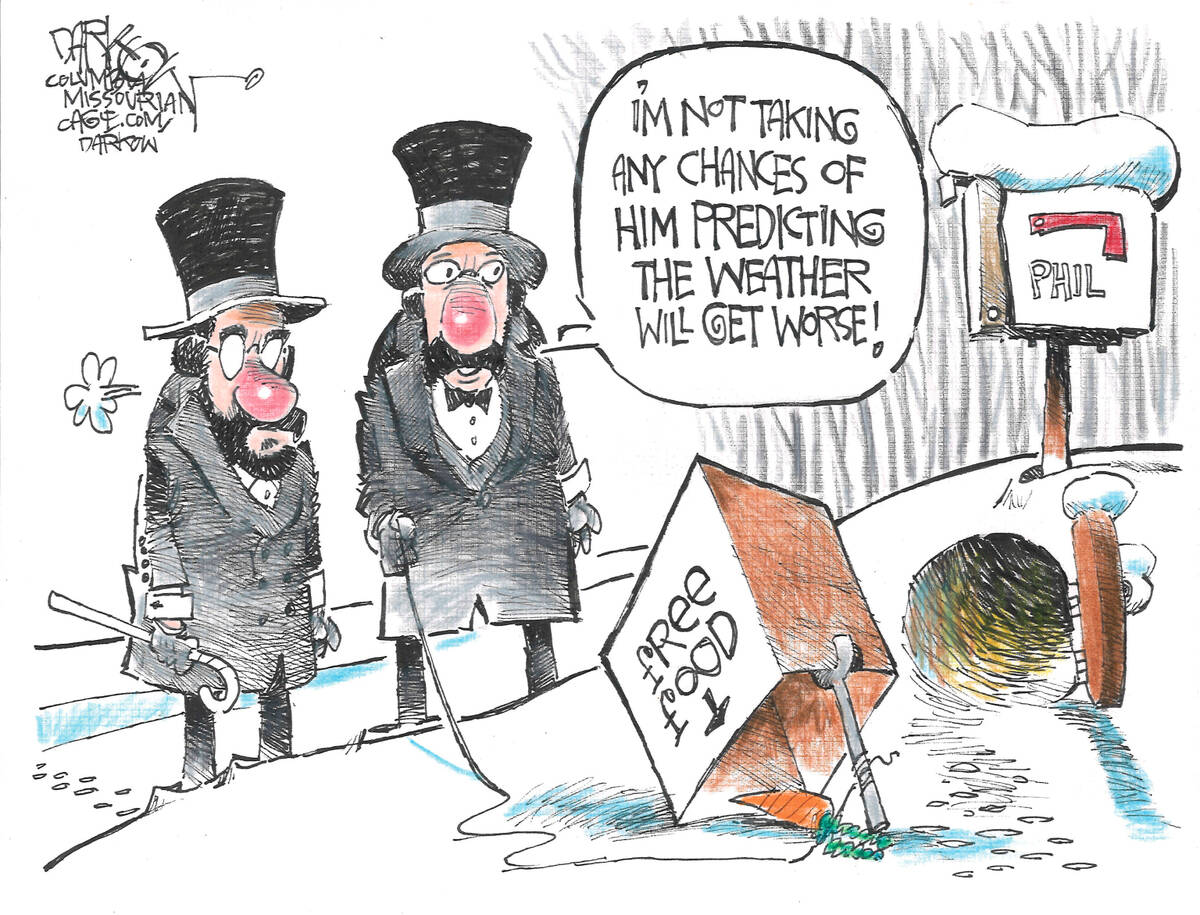




I really understand this! Sorry it is so blurry. Hugs


It is legally permissible for police departments to reject applicants for scoring too high on aptitude tests, a practice upheld by courts to minimize turnover.
Departments often look for average cognitive scores, typically between 20-27 on the Wonderlic test (approx. 104 IQ), fearing highly intelligent candidates will get bored, leave, and waste training costs.
Police hire mediocre candidates.


Ratner himself has kept a low public profile since 2017, when six women, including actress Olivia Munn, accused him of several crimes, including sexual harassment, assault, and rape


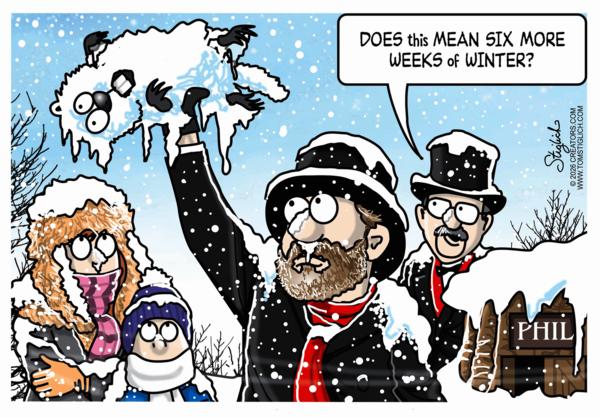

Ok to be honest why do all these new journalists seem like young teens to me? They are all cute and I want to advise them to go out and play. Sorry, that is the most ageist thing I know to say. But look at this young man and don’t tell me you don’t see him as a kid like I did the first time I watched this. Hugs


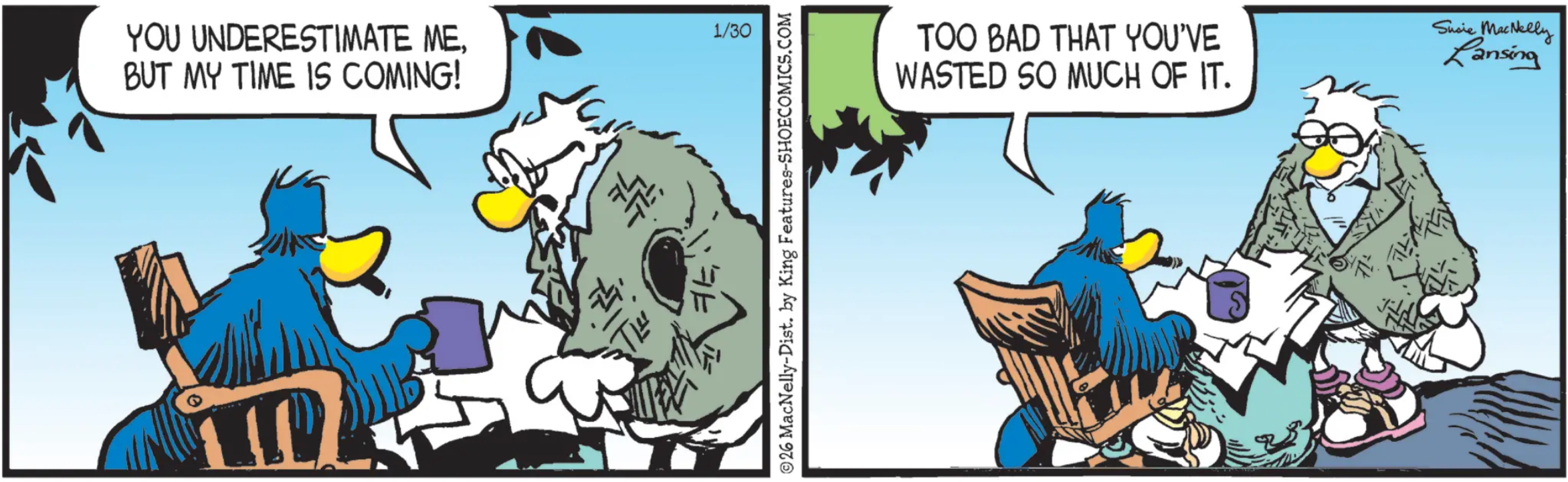











 The Greenville Daily News, South Carolina, July 8, 1919







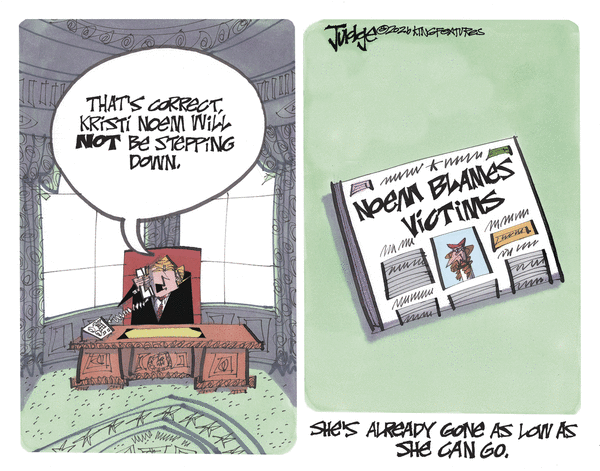


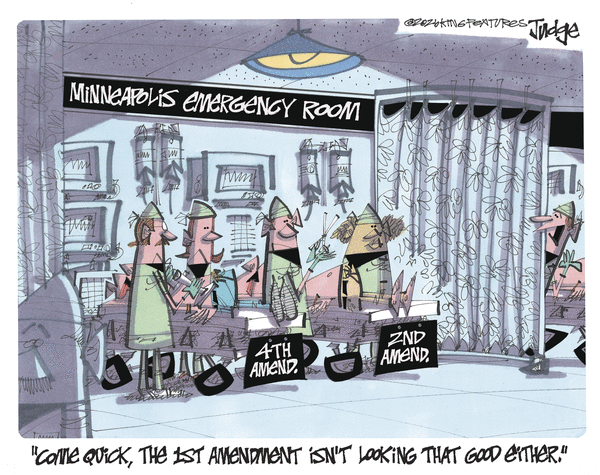


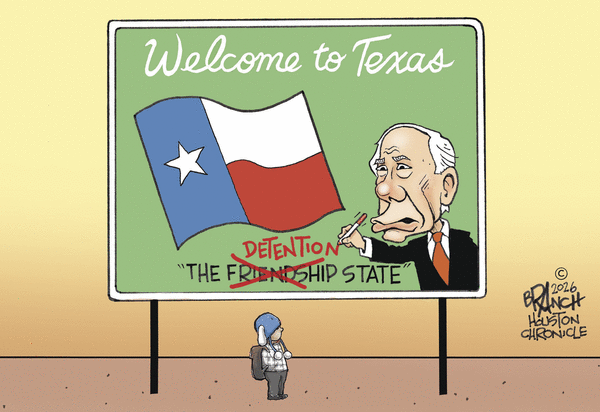










































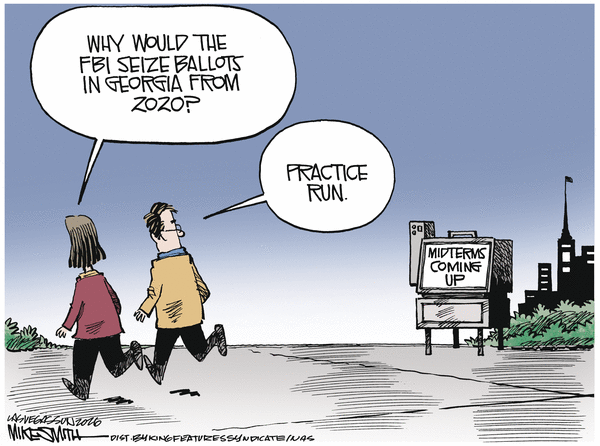
In the video below we learn that ICE is now disappearing people. Simply taking them and not documenting where they are taken or what happened to them. Families missing loved ones simply can’t find them in the ICE system anywhere. Hugs
The public doesn’t like the lawless gang thugs actions of racist Christian nationalist ICE and is demanding action from their elected representatives, many of whom are either racists or Christian nationalists themselves, to act to stop the actions of illegal assault ICE is making on the civil rights of the US public. We can see both the right and the left elected members don’t really want to and I can only think it is something to do with big money donors, many of whom are highly racist and make a great profit off the situation we have currently. Hugs
Updated 8:45 PM EST, January 15, 2026As Democrats across the country propose state law changes to restrict federal immigration officers after the shooting death of a protester in Minneapolis, Tennessee Republicans introduced a package of bills Thursday backed by the White House that would enlist the full force of the state to support President Donald Trump’s immigration crackdown.
Momentum in Democratic-led states for the measures, some of them proposed for years, is growing as legislatures return to work following the killing of Renee Good by an Immigration and Customs Enforcement officer. But Republicans are pushing back, blaming protesters for impeding the enforcement of immigration laws.
Democratic bills seek to limit ICE
Democratic Gov. Kathy Hochul wants New York to allow people to sue federal officers alleging violations of their constitutional rights. Another measure aims to keep immigration officers lacking judicial warrants out of schools, hospitals and houses of worship.
Oregon Democrats plan to introduce a bill to allow residents to sue federal officers for violating their Fourth Amendment rights against unlawful search and seizure.
New Jersey’s Democrat-led Legislature passed three bills Monday that immigrant rights groups have long pushed for, including a measure prohibiting state law enforcement officers from cooperating with federal immigration enforcement. Democratic Gov. Phil Murphy has until his last day in office Tuesday to sign or veto them.
California lawmakers are proposing to ban local and state law enforcement from taking second jobs with the Department of Homeland Security and make it a violation of state law when ICE officers make “indiscriminate” arrests around court appearances. Other measures are pending.
“Where you have government actions with no accountability, that is not true democracy,” Democratic state Sen. Scott Wiener of San Francisco said at a news conference.
Democrats also push bills in red states
Democrats in Georgia introduced four Senate bills designed to limit immigration enforcement — a package unlikely to become law because Georgia’s conservative upper chamber is led by Lt. Gov. Burt Jones, a close Trump ally. Democrats said it is still important to take a stand.
“Donald Trump has unleashed brutal aggression on our families and our communities across our country,” said state Sen. Sheikh Rahman, an immigrant from Bangladesh whose district in suburban Atlanta’s Gwinnett County is home to many immigrants.
Democrats in New Hampshire have proposed numerous measures seeking to limit federal immigration enforcement, but the state’s Republican majorities passed a new law taking effect this month that bans “sanctuary cities.”
Tennessee GOP works with White House on a response
The bills Tennessee Republicans are introducing appear to require government agencies to check the legal status of all residents before they can obtain public benefits; secure licenses for teaching, nursing and other professions; and get driver’s licenses or register their cars.
They also would include verifying K-12 students’ legal status, which appears to conflict with a U.S. Supreme Court precedent. And they propose criminalizing illegal entry as a misdemeanor, a measure similar to several other states’ requirements, some of which are blocked in court.
“We’re going to do what we can to make sure that if you’re here illegally, we will have the data, we’ll have the transparency, and we’re not spending taxpayer dollars on you unless you’re in jail,” House Speaker Cameron Sexton said at a news conference Thursday.
Trump administration sues to stop laws
The Trump administration has opposed any effort to blunt ICE, including suing local governments whose “sanctuary” policies limit police interactions with federal officers.
States have broad power to regulate within their borders unless the U.S. Constitution bars it, but many of these laws raise novel issues that courts will have to sort out, said Harrison Stark, senior counsel with the State Democracy Research Initiative at the University of Wisconsin Law School.
“There’s not a super clear, concrete legal answer to a lot of these questions,” he said. “It’s almost guaranteed there will be federal litigation over a lot of these policies.”
That is already happening.
California in September was the first to ban most law enforcement officers, including federal immigration officers, from covering their faces on duty. The Justice Department said its officers won’t comply and sued California, arguing that the laws threaten the safety of officers who are facing “unprecedented” harassment, doxing and violence.
The Justice Department also sued Illinois last month, challenging a law that bars federal civil arrests near courthouses, protects medical records and regulates how universities and day care centers manage information about immigration status. The Justice Department claims the law is unconstitutional and threatens federal officers’ safety.
Targeted states push back
Minnesota and Illinois, joined by their largest cities, sued the Trump administration this week. Minneapolis and Minnesota accuse the Republican administration of violating free speech rights by punishing a progressive state that favors Democrats and welcomes immigrants. Illinois and Chicago claim “Operation Midway Blitz” made residents afraid to leave their homes.
Homeland Security spokesperson Tricia McLaughlin accused Minnesota officials of ignoring public safety and called the Illinois lawsuit “baseless.”
___
Bauer reported from Madison, Wisconsin. Associated Press writers John O’Connor in Springfield, Illinois; Sophie Austin in Sacramento, California; Mike Catalini in Trenton, New Jersey; Anthony Izaguirre in Albany, New York; Claire Rush in Portland, Oregon; and Jeff Amy in Atlanta contributed.
Bauer is the AP’s Statehouse reporter covering politics and state government in Madison, Wisconsin. He also writes music reviews.


 Georgia state Sen. Sheikh Rahman, D-Lawrenceville, speaks during a news conference at the Georgia State Capitol in Atlanta, Tuesday, Jan. 13, 2026. (Matthew Pearson/WABE via AP)


 Scottie's Playtime