A young Wisconsin man died from an asthma attack after the price of his inhaler skyrocketed nearly $500, according to a lawsuit filed by his family.
From birth, Cole Schmidtknecht suffered from chronic asthma that he treated with an Advair Diskus inhaler that cost him no more than $66.
That changed last year when OptumRx, a subsidiary of UnitedHealth Group, decided it would no longer cover the inhaler Schidtknecht used for a decade.
On January 10, 2024, Schmidtknecht, 22, went to his local OptumRx-Walgreens pharmacy in Appleton, Wisconsin, expecting to fill his usual prescription when he was advised by Walgreens that his medication was no longer covered by his insurance and would cost him $539.19 out of pocket, according to the lawsuit.
He was given no notice and, the lawsuit said, Walgreens did not offer him a generic alternative “and further told Cole that there were no cheaper alternatives or generic medications available.”
Unable to afford the inhaler, he left the store without it.
“Over the next five days, Cole repeatedly struggled to breathe, relying solely on his old ‘rescue’ (emergency) inhaler to limit his symptoms, because he did not have a preventative inhaler designed for daily use,” the lawsuit continued.
On January 15, 2024, Cole suffered a severe asthma attack and never woke up. He was pronounced dead January 21.
His parents are now suing Walgreens, its parent company Boots Alliance and Optum Rx, the pharmacy benefits manager, for negligence.
“Defendant OptumRx had a duty to not artificially inflate prescription drug prices for medications such as Advair Diskus for insured patients, including Cole Schmidtknecht, making them so unaffordable that patients could not obtain the medications their physicians prescribed,” the lawsuit said. “Walgreens Defendants failed to exercise reasonable care in that they knew, or should have known, of the unreasonable risk of harm to asthmatic patients, including Cole Schmidtknecht, that would result from their failing to provide him with Advair Diskus or a medically equivalent alternative medication at an affordable price at the point of service.”
The lawsuit comes less than two months after the assassination-style killing of United Healthcare CEO Brian Thompson, whose death renewed debate about how health insurance companies treat their customers.
“In my day, we had to use the C.I.A. to secretly finance military coups if we wanted to steal a country’s resources.”
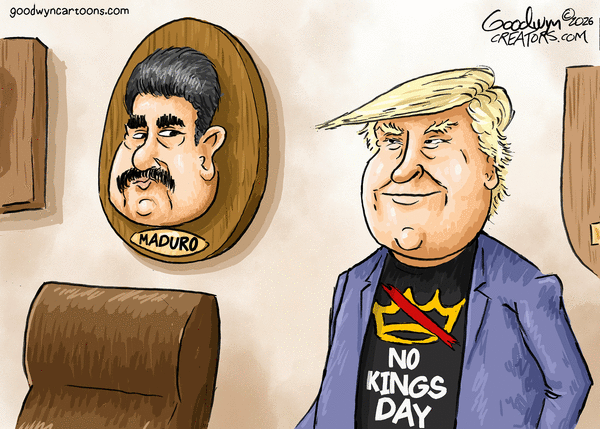
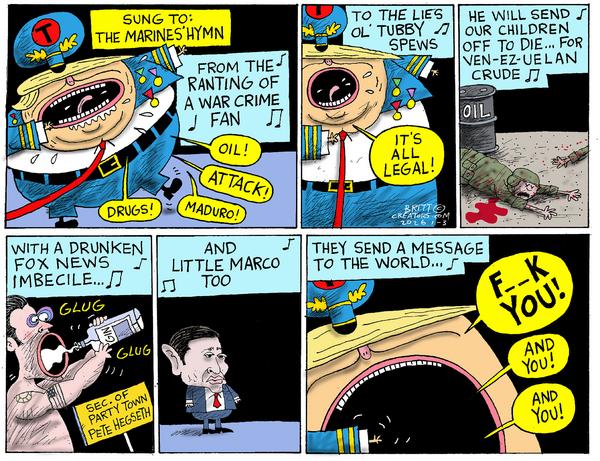
Maduro was not in the US he was in a country that our law enforcement people had no authority to enforce laws. This was the kidnapping of a foreign leader which is a war crime. Hugs
Throughout its history, the United States has characteristically remained a country of two things: a country of immigrants, and a country of unmatched religious diversity. And yet when compared with the rest of the world – where these two very factors alone have so often engendered horrible religious wars and decades of enduring conflict – the history of religious conflict in the United States seems almost nonexistent.
That is not to say the United States has been immune to its share of conflict explicitly rooted in religion. This paper explores the various manifestations of religious conflict throughout the history of the United States, from the Revolutionary War to the attacks of September 11th and their fallout. A distinction is drawn between religious intolerance, which is not the focus of this paper, and outright religious persecution or violence. Similarly, the paper reflects efforts made to de-conflate religious conflict from ethnic and racial conflict, which has been much more prominent throughout the history of the United States. In examining the history of religious violence, intolerance, discrimination, and persecution in the United States, we arrive at some possible explanations for why the United States has seen such minimal religious conflict despite being so religiously diverse.
The Revolution
It has been said that the United States is a nation founded on religious conflict. The colonies were settled by those escaping religious persecution in Europe. There is even some evidence that religion played a major role in the American Revolution and that revolutionaries believed it was willed by God for the Americans to wage war against the British.[1]
As the Church of England was striving to establish one, uniform religion across the kingdom, colonial America was divided, each of the colonies being dominated by their own brand of Christianity. Due to the distance from England and the room in the colonies, many religions were able to establish themselves in America, colony by colony. For example, Anglicans, who conformed to the Church of England, populated Virginia. Massachusetts was home to the Puritans. Pennsylvania was full of Quakers. Baptists ruled in Rhode Island. And Roman Catholics found a haven in Maryland, where they could establish themselves amid the other colonists’ protestant majority. Each of these colonies maintained a distinct religious character and favored one religious denomination’s power.
The American colonists saw the revolution not only as a war for political independence, but to protect the religious diversity of the thirteen colonies. Put in other terms, it was a war for religious independence and freedom. To sever ties with Mother England would be to ensure that the various Christian denominations could co-exist on the American continent. The conflict was, in part, a conflict that pitted the various American religious denominations against the Church of England, who wanted to impose a uniform, Anglican religion on the colonies.
Early Religious Persecution
The period after the Revolutionary War saw a lot of infighting between the various states and Christian denominations. Virginia, which was home to the largest portion of Anglicans loyal to the Church of England, was the scene of notorious acts of religious persecution against Baptists and Presbyterians. Anglicans physically assaulted Baptists, bearing theological and social animosity. In 1771, a local Virginia sheriff yanked a Baptist preacher from the stage at his parish and beat him to the ground outside, where he also delivered twenty lashes with a horsewhip. Similarly, in 1778, Baptist ministers David Barrow and Edward Mintz were conducting services at the Mill Swamp Baptist Church in Portsmouth, Virginia.[2] As soon as the hymn was given out, a gang of men rushed the stage and grabbed the two ministers, took them to the nearby Nansemond River swamp, and dunked and held their heads in the mud until they nearly drowned to death.
The period during and soon after the Revolutionary War also saw abundant political manifestations of religious conflict. At the time, some states abolished churches, while supporting others, issued preaching licenses, and collected tax money to fund and establish state churches. Each state constitution differed in its policy on religious establishment, or state-supported religion. It would not be until well after the adoption of the Constitution of 1789 and the First Amendment religion clauses that the disestablishment for which the United States is so recognized became the de facto practice.
1800s
The early part of the 19th Century was relatively quiet in terms of religious conflict in America. The religious conflict that stands out in this period involves tensions between Catholics and Protestants, culminating in violence directed at Irish Catholic immigrants. The surge in immigration from Europe during the 19th Century coincided with and influx of Catholics and the rise of activist Protestantism in the U.S. As strong Protestant values permeated the country, immigrants who were Catholic also became viewed as outsiders and undemocratic. These views are separate from, but on top of, the harsh anti-Irish sentiment that also spread during the period.
In the 1830s and 1840s, anti-Catholic violence broke out in the Northeast and elsewhere. In 1835, one incident was ignited by a speaking tour by Lyman Beecher, who published Plea for the West, a book about a Catholic plot to take over the U.S. and impose Catholic rule. After Beecher’s speaking tour passed through Charlestown, Massachusetts, a mob set fire to the Ursuline convent and school.[3] In Philadelphia in 1844, pitched gun battles broke out between “native” Americans and mostly Irish Catholics. Martial law had to be declared in order to end the violence.[4]
The Mormon War, the Utah War
Around the same time as anti-Catholic violence broke out in the Northeast, another religious group was being chased out of the same area. The Mormons, who emerged after the 1830 discovery of The Book of Mormon, were a religious community chased out of New York, out of Ohio, out of Missouri, and out of Illinois, to Utah, where they finally settled.
In Illinois in 1839, the Mormons settled Nauvoo and built a thriving Mormon town there, complete with a large Mormon temple. In the short period of three years, the Mormons prospered, announced the doctrine of polygamy, and founder Joseph Smith announced his candidacy for president of the United States. Locals were intimidated and envious. Smith and his brother Hyrum were arrested on morals charges and held in jail. On June 27, 1844, an anti-Mormon mob attacked Nauvoo and burned it to the ground.[5] They also invaded the jail cells where Smith and his brother were being held, and executed them.
Shortly after the sacking of Nauvoo, Brigham Young announced his leadership of the Mormons and led them to Utah, where they flourished. In 1857, fears of a religious state of Mormons grew and the president ordered federal troops to enforce the installation of federal judges and a new non-Mormon governor. At some point in the interim, this is still a subject of debate, the infamous Mountain Meadow Massacre happened – in which local Mormons slaughtered a group of 120 California-bound pioneers who were openly hostile toward their religion and making threats to return from California to attack them.[6]
The massacre only fueled anti-Mormon sentiment. Tensions escalated. The Mormon army, also known as the Nauvoo Legion, was called out to respond to the imminent arrival of 2,000 U.S. Army troops. Salt Lake City was evacuated on standing orders to burn the city should an invasion occur. No violence was to break out, as attention was diverted to the Civil War.
As the federal government focused its energies on fighting the Civil War, legal sanctions and political oppression of the Mormons continued that virtually dissolved the church by 1887. It wasn’t until the 1890s, when the Mormons ended the practice of polygamy, that Utah finally achieved statehood in 1896.[7]
The Jewish Experience
At the end of the 1890s, the U.S. began seeing the first wave of anti-Semitism, just as the federal government began restricting immigration from Europe. While concentrations of Jews have lived in America since colonial times, they were largely tolerated and discriminated against in localized incidents. By the 1920s, immigration quotas had taken effect and limits on the basis of national origin. These quotas were not repealed during the Holocaust, even as Jewish refugees were fleeing Hitler’s Europe.
Between 1933 and 1939, the period of the Great Depression, anti-Semitic fervor reached heights never before seen or later seen in entire the history of the Jewish experience in America. In urban areas such as New York and Boston, Jews were violently attacked.[8] Most anti-Jewish sentiment was manifested in social and political discrimination. Assaults, propaganda and intimidation were mostly carried out by special societies, such as the Silver Shirts or the Ku Klux Klan.
Overall, the experience of Jews in America has been encouragingly free from the violent persecution seen elsewhere in the world. Indeed, racial and social intolerance persisted since the colonial days until the 1950s, as Jews were not allowed membership in country clubs, excluded from colleges, banned from practicing medicine, and from holding political office in many states. However, religious conflict rooted in anti-Semitism has been largely non-violent.
Hate Crimes as Religious Conflict
The incidents of violence against individual Jews that characterized the anti-Semitism of the Great Depression would have fallen under the category of religious hate crimes if the FBI, then known as the Bureau of Investigation, were collecting those statistics at the time. Despite the diversity of the United States, in all aspects such as race, national origin, religion and sexual orientation, the federal government (by way of the FBI) did not start keeping tabs on hate crimes until 1992. Religiously speaking, anti-Semitic hate crimes have always dominated the national hate crime statistics gathered by the FBI for the past ten years. However, the current numbers paint a changing landscape.
According to the ACLU, the U.S. is home to more than 1,500 religions and 360,000 religious centers.[9] Christianity has long dominated the country’s religious make-up, followed by Judaism. According to the latest statistics released by the Harvard University Religious Pluralism Project, Islam has surpassed Judaism and is the country’s Number Two religion.[10]
Following the terrorist attacks of September 11th, the FBI found that anti-Muslim sentiments spiked and verifiable, religiously motivated hate crimes against Muslims in the U.S. increased 1,600 percent in 2001 from the prior year.[11]
In fact, the FBI, which has tracked hate crimes since 1992, reports that Anti-Muslim hate crimes had previously been the second-least reported. But in 2001, they became the second-highest reported, second only to anti-Jewish hate crimes. It should be noted that these statistics are separate from crimes motivated against race, national origin or ethnicity – these are crimes against person and property in which religion was a motivating negative factor.
Conclusion
The U.S. has been fortunate in that it has not witnessed religious war and conflict of the scale seen in the Middle East and Europe. Although the number of different religions in the U.S. has steadily grown over the decades, this diversity has not let to conflict. Some propositions for why this may be:
The United States as a country of immigrants
This factor defuses historical and religious claims to territory, which are not as strong as they are in places such as the West Bank and Ireland. It also may explain a greater likelihood for a system of conflict to eventually resolve itself in favor of tolerance rather than further conflict, as each new group of immigrants to America has generally shared a story of persecution.
Constitutional protections and religious disestablishment
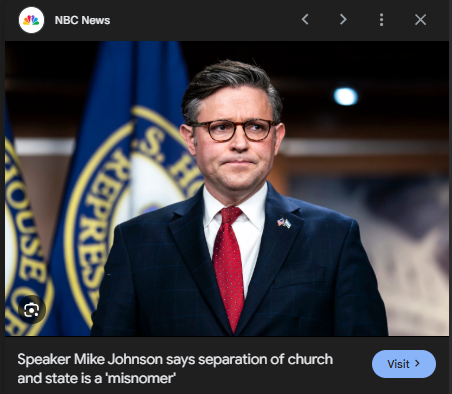
The American tradition of the separation of church and state cannot be overlooked in mediating and possibly preventing religious conflict to erupt. In many other parts of the world, religion is still highly influential and, in some cases, sponsored by the state. However, in a country with such religious diversity, religious disestablishment has proved necessary so that the government could not take sides in a religious conflict.
Diversity creates tolerance
The argument also exists that the immense diversity in and of itself has promoted tolerance among religions. Religious pluralism inspires attitudes that homogeneity is a natural part of the religious environment and that there is room for each religion to exist in America.
As the United States enters the 21st Century, these important factors will prove to be influential in the face of catastrophic events, and economic, social and political changes that challenge the level of religious tolerance the nation has maintained for over two centuries.
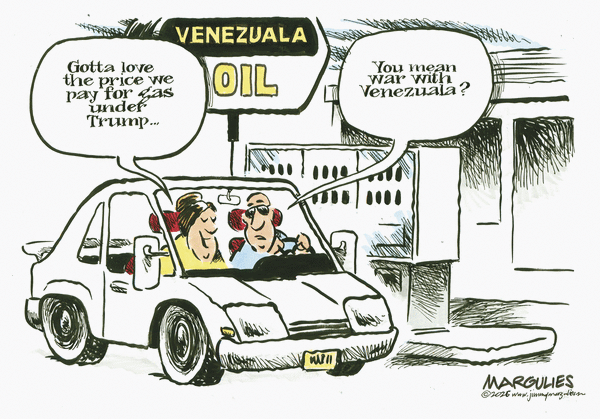
On Saturday, it tells us that Nicolás Maduro is such a uniquely dangerous despot — so criminal, so destabilizing, so irredeemable — that the United States had no choice but to remove him from power by force. Maduro, we are told, is a narco-dictator, a human rights abuser, a menace to his own people and to regional stability.
On Sunday, the same administration will continue putting Venezuelan asylum seekers on planes and deports them back to the country that, according to its own rhetoric, was so dangerous it required regime change.
This is not just hypocrisy. It is a logical impossibility masquerading as policy.
Criminal Israel has violated every aspect of the “ceasefire” and made a mockery of the promises of security guarantees tRump gave Hamas / the Palestinians. It should make Ukraine really nervous of the same things he has promised them. All tRump can see or cares about is his personal profit of building on Palestinian lands making profits over the dead bodies of the Palestinians. He is OK with Israel hurrying up the slaughter to get to that profit point. I hate this. You should also. Hugs
People attend the funeral of Dr. Hussein Najjar, a member of the Doctors Without Borders team who was killed by shrapnel from an Israeli airstrike, in Deir al Balah, Gaza on September 16, 2025
(Photo by Alaa Y. M. Abumohsen/Anadolu via Getty Images)
“The humanitarian response in Gaza is already highly restricted, and cannot afford further dismantlement,” the renowned organization warned.
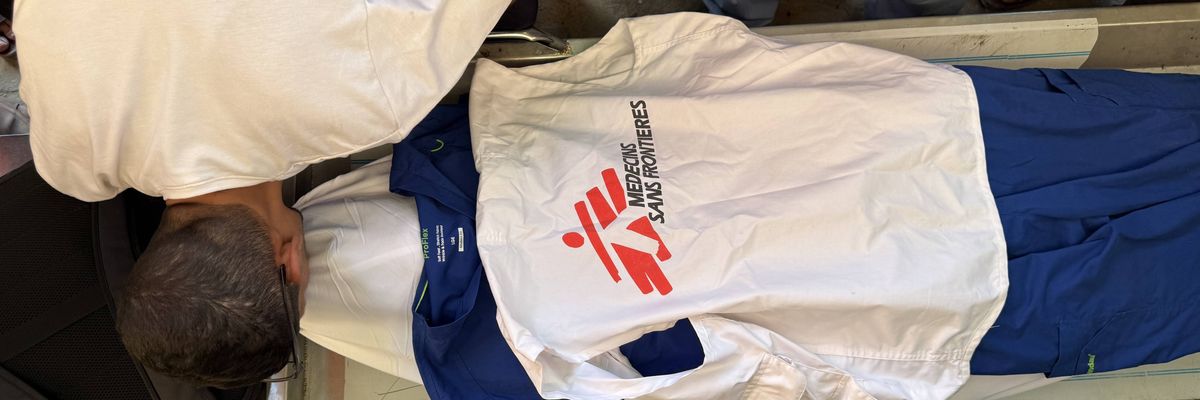
The Israeli government said Tuesday that Doctors Without Borders, one of the largest medical organizations currently operating in Gaza, is among the 25 humanitarian groups that will be suspended at the start of the new year for their alleged failure to comply with Israel’s widely criticized new registration rules for international NGOs.
According to the Associated Press, Israel’s Ministry of Diaspora Affairs “said the organizations that will be banned on January 1 did not meet new requirements for sharing staff, funding, and operations information.” The Israeli government specifically accused Doctors Without Borders, known internationally as Médecins Sans Frontières (MSF), of “failing to clarify the roles of some staff that Israel accused of cooperation with Hamas and other militant groups,” AP reported.
In addition to providing medical assistance to desperate Palestinians, MSF has been an outspoken critic of what has it described as Israel’s “campaign of total destruction” in Gaza. The group said in a report released last December that its teams’ experiences on the ground in Gaza were “consistent with the descriptions provided by an increasing number of legal experts and organizations concluding that genocide is taking place.”
Ahead of Tuesday’s announcement, Doctors Without Borders warned that the looming withdrawal of registration from international NGOs “would prevent organizations, including MSF, from providing essential services to people in Gaza and the West Bank.”
“With Gaza’s health systemalready destroyed, the loss of independent and experienced humanitarian organizations’ access to respond would be a disaster for Palestinians,” the group said in a statement last week. “The humanitarian response in Gaza is already highly restricted, and cannot afford further dismantlement.”
“If Israeli authorities revoke MSF’s access to Gaza in 2026, a large portion of people in Gaza will lose access to critical medical care, water, and lifesaving support,” the group added. “MSF’s activities serve nearly half a million people in Gaza through our vital support to the destroyed health system. MSF continues to seek constructive engagement with Israeli authorities to continue its activities.”
Pascale Coissard, MSF’s emergency coordinator for Gaza, noted that “in the last year, MSF teams have treated hundreds of thousands of patients and delivered hundreds of millions of liters of water.”
“MSF teams are trying to expand activities and support Gaza’s shattered health system,” said Coissard. “In 2025 alone, we carried out almost 800,000 outpatient consultations and handled more than 100,000 trauma cases.”
Israel’s announcement came shortly after Prime Minister Benjamin Netanyahu met with US President Donald Trump in Florida, where both dodged questions about their supposed “peace plan” for Gaza after more than two years of relentless bombing. The Israeli military has been accused of violating an existing ceasefire agreement hundreds of times since it took effect in October.
Al Jazeera reported Tuesday that “Israeli forces have carried out strikes across the Gaza Strip as they continue with their near-daily violations of the ceasefire agreement, with Israel’s genocidal war on the besieged enclave continuing apace and displaced Palestinians enduring the destruction of their few remaining possessions in flooding brought about by heavy winter rains.”
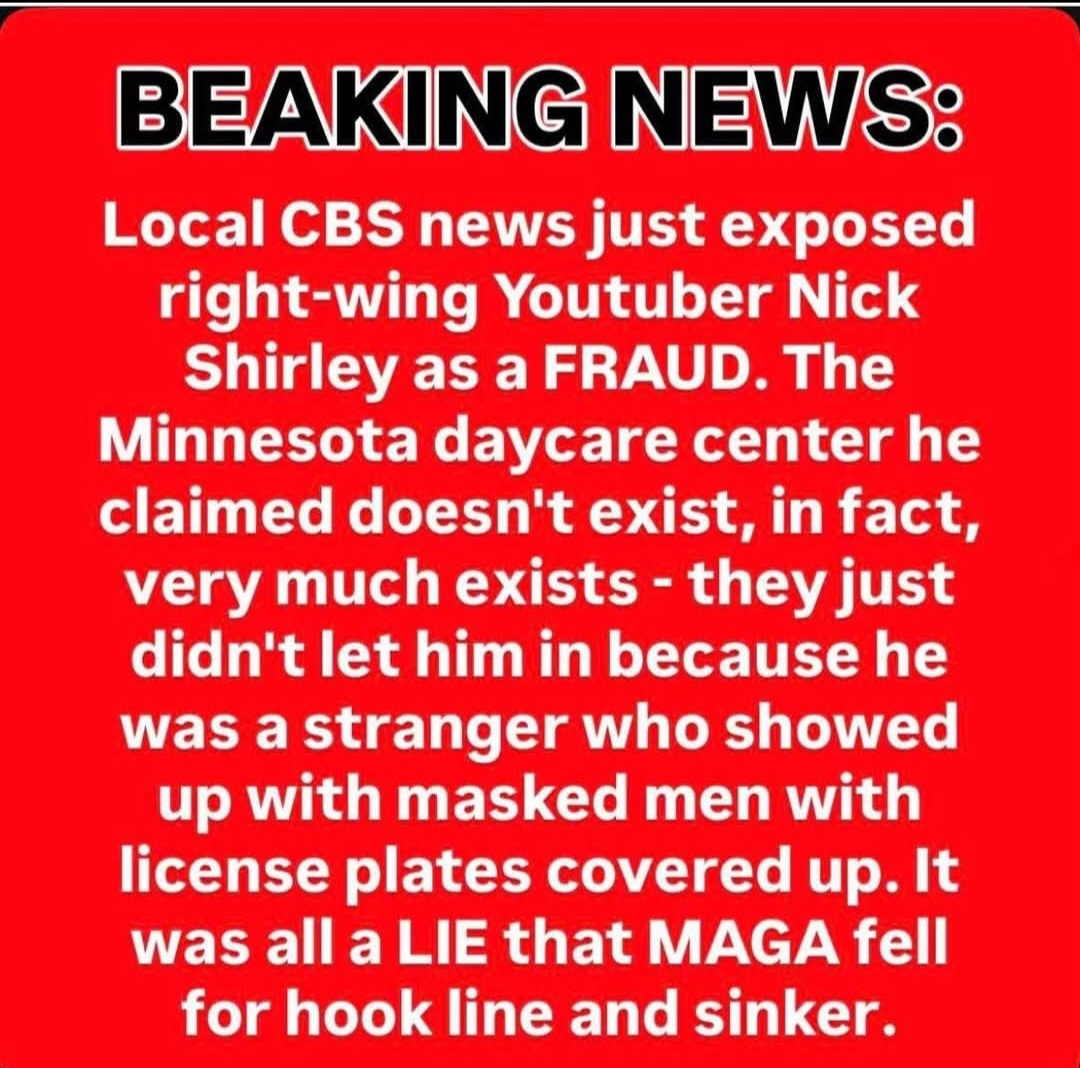
like 75% of dem messaging right now should be “the party led by epsteins best friend is breaking into pre-k childcare centers so they can record your toddlers and put the videos on internet”
Community (This content is not subject to review by Daily Kos staff prior to publication.)
Thursday, January 01, 2026 at 12:36:07p EST
(Kenneth Fowler/CNN)
This article is going to explain what we’re actually facing, lay out its four preconditions, and show you that America meets every single one. It will then explain why knowing this is important, and what we can do once equipped with that knowledge.
There’s a name for what’s happening: electoral autocracy. Elections happen. Multiple parties compete. But the system is rigged to favor one faction through gerrymandered maps, voter suppression, captured courts, and media control. When the wrong side wins anyway, those captured courts block them from governing. Hungary operates this way. So do we.
Start with gerrymandered maps. The Brennan Center’s September 2024 analysis found Republicans hold approximately 16 extra House seats due to favorable district lines.¹ Republicans drew 191 congressional districts while Democrats drew 75.¹ Only 69 of 435 House seats are rated competitive.² The Senate is worse. California’s 39 million residents have the same representation as Wyoming’s 579,000, a ratio of 68 to 1.³ The 50 Republican senators who confirmed Trump’s Supreme Court justices represented 43.5 percent of the American population. Their 50 Democratic colleagues represented 56.5 percent.⁴ The last time Republican senators represented a majority of voters was 1996.⁵
Rigged maps only work if the right people show up to vote. That’s where voter suppression comes in. The evidence includes confessions. During floor debate on Montana’s HB 176 in 2021, a Republican state representative explained he wanted to end Election Day registration because young voters are “not on our side of the aisle.”⁶ The bill passed. In oral arguments before the Supreme Court that same year, Arizona Republican Party attorney Michael Carvin was asked what interest his party had in maintaining voting restrictions. His answer: eliminating them “puts us at a competitive disadvantage relative to Democrats.”⁷ When the Fourth Circuit struck down North Carolina’s HB 589, the court found the legislature had requested data on voting practices broken down by race, then restricted exactly those practices disproportionately used by Black voters. The law, the court wrote, “targeted African Americans with almost surgical precision.”⁸ North Carolina enacted that law less than two months after the Supreme Court gutted the Voting Rights Act in Shelby County v. Holder. Between 2021 and 2024, states passed 79 restrictive voting laws, nearly three times the number passed between 2017 and 2020.⁹
Gerrymandering and voter suppression tilt the playing field. Media control ensures tens of millions of Americans never realize the game is rigged. Sinclair Broadcast Group owns or operates 178 television stations reaching approximately 40 percent of American households.¹⁰ The company requires stations to air “must run” segments including commentary from Boris Epshteyn, a former Trump White House official, nine times per week.¹⁰ In March 2018, Deadspin compiled footage of nearly 200 Sinclair anchors reading identical scripts warning about “fake news” at other outlets.¹¹ You can watch the video. Sinclair executive chairman David Smith reportedly told Trump in 2016: “We are here to deliver your message.”¹² When your local news is owned by a conservative media conglomerate pushing partisan content through trusted local faces, voters cannot punish leaders for policy failures they never learn about.
None of this would hold without the final piece: captured courts that enforce the rigged system and block any attempt to change it.
The Biden administration asked the Supreme Court to decide whether federal district judges have the power to issue nationwide injunctions blocking presidential policies. The Court declined to hear the case.¹³ The Trump administration asked the same question. The Court took it, ruled in Trump’s favor, 6-3.¹⁴
Same legal question. Same Court. Different answer depending on who asked.
The judiciary abandoned neutrality decades ago. Bush v. Gore stopped votes from being counted. Shelby County gutted voting rights. Citizens United flooded elections with dark money. What we’re watching now is the endgame.
The Niskanen Center analyzed the Court’s treatment of lower court injunctions and found that within the first six months of Trump’s second term, the Supreme Court lifted approximately 77 percent of injunctions blocking administration actions. For the Biden administration over four years, the Court lifted 10 percent.¹⁵ Georgetown law professor Steve Vladeck documented that in the first 20 weeks of Trump’s second term, the administration sought emergency action from the Supreme Court 19 times. That equals the total number of requests the Biden administration made over four years.¹⁶ The Court sided with Trump nearly every time.
In July 2024, the Court ruled 6-3 that presidents enjoy absolute immunity from criminal prosecution for official acts within their core constitutional authority, and presumptive immunity for all other official acts.¹⁷ The Court held that Trump’s discussions with the Acting Attorney General about overturning the 2020 election fell within his exclusive constitutional authority and were therefore absolutely immune.¹⁷ Courts cannot inquire into a president’s motives. An action does not become unofficial merely because it violates the law.¹⁷ Justice Sotomayor wrote in dissent that the decision makes the president “a king above the law.”¹⁷
A president can now direct the Justice Department to prosecute political enemies. He can order federal law enforcement to investigate, harass, and charge anyone he designates as a threat. He can pardon co-conspirators before, during, or after any scheme. He can fire any official who refuses to comply. If these actions fall within his official duties, he faces no criminal liability. The Court manufactured this immunity from whole cloth. No statute authorized it. No constitutional text required it. No precedent compelled it. Six justices simply declared that presidents need this protection to act “boldly.”
The Court is simultaneously dismantling the independence of federal agencies. In Trump v. Slaughter, currently before the Court, the administration argues that the president can fire Federal Trade Commission commissioners at will, eliminating the for-cause removal protections that have governed independent agencies since 1935.¹⁸ The D.C. Circuit has already ruled that Trump’s firings of Merit Systems Protection Board and National Labor Relations Board members were lawful.¹⁸ If Humphrey’s Executor falls, the Federal Reserve, the FTC, the SEC, the NLRB, and every other independent agency comes under direct presidential control. A president could fire the Fed chair for refusing to cut interest rates before an election. He could purge every agency of anyone who might resist.
Criminal immunity for official acts. Direct control of every federal agency. And now, with the nationwide injunction ruling, illegal orders take effect everywhere except in the specific jurisdictions where individual plaintiffs have standing to sue. The Court has built a legal architecture in which a Republican president operates with essentially no constraint.
Now consider what the same Court does when a Democrat holds office. In June 2023, the Court struck down President Biden’s student loan forgiveness program, a $430 billion initiative affecting over 40 million borrowers.¹⁹ Chief Justice Roberts invoked the “major questions doctrine,” holding that agencies cannot make decisions of vast economic significance without explicit congressional authorization.¹⁹ The previous year, the Court used the same doctrine to strike down the Clean Power Plan.²⁰ In June 2024, the Court overturned Chevron deference entirely, eliminating the 40-year principle that courts should defer to agency interpretations of ambiguous statutes.²¹ The six-justice majority handed every conservative federal judge in the country a veto over Democratic governance.
The student loan program and the Clean Power Plan were not radical initiatives. They were exercises of delegated authority that prior courts would have upheld without controversy. This Court invented new doctrines to stop them. As Justice Kagan wrote in dissent, the Court’s approach “overrules Congress’s decisions about when and how to delegate” and makes the Supreme Court itself “the arbiter, indeed, the maker, of national policy.”²²
SCOTUSblog’s analysis calls this the “who-what duality” of the Roberts Court: expanding presidential power over personnel while restricting presidential power over policy.²³ But that framing is too neutral. The personnel expansions let a Republican president fire anyone who might resist. The policy restrictions prevent a Democratic president from using the administrative state to do anything at all. One president gets to destroy. The other gets blocked from building. This is not judicial philosophy. It is collaboration.
None of these tools will transfer. A Democratic president attempting to invoke the immunity ruling, the removal power, or the elimination of nationwide injunctions would discover new limits, new doctrines, new procedural barriers. We know this because we already have the data. Seventy-seven percent versus ten percent. Nineteen emergency requests in twenty weeks versus nineteen in four years. Same questions, different answers, depending entirely on who is asking.
Here is what all of this means in plain terms. One faction wins elections while losing the popular vote, governs without constraint, and installs lifetime judges who validate the structures that enabled minority rule. The other faction needs supermajorities to win, cannot govern when it does, and watches every policy achievement get struck down by courts it cannot reform. The gears turn freely toward authoritarian consolidation. Try to turn them back and the teeth catch.
This is why nothing ever gets better. Two-thirds of Americans support raising the minimum wage to $15 an hour.²⁴ Seventy-three percent believe the healthcare system needs major change or a complete rebuild, including 67 percent of Republicans.²⁵ Exposed to policies without party labels, supermajorities support them. Yet the federal minimum wage has not moved since 2009. Healthcare remains broken. Housing stays unaffordable. Climate action stalls. Not because these policies are unpopular. Because the system is designed to prevent the popular will from becoming law. Gerrymandered legislatures will not pass them. If they pass, captured courts strike them down. If courts uphold them, the next minority-elected president dismantles them.
Every precondition is met. This is not a warning about where we are headed. We are already here.
The federal government will not save us. It has been captured. Any strategy for preserving democratic governance must begin by acknowledging what we are actually facing. What remains is the ground we still hold at the city and state level, and the willingness to use it.
The Introduction to Soft Secession booklet explains exactly what that looks like: public banking, interstate compacts, criminal prosecutions of federal officials under state law, and revenue strategies that reduce dependency on a captured federal government. It’s free at BuyMeACoffee.com/TheER, along with the Educate Activate Recruit Repeat Method for actually getting these policies passed, Being Dangerous: How to Go from Activist to Operative, a printable trifold you can hand out, and Conservatism: America’s Personality Disorder, the full book explaining how we got here. Physical copies and merch at TheExistentialistRepublic.com.
Look at the differences between the “hellscapes” right and left imagine if the other is in charge. They tremble at the thought of seeing taco trucks and hijabs, men raising children together, people wearing masks so they don’t get sick. We tremble at concentration camps, bombings, abductions.
I want to thank https://personnelente.wordpress.com/2025/12/31/attacking-ukraine/ for the link to this news article. I think it is seriously important we realize Ukraine is suffering to keep the rest of the world safe. If Putin has his way he will recreate the world of the USSR in the 1980s again, taking territory of other countries by force and stealing their resources, just as tRump thinks the US should be able to do the countries the US deals with or are in our hemisphere. None of this will come to any good for the world. Right from the start Ukraine should have been given the weapons it needed with no restraint on how to use them. Biden did as much to damage Ukraine as Putin’s military did. Biden forced Ukraine to fight with their hands tied behind their backs. Thankfully Europe is realizing that mistake and removing the no attacks on Russian soil restrictions. Hugs
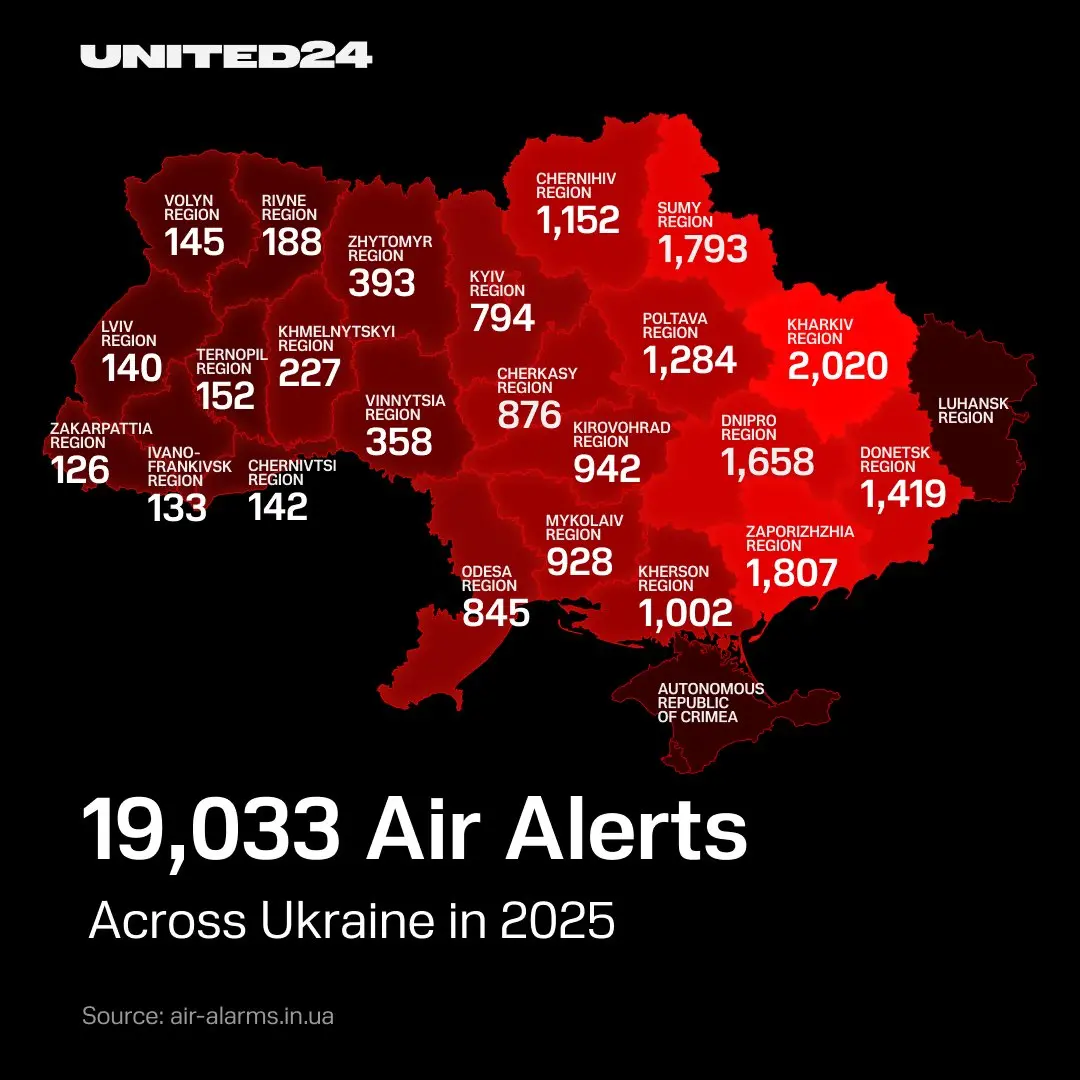
In 2025, Russian troops carried out a record number of air attacks on the territory of Ukraine. According to the United24 platform, the enemy used more than 60 thousand guided bombs, about 2.4 thousand missiles and more than 100 thousand drones of various types.
Number of air alerts in Ukraine in 2025 / United 24
During the year, at least 19,033 air alerts were announced throughout the country. The sirens sounded most often in the Kharkiv region (2,020 times), Zaporizhia (1,807 times) and Sumy region (1,793 times). The fewest alerts were recorded in Transcarpathia (126 times), Ivano-Frankivsk region (133 times) and Lviv region (140 times).
If in the winter and spring months there were one or two major attacks per month, then since June-July their number has increased significantly. During individual strikes, the enemy used up to 60 missiles and hundreds of drones, sometimes up to 700–800 drones in a single attack.
The most massive attacks of 2025:
January 15: 177 targets (of which 43 missiles and 74 drones, air defense destroyed 30 missiles and all drones)
February 1: 165 targets (of which 42 missiles and 123 drones)
March 7: 261 (of which 67 missiles and 194 drones)
April 24: 215 (of which 70 missiles and 145 drones)
May 25: 367 (of which 69 missiles and 298 drones)
Starting in June, the shelling has intensified significantly:
June 29: 537 targets (of which 60 missiles and 477 drones)
July 9: 728 drones.
In August, the number of attacks remained at a high level:
August 21: 614 targets (including 40 missiles and 574 drones)
August 28: 629 targets (including 31 missiles and 598 drones)
August 30: 582 targets (including 45 missiles and 537 UAVs).
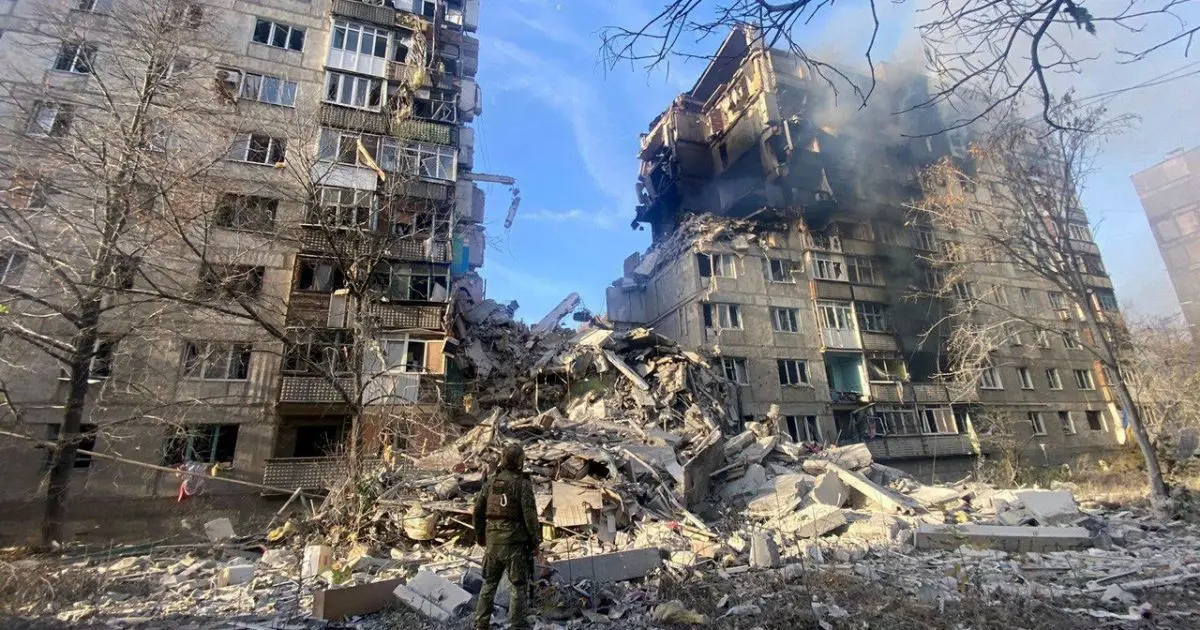
Consequences of the shelling of Donetsk : National Police of Ukraineregion
A record number of drones was recorded on September 7 – 823 targets (including 810 drones and 13 missiles), and on October 30 the enemy launched 705 targets (including 52 missiles and 653 drones). During November and December, massive attacks continued: the number of missiles reached 51, drones – up to 653 in one shelling.
United24 emphasizes that human suffering cannot be fully measured in numbers, but statistics clearly demonstrate the scale of the threat and confirm that Ukraine needs enhanced air defense and support from international partners.



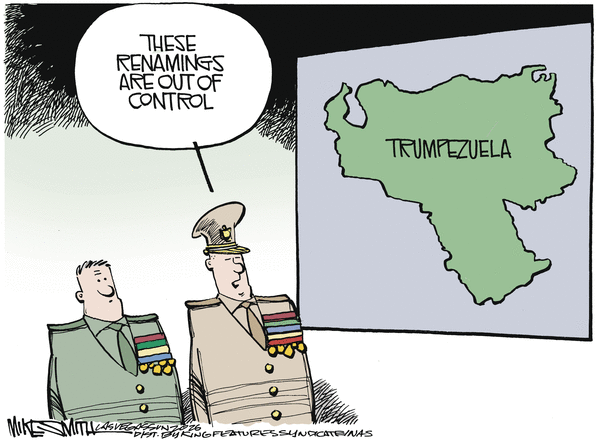

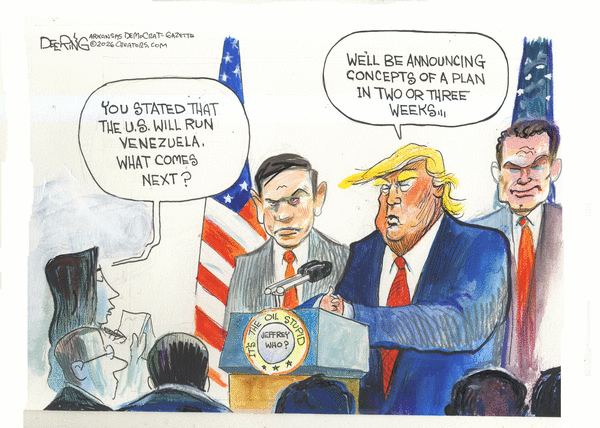





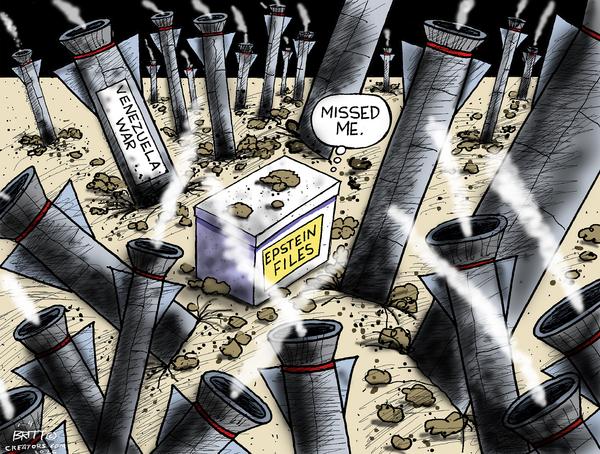


 Maduro was not in the US he was in a country that our law enforcement people had no authority to enforce laws. This was the kidnapping of a foreign leader which is a war crime. Hugs














































































(Kenneth Fowler/CNN)
































 Scottie's Playtime