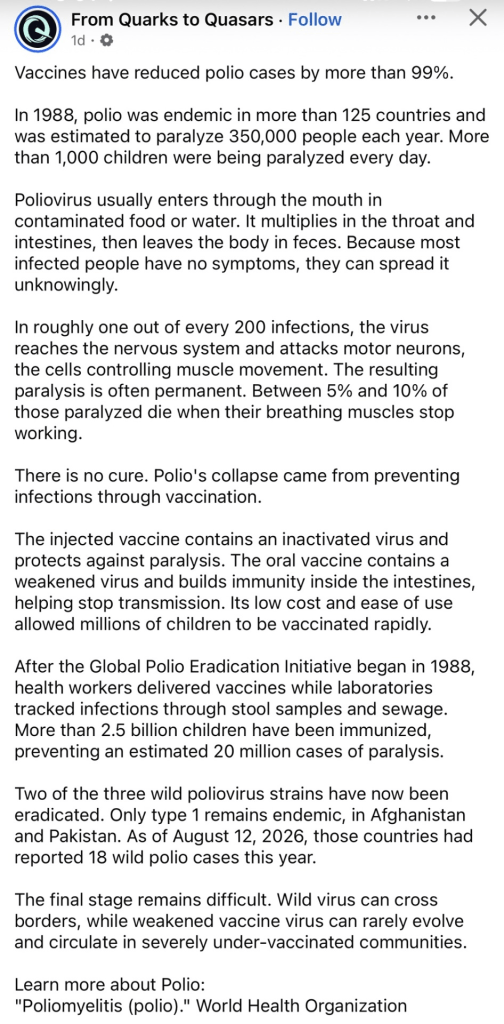
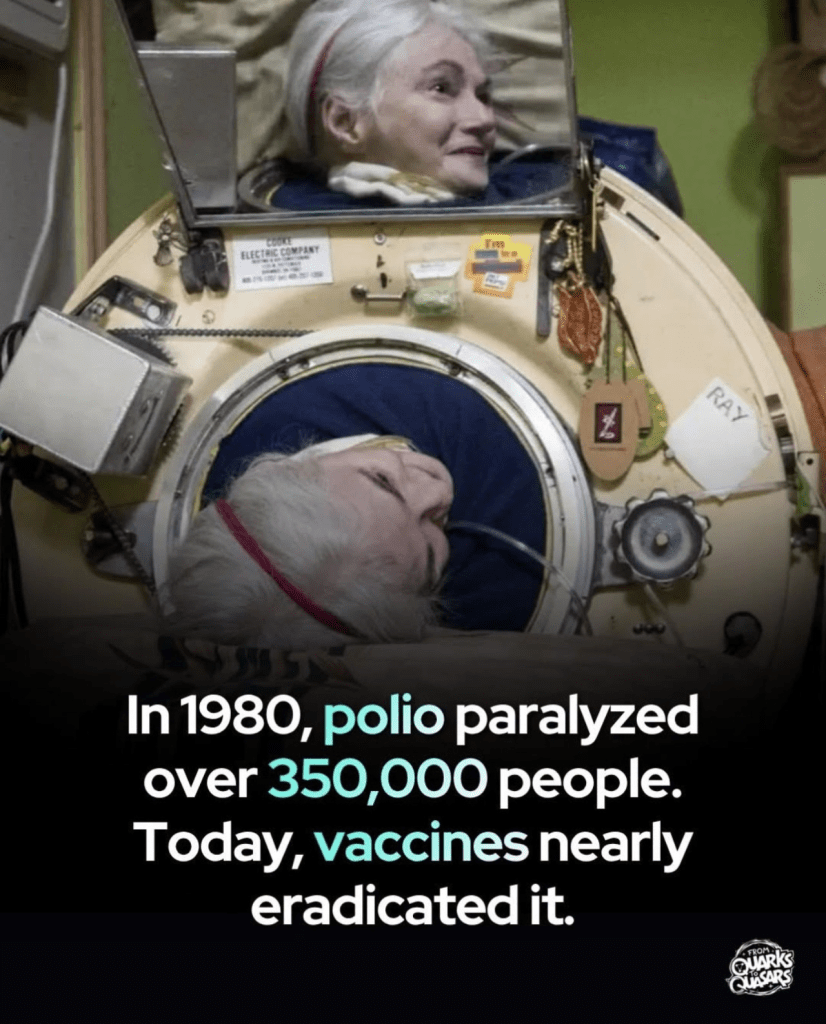
Post 2-Trans Pregnancy


These pages are an excerpt of Will Betke-Brunswick’s work-in-progress book, Transpregnant.


See Part 1 post here.

From Crucial Comix-

Excited to Love More: Moments from My Trans Pregnancy

Will Betke-Brunswick

Being pregnant is a journeyโ€”especially when you’re transgender.


(continued next post)

Some Art From Jenny Lawson

Accidental art therapy

(not tiny monster penises)

Jenny Lawson (thebloggess)

Hello, friend!

This week I revisited the Lynda Barry Making Comics book because I was on book tour and a tiny sketch book was easy to bring along on plane rides. The exercises were out of my comfort zone but sometimes I think that can be a good thing. This exercise was called โ€œClose your eyes and draw a mermaid.โ€

Another was to choose a character and sketch their entire life cycle. I choseย Beyoncรฉ the Giant Metal Chicken,ย obviously:

I did a self-portraitโ€ฆsort of:

And drew with both hands at the same time, which is much harder than it sounds: (snip-MORE; go see!)

Neil deGrasse Tyson’s 5-Minute Takedown of Right Wing Hosts’ IDIOCY

Tyson makes great points how the privacy issues dealing with trans people and also the sports issues.ย  He suggests ways to handle each of these situations.ย  He explains it is better to solve the issues instead of forcing everyone to live as was done in the past.ย  Hugs

Your Saturday Morning Birds Post


Three-wattled Bellbird

Procnias tricarunculatus

Also Known As

  • Campanero Tricarunculado (Spanish)
  • Pรกjaro Campana Centroamericano (Spanish)

About

The Three-wattled Bellbird, like other Central and South American bellbirds in the Cotinga family, is a natural history paradox. Breeding males perch on exposed branches and sing one of the loudest songs of any bird, impossible to ignore and audible from more than half a mile away. However, despite this extremely conspicuous breeding season behavior, females and nonbreeding males are notoriously difficult to observe, foraging in the higher levels of the canopy and remaining remarkably silent. As a result, this species has been subject to fascinating and in-depth studies of its song and courtship behavior, but some of the most basic aspects of its natural history are unknown. For instance, only two nests have been recorded, one in 1975 and one in 2012, and no eggs or young have been documented.

But biologists have learned a great deal from studying the Three-wattled Bellbirdโ€™s song. The bellbirds belong to a group of perching birds known as the suboscines, which also includes tyrant flycatchers like theย Western Kingbirdย and antbirds, such as theย Marsh Antwren. While the โ€œtrueโ€ songbirds (or oscines) are famous for their song-learning abilities, suboscine songs are classically considered to be completely innate, with no learning taking place. However, the Three-wattled Bellbird shares an important feature with birds that learn their songs: dialects. Birds from Nicaragua sound noticeably different from Costa Rican birds in the Cordillera de Talamanca and the Cordillera de Tilarรกn, which each host populations with distinct songs. (snip-MORE)


From Erin: Dems +13 On Non-Binary Issues-

Fox News Poll: Democrats +13 On Transgender Issues

For the second time in 2026, Fox News’s own poll finds voters trust Democrats over Republicans on transgender issues by 13 points.

Erin Reed

The Trump administration has made attacking transgender people one of its signature priorities. It has issued a orders threatening to defund hospitals that provide gender-affirming care to trans youth, targeted childrenโ€™s television through the FCC for including transgender characters, and spent millions in taxpayer resources pursuing anti-trans executive orders across the federal government. But according to the latest Fox News poll, released this week, the American public is not on board. Voters say Democrats would do a better job on transgender issues by a 13-point margin, 56 to 43 percentโ€”the second consecutive Fox News poll this year to show a significant Democratic advantage on the issue.

The finding is consistent with the January Fox News poll, which showed Democrats with a 22 point advantage on transgender issues. While the margin has narrowed somewhat, the direction has not changed: voters across nearly every demographic subgroup continue to say they trust Democrats more than Republicans on this issue.

The demographic breakdown is significant. Black voters backed Democrats on transgender issues by a 54-point margin, 77 to 23 percent. Hispanic voters favored Democrats 59 to 40 percent. White votersโ€”a group Republicans depend on for their electoral coalitionโ€”sided with Democrats 53 to 46 percent. Every age group favored Democrats, with the strongest support coming from voters under 35, who backed the Democratic approach 61 to 39 percent. But the finding was not limited to young voters: Americans 65 and older also preferred Democrats on the issue, 58 to 38 percentโ€”a 20-point margin among seniors.

Self-identified moderates backed Democrats 60 to 38 percentโ€”a 22-point margin that suggests anti-trans messaging continues to backfire outside the Republican base. Liberals preferred Democrats 86 to 13 percent. Even among self-identified conservatives, nearly a thirdโ€”31 percentโ€”said Democrats would do a better job. And among 2024 Trump voters, 27 percent crossed over to say they trusted Democrats more on the issueโ€”more than one in four of the presidentโ€™s own supporters.

The geographic breakdown was equally striking. Urban voters backed Democrats 68 to 31 percent and suburban votersโ€”the decisive battleground in American politicsโ€”preferred Democrats 57 to 43 percent. Rural voters were the only geographic group to favor Republicans, 52 to 46 percent, but even that margin was narrow. Democrats also led among Catholics (54-45), white Catholics (51-48), Protestants (50-48), and military voters (54-44). White evangelicals were the only religious group to side with Republicans.

(snip-MORE, with more charts)

SCOTUS to hear religious freedom case about Roman Catholic preschools refusing LGBTQ+ families

I had my allergy shots this morning.ย  Ron and Diane have gone to see if they can find the casino in the next county over.ย  I am trying to stay awake.ย  I want to see if I can reply to a few comments before going back to bed.ย  Fof those that don’t know I am not eating.ย  I have one meal in the morning and spend most of my time in bed these days.ย  My blood tests showed my red and white blood cells were all messed up.ย  Animia?ย  Cancer?ย  Depression?ย  My body breaks down under stress, and I have been stressed since November of last year.ย  It is a lot less right now with Ron home but he still has little time for stuff at home because of the need to spend so much time with his sister.ย  Plus he is having health issues as well.ย  The real issue is I am tired.ย  Just so tired I am unable to think, eat, or even engage with Ron.ย  I find I am easily irritated, and when he reached out to touch me in bed I snaped at him for it.ย  I have not reacted that way in a long time.ย  I like his touch.ย  ย I have lost between 8 to 10 pounds because I am not eating.ย  I keep this up and I could get from my normal 170 t the goal of 150 pounds I want. ๐Ÿ˜€๐Ÿ˜ƒ๐Ÿ˜‰๐Ÿ˜Ž.ย  Ron is concerned and says if we don’t see improvement next week I have to contact my primary care doctor.ย  It all seems like too much work, I just want to go back to bed.ย  The pain is less there.ย  My right leg becomes so painful after five minutes of use I can’t really walk and I have to do the dishes with a rolling very high adjustable stool.ย ย 

Anyway the video below is a great example of why real Christians are not bigots.ย  I wish I felt up to posting more videos, it is all I seem able to do right now, just watch videos.ย  ย Be well, and enjoy the Rev. explain why bigotry is a really bad thing for the Christian church.ย  Hugs

America At 250, From The 19th

Present at our nationโ€™s founding โ€” but excluded from its promise

Elizabeth Freeman demanded her rightful place among this country’s founders and helped forge a tradition of forcing America to live up to its ideals.

This story was originally reported by Errin Haines of The 19th. Meet Errin and read more of their reporting on gender, politics and policy.

In the lead-up to our country’s 250th anniversary, Errin Haines is writing a series of columns to contemplate the complicated expansion of our democracy. Subscribe to The Amendment newsletter.

This story was co-published with Nonprofit Quarterly and #WeTheCivic: America 250, a narrative movement centering the multiracial nonprofit and civil society workers, organizations, and communities in America 250 narratives.

In 1776, a group of White male landowners in the original Thirteen Colonies wrote that all men were created equal โ€” words that denied most of their fellow colonists the same certain unalienable rights. 

The real founders of our democracy were those who took the promises in the Declaration of Independence literally, the people who rejected the hypocrisy of its ideals and declared that its words would have meaning in their lives, too. Two hundred and fifty years later, that declaration is still being made. 

We hold these truths to be self-evident, that all men are created equal, that they are endowed by their Creator with certain unalienable Rights, that among these are Life, Liberty and the pursuit of Happiness.

That anyone outside of themselves โ€” the other, the unfamiliar โ€” deserved the same rights proclaimed in our founding documents was not a self-evident truth to the original founders. The phrase โ€œall men are created equalโ€ implied inclusivity, but was not intended as a universal promise. It was a boundary defining who was entitled to life, liberty and happiness โ€” and who was not.

Hereโ€™s a self-evident truth: Women, the enslaved and Indigenous people were all present at the birth of this country, but they were also excluded from its promise and potential. The true birth of this nation is the longer, harder story of what they did next.

How one woman acted after hearing those words was as patriotic as anything that happened in Independence Hall on July 4, 1776. She would test whether democracy was a promise or a lie. And she would demand her rightful place among this countryโ€™s founders. 


In 1776, Elizabeth Freeman was an enslaved woman named Mumbet, working for the Ashley family in Sheffield, Massachusetts. At the dinner table, the Ashleys and their guests spoke of the Declaration. Present in a conversation about freedom that didnโ€™t include her, Mumbet tried not to draw attention to herself as she went about her work. 

A few years later, Mumbet heard the words of the newly written Massachusetts Constitution of 1780, words that sounded much like the ones mentioned in those dinnertime conversations: โ€œAll men are born free and equal, and have certain natural, essential, and unalienable rights; among which may be reckoned the right of enjoying and defending their lives and liberties; that of acquiring, possession, and protecting property; in fine, that of seeking and obtaining their safety and happiness.โ€

One of its framers was Theodore Sedgwick, a lawyer and friend of her enslaver. Mumbet walked to Sedgwickโ€™s office and asked, based on what he had written, if he would plead her case. Sedgwick agreed, asserting that slavery was unconstitutional under the ratified Massachusetts Constitution. 

On August 21, 1781, she became the first enslaved woman to have her self-proclaimed independence validated in a court of law. She changed her name to Elizabeth Freeman to reflect her new status. 

Freeman sued for her freedom and won. As a founding mother, she is the first example in a lineage, a creator of the tradition of forcing the country to answer its founding promises. She was among the first to show that the power of the Declaration was not that it frees anyone, but that its language gives us the power to demand equality and freedom for ourselves. 

Freemanโ€™s case established a pattern that has repeated itself across American history: Hear the promise. Claim the promise. Force the law to answer it. From womenโ€™s suffrage to the civil rights movement, to the fight for marriage equality, immigrant rights and beyond, the work of perfecting the union has always been done by those who have had to imagine โ€” and assert โ€” their equal and rightful place within it.

Freemanโ€™s life challenges us to interpret the Declaration of Independence for ourselves, and to continue the work of expanding the promise of our democracy to include those who are still left out.

โ€œShe is a founder and a revolutionary,โ€ said Johns Hopkins University historian Martha Jones. โ€œIt takes no time for someone like Elizabeth Freeman to recognize that there are principles that have been articulated that have inspired elite White men that should apply to her. She is the person who gave new, unintended meaning to those terms. Why donโ€™t we know her name or what she did?โ€

To be a founder of democracy is not just to declare equality or the right to freedom. It is to hold accountable those who claim to believe in these words and to compel them to go beyond just making a declaration. It is to do the work of making word and deed real. 

Throughout our nationโ€™s history, Black women have done the work. They have challenged America to become her truest self and claimed freedom denied for themselves and others โ€” freedom for which they are still fighting in the courts today.

At Americaโ€™s 250th anniversary, a Black woman is, for the first time in our nationโ€™s history, interpreting those same ideals as a member of the U.S. Supreme Court. While Freeman asked the law to see her, Justice Ketanji Brown Jackson now helps to define what the law sees and what equality means under the law today.

In October, civil rights lawyer and head of the NAACP Legal Defense Fund, Janai Nelson, appeared before the Supreme Court for the first time to argue a voting rights case, which challenged whether Louisianaโ€™s congressional map discriminates against Black voters; a ruling is expected this spring. It was only the latest time Nelson has tested the question of whether the Constitutionโ€™s promise of equal citizenship applies to all.

โ€œThe language of the Declaration has power for marginalized people, which can be scary for those who have power,โ€ said Adrienne Whaley, a lead curator at the Museum of the American Revolution in Philadelphia. โ€œSo you have this necessary tension between freedom and power and equality and inequality, which is part of what makes the Revolution ongoing.โ€ 

It is a tension that is still shaping and defining our democracy. Just as the Declaration of Independence cannot remain a fixed document, but must be continuously interpreted to force inclusion, the American Revolution is not a fixed event in our history. It plays out daily, in courtrooms, communities, classrooms and movements. 

For 250 years, people who have been repeatedly excluded from Americaโ€™s promise have insisted on their rightful and equal place. In this way, our nation is still being founded, not by the people who invoke the Declaration, but by those who test its meaning every day.

We must now insist, as Freeman insisted, that our founding words be made real for every American. She didnโ€™t wait for permission to belong. She claimed her place by testing the idea of a nation against her reality โ€” and compelled its authors to answer her.

The question for us at this milestone in our democracy is whether we are willing to be the kind of founders who do the same.

After reading, what came up for you? What has shaped your sense of belonging in this country โ€” or challenged it? Send a note or voice memo.

Your response may help shape future editions of our Revolutionary project. I really look forward to hearing from you.

Advance Advice For May Day

May 1 General Strike: The Very Best Reason to Stay Home and Read

by Carrie S ยท Apr 23, 2026 at 2:00 am ยท View all 3 comments

NB: originally this post was published under Sarahโ€™s byline. This post is by CarrieS.

On May 1, you can fight fascism by staying home with a good book. A coalition of organizations across the country is calling for a general strike. This strike calls for no school, no work, and no shopping.

May Day Strongย is made up of a coalition including but not limited to Indivisible, 50501, Sunrise Movement, and MoveOn. Many of the coalitions joining May Day Strong are local, so in addition to visiting theย May Day Strong website, you should also keep an eye on your local groups.

In addition to withdrawing your labor and your commerce, you can join your community to make the strike even more visible. There will be a lot of demonstrations around the country and local sources are often the best places to get information about them. Because this is a one-day strike, itโ€™s important to be as visible as possible and demonstrate just how many workers, students, and shoppers are on the side of democracy.

Hereโ€™s what the strike demands (taken from the main webpage):

  • That we tax the rich so our families, not their fortunes, come first,
  • No ICE. No war. No private army serving authoritarian power.
  • Expand democracy. Hands off our vote.

How is this relevant to the SBTB community? In addition to the fact that we support the causes that this strike promotes, strikes are an important part of feminist history. Women have been crucial in the success of the labor movement in the U.S.A., as leaders, strikers, volunteers, and educators. Here a just a few examples:

  • Iโ€™ve previously written aboutย Dolores Huerta, who co-founded the United Farm Workers Association.
  • Our Kickass Woman coming up in May will be Emma Tenayuca, a Mexican-American woman from Texas, who led a strike of 12,000 pecan shellers in 1938.
  • The Mink Brigadeย was the name given to wealthy society women who supported the garment workersโ€™ strikes in the early 1900โ€™s. By marching and picketing along with workers, they lent prestige and respectability to the cause, and their presence tended to reduce violence from police.
  • Black and white photo of Lucy Parsons, a dark-skinned woman in a striped dress with curly black hair
  • Lucy Parsons
  • Lucy Parsonsย led a march of 80,000 people in 1886 in the first May Day Parade. Among other causes, she championed the 8-hour workday.
  • Ai-jen Pooย has been organizing domestic workers since 1996 and is currently the president of National Domestic Workers Alliance and the director of Caring Across Generations. Domestic workers had been considered too difficult to organize, making Ai-jen Pooโ€™s success all the more remarkable.
  • My personal favorite,ย Emma Goldman, was a Russian Jewish immigrant who was described as โ€œThe most dangerous woman in America.โ€ Despite dedicating her life to her work, she always prioritized joy. She is credited as saying, โ€œIf I canโ€™t dance, I donโ€™t want to be part of your revolution,โ€ but what she actually said was:
    I did not believe that a Cause which stood for a beautiful ideal, for anarchism, for release and freedom from conventions and prejudice, should demand the denial of life and joy. . . If it meant that, I did not want it.

The Zinn Education Project has a wonderful list of women in the U.S.A. labor movement. You can also find stories of women in the labor movement at the National Park Service website.

Iโ€™m closing with my favorite version of โ€œBread and Roses,โ€ performed by Judy Collins and choir. In 1911, Helen Todd, a suffragist and labor rights activist, used the phrase โ€œBread and rosesโ€ in one of her speeches:

Not at once; but woman is the mothering element in the world and her vote will go toward helping forward the time when lifeโ€™s Bread, which is home, shelter and security, and the Roses of life, music, education, nature and books, shall be the heritage of every child that is born in the country, in the government of which she has a voice.

Rose Schneiderman

Rose Schneiderman, a remarkable woman who was born in Poland, came to America as a child, and campaigned for suffrage as well as improved safety condition for workers, used the phrase in her speeches, including this one from 1912:

What the woman who labors wants is the right to live, not simply exist โ€” the right to life as the rich woman has the right to life, and the sun and music and art. You have nothing that the humblest worker has not a right to have also. The worker must have bread, but she must have roses, too. Help, you women of privilege, give her the ballot to fight with.

In 1911, James Oppenheim wrote a poem inspired by the slogan. Mimi Farina set to music in 1974. The song will forever be associated with the Lawrence Textile Strike, also known as the Bread and Roses Strike, of 1912. This strike was largely organized and conducted by women, who, along with children, made up the majority of the workforce in the mills.

Women have always been crucial to the success of strikes in America and worldwide. Why stop now? On May 1, protest, march, or stay home and read, but if you are able, join the strike.

No work, no school, and no shopping: by ceasing these three actions, we honor our past and our future.

More Decent News About Trans Rights


RFK Jr agenda suffers another loss as trans advocates hail โ€˜huge step forwardโ€™

Judgeโ€™s repeal of Trump ban on gender-affirming care for children โ€˜a meaningful win for patientsโ€™, experts say

A federal judge overturned the Trump administrationโ€™s ban on gender-affirming care for children on Saturday, decrying Robert F Kennedy Jrโ€™s โ€œwanton disregardโ€ for the law that โ€œcauses very real harm to very real peopleโ€.

Itโ€™s another loss for Kennedyโ€™s agenda as secretary for the US Department of Health and Human Services (HHS) under the second Trump administration โ€“ an agenda that has focused on restricting healthcare, including vaccines, abortion and gender-affirming care.

A different legal decision recently halted the agencyโ€™s attempt to raze vaccine recommendations, and new research and regulatory decisions have undermined controversial announcements by Trump and Kennedy on autism.

โ€œUnserious leaders are unsafe,โ€ Mustafa T Kasubhai, a US district judge in Oregon wrote in the opening to his final judgment on the gender-affirming care case, a 49-page decision that excoriated the administration for disregarding the law and overreach in its regulations. The judge also barred the administration from implementing similar policies under any other names to restrict care nationally by withholding funding.

Shannon Minter, legal director of the National Center for LGBTQ Rights, called the ruling โ€œincredibly powerfulโ€ and โ€œfar-reachingโ€.

โ€œIt enjoins them from doing anything to interfere with the authority of states to regulate medical practice,โ€ Minter said.

For healthcare providers and families who have been in limbo for months, โ€œthis is a huge, huge step forwardโ€, said Jan Oosting, an associate professor of nursing at City University of New York (Cuny).

Khadijah Silver, director of gender justice and health equity at Lawyers for Good Government, who uses they and them pronouns, said they were โ€œso overwhelmingly ecstaticโ€ and โ€œcouldnโ€™t actually processโ€ that the ruling โ€œwas real lifeโ€.

In December, Kennedy announced that any health system providing pediatric gender-affirming care would be suspended from receiving Medicaid and Medicare funding. Medicaid and Medicare would also be banned from paying for any gender-affirming care, he said.

As nearly all major hospitals and health systems rely on Medicaid and Medicare, the proposed rule amounted to a ban on gender-affirming care for children, setting a precedent for the government limiting healthcare for any patients.

At the same time, Kennedy issued a declaration invoking a regulation to allow the HHS to exclude healthcare providers from Medicaid and Medicare when the providers no longer โ€œmeet professionally recognized standards of healthcareโ€. Unusually, the new rule was enforced immediately, without going through the usual rule-making process, including public comment.

Gender-affirming care often includes puberty blockers and hormones, but can also involve psychosocial support and, very rarely and after extensive medical consultation, surgery. It is widely agreed to be essential to the health of gender-expansive individuals. The Kennedy declaration claimed pediatric gender-affirming care for minors was โ€œneither safe nor effectiveโ€ and therefore fell below these standards.

Declarations like these are meant to be used for emergencies when the HHS needs to communicate the steps itโ€™s taking to protect public health, Silver said, who added: โ€œThey have never once been abused in such a fashion to go against standards of medical care that are widely accepted โ€ฆ let alone to override the stateโ€™s primary authority in the regulation of medicine.โ€

Minter said: โ€œThis was an attempt by the federal government to impose a national ban and usurp the authority of states to regulate medical practice within their borders.โ€

Within eight days, the HHS general counsel, Mike Stuart, began referring health systems to the HHS office of inspector general for violating the new policy. The decision included several screenshots of posts from Stuart celebrating referrals of health systems for violating the rule.

At least 40 health systems have said the threat of losing federal funding is why they stopped providing care in recent weeks. Oregon and 21 other states sued the administration. In response, the US government argued that the Kennedy declaration was merely an individualโ€™s personal opinion.

When the judge overturned the declaration, he called this argument โ€œa bald-faced lieโ€ and an attempt to โ€œbully or gaslightโ€ the court. The judge said the Kennedy declaration was โ€œclearly unlawfulโ€ because it violated administrative law and the Medicare statute that forbids federal officials from exercising โ€œany supervision or control over the practice of medicine or the manner in which medical services are providedโ€.

Following the judgeโ€™s preliminary injunction against the new rule in March, Childrenโ€™s Minnesota began offering gender-affirming care again.

When another health system, Childrenโ€™s Hospital Colorado, ceased care, patients and families sued the hospital. The case is currently before the Colorado supreme court, where judges have expressed concerns that forcing the hospital to resume care could bring federal backlash, endangering even more children. Silver noted that reversing the federal ban now could change the outcome of that case.

โ€œThis should be a huge relief and a tremendous source of protectionโ€ for families and children whose care was delayed or disrupted, Minter said. When health systems announced they would comply in advance with the directive and stop providing gender-affirming care, often effective immediately, it was โ€œshocking and appalling behaviorโ€, he said, but this decision โ€œshould remove that fearโ€ and allow the care to resume.

Oosting noted that the โ€œbiggest source of fear, which was the threat of losing Medicare and Medicaid funding, is removed now, so I think that there will be reassessment by each individual hospital of what programs are going to be put back into play, what programs will have to be modifiedโ€. Thatโ€™s especially true in states like New York that have laws against discrimination in healthcare, she said.

The proposed rule preventing Medicaid and Medicare from paying for gender-affirming care is also blocked by this decision, Minter said. The rule did not come before the judge because it hasnโ€™t been finalized, but Minter reads the ruling as โ€œeffectively prohibiting those rules from being enforced as wellโ€.

Challenges still exist for children who need gender-affirming care but may not be able to access it.

โ€œAlthough this removes a major federal barrier, it doesnโ€™t erase those state-level restrictions,โ€ Oosting said. Some states have introduced bans on the care. In Ohio, the stateโ€™s supreme court will rule on whether a ban is constitutional in coming months.

Some families in states with bans or gaps in healthcare are once again able to access care by moving or traveling out of state โ€“ a โ€œburdensomeโ€, disruptive and expensive process, but an โ€œimportantโ€ one, Minter said.

Overturning the ban was a โ€œmeaningful win for patients and providers and, honestly, for healthcare integrity in the USโ€, Oosting said. It lessens fear and uncertainty around seeking and providing care, and it shows that โ€œmajor changes in healthcare policy have to follow the law,โ€ Oosting said โ€“ which has repercussions for other politicized changes to health regulations, like limitations on abortion. It was โ€œa powerful tool to stop the federal government from that type of attempted overreachโ€ in healthcare, Minter said.

The decision reinforces the fact that โ€œthe federal government canโ€™t use Medicare and Medicaid restriction as a blunt-force instrument to control care and access to peopleโ€™s bodies,โ€ Oosting said. Itโ€™s significant not just for making gender-affirming care available again but also because it sets โ€œthe rules of the road โ€“ how far the federal government can go in terms of influencing whatโ€™s happening in a patient exam roomโ€, she said.