Category: Military
Did Maduro’s Dancing Prompt Trump To Attack Venezuela? | No Regime Change | Another War For Oil
A New Dance Craze Sweeps Across The Americas
Sen. Mark Kelly – “I’m Not Backing Down” | The Daily Show
Get the Facts: Is Venezuela a primary drug trafficker to the United States?
It was all a lie. Rubio has always pushed for regime change in Cuba, and may experts say it should start with Venuzalia. Rubio doesn’t care about the oil, he wants all support for Cuba stopped so the US can go into Cuba and return it to what his family fled so many years ago when they were abusing the locals for profit. It is all a personal agenda he hopes will lead him to the presidency. Hugs
https://www.wtae.com/article/venezuela-drug-trafficking-cocaine-fentanyl/69676930
 Updated: 4:23 PM EST Jan 3, 2026
The Trump administration has set its sights on Venezuela in its latest campaign against illegal drugs, but data shows that the country is responsible for just a sliver of drug trafficking directly to the United States.
The Get the Facts Data Team analyzed data on cocaine and fentanyl trafficking. While Venezuela is a player in cocaine manufacturing and trafficking, drug seizure data shows that it’s not as prominent a supplier of cocaine to the U.S. as other South American and Latin American countries.
There is also no evidence that any significant level of illegal fentanyl — the primary killer in U.S. overdose deaths — is produced in South America, according to the United Nations Office on Drugs and Crime (UNODC).
UNODC analyzes global drug trafficking based on reporting from its member states, open sources and drug seizure information.
Most illegal fentanyl enters the U.S. from Mexico, per UNODC and the U.S. Drug Enforcement Administration. Illicit fentanyl can also be diverted, or stolen, from legal sources as medical professionals use the drug.
Yet President Donald Trump has linked his administration’s attacks on drug vessels in Latin America to the fentanyl crisis, among other drugs.
After the Sept. 19 attack on a boat in the Caribbean that killed three people, Trump posted on Truth Social, claiming that the boat was carrying drugs and headed for America. “STOP SELLING FENTANYL, NARCOTICS, AND ILLEGAL DRUGS IN AMERICA,” his post said.
The next day, in a speech, Trump said that thousands are dying because of “boatloads” of fentanyl and drugs. He’s also repeatedly said that each boat strike would save 25,000 lives.
As of Friday, the number of known boat strikes was 35, and the number of people killed stands at least 115, according to the Trump administration.
Previously, Trump said that the U.S. is engaged in an “armed conflict” with drug cartels and has justified the boat strikes as necessary to stem the flow of drugs into the U.S. Hearst Television’s partner PolitiFact labeled that 25,000 number mathematically dubious.
Maduro’s capture on Jan. 3
On Saturday, the Trump administration struck Venezuela in a new, stunning way, capturing its leader, Nicolas Maduro, and his wife. Both are being taken to the United States to face charges related to drug trafficking.
The strike followed a monthslong Trump administration pressure campaign on the Venezuelan leader, including a major buildup of American forces in the waters off South America and attacks on boats in the eastern Pacific and Caribbean accused of carrying drugs. Last week, the CIA was behind a drone strike at a docking area believed to have been used by Venezuelan drug cartels — the first known direct operation on Venezuelan soil since the U.S. began strikes in September.
Venezuela’s role in cocaine trafficking
Venezuela is not among the primary direct traffickers of cocaine to the U.S.
Like fentanyl, most cocaine enters the U.S. from Mexico and typically gets to Mexico via maritime transportation on both the Pacific and Caribbean sides, according to UNODC research officer Antoine Vella. Some also arrives in Mexico via land transportation.
While the Trump administration’s early September attacks targeted Venezuelan boats, there is no known direct cocaine trade route from Venezuela to the U.S. via sea. The only known direct Venezuela to U.S. trafficking route is via air, according to drug seizure data from UNODC. Cocaine could still arrive from Venezuela to the U.S. through intermediary countries.
Colombia, Ecuador and Panama are among the main direct traffickers of cocaine to the U.S. via boat.
From harvest to production
Coca, the plant that cocaine is made from, is grown primarily in Colombia, Peru and Bolivia.
Once coca is harvested, the cocaine in the leaf needs to be extracted. That processing occurs at illegal manufacturing facilities around the globe.
The three coca-growing countries also have the most illegal processing facilities. Colombia had by far the most of any country at about 26,400 detected and dismantled from 2019 to 2023, according to UNODC data. It’s followed by about 3,200 processing facilities in Bolivia and 2,400 in Peru.
Venezuela, which neighbors Colombia, had about 260 illegal processing facilities detected and dismantled from 2019 to 2023, according to UNODC data. It’s ranked fifth among countries with the most processing facilities.
“Every country that borders Colombia has an issue with cocaine in terms of cocaine trafficking,” Vella said.

Let’s talk about Trump, chess, Venezuela, Ajax….
The banana wars
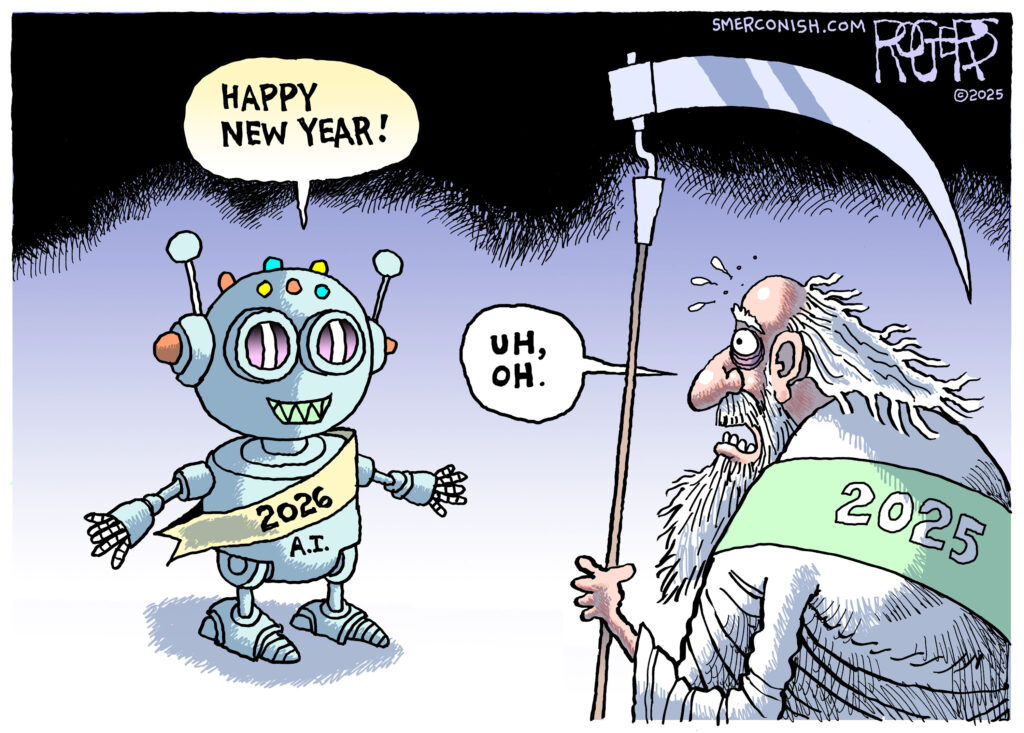
Political cartoons / memes / and news I want to share. 1-5-2026


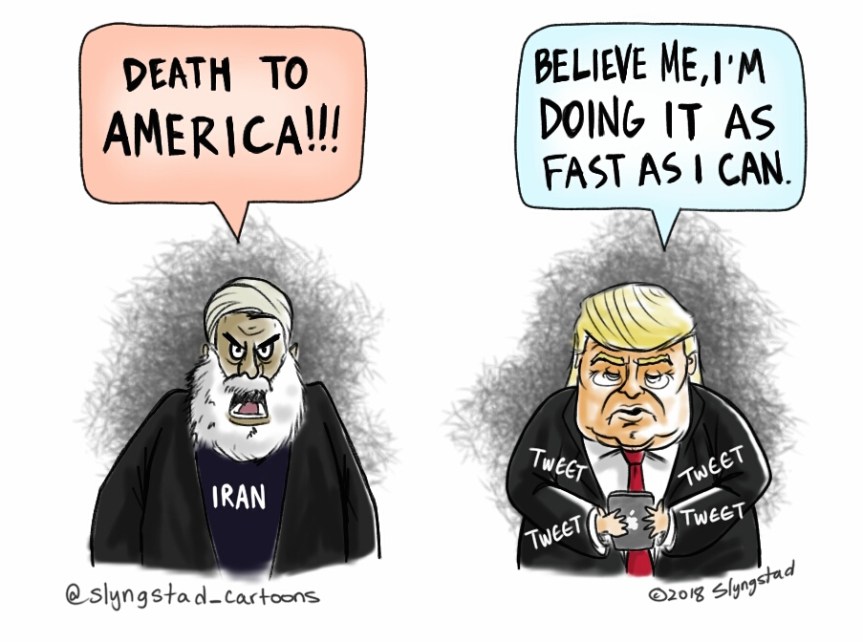



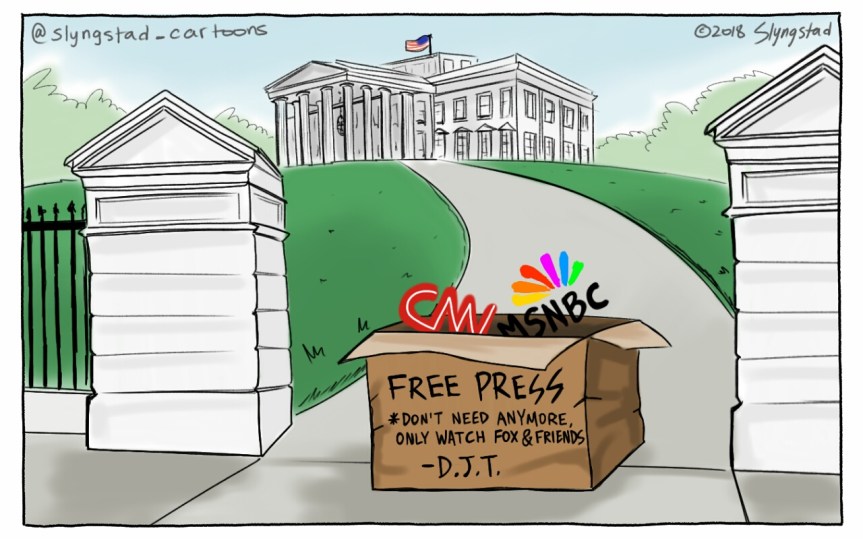


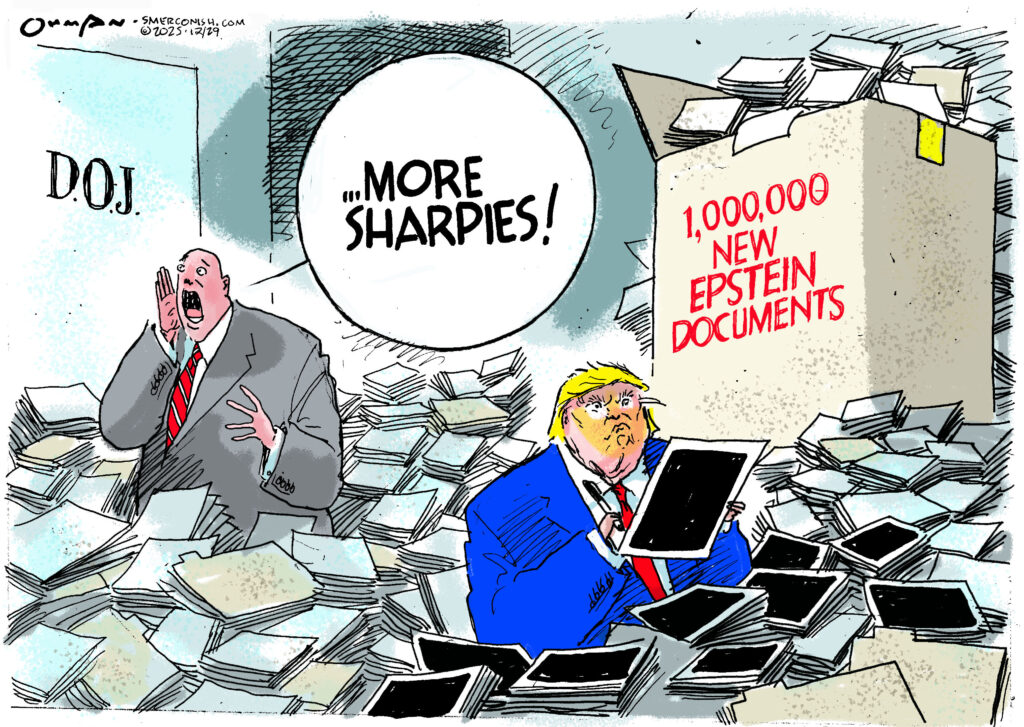


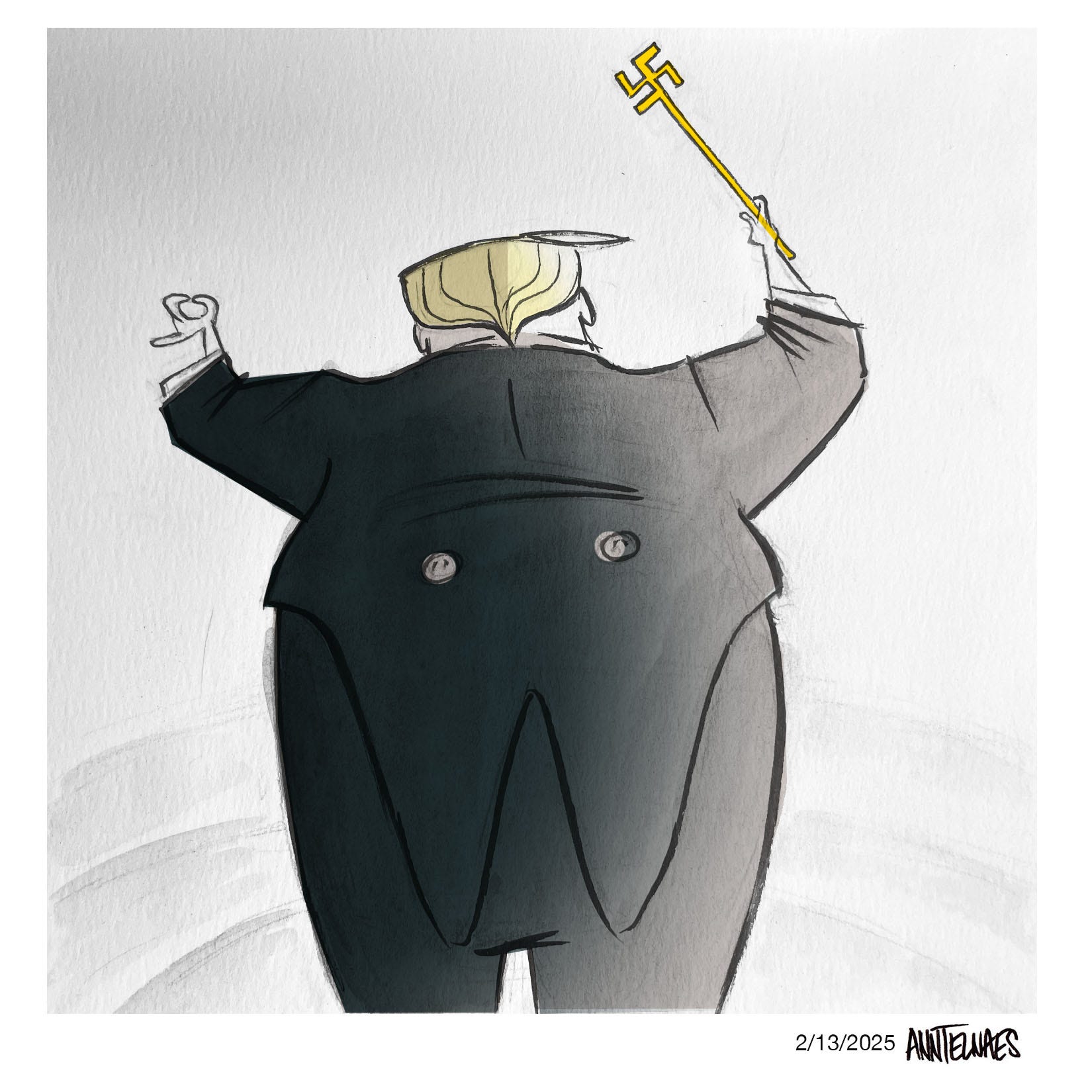


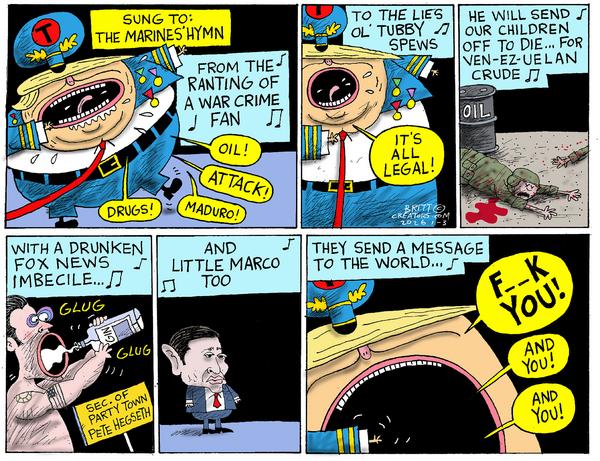


The Trump administration wants it both ways.
On Saturday, it tells us that Nicolás Maduro is such a uniquely dangerous despot — so criminal, so destabilizing, so irredeemable — that the United States had no choice but to remove him from power by force. Maduro, we are told, is a narco-dictator, a human rights abuser, a menace to his own people and to regional stability.
On Sunday, the same administration will continue putting Venezuelan asylum seekers on planes and deports them back to the country that, according to its own rhetoric, was so dangerous it required regime change.
This is not just hypocrisy. It is a logical impossibility masquerading as policy.
Julie Roginsky



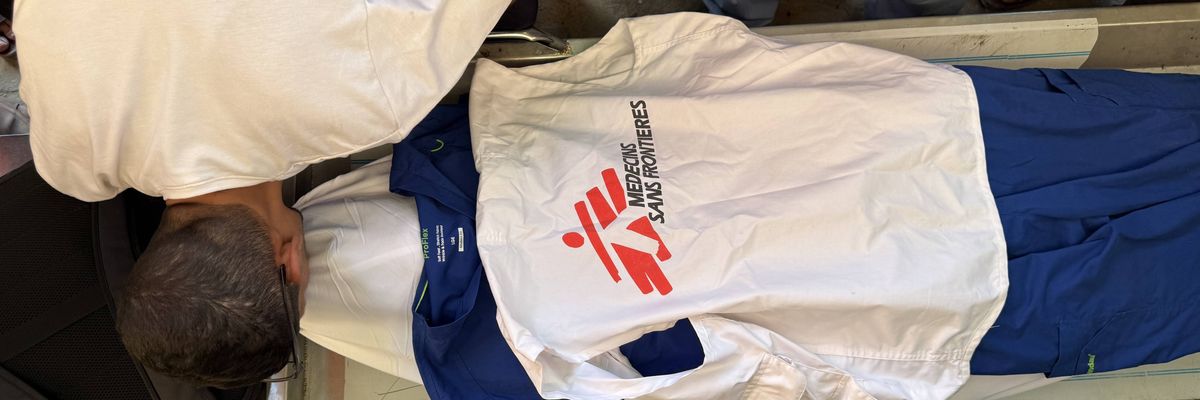
Many in Gaza to ‘Lose Access to Critical Medical Care’ as Israel Suspends Doctors Without Borders
Criminal Israel has violated every aspect of the “ceasefire” and made a mockery of the promises of security guarantees tRump gave Hamas / the Palestinians. It should make Ukraine really nervous of the same things he has promised them. All tRump can see or cares about is his personal profit of building on Palestinian lands making profits over the dead bodies of the Palestinians. He is OK with Israel hurrying up the slaughter to get to that profit point. I hate this. You should also. Hugs
https://www.commondreams.org/news/israel-doctors-withour-borders