










































































































































https://archive.ph/FhCUw#selection-2817.7-2817.87
(Graeme Sloan/Bloomberg/Getty Images)
The Senate’s health committee on Thursday pushed back a vote to advance two top health care nominations to the Senate floor but indicated that one, the pick to lead the US Centers for Disease Control and Prevention, would win the necessary votes after some assurances by the Trump administration — including a change to the CDC’s website on autism and vaccines.In a statement Thursday, Sen. Bill Cassidy, chairman of the Senate Health, Education, Labor and Pensions Committee, said the agency “needs someone who understands that the way to prevent vaccine-preventable diseases is to reassure the public that vaccines are safe and effective.”After speaking with CDC nominee Dr. Erica Schwartz again and reviewing the transcript of her hearing, Cassidy said, he’s confident “she knows what she is doing and will stand against those who don’t.”“As a sign of good faith, [the US Department of Health and Human Services] modified the CDC’s autism and vaccines webpage,” Cassidy said. “There is more to do to repair the damage that has been done to the U.S. public health response, but this is a start.”Cassidy had previously voted to confirm HHS Secretary Robert F. Kennedy Jr. after the nominee assured him, as Cassidy said, that “CDC will not remove statements on their website pointing out that vaccines do not cause autism.”The CDC did not remove that language but in November added a sentence: “Vaccines do not cause autism is not an evidence-based claim.”As of Thursday, the website reads, “Scientists have not identified the root causes of autism. HHS continues to support rigorous scientific research and will update this page as reliable new evidence becomes available.”On Thursday, Cassidy also suggested that he had lingering concerns about Sean Kaufman, the nominee to lead the Administration for Strategic Preparedness and Response.Sen. Bill Cassidy, chairman of the Senate Health, Education, Labor and Pensions Committee, said the CDC “needs someone who understands that the way to prevent vaccine-preventable diseases is to reassure the public that vaccines are safe and effective.”(Al Drago/Reuters/File)
Cassidy grilled both Schwartz and Kaufman at a committee hearing last week, questioning whether Schwartz would have autonomy in her role after CDC upheaval last year and raising Kaufman’s past remarks about vaccines.“Any time there is somebody contributing to confusion on immunizations that gives me concern,” Cassidy told reporters on Thursday, referencing Kaufman.Cassidy lost his reelection bid this year after President Donald Trump endorsed a rival contender and the Louisiana senator sparred with the administration over vaccine rhetoric.The committee had been expected to vote on Thursday, but the vote was delayed due to attendance issues. At least one Republican, Sen. Lisa Murkowski of Alaska, was not at the Capitol on Thursday. The committee is expected to reconvene for votes on the health care nominees and the nomination of Keith Sonderling to be secretary of the Department of Labor next week.Whether Kaufman has the votes to advance remains unclear.“There are ongoing conversations with the administration on the path forward for Mr. Kaufman’s nomination,” a HELP Committee spokesperson said.

































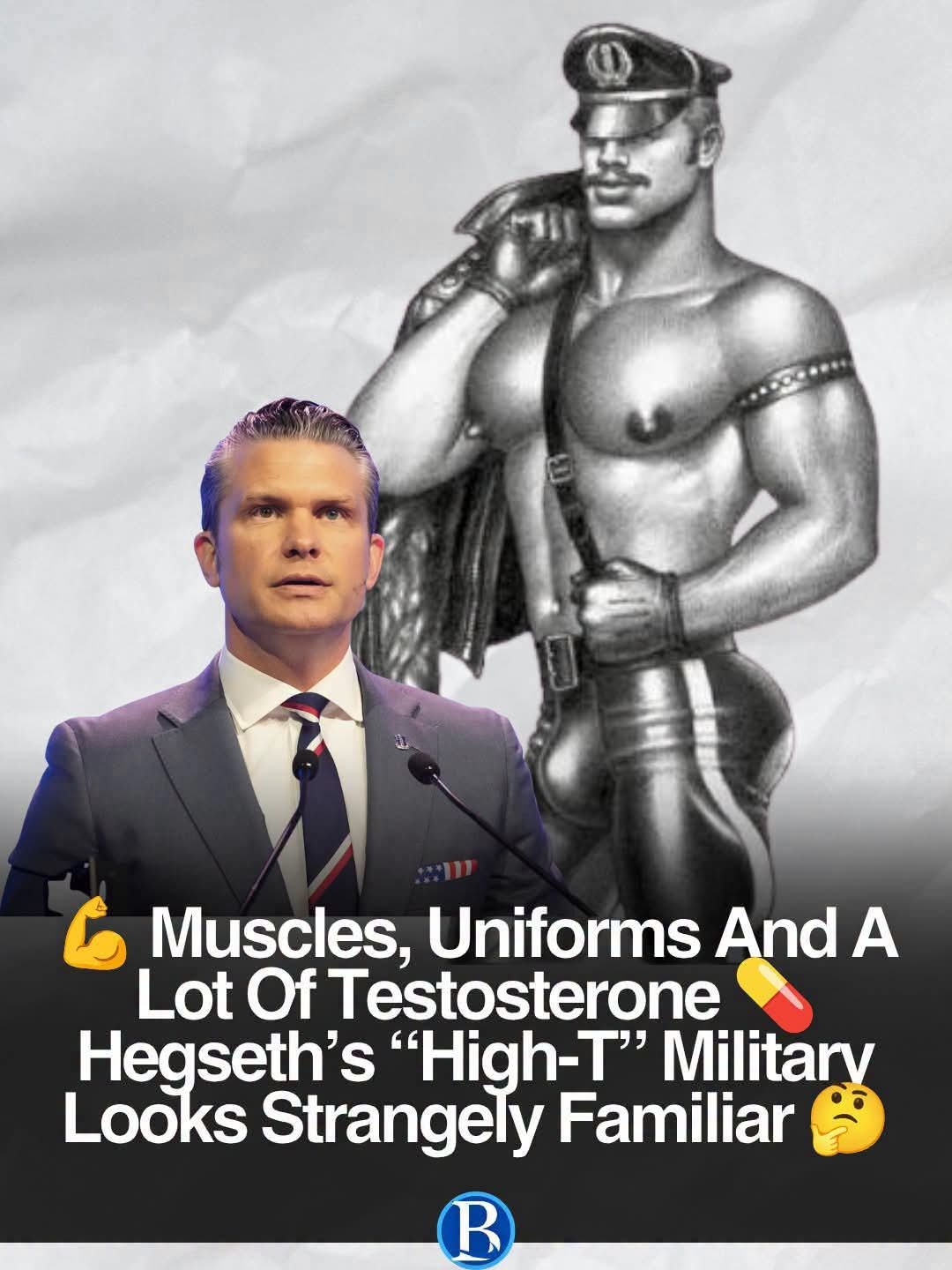
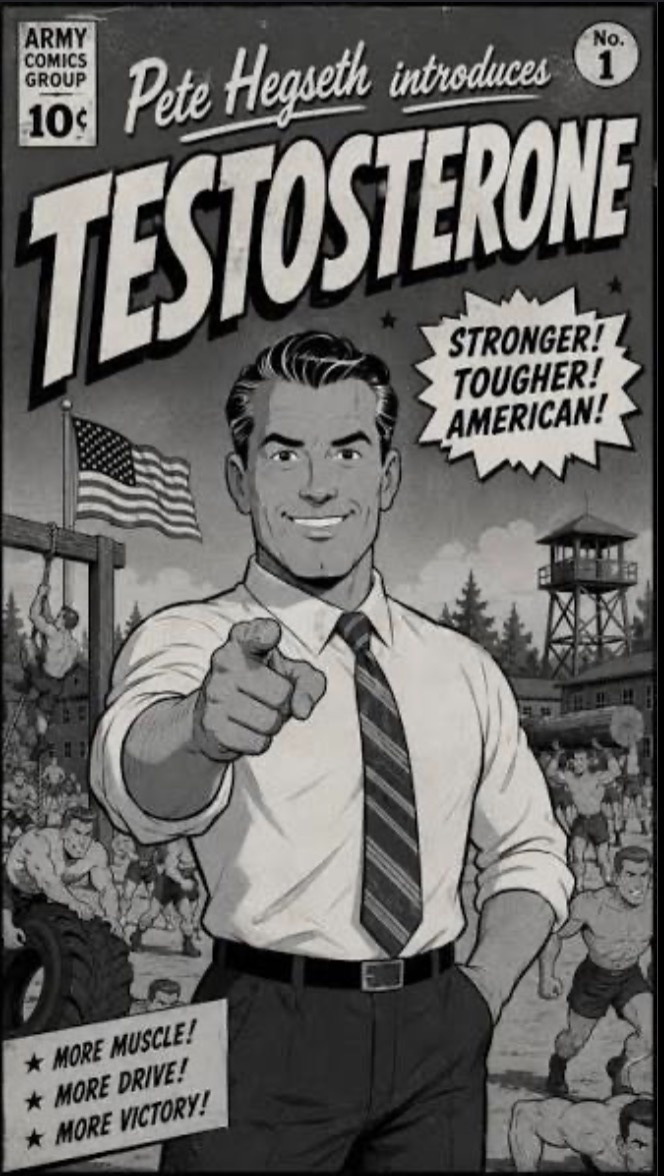
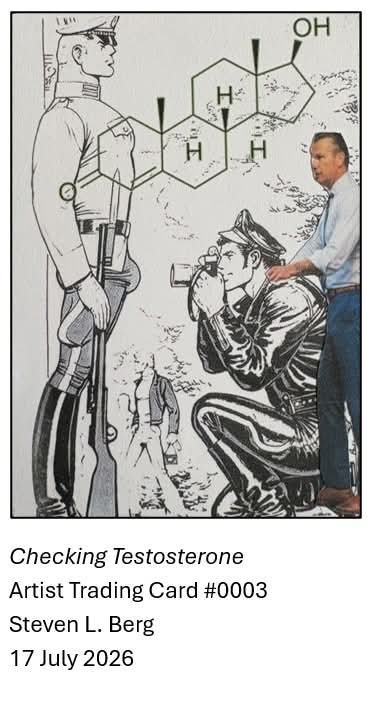










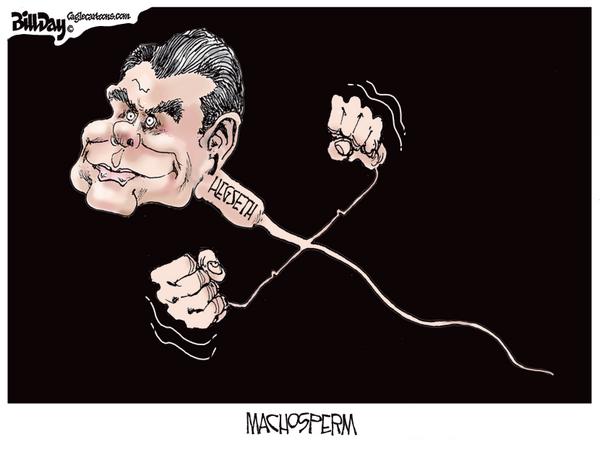
Updated 6:09 PM EDT, July 22, 2026Defense Secretary Pete Hegseth’s new initiative to test and treat troops for low testosterone has prompted a federal judge to question the differences between that kind of testosterone replacement therapy and hormone treatment for transgender men in the military.
U.S. District Judge Ana Reyes in Washington raised the question Wednesday in an ongoing lawsuit against President Donald Trump’s ban on transgender troops. Reyes noted that Trump’s ban says “the Armed Forces must adhere to high mental and physical health standards … without the benefit of routine medical treatment or special provisions.”
Reyes ordered both parties in the lawsuit to address “the similarities and differences in administering TRT, both medically and logistically, for trans men compared to other service members, including cis individuals.” She was using the acronym for testosterone replacement therapy.
The judge also requested information on the Pentagon’s “basis for treating trans men and other service members differently between this new policy and the Military Ban.”
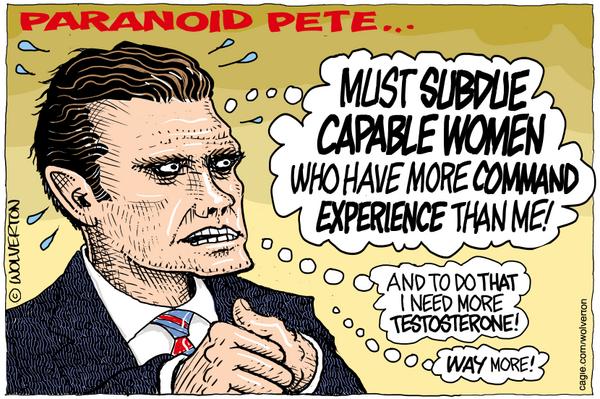
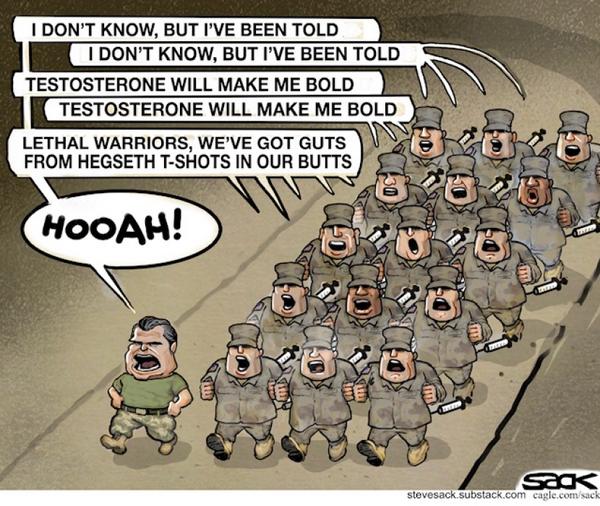
Reyes’ order comes a week after Hegseth announced that he is rolling out a new screening program for “testosterone deficiency” among troops, calling it necessary to allow them to operate at their “absolute best.”
The screenings will be conducted annually as part of service members’ required medical screenings for those 30 and older, he said. Troops under 30 can volunteer to be tested. In a video on social media, Hegseth said receiving testosterone replacement therapy would be voluntary.
Other Trump administration officials have begun to advocate for men to have easier access to testosterone replacement therapies, but the messaging from Hegseth and others blends known science on the hormone with broader, and less substantiated, claims.
Testosterone levels in men decline naturally with age and have long been linked to issues like erectile dysfunction, low libido, mood changes and weight gain. But experts have debated for years how to diagnose those problems and whether they should be treated by replacing the hormone.
Reyes, who was nominated by President Joe Biden, is overseeing one of the lawsuits against Trump’s ban on transgender troops. Transgender active duty service members and former service members seeking to reenlist sued in late January 2025, shortly after the president returned for his second term in office.
Reyes ruled last year against Trump’s executive order to exclude transgender troops. A divided panel of federal appeals court judges sent the case back to Reyes after partially upholding her order, finding that the ban was unlawful and service members who sued could not be kicked out.
Reyes has since given the case class-action status, which means the outcome could expand to all service members.
Trump’s transgender military ban remains in effect, however. The U.S. Supreme Court has allowed the Pentagon to enforce it as litigation plays out.
___
Associated Press writers Lindsay Whitehurst and Michael Kunzelman contributed to this report.
House rejects amendment banning transgender individuals from serving in military
by Sudiksha Kochi – 07/21/26 10:24 PM ET
The House on Tuesday rejected an amendment to the National Defense Authorization Act (NDAA) that would codify President Trump’s executive order preventing transgender individuals from serving in the military.
The lower chamber voted 212-217 to reject the amendment, sponsored by Rep. Lauren Boebert (R-Colo.). Four Republicans sided with Democrats to kill the measure.
The executive order, implemented by Trump in January, states that “consistent with the military mission and longstanding DoD policy, expressing a false ‘gender identity’ divergent from an individual’s sex cannot satisfy the rigorous standards necessary for military service.”
The order also states that the armed forces “shall neither allow males to use or share sleeping, changing, or bathing facilities designated for females, nor allow females to use or share sleeping, changing, or bathing facilities designated for males.”
The U.S. Court of Appeals for the District of Columbia voted 2-1 in June that Defense Secretary Pete Hegseth’s decision to expel people who are currently serving was motivated by animus against transgender people, violating their constitutional rights.
However, the court’s ruling did not cover people wishing to enlist in the military; the court ruled that it involved different considerations.
Republicans have spent years pushing policies targeting transgender Americans as a central part of their legislative agenda, arguing the measures are intended to protect women’s sports, parental rights and military readiness. Democrats have broadly opposed the efforts, arguing the measures discriminate against transgender people and infringe on their rights.
The NDAA is an annual, must-pass bill that establishes policies and authorizes appropriations for the Department of Defense’s military activities, military construction and the Department of Energy’s defense activities.
Zach Schonfeld contributed to this report.