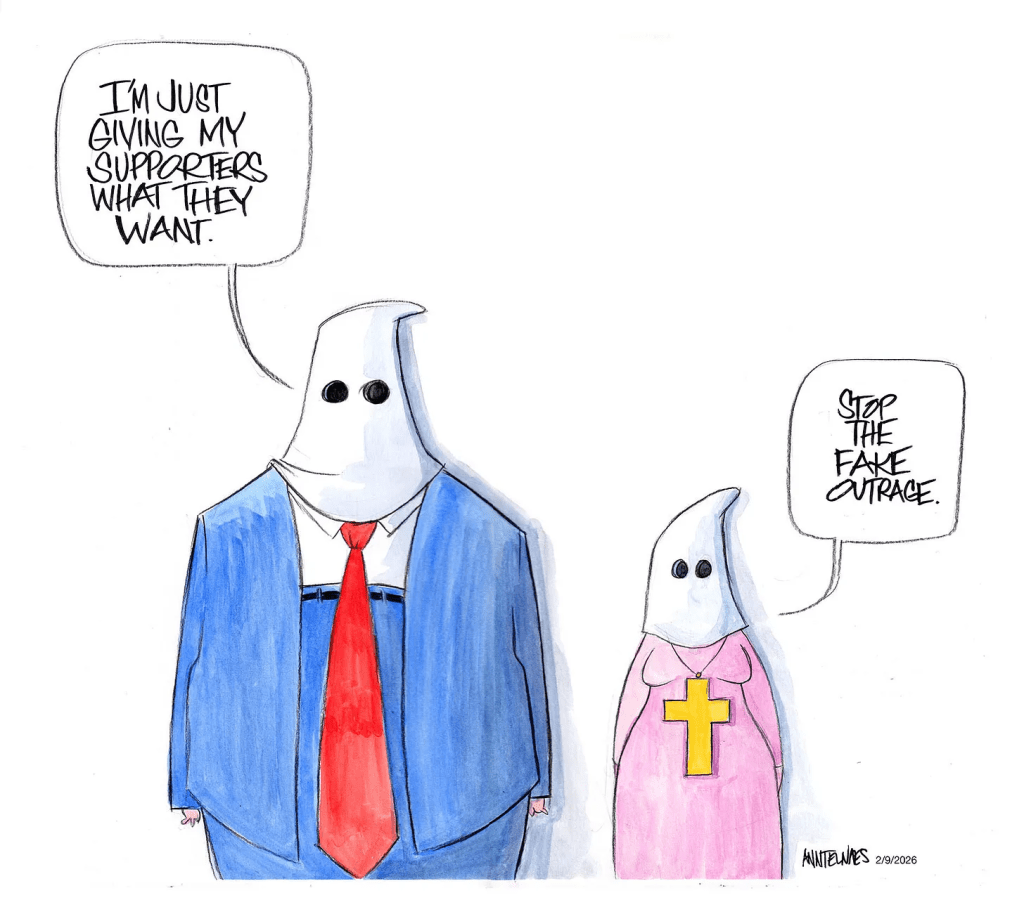
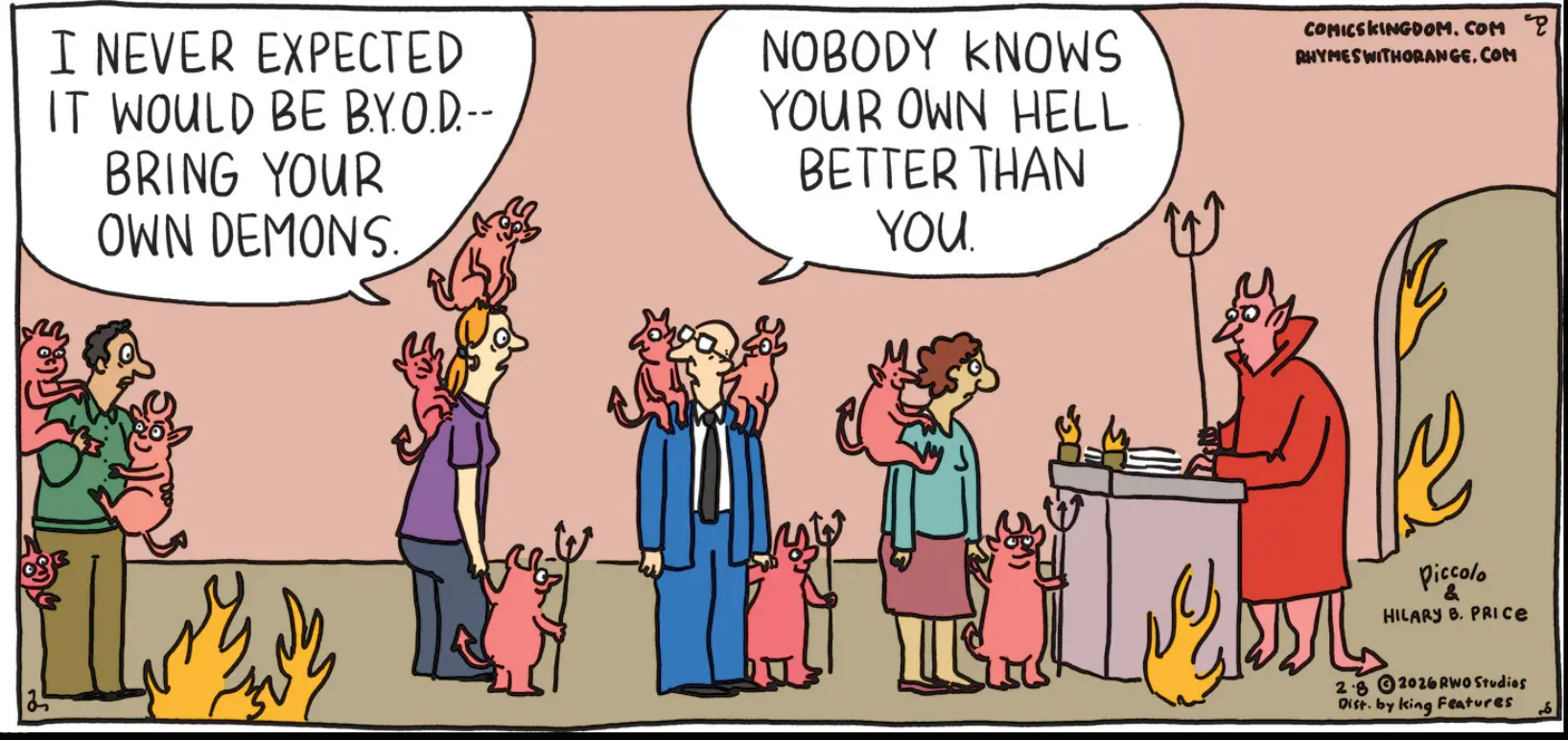
Seriously; if you read through these stories, both are part of the work of rightwing organizations operating in every state to get their missions accomplished. No state is safe from this sort of thing; people really need to keep their eyes on ALL of their legislators. Some of these groups even write ordinances and lobby county/municipal/local governing bodies.
Forty individuals, organizations object to Kansas Senate bill adding barriers to food and health aid
GOP legislators discount estimated $17 million annual cost of reform legislation
By: Tim Carpenter
TOPEKA — Melissa Sabin spoke officially on behalf of Little Lobbyists Kansas and personally in the name of her son, Logan, against a Kansas Senate bill aggressively expanding the state’s process of verifying eligibility for Medicaid, SNAP and other public assistance programs.
She was among dozens of organizations or individuals supplying opposition testimony Wednesday on Senate Bill 363. It would impose new state application and reporting requirements, some exceeding federal mandates, for programs serving children, elderly people, poor people, pregnant women and people with disabilities.
On Tuesday, the Senate Committee on Government Efficiency, or COGE, heard from the lone proponent of the bill — a conservative Florida organization that has sought for more than a decade to slash participation in Kansas public assistance programs.
“I oppose this bill because it creates an expensive, inefficient and legally questionable administrative structure that will predictably result in eligible Kansans — especially children — losing access to health care and food assistance,” Sabin said. “SB 363 does not improve program integrity or efficiency. It instead builds layers of red tape that state agencies are not equipped to manage or that federal law does not permit.”
Sabin, state outreach manager of Little Lobbyists, said the bill was inaccurately touted by its advocates as a means of improving accountability in terms of serving 325,000 Kansans taking part in Medicaid and 188,000 enrolled in the Supplemental Nutrition Assistance Program.
Sabin said requiring determinations of eligibility to be repeated monthly or quarterly would lead to additional paperwork errors, missed notices or administrative delays rather than documentation of alleged fraud or abuse.
She said a proposal for recipients of Medicaid to have eligibility reassessed every three months, rather than at 12-month intervals, could violate federal regulations. In terms of her son, she said the bill would compel the state to reconsider four times each year whether Logan, born with a genetic disorder characterized by intellectual disabilities, was eligible despite lack of change in his medical diagnosis.
“His condition does not fluctuate with paperwork cycles,” his mother said. “His need for skilled care does not disappear because the form is refiled or a verification is resubmitted.”
Sabin’s message of opposition was shared by representatives of Kansas Action for Children, Alliance for a Healthy Kansas, United Methodist Health Ministry Fund, LeadingAge Kansas, El Centro, United Way of Harvey and Marion Counties, Flint Hills Breadbasket, Kansas Appleseed Center for Law and Justice, InterHab, Reach Healthcare Foundation, Kansas Interfaith Action, Kansas Children’s Service League, United Community Services of Johnson County, the Disability Rights Center of Kansas and others.
The Senate bill
Under the Senate bill, the Kansas Department of Health and Environment and the Kansas Department for Children and Families would be required to establish data-matching systems to automatically share personal information on Kansans with other state agencies. KDHE would have to submit data to the federal government on a monthly basis to determine if Kansans were enrolled in Medicaid in other states.
The bill would direct the Kansas Department of Labor to affirm employment status of beneficiaries, while the Kansas Department of Revenue would reveal details on household income. The Kansas Department of Corrections would track prison inmates who might be ineligible for benefits. The Kansas Lottery would be on alert for anyone winning more than $3,000 because the income bump could compromise eligibility for aid.
As written, the Senate bill would block state agencies from unilaterally requesting approval of exemptions to federal regulations. Instead, the Legislature would have to first endorse the request. The legislation also would block Kansas agencies from accepting as true an applicant’s statements on household size, age or residency — a provision that would require extensive document searches by state employees.
Sen. Cindy Holscher, an Overland Park Democrat running for governor, said she appreciated a recommendation from an opponent of the bill to convene a special committee of the Legislature to develop a better understanding of how Kansans dealt with the process of obtaining SNAP or Medicaid assistance.
Holscher said the House and Senate should do more than accept testimony from the only organization supporting the bill: FGA Action, which operates as an arm of the conservative Florida think tank Foundation for Government Accountability.
FGA was a proponent of the 2015 Kansas law restricting enrollment in SNAP and Temporary Assistance for Needy Families. Research subsequently showed the state law undercut low-income families in Kansas, made it more difficult to prevent child abuse and contributed to a record surge in the number of Kansas children in foster care.
“We have 40 opponents to this bill who are subject matter experts based in Kansas,” Holscher said. “One proponent with an organization based out of Florida.”
The fiscal note attached to the Senate’s bill indicated state agencies would need to hire about 300 new employees to handle the revised eligibility processes. The Kansas Department of Administration estimated the cost of complying with the law would be $17 million to $18 million annually.
Sen. Doug Shane, R-Louisburg, and Sen. Mike Thompson, R-Shawnee, challenged the fiscal note.
“Quite frankly the fiscal note is, I guess we could say, hogwash,” Shane said. “There are just some pure fallacies.”
Opponents’ perspective
Heather Braum, senior policy adviser for Kansas Action for Children, said the additional layers of government red tape contemplated in the Senate bill would disproportionately harm children. She said the reform was introduced at a time when nearly 20% of Kansas children didn’t know where their next meal would come from and about 50,000 children lacked health insurance.
“Bottom line,” Braum said, “this bill will result in families losing Medicaid and SNAP. Families will be unable to afford their child’s medical care and kids will have less food to eat in their homes.”
Braum urged the Legislature to work toward streamlining the process of applying for aid. She said House and Senate members need a good understanding of how parents, children, pregnant women, people with disabilities and the elderly navigated the Medicaid and SNAP application processes.
Erica Andrade, president and CEO of El Centro, said the state’s plan to spend more on eligibility checks would result in loss of benefits by people qualified to receive aid.
“From El Centro’s perspective,” she said, “the most troubling aspect of SB 363 is that it prioritizes bureaucracy over people.”
The Rev. Jessica Williams, a Merriam Baptist minister with the Kairos Center for Religions, Rights and Social Justice, testified on behalf of Kansas Interfaith Action. She said Interfaith Action opposed federal SNAP and Medicaid reform signed in 2025 by President Donald Trump and likewise objected to SB 363.
She said the legislation weaponized the bureaucracy to dismantle the Medicaid and SNAP safety nets. She said paperwork traps embedded in the bill were “certainly counter to God’s law.”
“In my faith tradition we regularly pray the only prayer that Jesus taught, which says, ‘Give us this day our daily bread,’ ” Williams said. “This prayer is not an abstract nicety, but a concrete demand for survival and an indictment of unjust systems which withhold food from families.”
=====
Kansas local government leaders question ‘millions’ in costs, lack of detail in bathroom bill
By: Morgan Chilson
TOPEKA — Local government leaders want more details about how to enforce a “bathroom bill” passed by the Legislature that some city officials say could cost taxpayers “millions of dollars.”
Senate Bill 244, which is awaiting Gov. Laura Kelly’s signature, forces people to use facilities matching their biological sex at birth in government buildings.
Kelly has a 10-day deadline once receiving a bill to veto it. That deadline is Friday for SB 244, a spokesperson said. Kelly is expected to veto the bill, which passed both chambers with veto-proof majorities.
The bill says local governing bodies should take reasonable steps to ensure people use restrooms, locker rooms and other private spaces tied to their biological sex at birth, said Jay Hall, deputy director and general counsel for the Kansas Association of Counties.
The phrase that concerns Hall is “every reasonable step.”
“That’s really where our questions start,” he said. “What’s the expectation of local governments, and how are they supposed to handle the enforcement? That’s not something that we know at this point.”
Spencer Duncan, Topeka mayor and government affairs director for the League of Kansas Municipalities, said his organization is exploring what the bill means for its members. Initial determinations of changing signage and other steps could cost millions of dollars, some city leaders told him.
Duncan expressed frustration with the process that eliminated opportunity for public input when SB 244 was passed out of committee. The bill, originally House Bill 2426, addressed gender markers on driver’s licenses and birth certificates, which would stop the state’s practice of allowing transgender individuals to change their sex on those documents and would roll back markers that were previously changed.
Republicans on the House Judiciary Committee added the bathroom portion of the bill and then amended SB 244 by overwriting it with HB 2426, a process called “gut and go.” That allowed the Senate, which had already approved the unrelated version of SB 244, to concur with changes rather than hold hearings on the bill.
The only public hearing was in the House Judiciary Committee regarding gender markers — which received opposition from more than 200 people. During floor debate in the House, Democratic legislators spent more than five hours trying to add amendments that were repeatedly defeated. The bill passed along party lines, with one Republican, Emporia Rep. Mark Schreiber, voting against it.
The process meant no fiscal note was put on the bill for the bathroom portion, which concerned Democrats during the House debate and also worried Duncan and Hall.
(snip-a bit more)