































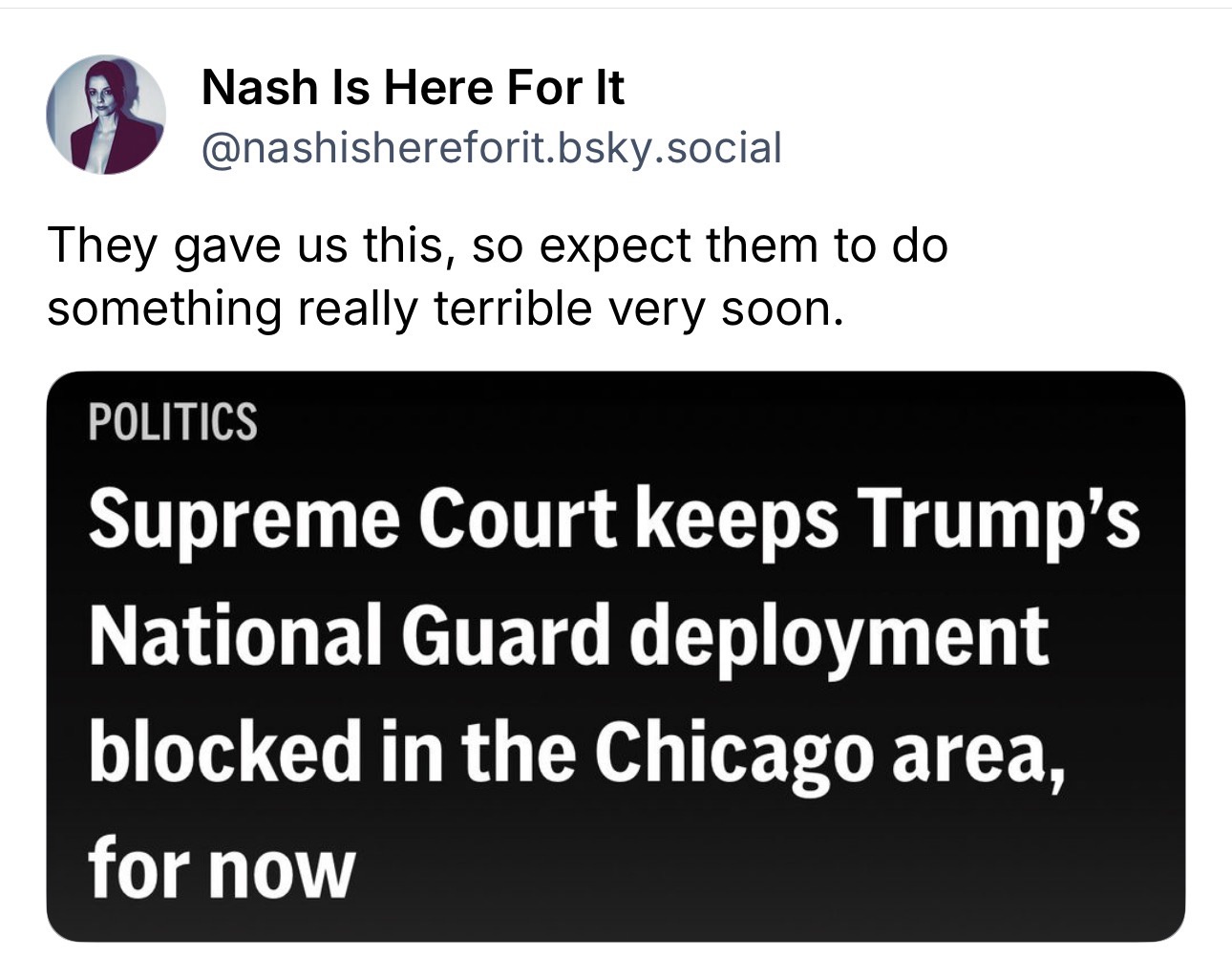

This Is Cool:

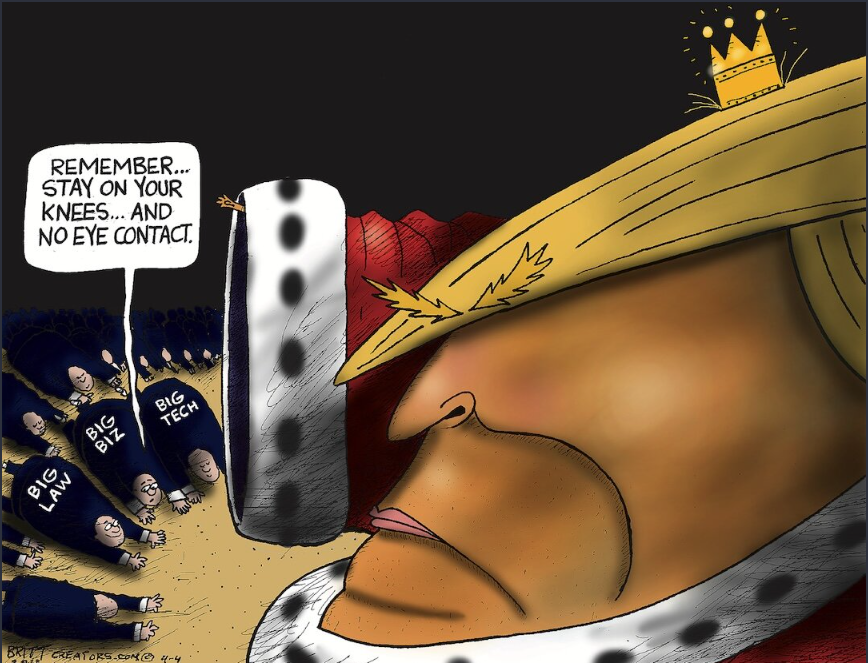
As Trump wields his power, Jack Smith and his top deputies step back into the spotlight

The man who brought two federal criminal cases against Donald Trump wants to testify publicly, as two of his top deputies set up a law firm to take on public corruption issues.

Molly Gaston and J.P. Cooney, both former top deputies to special counsel Jack Smith, launched their own firm this week.Gaston & Cooney PLLC

By Ryan J. Reilly

WASHINGTON — Two years ago, Molly Gaston stepped into the well of a courtroom in the nation’s capital and made history: informing a judge that a federal grand jury had returned a true bill and indicted a former United States president for attempting to overturn his election loss.

Now — nine months after President Donald Trump returned to the White House and his Justice Department fired her and other career prosecutors who worked with former special counsel Jack Smith — Gaston and another of Smith’s top deputies are stepping out on their own.

She and fellow Smith team alum J.P. Cooney rolled out a new law firm this week focused on helping state and local governments fill the void created by the Justice Department’s retreat from public corruption work. Gaston & Cooney PLLC will also represent the targets of criminal and congressional investigations as Trump flexes his ability to use federal law enforcement and his allies in Congress to target his political opponents.

Also this week, Smith’s lawyers informed Congress that he’s ready to re-enter the limelight, telling Trump allies Rep. Jim Jordan, R-Ohio, and Sen. Chuck Grassley, R-Iowa, that he’d be happy to testify before Congress. But he requested to do so publicly rather than behind closed doors to help combat the “many mischaracterizations” about his investigations into Trump, his attorneys said.

(snip-a video, tangentially related, on the page)

The public emergence of Smith and two of his top deputies comes as Trump has remade the Justice Department, tearing down the wall between the DOJ and the White House with open calls to go after his opponents; pardoning all participants in the Jan. 6, 2021, attack on the U.S. Capitol whom the department had spent years arresting and prosecuting; and firing scores of nonpolitical DOJ and FBI employees.

Smith gave a rare interview earlier this month, saying that attacks on public servants had an “incalculable” cost to the country. He also made an appearance in a video of DOJ alumni supporting fired employees.

Gaston and Cooney told NBC News that none of this — leaving the Justice Department and the relative anonymity of the life of a federal prosecutor to launch a law firm — was part of the plan. They had both expected to stay on at the Justice Department after Trump took office.

In retrospect, it may have been naive, but Gaston said they joked about getting demoted to work on misdemeanor cases in Superior Court in Washington, the low-level positions where many brand-new federal prosecutors start their careers.

They were fired in January. (Gaston and Cooney are challenging their firings, saying they are illegal and violate long-standing civil service protections.)

They chose not to join a big law firm, several of which have agreed to give free legal services to the Trump administration to avoid being targeted by executive orders, which judges later ruled violated the First Amendment.

Initially, they sought to work with universities to launch academic initiatives focusing on public corruption, with Gaston noting that’s what they spent most of their careers working on and were “really passionate about.” But it didn’t pan out.

“There were a lot of schools that were enthusiastic, but also anxious about working with us because of the environment right now,” Gaston said, adding they were unable to secure funding to launch the project.

Cooney said they want to “try and meet this moment,” which they think “is a particularly challenging one for our country in many respects.”

“Specifically in the area of the cost exacted by public corruption and turning a blind eye to it,” he said, there’s a real need for “independent, conflict-free representation and advocacy across many spectrums.”

The firings and departures of federal employees who worked on cases against Trump or the Jan. 6 prosecutions have been celebrated by many MAGA supporters. Current employees wonder if they’re next on the firing list, and those who departed face daunting challenges, including being targeted on social media, a heightened threat environment and a tough job market, with many employers hesitant to draw the Trump administration’s ire.

The campaign against Smith’s team hasn’t let up since Cooney and Gaston left. The Trump administration, just this month, fired FBI special agents and even administrative staffers who worked with Smith’s office. Gaston called the firing of “model public servants … outrageous” and sad.

“People who load documents into document review platforms were fired for no reason, except that they had worked for — done work for — the special counsel’s office,” Gaston said. “Those were the hardest moments for us in the last nine months.”

Gaston said she has “immense respect” for those still inside the DOJ who continue to follow the facts and the law.

“Career civil servants who are dedicated to doing their jobs without fear or favor — whether it’s judges or career prosecutors or FBI agents, or people who work at HHS and the like — are just now routinely the subject of such vehement personal attacks on social media and otherwise by politicians and public figures who know better,” Cooney said. “It really has no place in a civil society, and we are so inspired by the career civil servants who, under circumstances like that, go to work every day and do their job faithfully under the law and without fear or favor.”

Trump Free Speech Crack Down Goes Next Level

Acting on Donald Trump’s orders, the FBI has reportedly begun showing up at the homes of peaceful protesters — a chilling escalation against Americans exercising their rights.


Teaching tolerance isn’t indoctrination. It’s protection

https://www.advocate.com/voices/mahmoud-v-taylor

Mahmoud v Taylor LGBTQ rights protesters with signs outside US Supreme Court building washington DC April 2025

Anna Moneymaker/Getty Images

Protesters in support of LGBTQ+ rights and against book bans demonstrate outside of the U.S. Supreme Court Building while the justices heard arguments for the case of Mahmoud v. Taylor in Washington, DC., April 2025

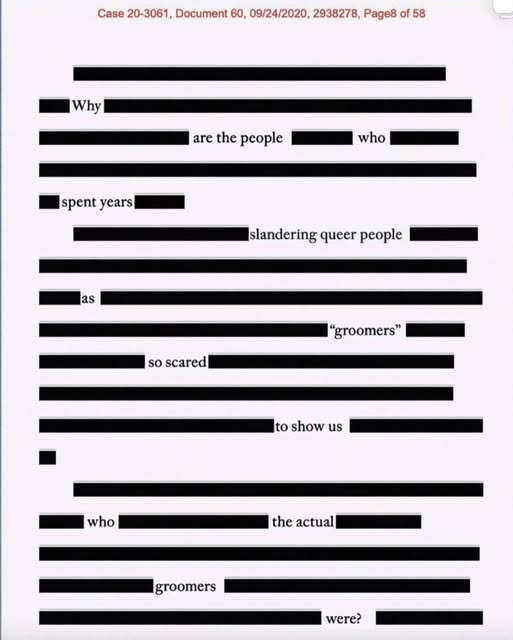
Opinion: In Mahmoud v. Taylor, the justices gave bigotry a permission slip and ruled that parents can “opt out” of LGBTQ-inclusive lessons, further diminishing lessons and practices on inclusivity in civic society, argues Darek M. Ciszek.

The U.S. Supreme Court made a decision earlier this summer that has a significant impact on classrooms nationwide. In their 6-3 decision in Mahmoud v. Taylor, the majority completely missed the point as to why LGBTQ-inclusive education matters. By giving parents the option to pull their kids out of lessons that include LGBTQ+ characters or content, the Court prioritized personal religious objections over creating schools where students can learn without feeling invisible.

Justice Alito‘s majority opinion is especially troubling. He treats LGBTQ-inclusive education as if it were some optional “add-on” that schools can easily work around. As a former teacher, I can confidently say that is not how education works, especially when it comes to curriculum and lesson planning. And while Justice Thomas calls LGBTQ-inclusive education “ideological conformity,” he fails to see that most LGBTQ+ adults today grew up in a school system that forced us to conform to a cisgender and straight worldview. Ironically, I’d consider the Court’s narrow view of public education to be ideologically driven.


Let’s be clear about what LGBTQ-inclusive education is and isn’t. When teachers include books like Uncle Bobby’s Wedding in their curriculum, they are not trying to convert anyone’s child or attack anyone’s faith. They are trying to show students that families come in all colors, shapes, and sizes, reflecting our diverse society.

LGBTQ+ people are also part of every community. We have always been a part of human history, and we deserve to be represented in our nation’s schools. The goal is not to change what students believe at home; it is to teach them how to be respectful in a democratic and diverse world. Luckily, in her dissent, Justice Sotomayor got it right when she said that LGBTQ-inclusive education is “designed to foster mutual civility and respect.”

I could not agree more.


But here’s what the Court’s majority really got wrong: they ignored the anti-bullying efforts that motivate many LGBTQ+ inclusive education programs in the first place. According to the latest National School Climate Survey from GLSEN, 68% of American students reported feeling unsafe in school due to their SOGIE (sexual orientation, gender identity, and/or gender expression) characteristics.

That is two out of three LGBTQ+ youth.

These aren’t just statistics. These are real children trying to learn while dealing with a school environment that tells them, whether implicitly or explicitly, that their identities or families are somehow wrong or shameful.

When schools include diverse families in their lessons, they are not pushing an agenda. They are teaching kids that being different does not mean bad. They are giving LGBTQ+ students a chance to see themselves reflected in their education and helping other students see and understand those who are different from them.


Research shows inclusive education works. Studies have found that an LGBTQ-inclusive curriculum can improve the social and emotional well-being of LGBTQ+ youth. When kids learn about different types of families early on, they are more likely to treat their classmates with kindness instead of cruelty. In other words, when implemented correctly, LGBTQ-inclusive education can be an essential anti-bullying and student well-being strategy.


For instance, as a result of my doctoral research, I have learned that some schools around the world are starting to address LGBTQ+ bullying head-on, and, not surprisingly, it’s through curriculum and instruction. In Scotland, LGBTQ-inclusive education became required in 2021 across both primary and secondary, and most major subject areas. When I interviewed government staff about their experience implementing the new policy, I learned that they even worked with religious groups to inform the effort. Faith communities could agree that inclusion was important for reducing homophobic bullying, even if they had some religious concerns. Scottish students now learn how homophobic language hurts people and develop the social-emotional skills needed for creating safer schools. It’s not ideological instruction; it’s teaching kids critical peer relationship skills.

Similar to the Scottish experience, the U.S. Supreme Court could have left the door open for education authorities to find a balance that respects both religious families and vulnerable LGBTQ+ kids. Real inclusion programs do not ask anyone to abandon their faith. They ask people to treat others with respect and dignity, a lesson I believe everyone should support in class. Kids can learn that some families have two moms without being told their family is wrong. They can remember that using “gay” as an insult hurts people without abandoning their religious beliefs. Getting to know your neighbor does not go against faith.


Unfortunately for the U.S., the impact of the Court’s decision may be severe and widespread, especially in ideologically conservative states. Instead of dealing with complicated opt-out policies, I fear many school districts will probably remove LGBTQ+ inclusive materials entirely. Unfortunately, it can be easier to bow to political pressures than to fight, especially when faced with potential lawsuits or a loss of school funding. This means LGBTQ+ kids lose representation, and all students miss out on critical lessons in diversity and inclusion.

The Court’s decision also has broader implications beyond the LGBTQ+ community. By way of a new precedent, the case approves a heckler’s veto, allowing parents to claim a religious objection to any educational content they may not align with at home. This is because the majority opinion wasn’t apparent on how opting out of inclusive education would work in practice, or what would even qualify as a personal religious objection. We might start seeing opt-out forms for instruction on topics like human evolution, women’s rights, or civil rights history. Thanks to the Court, there is no line in the sand.


When we remove students from lessons about diverse communities, we fail everyone. But the call for truly inclusive education is not going anywhere. Our kids—all of our kids—deserve better.

Darek M. Ciszek is a PhD Candidate in Education at UCLA with a research focus on curriculum, learning, and social development.

Voices is dedicated to featuring a wide range of inspiring personal stories and impactful opinions from the LGBTQ+ community and its allies. Visit Advocate.com/submit to learn more about submission guidelines. Views expressed in Voices stories are those of the guest writers, columnists, and editors, and do not directly represent the views of The Advocate or our parent company, equalpride.

644 Cranes: “This is our cry, this is our prayer; peace in the world.” This Date in Peace & Justice History

October 25, 1955

Sadako Sasaki
Sadako Sasaki, following the Japanese custom of folding paper cranes – symbols of good fortune and longevity – persisted daily in folding cranes, hoping to create senbazuru (1000 paper cranes strung together) when a person’s dream is believed to come true, died.
The Sadako story    

Sadako was two years old when the atom bomb was dropped on Hiroshima and at 12 was diagnosed with Leukemia, “the atom bomb” disease. 
Children’s Peace Monument in Hiroshima showing Sadako holding a golden crane  Photo: Mark Bledstein

https://www.peacebuttons.info/E-News/peacehistoryoctober.htm#october25

What the GOP is Lying About

If you listen to the GOP, they will tell you this shutdown is the fault of the Dems. In a sense, they are correct. The Dems aren’t allowing the budget to go forward without ACA Healthcare Subsidies. They tell us that they will be more than happy to discuss the topic once the budget is signed. This is analogous to “…the beatings will continue until morale improves…”, and asks the Dems to give up the only tool they have to stop the gop’s continuing efforts to destroy the ACA and have the suffering of millions of people who don’t get their healthcare insurance from their employers or their personal wealth. The goopy is lying to us all, again, still, and the damn fools who routinely vote against their own personal interests believe them. Again. Still.

Simply said: The goopy ones have believed the lies because it is more important to them to believe the lies than to put out the effort to look further into the issues. They value the shared identity and emotional tickle of “getting the libs” over their own needs, their own health, and even the care of the community’s children.

Hugs.

Randy

What do you think of GOP Chip Roy saying our king is Jesus?

The 33,000 Women Banner Parade, & More, In Peace & Justice History for 10/23

October 23, 1915
33,000 women marched in New York City demanding the right to vote. Known as the “banner parade” because of the multitude of flags and banners carried, it began at 2 o’clock in the afternoon and continued until long after dark, attracting a record-breaking crowd of spectators. Motor cars brought up the rear decorated with Chinese lanterns; once darkness fell, Fifth Avenue was a mass of moving colored lights.

The history of women’s suffrage in the U.S.
October 23, 1945
Jackie Robinson and pitcher John Wright were signed by Branch Rickey, president of the Brooklyn Dodgers Baseball Club, to play on a Dodger farm team, the Montreal Royals of the International League.Robinson became the first black baseball player to play on a major league team.

Jackie Robinson
October 23, 1947
The NAACP filed formal charges with the United Nations accusing the United States of racial discrimination. “An Appeal to the World,” edited by W.E.B. DuBois, was a factual study of the denial of the right to vote, and grievances against educational discrimination and lack of other social rights. This appeal spurred President Truman to create a civil rights commission.
October 23, 1956
The Hungarian revolution began with tens of thousands of people taking to the streets to demand an end to Soviet rule. More than 250,000 people, including students, workers, and soldiers, demonstrated in Budapest in support of the insurrection in Poland, demanding reforms in Hungary.

Hungarian students,1956

Hungarian revolution monument
The day before, the students had produced a list of sixteen demands, including the removal of Soviet troops, the organization of multi-party democratic elections, and the restoration of freedom of speech. On the evening of the 23rd a large crowd pulled down the statue of Josef Stalin in Felvonulási Square.
Hungary 1956 and the Political Revolution  
More 
October 23, 1984
The Fact-Finding Board looking into the assassination of Filipino democratic leader Benigno Aquino confirmed that his death was the result of a military conspiracy, and indicted Chief-of-Staff General Fabian Ver, the first cousin of dictator Ferdinand Marcos.
Marcos had blamed the chair of the Communist Party for the assassination, despite the fact that Aquino had been in the custody of the Aviation Security Command and surrounded by military personnel as he disembarked from the plane returning him to the Philippines. The chair of the Board, Corazon J. Agrava, was pressured into submitting a minority report clearing General Ver. He and the 25 other military officials charged were all acquitted.

https://www.peacebuttons.info/E-News/peacehistoryoctober.htm#october23

And In Joint Congressional Investigations,

Joint Congressional Investigation Launched in Response to ProPublica’s Revelations on Detained Americans

Senators, House members and even a mayor expressed outrage and demanded accountability after our investigation detailed how at least 170 citizens have been held by immigration agents this year.

by Nicole Foy

Democrats in the House and Senate announced plans for a wide-ranging investigation into immigration agents’ detention of citizens after a ProPublica story found that more than 170 Americans have been held by immigration officials this year.

Minority leaders of the House Oversight and Government Reform Committee and the Senate’s Permanent Subcommittee on Investigations said the joint investigation into the detention of U.S. citizens and other allegations of misconduct by immigration agents would include a hearing in Los Angeles.

“Over 170 U.S. Citizens are being arrested. Why? Because they look like me. Because they are of Latino origin. Or because they are suspected to not be a U.S. citizen, or because they are suspected of crimes they have not committed,” Rep. Robert Garcia of California, the ranking Democrat on the House committee, said during a Monday press conference in Los Angeles with Mayor Karen Bass.

Garcia said the investigators are demanding all records and documents showing how U.S. citizens are treated by immigration officials in Los Angeles and around the country. “We want to understand what they are doing in our neighborhoods, how it is being funded,” he said.

Our investigation found that at least 50 citizens have been detained based on questions about their citizenship as of Oct. 5. They were almost all Latino. Roughly 130 others have been detained after raids or protests on allegations of assaulting officers or interfering with arrests. Many of those cases have wilted under scrutiny.

We found Americans have been dragged, tackled, beaten, tased and shot by immigration agents. At least two dozen citizens have reported being held for at least a day without access to a phone or a lawyer.

Bass and Garcia said the mistreatment of citizens has come amid the arrests of immigrants reporting for check-ins and immigration court, and the administration’s repeated blocking of congressional attempts to visit and conduct oversight in federal detention facilities like the one in Los Angeles.

“It’s important that we say today that what is happening to undocumented residents is also happening to U.S. citizens, which means this can happen to anyone, to all of us, at any period of time,” Bass said.

Our article has also prompted members of Congress to write to the Department of Homeland Security.

In one letter sent on Monday to DHS Secretary Kristi Noem, Garcia and Sen. Richard Blumenthal, D-Conn., said citizens in cities like Los Angeles have borne the brunt of the administration’s aggressive immigration enforcement.

“The impact of these arrests has not been evenly distributed across the country, and cities like Chicago, Portland, Washington, D.C., and Los Angeles have been targeted,” Garcia and Blumenthal wrote. “Troublingly, the pattern of U.S. Citizen arrests coincides with an alarming increase in racial profiling — particularly of Latinos — which has been well documented in Los Angeles.”

DHS has not replied to previous letters.

Asked about the concerns from elected leaders, DHS spokesperson Tricia McLaughlin rejected claims that immigration agents have been engaging in racial profiling. She said in a statement to ProPublica that a temporary ruling by the Supreme Court in September had “vindicated” the administration “whether Mayor Bass or Rep. Garcia like it or not.”

“DHS enforces federal immigration law without fear, favor, or prejudice,” McLaughlin wrote. “Claims by the media, agitators, and sanctuary politicians like Mayor Bass and Rep. Garcia that ICE is targeting U.S. citizens, making unconstitutional arrests, and ‘trampling on civil liberties’ are FALSE.”

White House Deputy Press Secretary Abigail Jackson told ProPublica in an email that “unhinged rhetoric from activists and Democrat politicians” was responsible for an increase in assaults on ICE officers.

On social media, Deputy Chief of Staff Stephen Miller derided Bass’ press conference as “abject lies.”

“Violent leftists have been arrested and charged with illegally obstructing federal law enforcement, a felony,” Miller wrote Monday night on X. “Let that sink in: open borders Democrats have incited leftists to violently attack ICE.”

Of the cases we tracked through Oct. 5, we found nearly 50 instances where charges have never been filed or the cases were dismissed. Our count found at least eight citizens have pleaded guilty, mostly to misdemeanors, including for failing to follow orders. Others are still facing charges for more serious accusations, including for allegedly ramming an agent’s car. (The driver has pleaded not guilty.)

Our account did not count citizens arrested later, after some sort of judicial process, or those detained by local law enforcement or the National Guard. That included cases of some people charged with serious crimes, like throwing rocks or tossing a flare to start a fire.

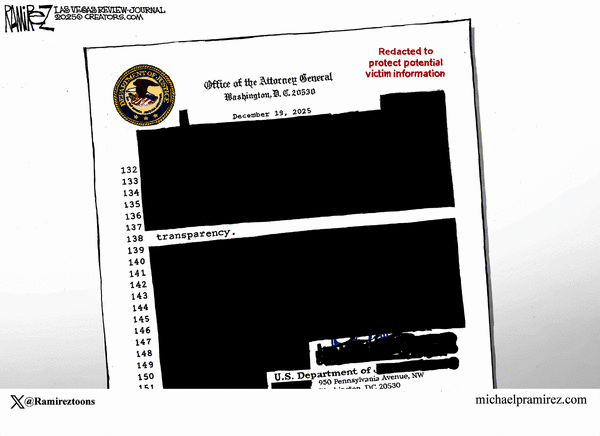
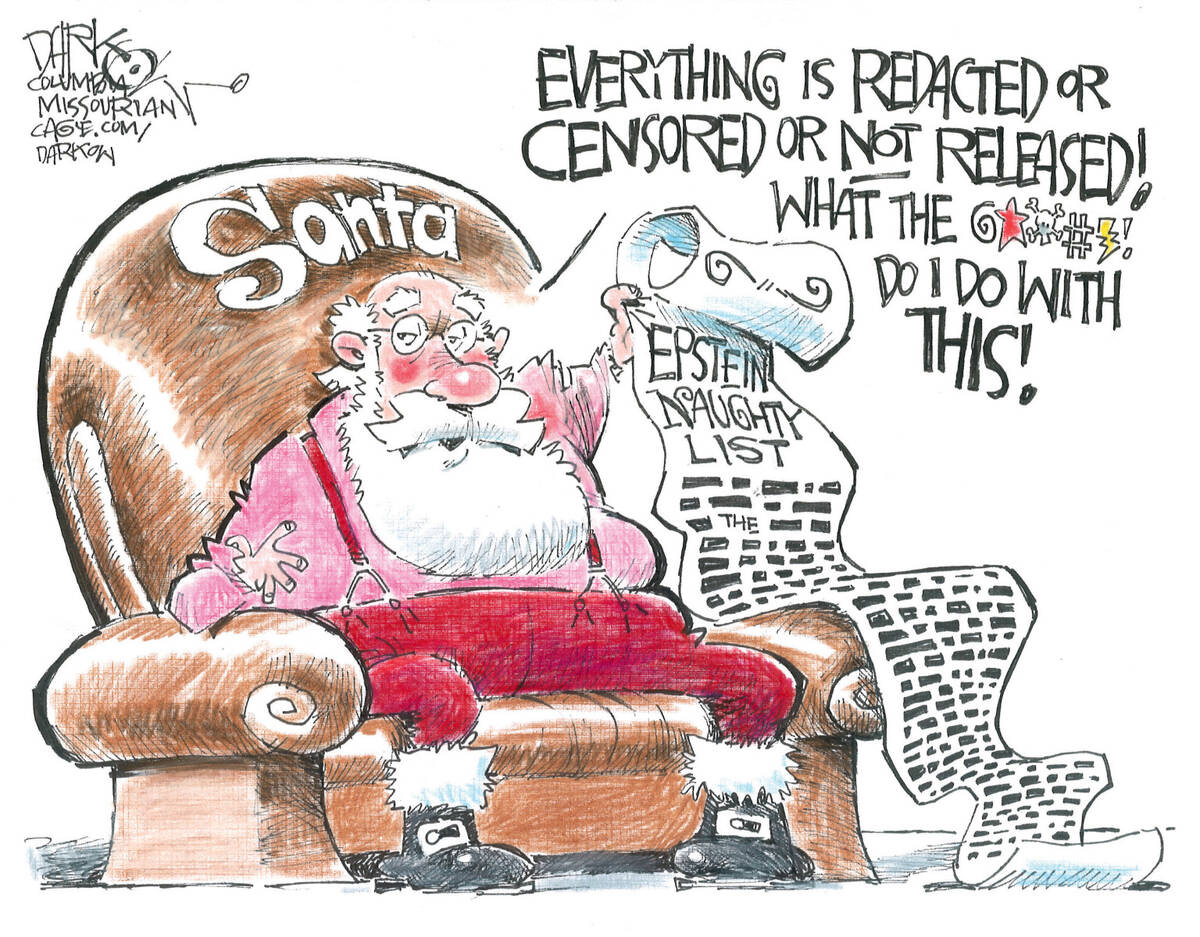
Some Important Info; May Not Be Everywhere Because the U.S. Gov’t Is Observing the Epstein Shutdown

Lead in protein powders. What you need to know by Katelyn Jetelina

The Dose Read on Substack

Happy Monday from Atlanta! I just tried to convince thousands at a public health conference that it’s time to reimagine systems—not just defend the status quo. I’m happy to report that tomatoes weren’t thrown my way. This is my fourth state in five days, and the highlight is actually seeing the seasons change and meeting a lot of you in person. I couldn’t be more excited to see my girls (and survive another round of the KPop Demon Hunters soundtrack).

Top: Plenary stage with Mike Osterholm; From the bottom left: Met YLE reader Krisandra Allen at the conference. Fall leaves in Idaho. My daughter welcoming me home at the airport.

This week’s Dose runs the gamut: from what’s really going on with lead in protein powders (and whether you should be worried), to a refreshing burst of leadership as 15 governors join forces to strengthen public health collaboration, to falsehoods swirling around mammograms. We’ll wrap with an infectious disease weather report and a quick note for dog owners on an FDA recall.

Let’s go!


Consumer Reports found lead in protein powders. How bad is it?

Last week, Consumer Reports released an analysis revealing elevated lead levels in several popular protein powders and shakes. Google searches for “lead in protein powder” spiked 300%, and influencers lit up social media. Depending on which news source you read, it was either a five-alarm fire or no big deal.

So what’s actually going on? Lead is everywhere—soil, food, water, and air. Thankfully, overall exposure has dropped dramatically since the 1970s, and modern lab tests can now detect vanishingly small amounts (down to parts per billion). But detection does not necessarily equal danger.

How bad is bad? That’s where things get tricky because not everyone agrees:

  • California limit: 0.5 mcg/day. This number comes from a very conservative calculation: regulators took the “no observable effect” level for reproductive harm for inhaled lead exposure in workplaces and divided it by 1,000. Many experts argue that this threshold is unrealistic. It’s also not linked to adverse health outcomes.
  • FDA’s limit: 2.2 mcg/day for kids, 8.8 mcg/day during pregnancy, and 12.5 mcg/day for other adults based on blood lead levels, toxicology data, and a built-in 10x safety factor.
  • European Union limit: Allows up to 3 mg/kg (3 ppm) in food supplements—roughly 90 mcg per 30-gram scoop of protein powder. In this case, the FDA is far more cautious than Europe (and that’s not usually how things go).

Back to the report: of the 23 protein supplements they tested, two-thirds exceeded “Level of Concern.” One brand (Naked Nutrition Vegan Mass Gainer) hit nearly 16 times the limit. But because Consumer Reports used California’s exceptionally strict benchmark, those numbers sound scarier than they really are.

The average American already gets 5.3 mcg of lead daily from food and the environment. That’s another reason California’s cutoff doesn’t make much sense. Still, some products identified in the report could push intake close to the pregnancy (8.8 mcg) or adult (12.5 mcg) daily thresholds.

What this means for you: Don’t worry too much. While the FDA continues to reduce lead exposure through programs like Closer to Zero and the Total Diet Study (that is, if the funding continues), there are several things we can do in our own homes, especially for parents of kids and during pregnancy.

  • Check to see if your protein supplement (or any supplement, really) has third-party testing for heavy metals (like USP or Informed Sport).
  • Advocate for more pre-market regulatory oversight in the supplement industry (which has very little, if any at all) by writing to your local representative.
  • Eat a diet that includes a variety of nutrient-dense foods, which helps limit exposure to specific food sources and ensures we get an array of protective nutrients.
  • Prioritize getting your protein from whole food sources.

Big thanks to YLE’s Megan Maisano—Registered Dietitian Nutritionist— for writing this section.


Fourteen states and Guam join forces to launch Governors’ Public Health Alliance

Governors from 14 states and Guam announced the creation of the bipartisan Governors’ Public Health Alliance, which is a new effort to strengthen coordination and collaboration across state lines.

Why do we need this? In the U.S., authority over health rests with the states, not the federal government. Health (encompassing both health care and public health) is not only the highest budget item for a state but also the primary reason for state bankruptcy. In other words, governors hold enormous power over your health.

Today, though, federal support is shifting fast, funding is drying up, and states are being forced to get creative. States must decide whether to maintain their public health departments (due to funding cuts), how to continue purchasing vaccines (if the federal government stops recommending them), whether to negotiate drug prices (like insulin), and more. We saw a similar challenge during the pandemic with bulk purchasing of PPE.

In general, the more coordinating, collaborating, and innovative thinking, the better.

However, I’m growing increasingly concerned about the partisan gaps in public health. Although some Republicans are on the advisory board and the initiative was framed as bipartisan, no Republican-led states have joined. This worries me for my friends in red states, like Texas, but it also has implications for everyone, as diseases don’t care about borders.

What this means for you: If your state is included, you can rest assured your governor is talking to others, which is a helpful step toward innovative solutions. You could argue it was needed before this moment, too. Public health has been siloed for far too long.


Mammograms save lives. They’ve been wrongly targeted.

Happy Breast Cancer Awareness month! Unfortunately, this month has driven some influencers to post false claims about the harms of mammograms. So let’s clear this up.

Breast cancer is the second leading cause of cancer death in women in the U.S., and accounts for 1 in 3 new cancers among women each year. (It affects men too, just at lower rates.) There is strong scientific consensus in support of routine mammograms to prevent breast cancer and detect it early:

  • Randomized trials show that mammograms reduce the risk of death from breast cancer by 12-20%, depending on age. For every 1,000 mammograms, one death is prevented.
  • Regular mammograms starting at age 40 are recommended for everyone, but may have even greater benefit for Black women, who are 40% more likely to die from breast cancer than white women and more likely to have aggressive cancers, younger.

There’s some critical nuance here:

  • With each mammogram, breast tissue is exposed to a small amount of ionizing radiation. But! We’re exposed to this type of radiation every day in our natural environment. At high doses, radiation exposure can change DNA and cause harm, but the amount of radiation exposure during a mammogram is about the same as flying from California to New York.
  • Organizations disagree on whether mammograms every year or every other year are optimal. Screening recommendations are based on evaluating science to maximize benefit (lives saved) while reducing patient worry, unnecessary costs, and diagnosing and treating cancers and pre-cancers that ultimately wouldn’t cause health problems—also called “overdiagnosis.” This is a balancing act.
  • Mammograms are just one tool for detecting cancer, and women with dense breasts or high risk for cancer (e.g., family history, known genetic predispositions, or other key risk factors) may benefit from additional screening, such as through an MRI.

What this means for you: The benefits of mammograms far outweigh the risks. The U.S. Preventive Task Force, the American College of Radiology, the American Society of Breast Surgeons, and the American College of Obstetricians and Gynecologists recommend routine mammograms starting at age 40 for women at average risk of breast cancer. If you have risk factors for breast cancer, dense breasts, or you’re 75 or older, talk to your doctor about your screening goals and plan. Don’t know your risk? Here’s one risk assessment tool.

For more, see YLE’s deep dive on breast cancer screening recommendations.


Infectious disease “weather report”

In the U.S., flu and RSV are still quiet. CDC data is still on pause because of the government shutdown, so we’re continuing to reference PopHive data. RSV activity is still low but growing in southern states, like Louisiana and Texas.

RSV Activity in the U.S. Figure from PopHIVE

However, Covid-19 is having a moment in the U.K., with hospitalizations increasing exponentially after a 10-month lull. This isn’t driven by a dramatic variant, but rather by a lack of immunity building up over time. Flu might also be increasing, which suggests it’s coming soon (as expected) for the U.S.

Figure from Dr. Christina Pagel’s Substack.

Dog owners, check your pup’s food

The FDA ​​recalled Raw Bistro frozen beef dog food for possible Salmonella contamination. The recalled products were sold directly to consumers and to select distributors between Sept. 1 and Sept. 17 in California, Colorado, Illinois, and Minnesota.

Salmonella can make dogs sick, just like humans. Contaminated food can cause illness days later in dogs. And dog owners can get sick from handling contaminated food or dog bowls.

What this means for you: Check the lot numbers on your dog’s food, and toss it if they are included in the FDA recall notice. Sanitize bowls if they held contaminated food, wash your hands, and watch for warning signs in your dog: lethargy, vomiting, diarrhea, and loss of appetite. If you notice these signs, take your pet to the vet.


That’s it for this week! Share your fall leave pics in the comments below so that I can continue to live vicariously through you.

Love, YLE


Your Local Epidemiologist (YLE) is founded and operated by Dr. Katelyn Jetelina, MPH PhD—an epidemiologist, wife, and mom of two little girls. YLE is a public health newsletter that reaches over 400,000 people in more than 132 countries, with one goal: to translate the ever-evolving public health science so that people are well-equipped to make evidence-based decisions. This newsletter is free to everyone, thanks to the generous support of fellow YLE community members. To support the effort, subscribe or upgrade below:
Not A Good Thing.