It’s horrifying that these Jewish settlers who want to eradicate entirely the Muslim population. One woman described Islam as a cancer and wants the Islamists killed or reeducated. Muslims who own businesses can’t even open their shops. But there is a small minority trying to protect the arabs. Hugs
Yet the tRump administration trashed the government’s stance of fighting right wing violence or right wing extremist violent groups. It started with the republicans forcing Obama to remove a government study on right wing extremists. Now the current DOJ and FBI have removed all mention of right wing violence or violent actions instead claiming the violence is all being done and caused by Antifa. The government wants to make the public believe that the people who are against fascism are the real extremist threat to the public. Antifa is antifascism / antifascist. It has no headquarts or central organization it is just people who since the 1930s have pushed back against fascism and fascists. The tRump white supremacists want the public to believe violent groups like the Proud Boys, the Oath Keepers, Nazi groups, the 3 percenters, and other militia groups that joined in the insurrection riot on Jan 6th and are extreme white supremacists. The current people in charge love the way they can steal the money from the treasury and take away people’s rights, so they want to keep the hate groups that support them to be the good guys and anyone who tries to stop the destruction of democracy they hope to make the bad people. Hugs
Disclaimer: WWFU typically redacts the imagery seen in this zine with an iron front or an X, and encourages others to do the same. This zine also contains slurs that we typically redact. For the sake of eduction and proper recognition, the following content is un-redacted.
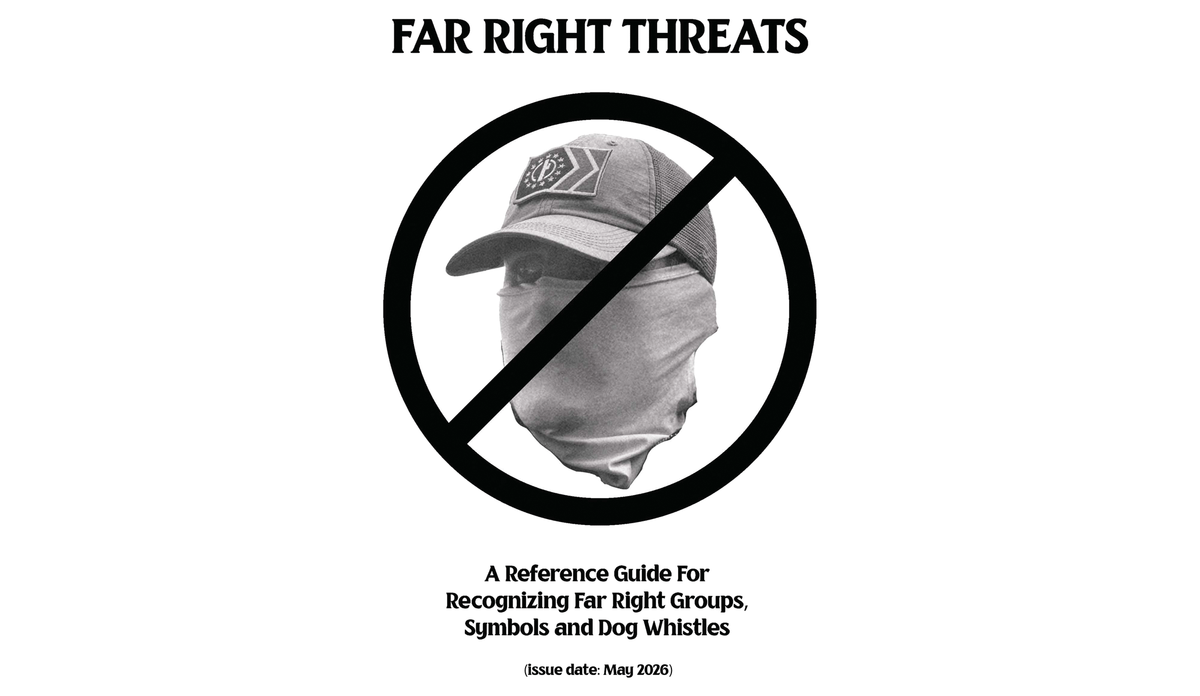
A Reference Guide For Recognizing Far Right Groups, Symbols and Dog Whistles
Introduction
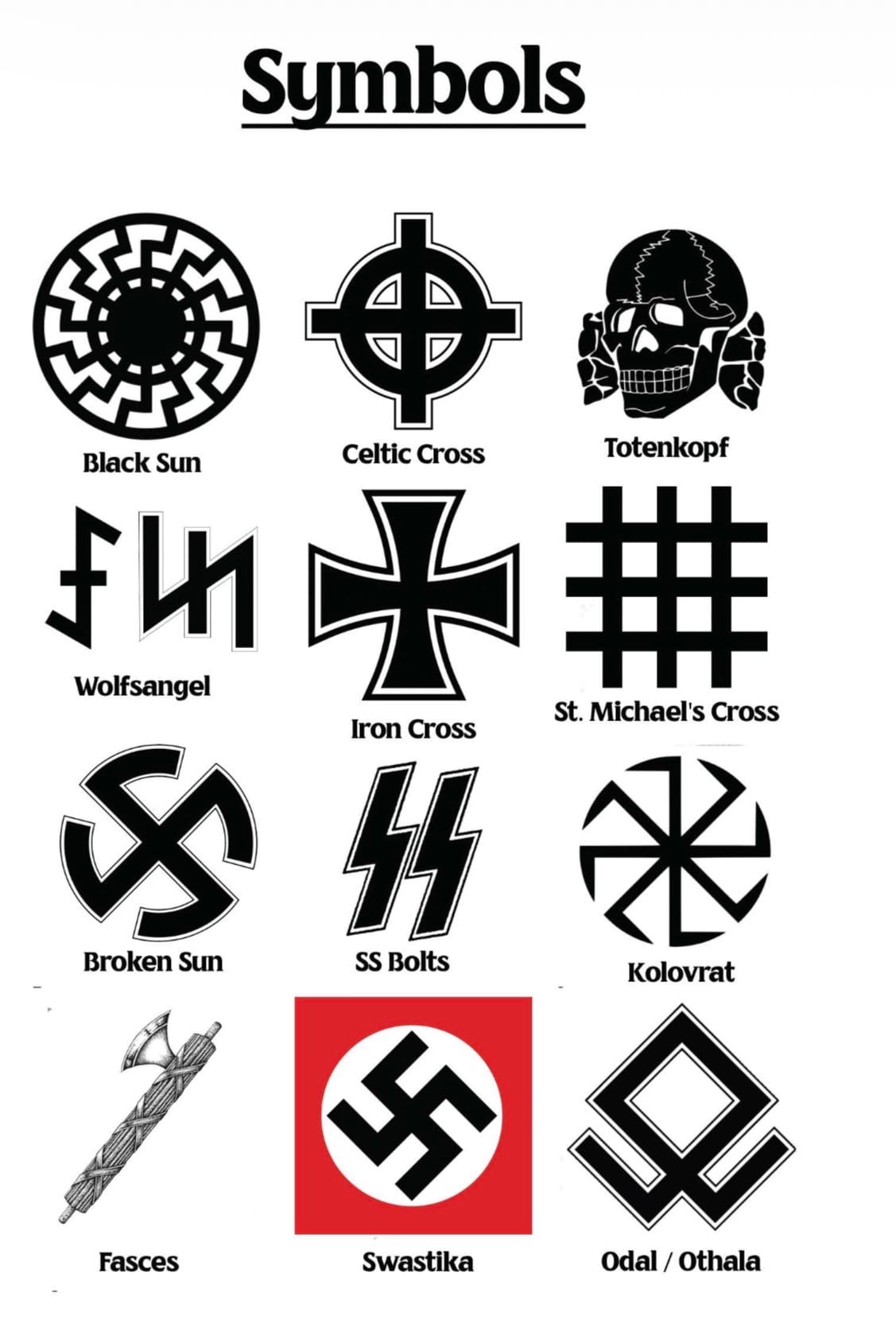
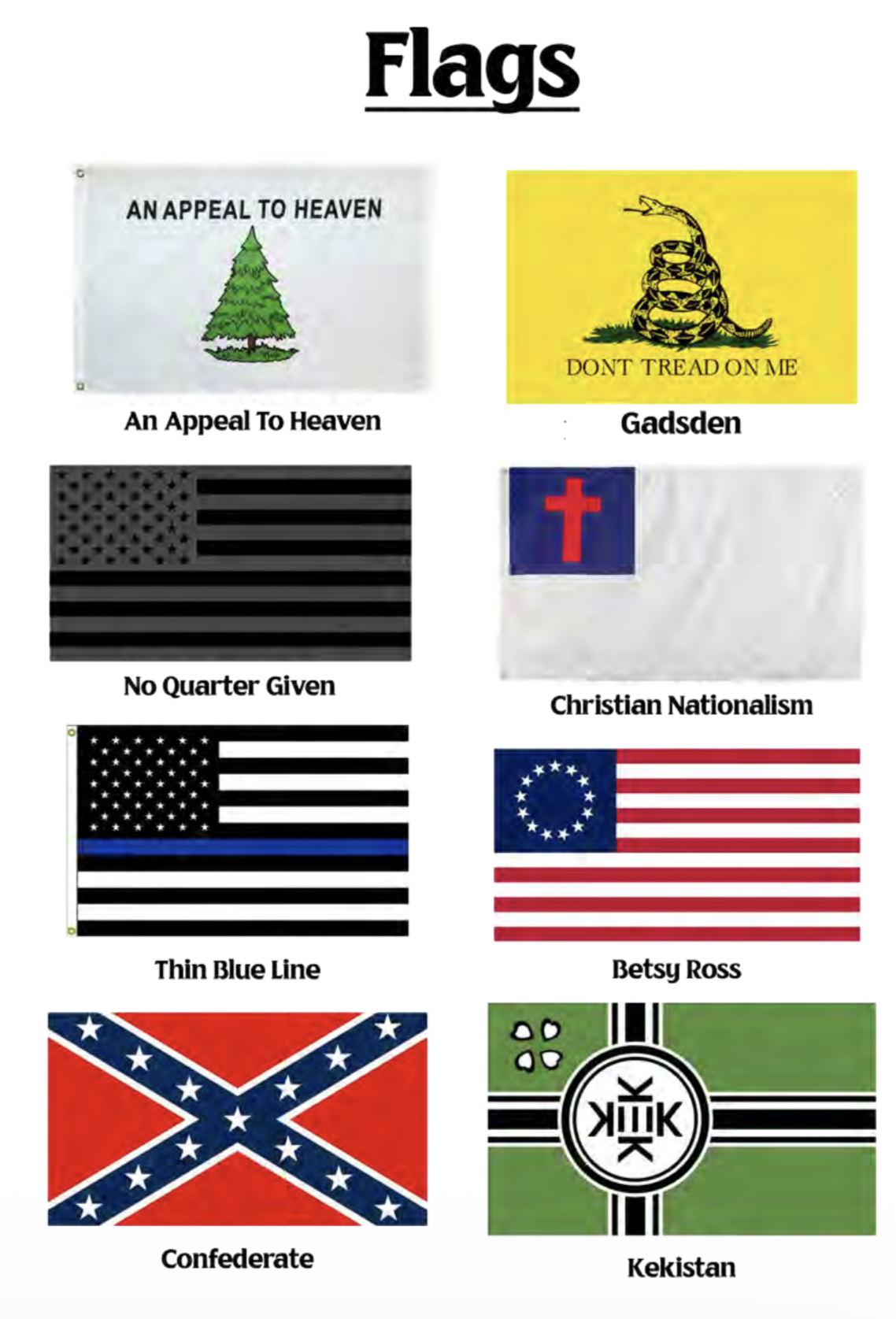
As of spring 2026, this zine serves as a reference guide to far-right symbols, dogwhistles, and groups, helping you recognize and understand them. The list focuses on the most active groups and the most commonly used phrases and symbols at this time.
Not all neo-Nazi and white supremacist groups openly brand themselves with swastikas or SS bolts. Recognizing their dogwhistles is essential to accurately identifying them as the community threats they are. Some groups and individuals deliberately project a public facing image of “patriotism” or opposition to “foreign wars” to appear more mainstream, while privately holding the same beliefs as more openly neo-Nazi organizations. Because some symbols are not exclusive to neo-Nazis, fascists, or white supremacists, it’s important to look for additional context clues and patterns of use.
Dogwhistles are coded messages communicated through words or phrases understood by a specific in-group, but not by outside observers. Neo-Nazis and white supremacists use dogwhistles to signal to one another while maintaining plausible deniability.
Phrases / Numbers
131: Anti Communist Action (ACA), the numbers referring to the letters of the alphabet.
Blue Lives Matter/All Lives Matter: These phrases are nothing more than a response to people saying “Black Live Matter” and as way to silence Black voices. Cops can always choose to take off their uniform, while Black people cannot take off their skin or escape the discrimination that comes with it. No one would go to an event to save the rainforests and say that all forests matter. If all lives matter, as racists love to say, then Black lives have to matter. All lives can’t matter until Black lives matter because they are the ones being targeted by police, racist attacks, and everyday discrimination.
TDOTR: The Day of the Rope, a fictional day from the book The Turner Diaries in which race traitors (women who marry non-white men, the press, politicians, LGBTQ people and more) are hanged from lampposts.
6MWE: “Six Million Wasn’t Enough” referring to the number of Jewish people murdered during the holocaust.
The Great Replacement Theory: White supremacist conspiracy theory that argues democratic and government officials are intentionally facilitating non-white immigration to replace the white population for political purposes. Similar phrases include “white genocide.”
It’s okay to be white: While no one is saying it’s not okay to be white, this phrase creates perceived victimhood and is a stepping stone to great replacement.
WPWW: White Pride World Wide
GTKRWN: Gas the Kikes, Race War Now
RAHOWA: Racial Holy War
RWDS: Right Wing Death Squad
Blood and Soil: A reference to race and nationality from Nazi Germany
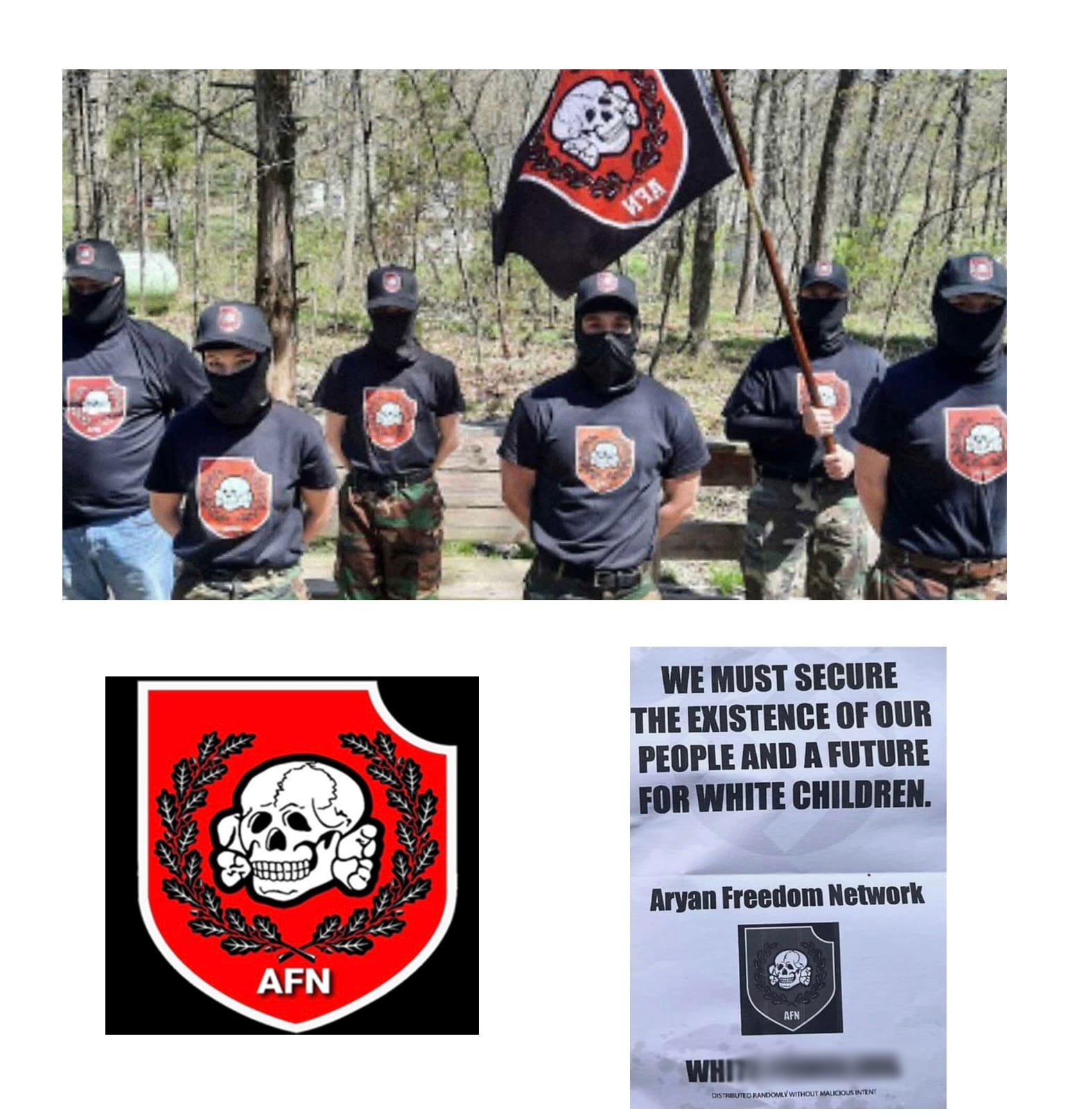
14: A reference to the 14 words “we must secure the existence of our people and a future for white children” coined by David Lane.
88: 8 Represents the 8th letter of the alphabet, HH or “Heil Hitler.” Variations include H8 and 83 “Heil Christ.” You will often see the numbers 14 and 88 together (1488 or 14/88).
WP: White Power. Also sometimes signified by an “okay” hand gesture.
Reclaim America: White supremacist slogan advocating for the “reclaiming” of America from immigrants (referencing the racist Great Replacement conspiracy theory).
We’ll Have Our Home Again: Popular phrase used by neo-nazis and white supremacists based on a song of the same title and similar to “reclaim America.”
Groups / Orgs
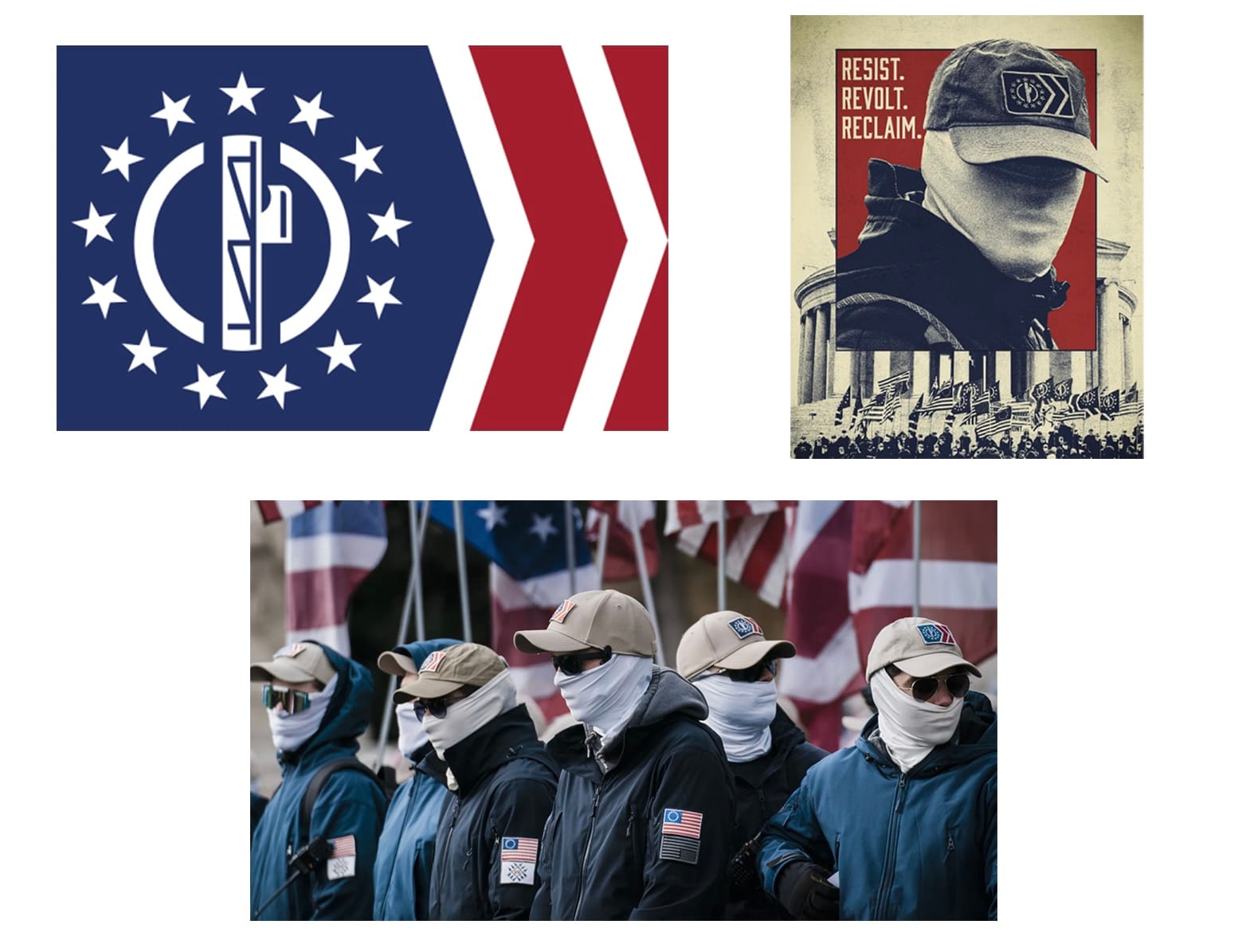
Patriot Front: A white nationalist group mostly focused on using patriotic imagery and rhetoric to spread propaganda and recruit. Founded by Thomas Rousseau, the group broke off from Vanguard America in 2017 after the deadly Charlottesville rally in Virginia. They care primarily about public image. Their style involves patriotic designs including red white and blue, fasces, khaki pants, and white masks with matching shirts, shields, the Confederate flag, the Betsy Ross flag, and the US flag. Despite their efforts to be palatable to a wider audience, outside of public view they espouse anti-semetic, pro-white and pro-nazi views. Patriot Front is currently one of the largest white nationalist groups in the US.
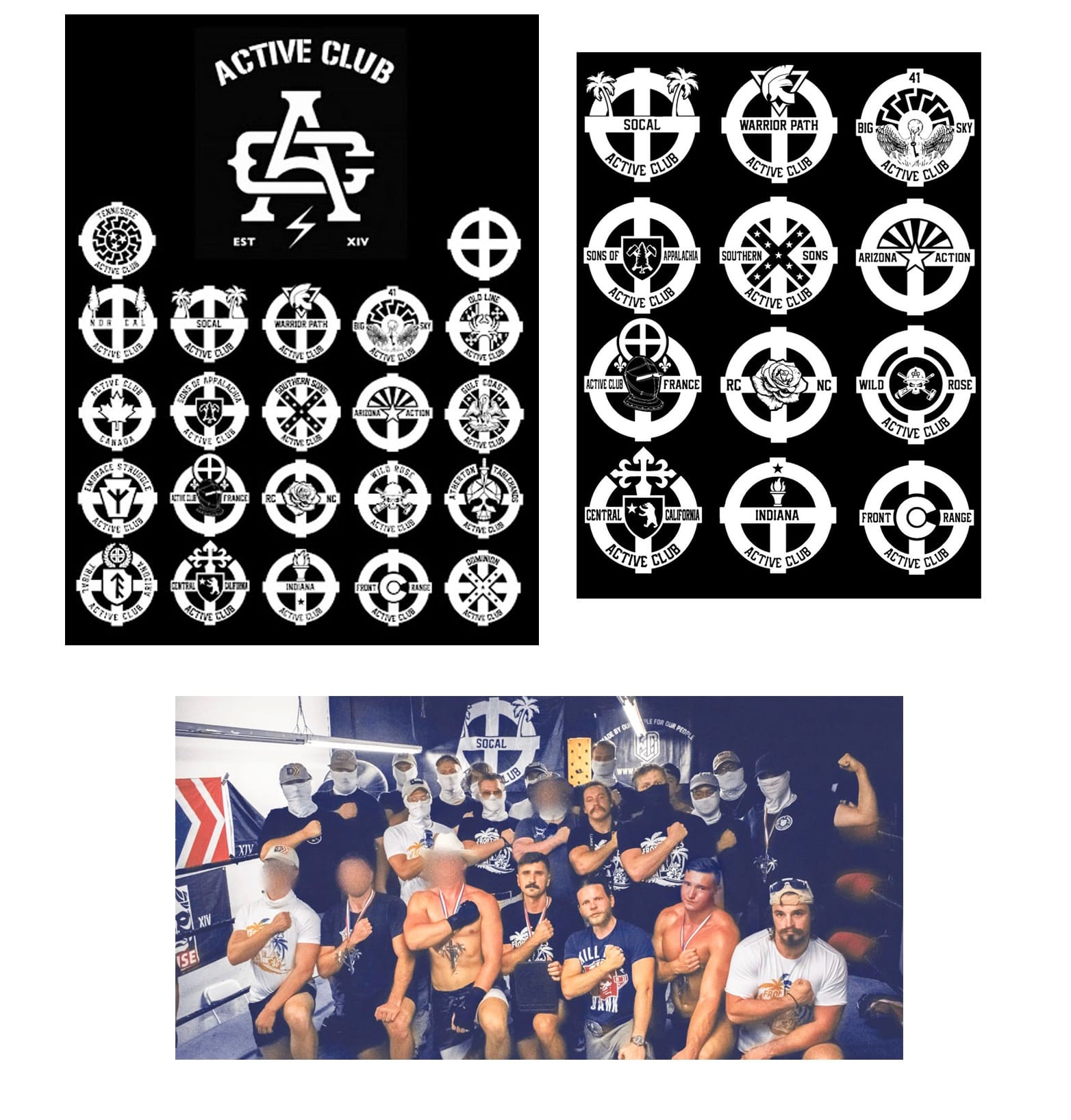
Active Clubs: Active Clubs are white supremacist fight clubs widespread across the US and throughout parts of Europe. They use the guise of fitness and training to try recruiting mostly younger white men into their clubs. Often members will march with other larger neo-nazi / white supremacist groups, and all chapters share the same logo of a Celtic Cross with text representative of their region. Many Active Clubs in the US are directly tied to Thomas Rousseau and Patriot Front.
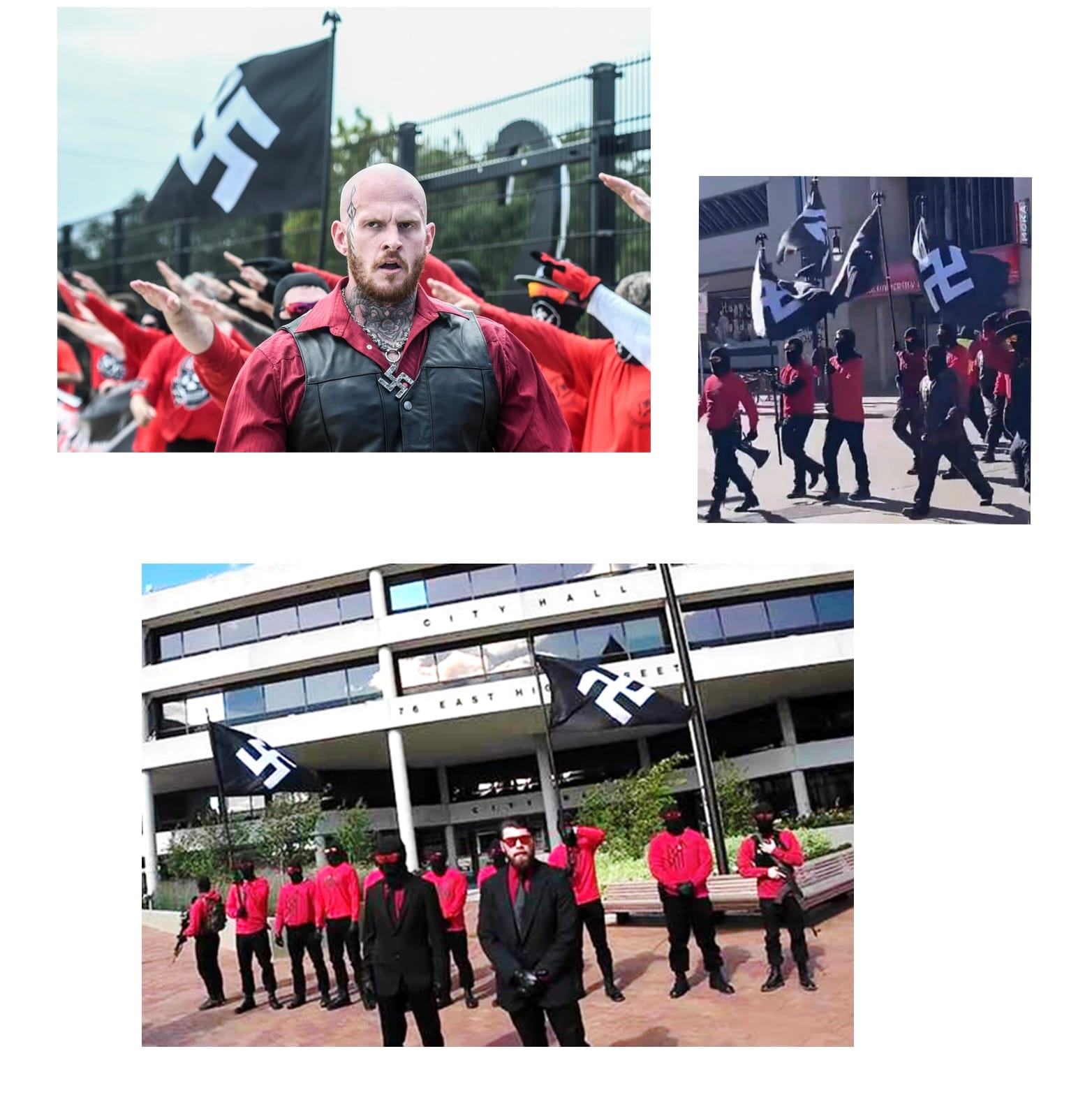
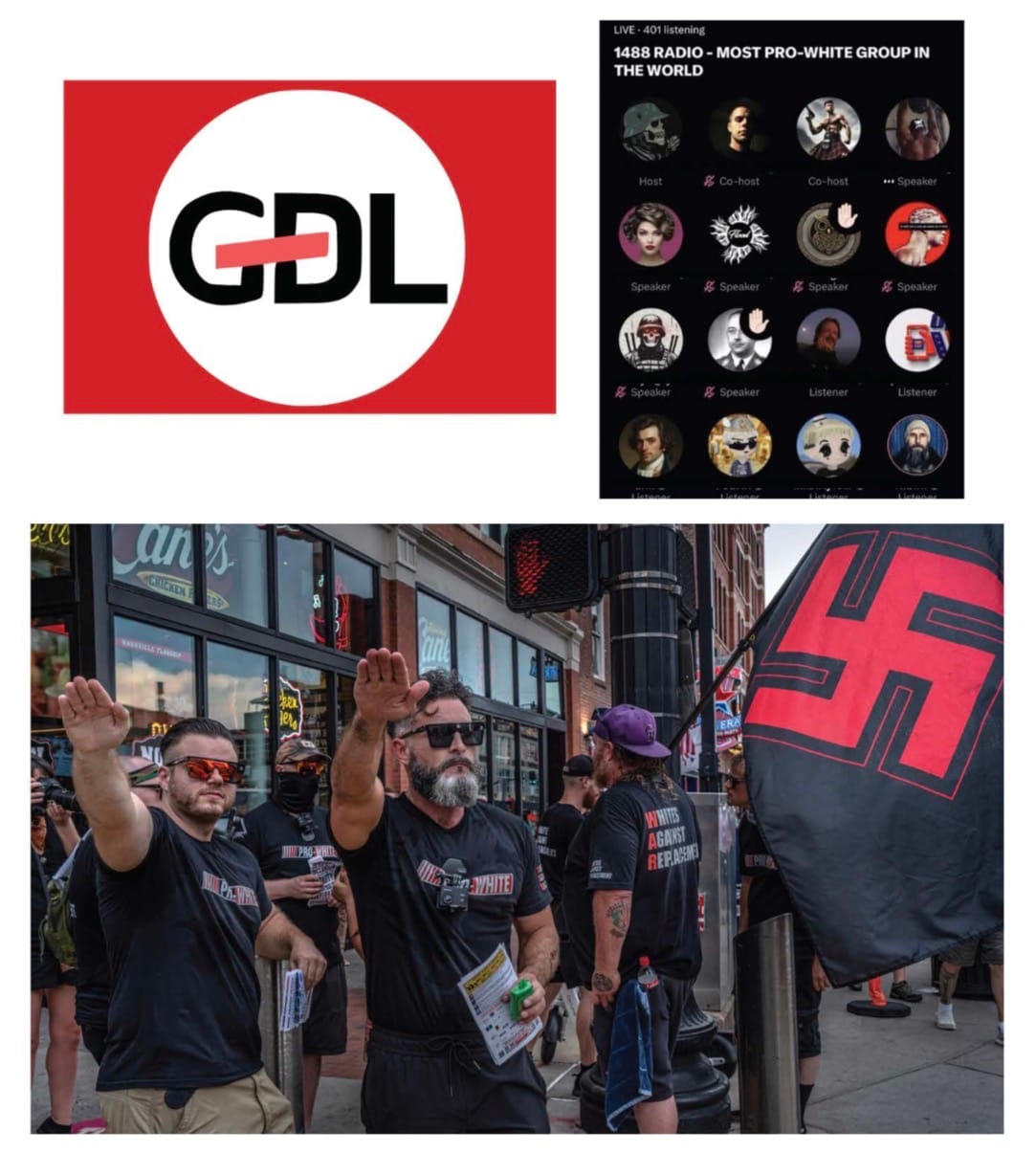
Blood Tribe: Blood Tribe is a neo-nazi group started by former marine Christopher Pohlhaus. They are known for being one of the most outward facing Nazi groups, holding semi-regular marches in cities across the US. They wear matching red and black outfits with black face coverings, and march with matching black and white swastika flags, and will loudly chant white supremacist and nazi slogans. Their goal is to instill a Fourth Reich in the US.
AFN: “Aryan Freedom Network” is a neo-nazi group present widespread across the US. The group has begun functioning as an umbrella organization, bringing in members from other groups like the Ku Klux Klan and outlaw bikers to function under their name. Outside of flyering neighborhoods with nazi propaganda, they operate mostly out of public view. They train often with firearms and make efforts to organize nationally across as many regions as possible.
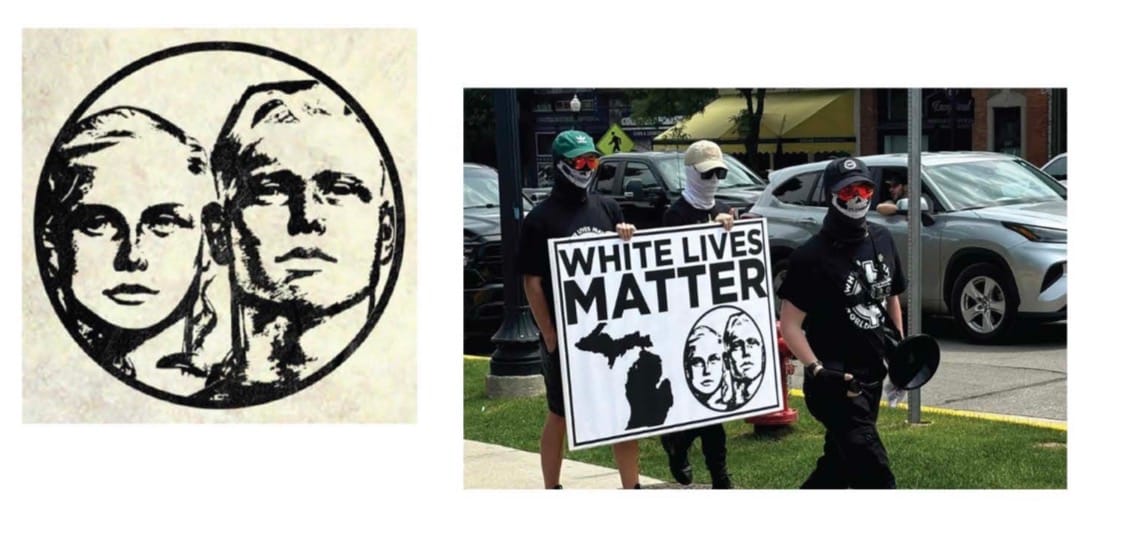
WLM: “White Lives Matter” is a white supremacist movement with chapters all around America and the globe, who focus their activism on low-risk tactics like stickers, flyers, and banners.
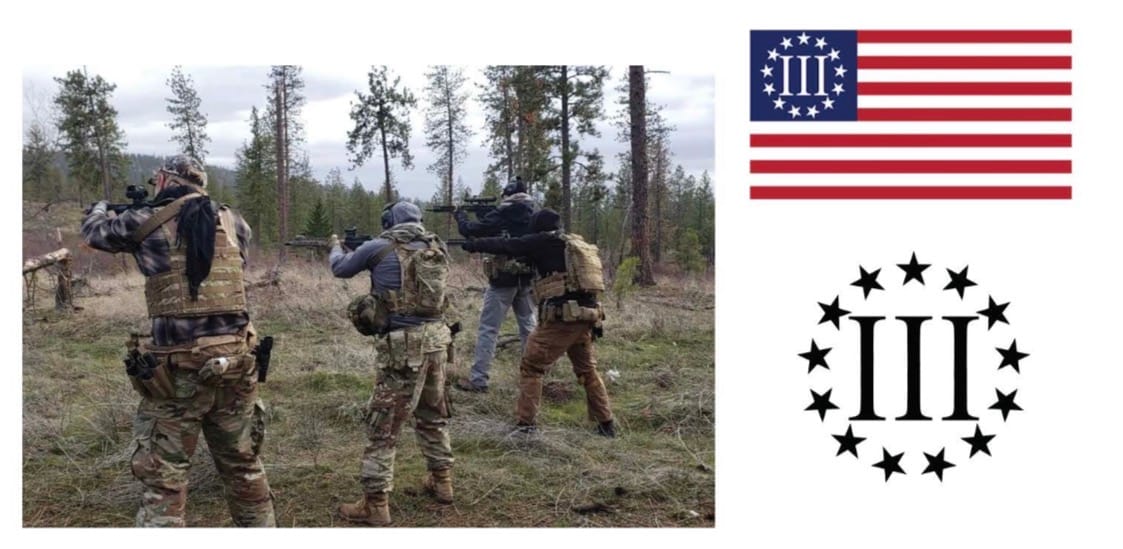
Three Percenters: This movement was created in 2008 with the false claim that only 3% of American forces fought the British in the revolutionary war, and therefore it would take only 3% of the population to overthrow the current US government. They are a far-right militia movement of anti-government extremists focused on gun ownership.
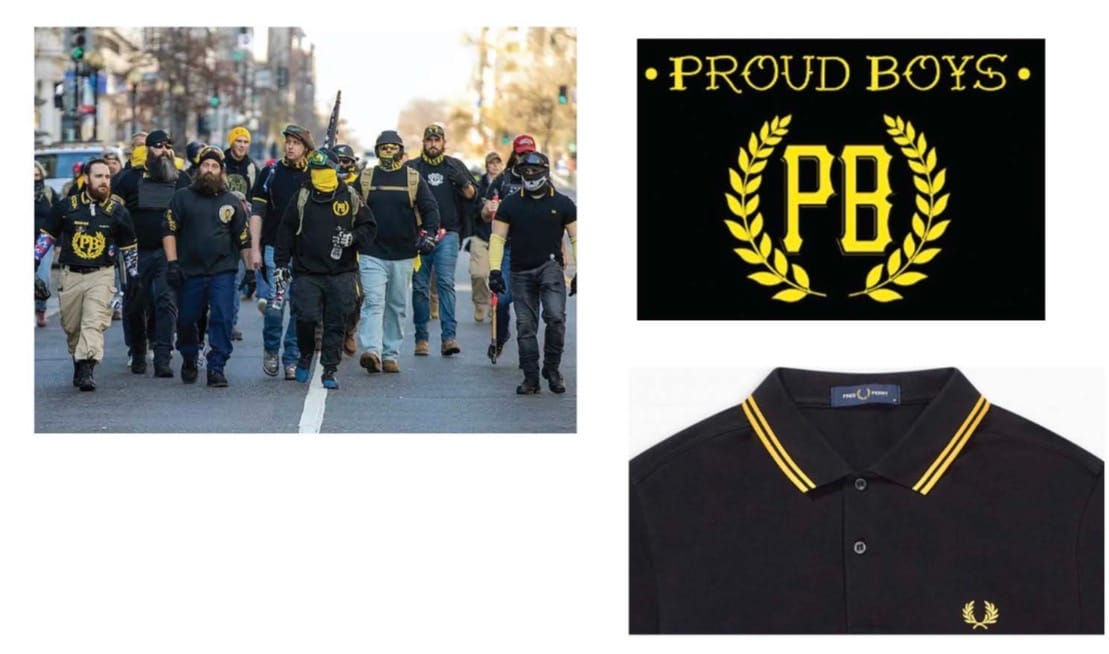
Proud Boys: A group of western chauvinists founded by Gavin McInnes in 2016. Although the Proud Boys aren’t explicitly white supremacist, their emphasis on the “western” values and culture is a thinly veiled substitute for “White” values and culture and is used to deflect accusations of racism. Their ideology can be considered a form of proto-fascism as it contains elements of ultra-nationalism, traditionalism, misogyny, and social Darwinism. Their membership has different levels and members are encouraged to participate in street brawls. Level 1 is to exclaim “I am a proud western chauvinist and I refuse to apologize for creating the modern world.” Level two is to recite 5 cereal brands while other members perform a “beat in.” Level 3 is to get a tattoo of “PROUD BOY,” and level 4 is to engage in violence for their cause, usually against LGBTQ or antifascists. They use the acronyms POYB (Proud of Your Boy) and FAFO (Fuck Around and Find Out) and can be spotted in black and yellow Fred Perry polo shirts, or other clothes with the black/yellow color combination. They also use the “okay” hand sign on a regular basis.
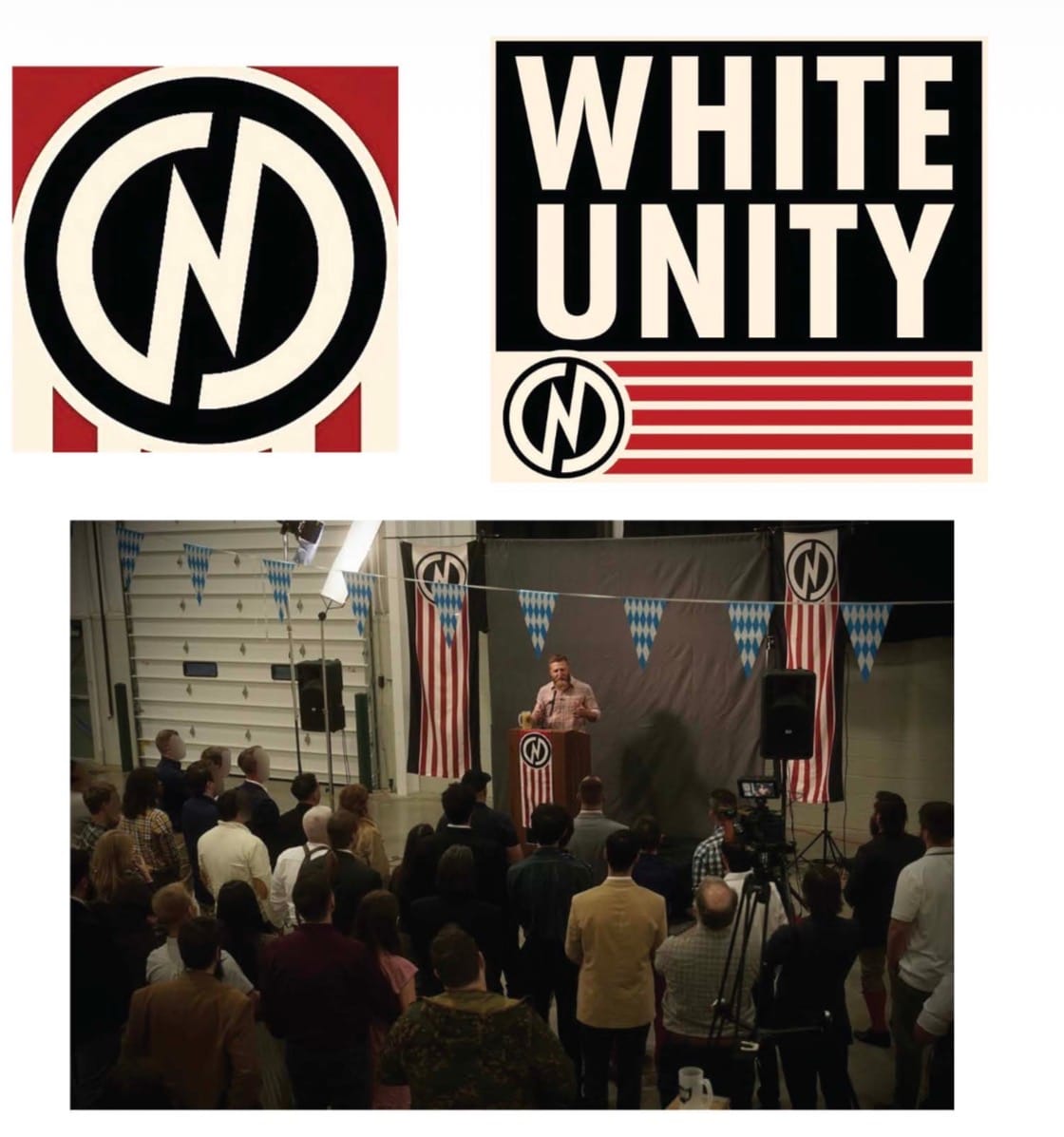
NOVA: “National Organization for Vital Action” is a white-supremacist organization with the goal of building a “nation within a nation” for whites only. They aim to connect as many neo-nazi and white-supremacist groups and individuals as possible in order to create a broad network of racists in America. Their public actions mostly consist of banner drops and stickers. In private, the group has expressed their willingness to use violence to achieve their end goals of a whites only nation.
GDL: “Goyim Defense League”, founded by Jon Minadeo II, is a network of anti-semetic content creators who focus almost exclusively on anti-Jewish conspiracy theories and hatred. They primarily focus their efforts on online videos and live -streams, but are also active in-person, often flyering neighborhoods doing banner drops, harassing synagogues, and holding marches with swastika flags.
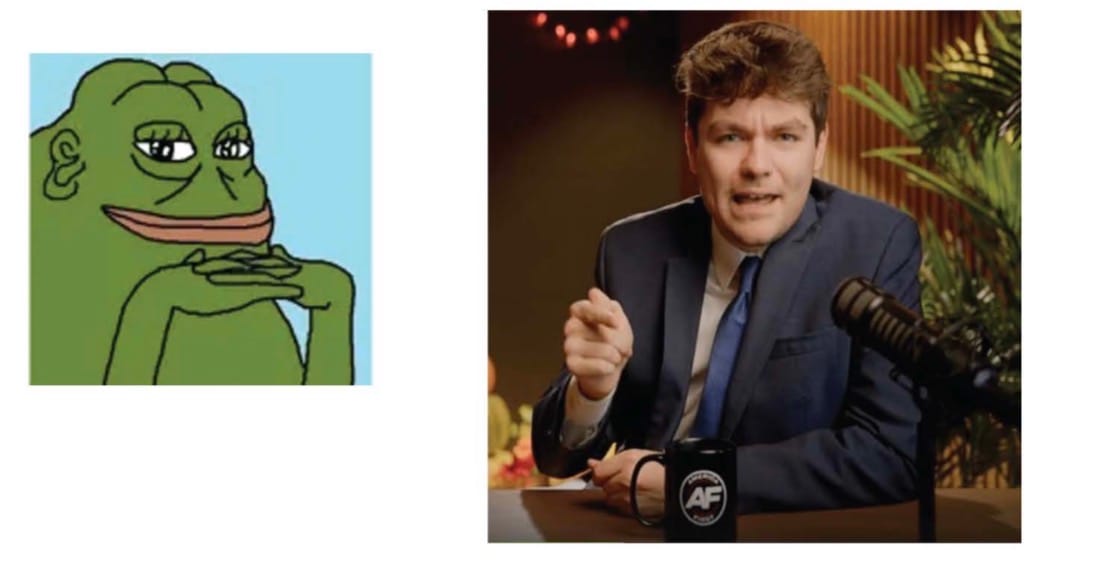
Groypers: “Groypers” are a term for followers of far-right, nazi influencer Nick Fuentes. Less of an organized group, it is a term given to adherents of the anti-immigrant, anti-semetic, and pro-white positions held by Nick Fuentes and pushed into the public. The primary function of Groypers is to push more “traditional conservatives” into a more radical, white supremacist sphere.
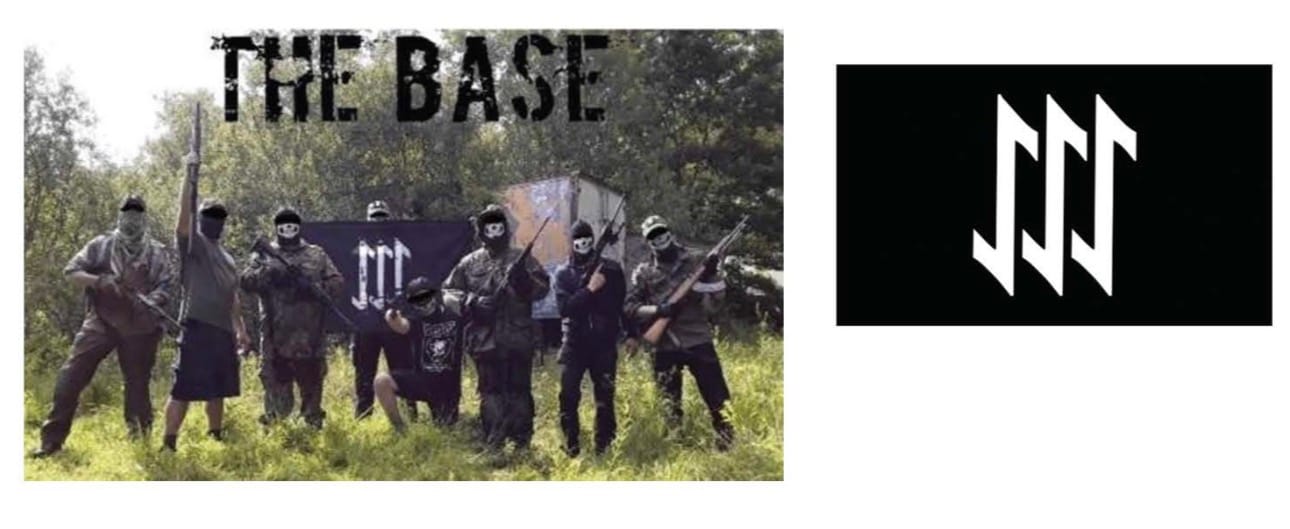
The Base: An accelerationist paramilitary nazi group formed by Rinaldo Nazzaro in 2018. They have similar aesthetics to Atomwaffen, but a different logo.
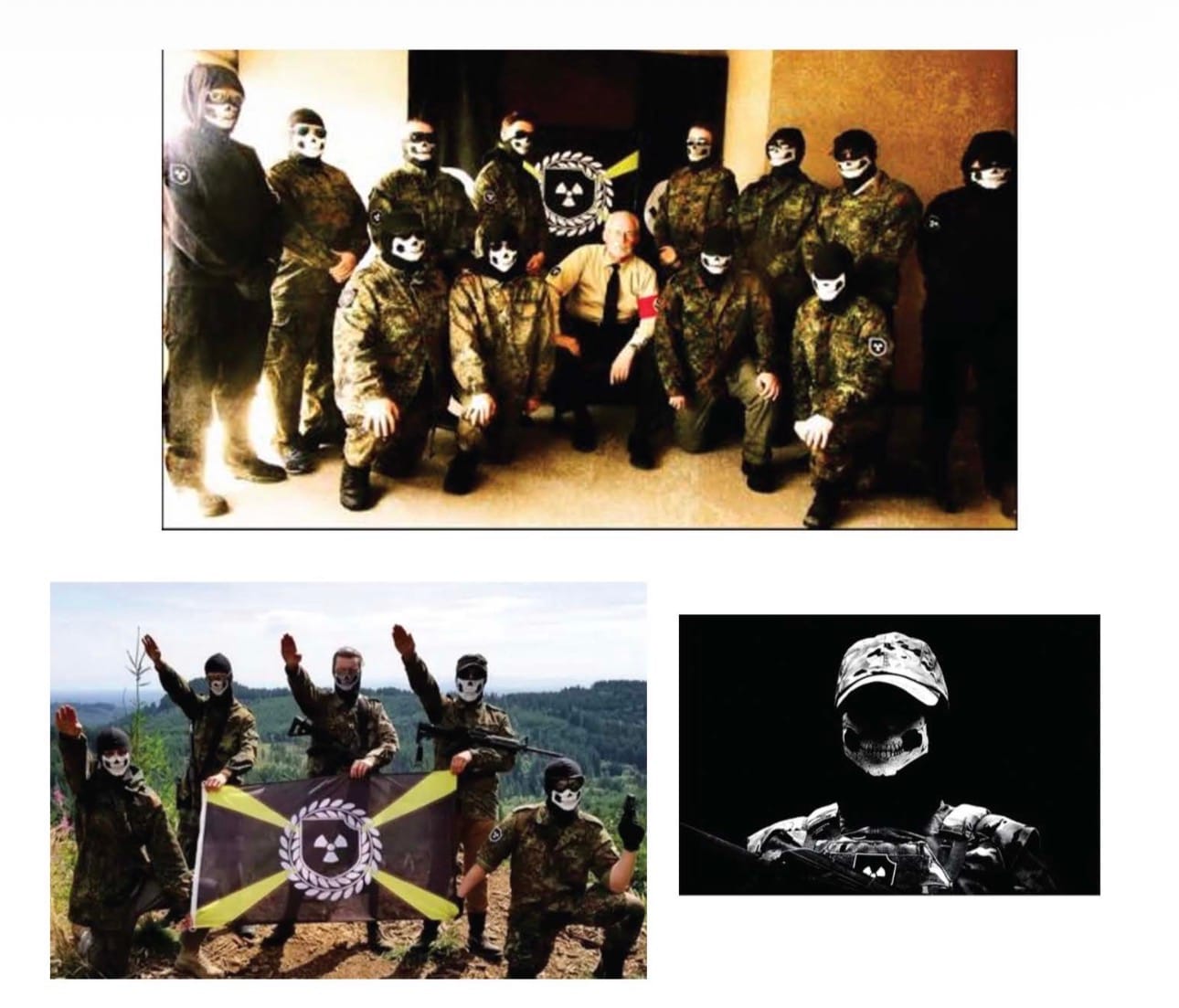
Atomwaffen Division: Also known as the National Socialist Order, Atomwaffen is an accelerationist (accelerating towards a race war in which they hope to overthrow the current government and society and replace it with a fascist order) nazi group responsible for several murders. After numerous arrests and infighting. the group dissolved, only recently attempting to reform in 2025, though failing to gain support. Responsible for popularizing the skull mask within neo-nazi groups, other symbols include the radioactive symbol and flecktarn (a German camo pattern similar to the “peas” pattern from WW2). Although now defunct, their influence remains significant.
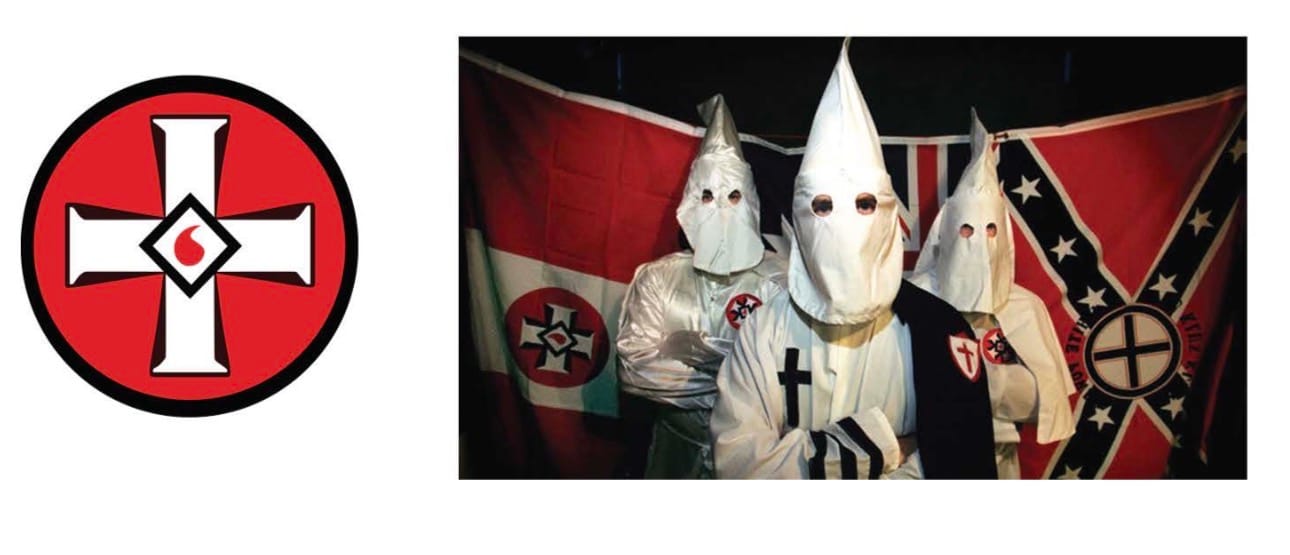
Ku Klux Klan: One of the longst running white supremacist organizations. They use the number 311 to represent 3 Ks, which is the 11th letter of the alphabet. Their iconic robes have become so recognizable they may no longer count as a dog whistle. They also use the blood drop cross and variations on the blood drop cross including just the blood drop, and the confederate flag.
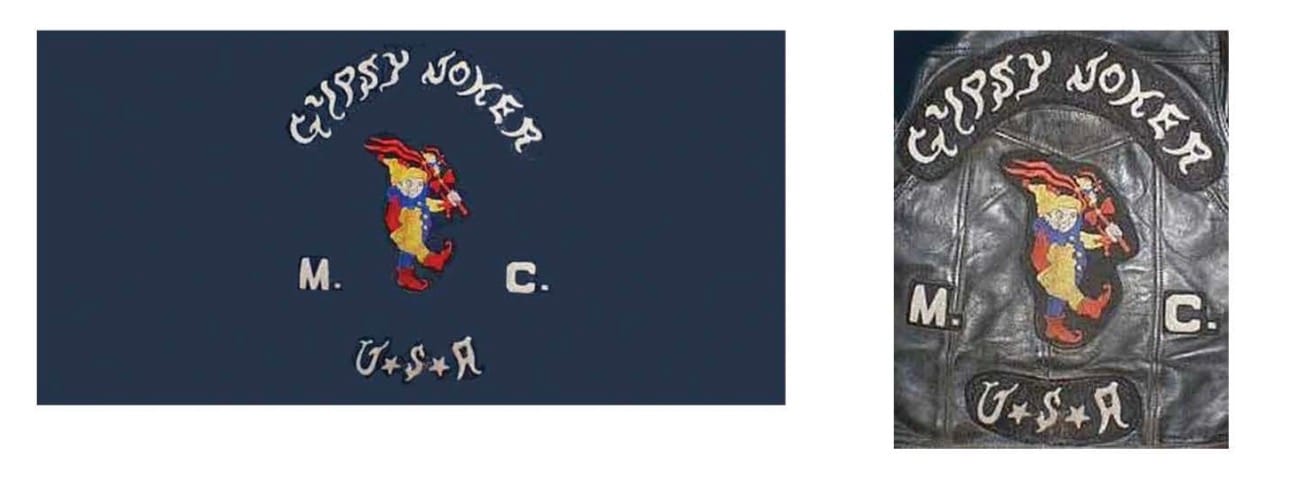
Gypsy Jokers: A one percenter motorcycle club with white supremacist sympathies who are known to traffic drugs and engage in low level organized crime and violence. They wear motorcycle gear adorned with nazi symbols and a back patch that says “Gypsy Jokers.” In recent years they have been known to associate with the Proud Boys.
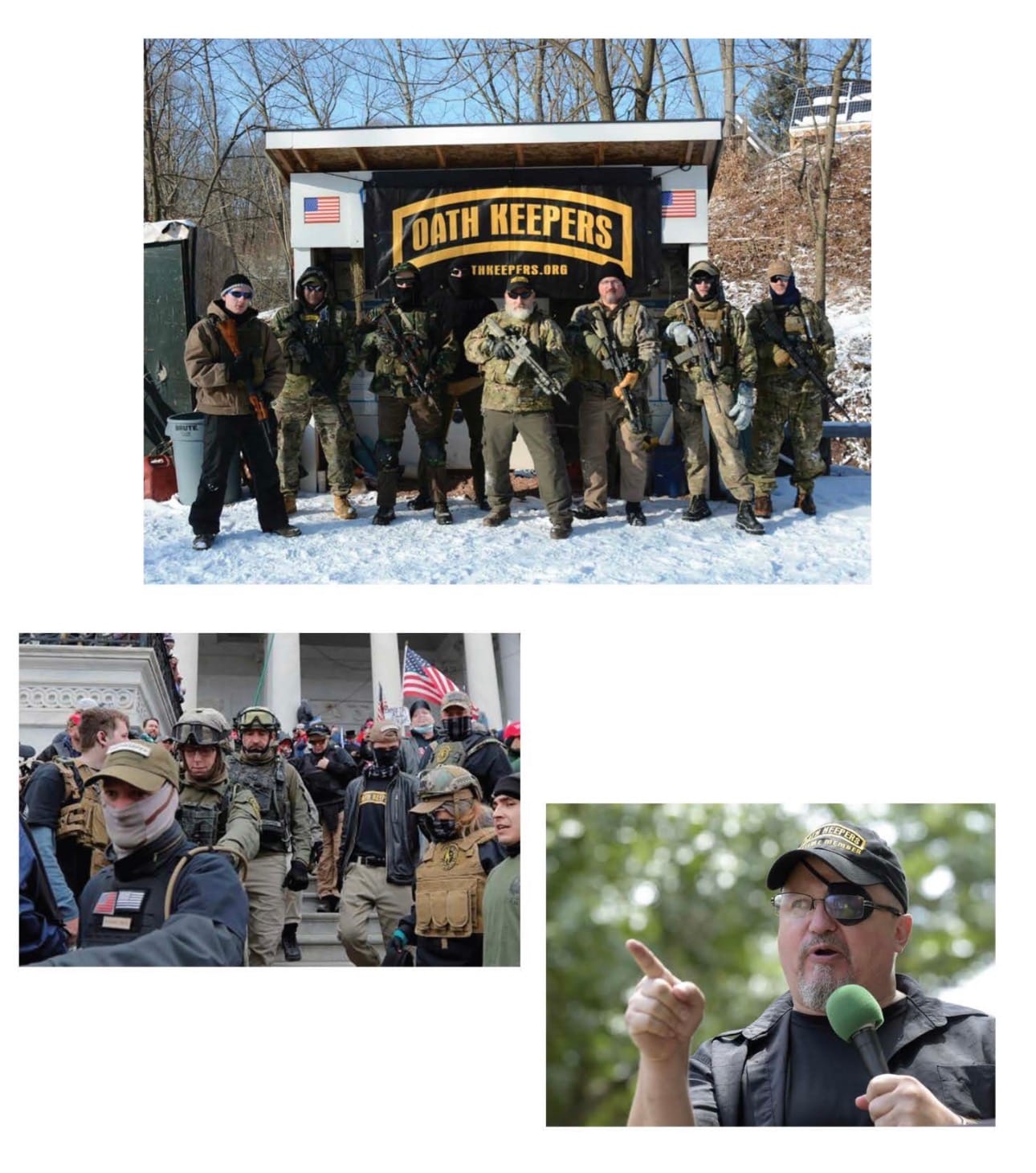
Oathkeepers: Far-right anti-government militia founded in 2009 by Stewart Rhodes. Oathkeepers played a key role in the January 6 insurrection at the US Capitol. Oathkeepers appeal directly to military and law enforcement personnel, encouraging them to keep their “oath” to defend the public from what they perceive as the new world order, by means of discipline and violence. They’re also associated with three percenters.
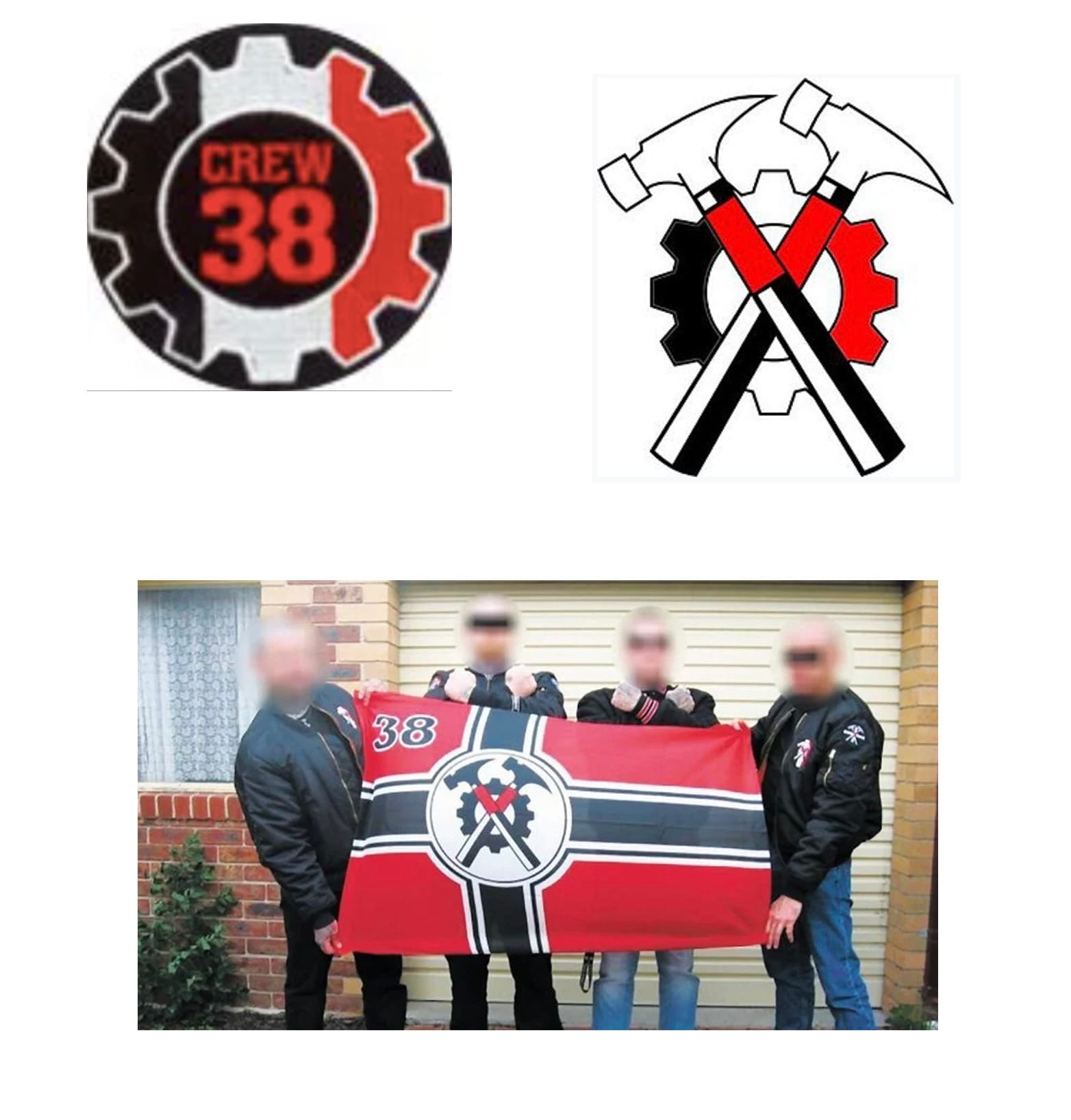
Hammerskins: A racist skinhead group, aka boneheads. The feeder group is known as Crew 38 (38 for “Crossed Hammers”). Hammerskins focus mostly on spreading racist music, but they also engage in street fighting and targeted attacks. Hammerskin Nation is considered one of the most violent racist skinhead groups in the US. They use a hand sign of crossed arms with fists to represent the crossed hammers.
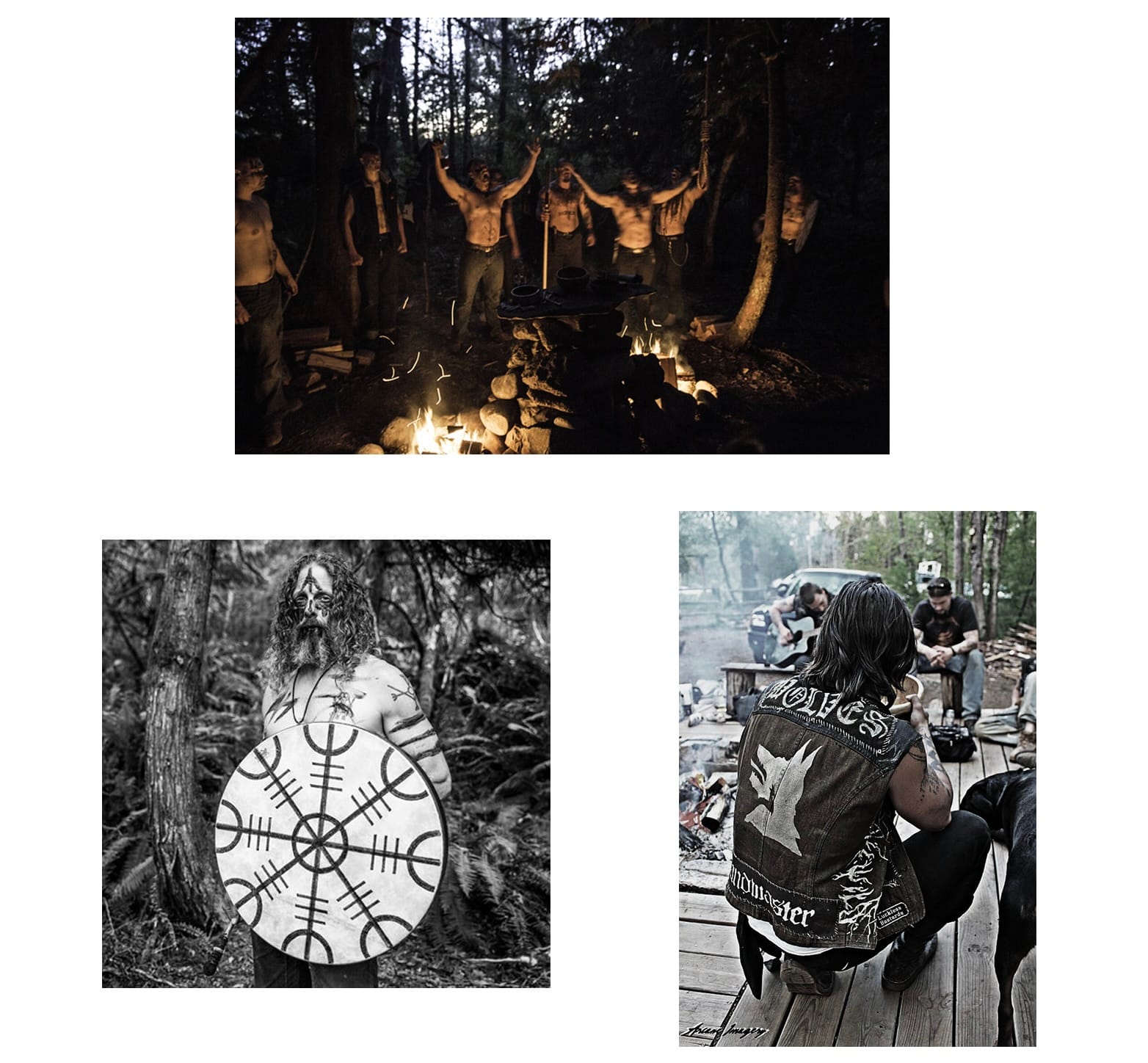
WoV: “Wolves of Vinland” is a group with heavy folkish influences that promotes white supremacy and misogyny, stressing Asatru or Paganism, including animal sacrifices and blood rituals in the woods. They have recently been partnering with Patriot Front and Active Clubs to hold fascist combat events. Their headquarters is in VA, but membership is not limited to that area. “Operation Werewolf” has been used as a recruiting tool and feeder group for WoV. They can be spotted with Celtic and Nordic imagery, runes, and wolf pack patches..
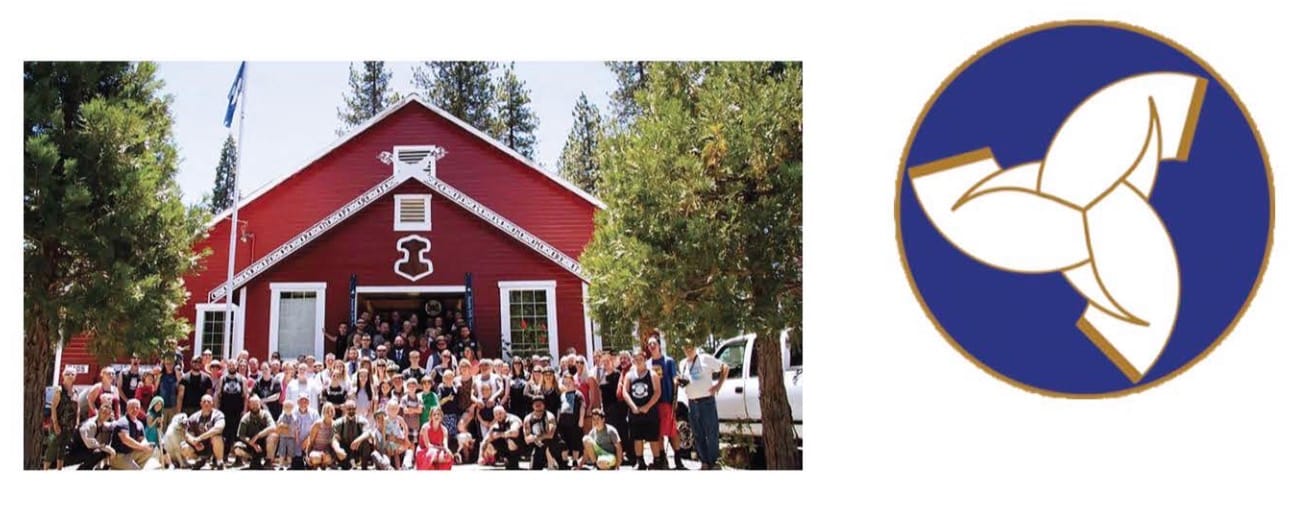
Asatru Folk Assembly: A norse pagan organization which advocates for pre-Christian European rituals and beliefs. The organization discourages “race-mixing” and promotes a whites-only vision of America, falsely claiming that white people were in North America first and were wiped out. Members of other neo-nazi groups such as Blood Tribe associate often with them.
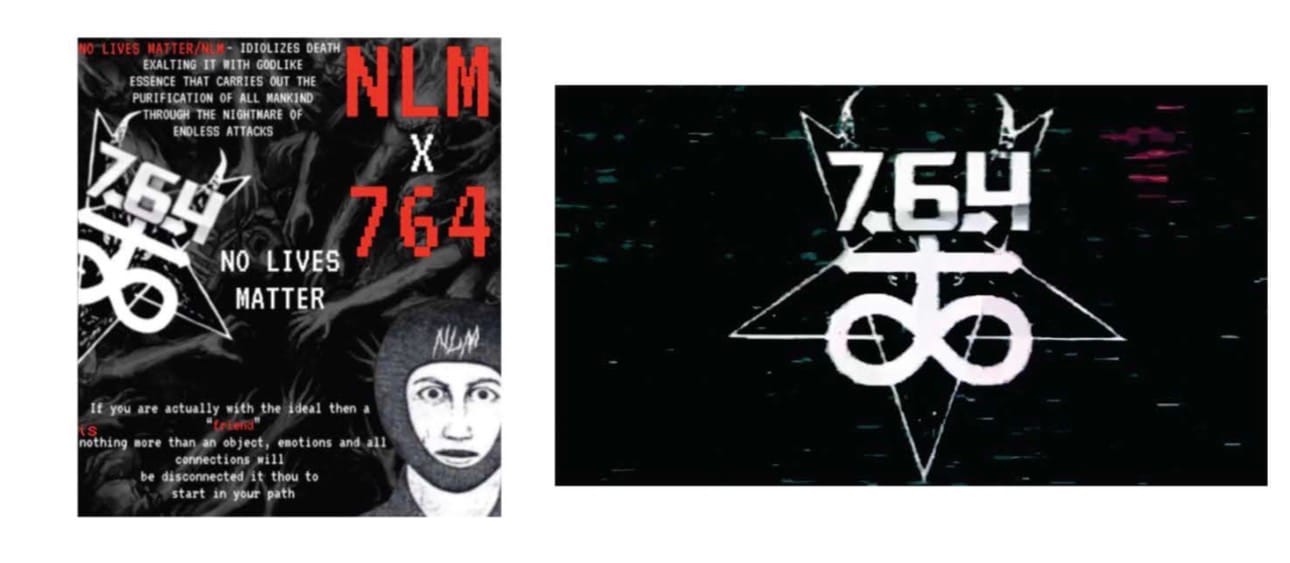
764 / No Lives Matter: 764 is an international, predatory network that espouses neo-nazi, satanic, nihilistic, and accelerationist beliefs. It targets and exploits children / young people and encourages them to commit mass acts of violence. Adherents have been responsible for acts such as murder, firebombings, and school shootings.
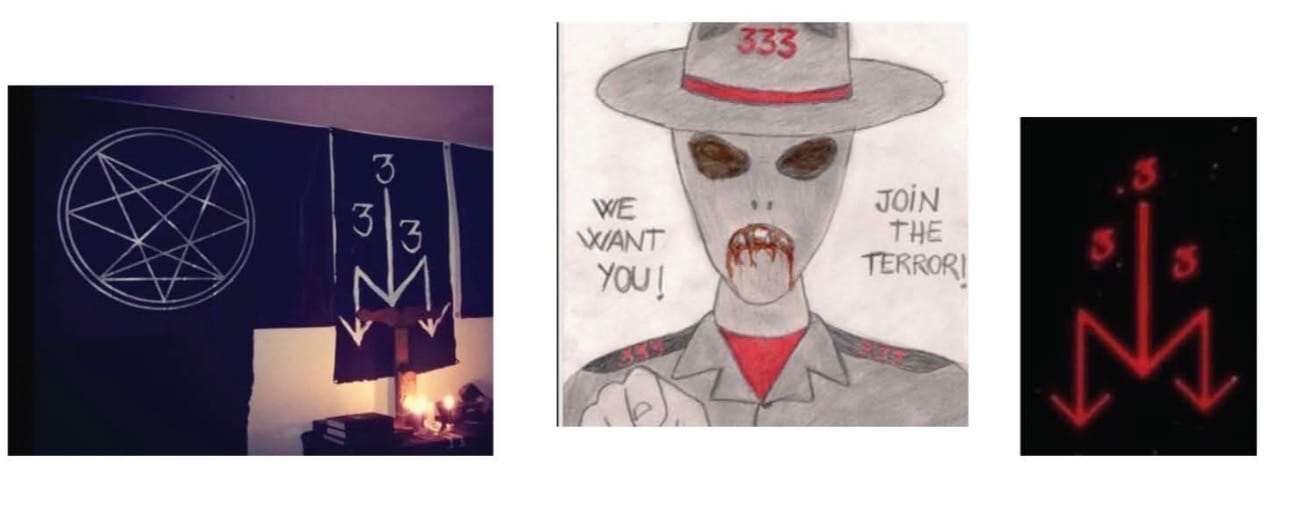
Tempel ov Blood / 09A: The Order of Nine Angles (09A), and it’s most violent chapter, The Tempel ov Blood (ToB), are satanic neo-Nazi cults that have had a significant influence on far-right accelerationist projects, like the now-defunct Atomwaffen. Suffice to say, 09A and ToB glorify nazism and violence, and are adept at radicalizing (and abusing) teenagers. Symbols include the seven-pt star inside a circle, a downward sort of pitchfork with 333 above it, and “Drill Sgt Grey” – a sinister space alien in a military outfit.
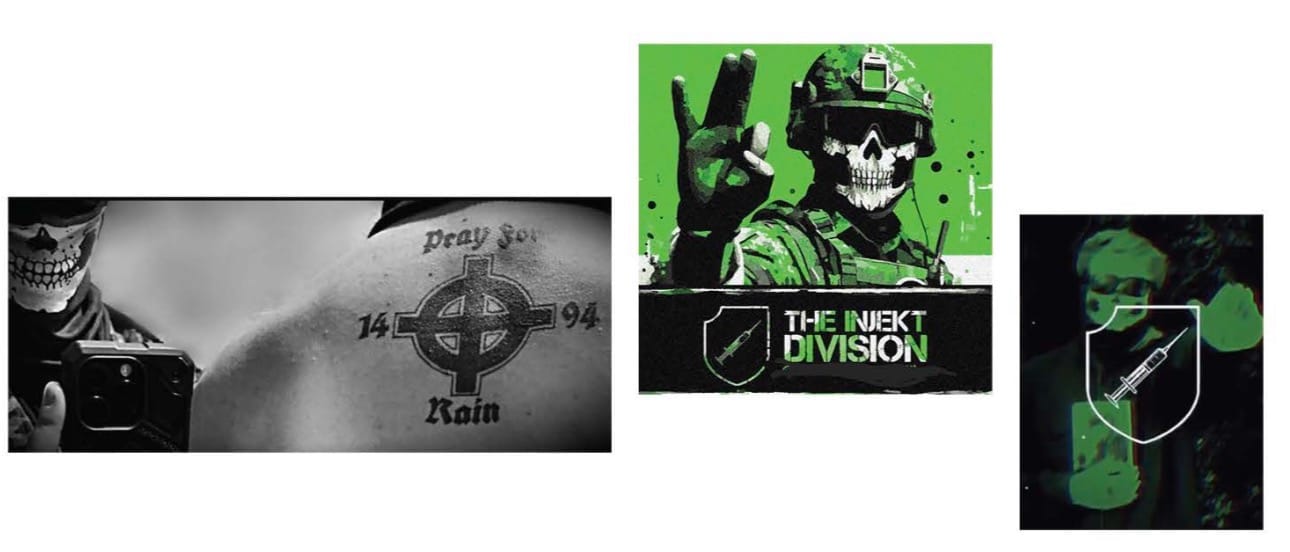
Injekt Division: An accelerationist nazi group that was formed by Coleman Blevins (aka Korb) in 2021. They are organized in decentralized cells, embracing a terror guerrilla ideology that looks to collapse the “System”. Their symbols include a syringe, 1494 and “Pray For Rain”.
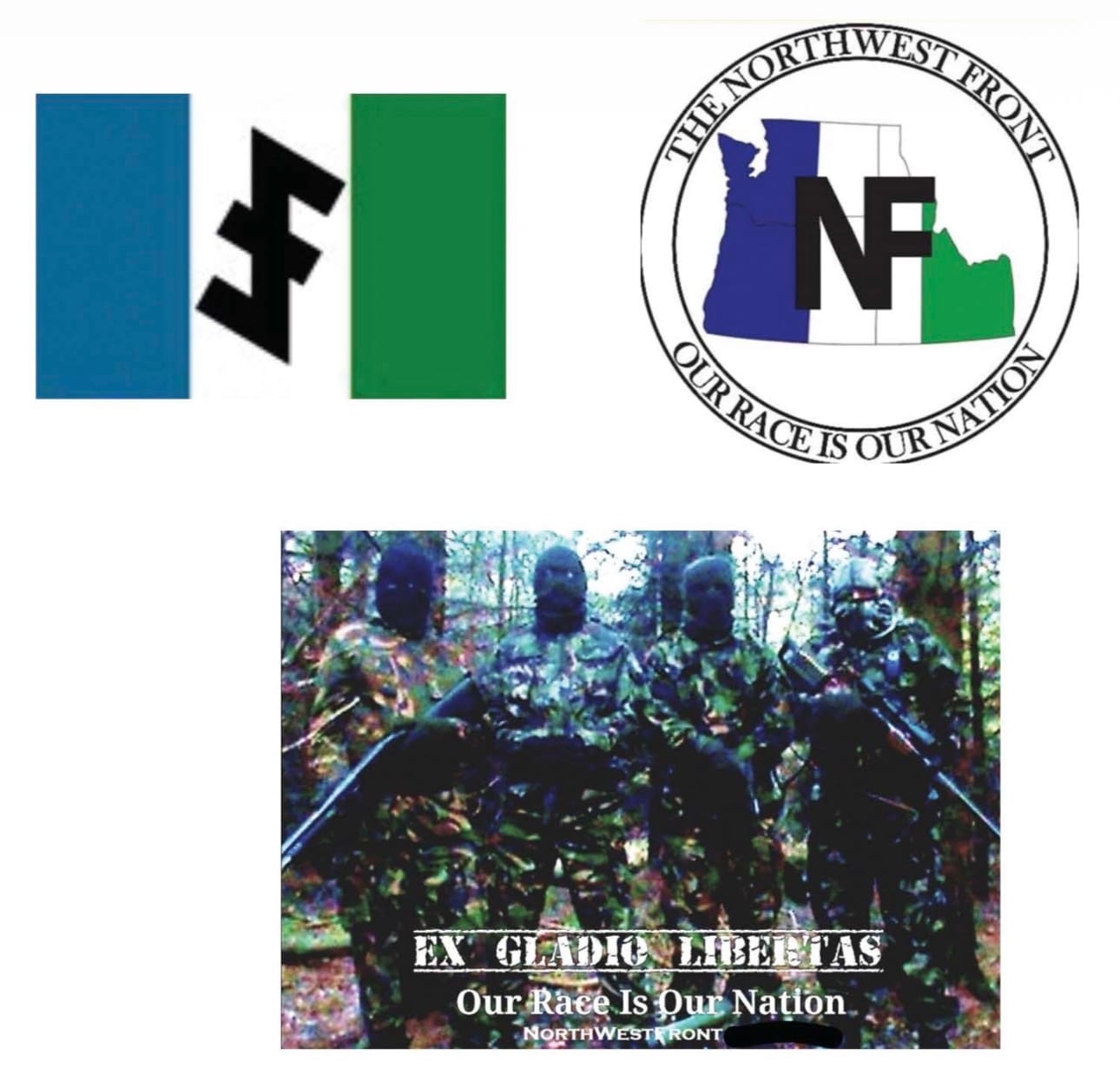
NWTI: “The Northwest Territorial Imperative” is a vision of a whites-only homeland in the Pacific NW. Proposed in the ’80s by Richard Butler of the Aryan Nations, it is an idea embraced by a wide variety of white supremacists, including secretive militant nazi groups dedicated to implementing the vision, such as Northwest Front (NF) or the Northwest Pioneer Association (NPA). NWTI is represented by an inverted Cascadian tri-color flag – having vertical stripes, rather than horizontal. Their flag sometimes includes a rune or swastika. Common associated phrases: “Come Home, White Man” and “Ex Gladio Libertas”.
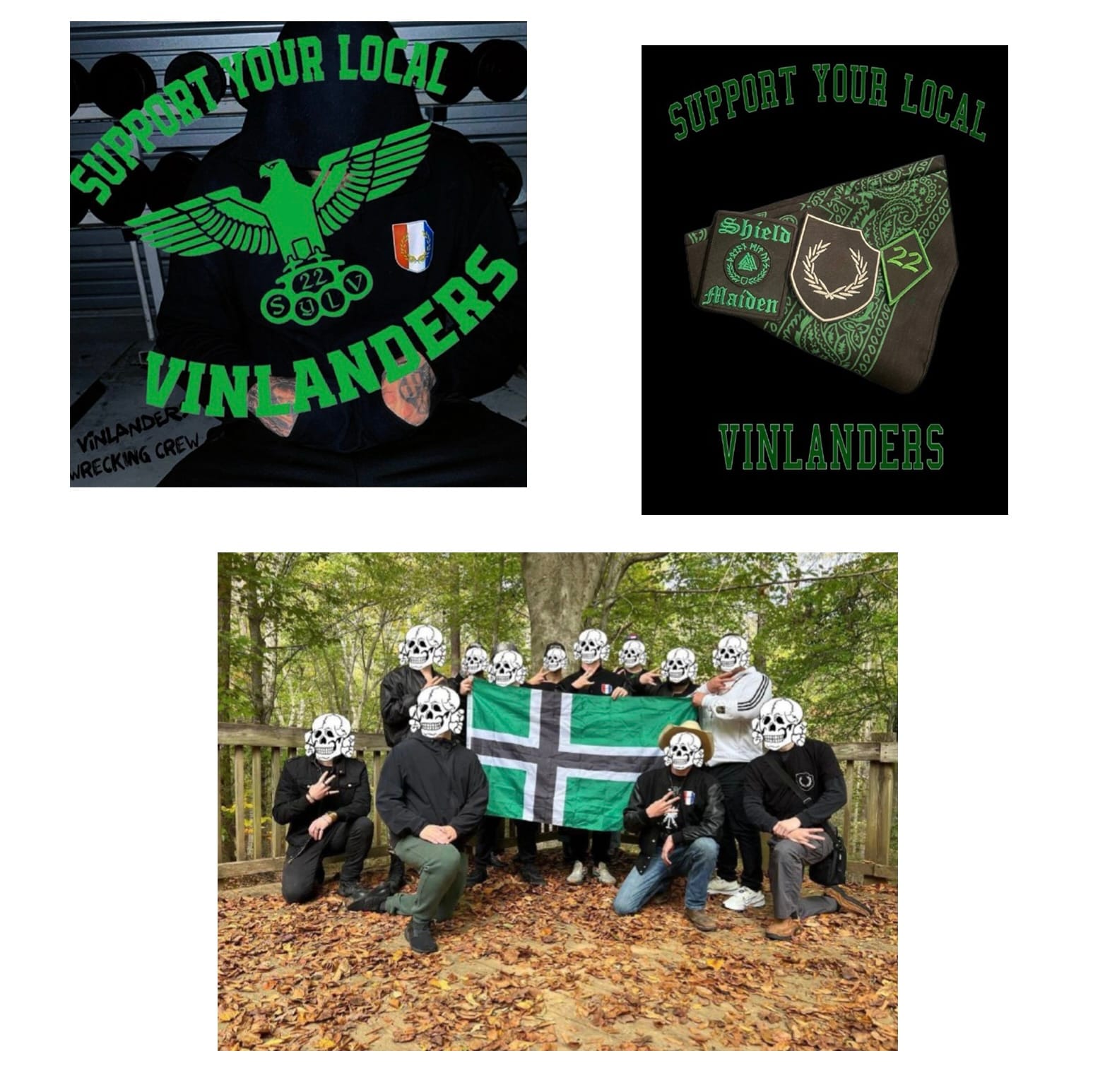
Vinlanders Social Club: Vinlanders Social Club (VSC / Firm 22) is a violent neo-Nazi bonehead gang formed in 2003. It uses Firm 22 as a support crew of men and women; the men being prospects for full VSC membership. VSC / Firm 22 went into decline in the 2010s, but has been attempting to build itself back up through proximity to the active club movement, much like the Hammerskins. Its symbols include a black cross on a green flag, 22, 1422, an eagle holding brass knuckles, a red, white & blue shield patch with a laurel, or just a laurel.
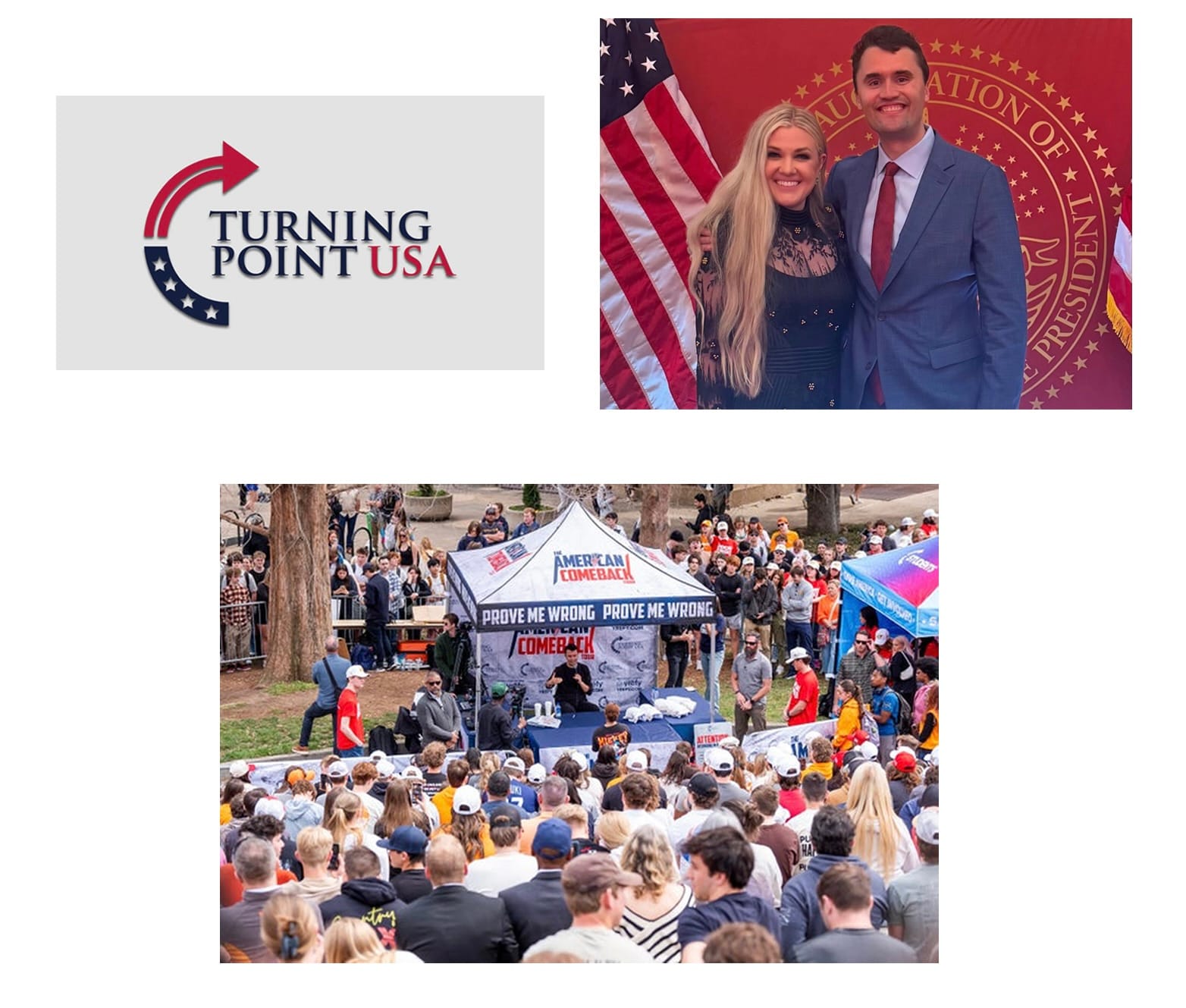
TPUSA: “Turning Point USA” is an organization which targets high schoolers and college students with far-right propaganda, talking points, and literature. Founded by Charlie Kirk, and now led by his widowed wife Erika Kirk, the organization has chapters in schools across the US, and regularly sets up tents on college campuses in order to recruit and create content by means of filming bad-faith political “debates.” With a roster of speakers and frequent events, TPUSA regularly promotes popular anti-trans white nationalist talking points, white Christianity, and racial divisions. Using the public image of more traditional conservatism, they function as a pipeline to more fascist far-right ideologies.
References and Further Reading
For current / past antifascist articles, contact info for sharing tips, and other resources, you can visit:
This was a private event held and paid for by the group for a set amount of time at the park. It is a normal occurrence at parks like this. If this had been a Christian church doing the event it would have caused no backlash and been accepted. But because it was a Muslim sponcered event with mostly clothing of this sect of the Islamic faith that also encouraged the eating of foods not normally eaten by Christians it caused a backlash of Islamophobia. Hate for people and customs different from the Christian religion practiced by white people is common in the nearly theocratic Texas. Hugs
The park is available for rent at a cost of $5,000 an hour, Dallas News reported.
A private event at a Texas city-owned water park has been canceled following backlash and a direct threat by Gov. Greg Abbott to withhold more than $500,000 in state public safety funding.
A spokesperson for the City of Grand Prairie said Thursday the city canceled the DFW Epic Eid Celebration scheduled for June 1 at the Epic Waters Indoor Waterpark.
“After further review and in the best interest of the City of Grand Prairie, the June 1 Eid event at Epic Waters Indoor Waterpark has been canceled,” the spokesperson said.
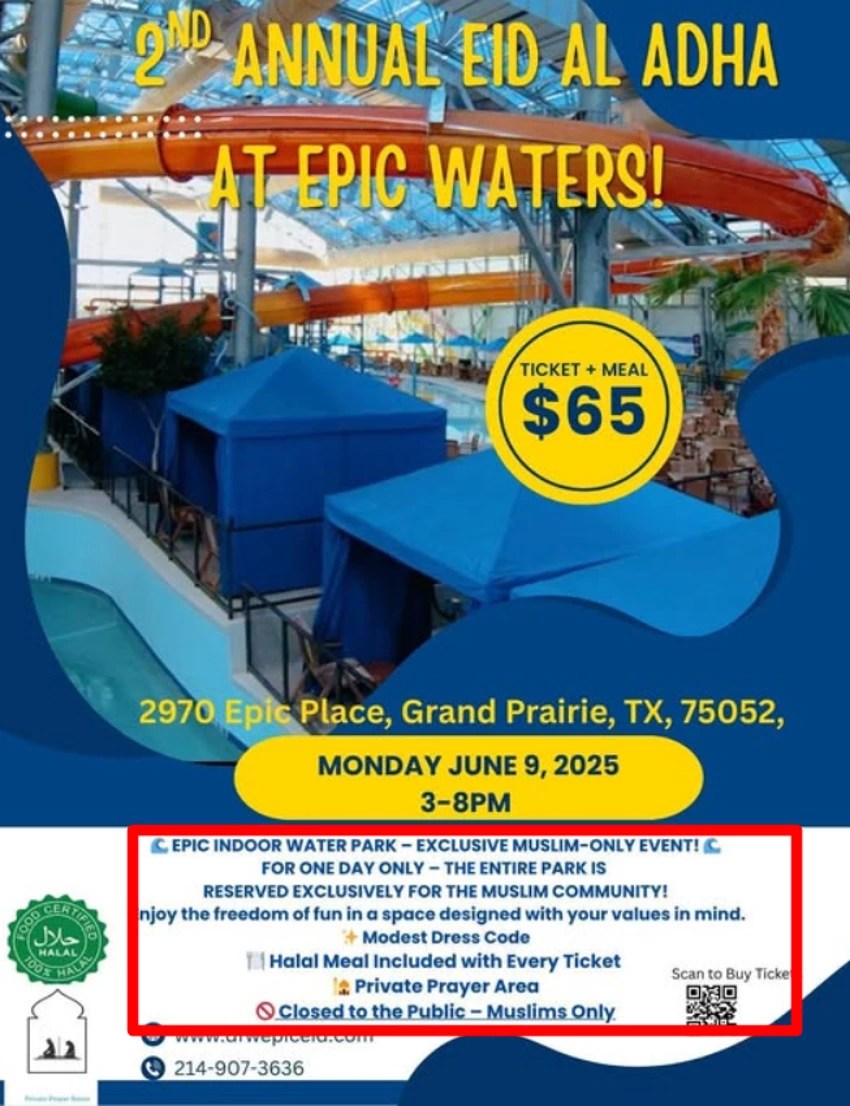
The event at the city-owned waterpark was initially promoted with flyers describing it as “Muslims only” and included a modest dress code requiring burkinis for women, halal food, a private prayer room and rules encouraging attendees to maintain personal space and “lower the gaze.”
After backlash on social media, organizers updated promotional materials to state that “all are welcome,” provided attendees follow the modest dress code.
Abbott’s Public Safety Office shared a letter with The Christian Post that had been sent to Grand Prairie Mayor Ron Jensen warning that the “DFW Epic Eid” event “was publicly and openly advertised as discriminating based on religion” and therefore violated agreements between the city and the Public Safety Office.
The letter from Public Safety Office Executive Director Andrew Friedrichs said the event “purports to be public facing and discriminatory at the same time” and compared it to advertising for a “Whites only” event.
“All Muslims — but only Muslims — may attend,” Friedrichs wrote. “An event at a city-owned pool that was publicly and indiscriminately advertised as ‘Whites only’ would surely violate the Constitution.”
Event organizer Dr. Aminah Knight later updated the online flyer to clarify that the DFW Eid Celebration is a “privately organized and privately funded event held through a standard rental of Epic Waters, just like many other private gatherings hosted at the park.”
“At its core, this event is about creating a space where individuals and families, particularly those who value modest dress and a modest environment, can come together and enjoy a recreational setting comfortably,” Knight wrote.
Knight added that anyone “of a different faith who wants to celebrate the Eid holiday with us and adhere to the modest dress code” is welcome to attend.
A screenshot of an online flyer for a 2025 “Muslims only” event at the Epic Indoor Waterpark in Grand Prairie, Texas. | Screenshot/Facebook
A Facebook post shared by Knight in May 2025 promoting last year’s event included a flyer calling it an “exclusive Muslim-only event” and stating that the taxpayer-funded facility was “closed to the public” for “Muslims only.”
It is unclear whether the City of Grand Prairie approved the flyer or its contents. The city did not respond to CP’s request for comment by Thursday afternoon.
While the 2026 event flyer listed Knight as the organizer, a video shared on social media by Muhammad Abdullah, listed as the director of Outreach & Youth at Al-Hedayah Academy in Fort Worth, claimed he organized the event.
In a video posted Tuesday, Abdullah blamed “Islamophobia” for the public response to the now-canceled event and said, “By the way, I’m organizing that with my wife.”
CP reached out to Al-Hedayah Academy, where Abdullah is pictured as a member of the mosque’s “spiritual team,” seeking clarification Thursday on whether the mosque was involved in organizing the event.
According to Knight, more than 600 people attended the event last year, and all “lovers of modest fashion and those who are curious about Eid and what modesty at a waterpark can look like” are welcome to attend.
Owned by the city of Grand Prairie near the Dallas and Tarrant County border, Epic Waters — which has no ties to the planned Muslim-centric development formerly known as “EPIC City” — is an 80,000-square-foot waterpark with a retractable roof and the longest indoor lazy river in North Texas, according to its website.
Epic Waters opened in 2017 after voters approved a 0.25% sales tax, according to city documents. The park is available for rent at a cost of $5,000 an hour, Dallas News reported.
Because it’s important to re-read this proclamation every year, at least on Mother’s Day. And especially so in this year of strikes and other activism to get our government back to we the people, and in comparison to the retail profits from this holiday.
Too few Americans are aware that early advocates of Mother’s Day in the United States originally envisioned it as a day of peace, to honor and support mothers who lost sons and husbands to the carnage of the Civil War.
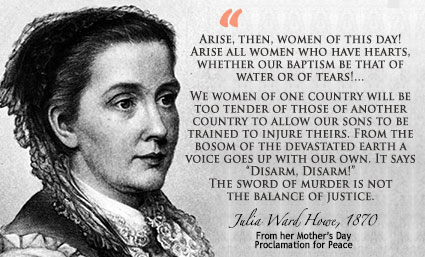
MOTHER’S DAY PROCLAMATION Boston, 1870
“Arise, then… women of this day! Arise, all women who have hearts, whether our baptism be that of water or of tears! Say firmly: We will not have great questions decided by irrelevant agencies. Our husbands shall not come to us, reeking with carnage, for caresses and applause. Our sons shall not be taken from us to unlearn all that we have been able to teach them of charity, mercy and patience. We, women of one country, will be too tender of those of another country to allow our sons to be trained to injure theirs.
From the bosom of the devastated earth a voice goes up with our own. It says: Disarm, Disarm! The sword of murder is not the balance of justice. Blood does not wipe out dishonor, nor violence vindicate possession. As men have often forsaken the plough and the anvil at the summons of war, let women now leave all that may be left of home for a great and earnest day of council.
Let them meet first, as women, to bewail and commemorate the dead. Let them then solemnly take council with each other as to the means whereby the great human family can live in peace, each bearing after his own kind the sacred impress, not of Caesar, but of God.
In the name of womanhood and of humanity, I earnestly ask that a general congress of women, without limit of nationality, may be appointed and held at some place deemed most convenient, and at the earliest period consistent with its objects, to promote the alliance of the different nationalities, the amicable settlement of international questions, the great and general interests of peace.“
~ Julia Ward Howe
May 10, 1857 The Sepoy Rebellion was triggered in Meerut, India, when native troops (known as Sepoys, which also designated a rank equivalent to private) turned on their British officers.It was the first instance of armed resistance against colonial rule. Indians constituted 96% of the 300,000-man British Army.Loading the Lee-Enfield Rifled Musket assigned to the Sepoys involved biting the end of a cartridge greased in a combination of pig fat and beef tallow. “Attack of the Mutineers,” a British illustration of the Sepoy Rebellion The former is haraam (forbidden) under Islamic law, the latter offensive to Hindus who consider the cow as aghanya (that which may not be slaughtered). When the Sepoys, including both Hindu and Muslim Indians, became aware of this, some refused to load their weapons. Mangal Pandey, a soldier in the Army shot his commander for forcing the Indian troops to use the controversial rifles. When others were charged with mutiny for refusing, Sepoys turned on their officers and released the imprisoned soldiers. The rebellion is now considered the first Indian war for independence. More on the rebellion
May 10, 1967 Army Captain Howard Levy, a physician, was imprisoned three years for refusing to train U.S. Special Forces soldiers for Vietnam. He refused an order to perform the training as he considered it a violation of his medical ethics. “The United States is wrong in being involved in the Viet Nam War. I would refuse to go to Viet Nam if ordered to do so. I don’t see why any colored soldier would go to Viet Nam: they should refuse to go to Viet Nam and if sent should refuse to fight because they are discriminated against and denied their freedom in the United States, and they are sacrificed and discriminated against in Viet Nam by being given all the hazardous duty and they are suffering the majority of casualties.” From the Supreme Court case, Parker, Warden, et al. v. Levy.
May 10, 1968 Peace talks began in Paris between the U.S. and North Vietnam with businessman, former New York governor, ambassador and cabinet secretary W. Averell Harriman representing the United States. Former Foreign Minister Xuan Thuy, heading the North Vietnamese delegation, immediately demanded cessation of U.S. bombing.
May 10, 1972 Jane Briggs Hart, the wife of Senator Philip A. Hart (D-Michigan), informed the Internal Revenue Service that she wouldn’t pay some of her taxes; instead, she deposited her quarterly estimated tax of $6,200 in a special bank account. She wrote: “I cannot contribute one more dollar toward the purchase of more bombs and bullets.” Jane Briggs Hart More about Jane Briggs Hart
May 10, 1980 A federal judge in Salt Lake City, Utah, found the U.S. government negligent for its above-ground testing of nuclear weapons in Nevada from 1951 to 1962. The land of the Nevada Test Site is scarred with craters from nuclear testing.
May 10, 1994 Nelson Mandela was inaugurated as South Africa’s first black president. He had won the country’s first election in which all South Africans could vote, regardless of race. Mandela had spent nearly three decades imprisoned for his part in the struggle to attain political and civil rights for black and colored citizens. This ended more than three centuries of white rule, beginning with the Dutch in 1652. Biography of Nelson Mandela South African chronology
I remember when penny candy went to nickel candy under Pres. Nixon, and applied what we learned in our school “Weekly Readers” to figure that out. Of course there were larger problems. A few years later, my dad lost his business due to general economic woe with high inflation, and I’m pretty sure everyone remembers how personal and smaller business econ went in the 80s. I don’t know why we have to repeat history, when certainly more than a few people can remember this stuff. But, here it is in a concise video. Sharing it would be awesome!
In this interview Graham Platner responds to his detractors accusations against him. He discusses the tattoo and the Jewish times report that says he had talked about it while working at a bar during the time frame he was not working there. So there is not any credible evidence that he knew what the tattoo was. As he said why would he have danced with it in full display to his extended Jewish family? He makes sense. He understands that people may not like him because he is not polished as a politician. He also says he stumbles verbally and struggles to correct and improve himself. It was a hard hitting interview and Platner came off as very reasonable. Hugs
Now, in this must-watch interview, Mehdi Hasan speaks to Platner not just about his vision for a progressive “political revolution” in Washington DC but also about some of his controversies, including his social media and his tattoo that resembled a Nazi symbol.
Advocates for LGBTQ+ Catholics expressed surprise to see the Vatican publishing the testimonies of married gay men.
Some of the hundreds of LGBTQ+ Catholics and their families who joined a Holy Year pilgrimage to Rome, celebrating a new level of acceptance in the Catholic Church and crediting Pope Francis for the change, walk through the Holy Door of St. Peter’s Basilica at the Vatican, Sept. 6, 2025. (AP Photo/Andrew Medichini)
The Vatican released a report on Tuesday (May 5) that included the testimony of two married gay Catholics and acknowledged the church’s role in “the solitude, anguish, and stigma that accompany persons with same-sex attractions and their families.” The report also reflects on the negative impacts of conversion therapy, or “the devastating effects of reparative therapies aimed at recovering heterosexuality.”
“ It’s a big deal because they included testimonies and published testimonies from two LGBTQ people, both of them married, which is also unusual for the Vatican to do,” said the Rev. James Martin, a founder of Outreach, an LGBTQ Catholic ministry. “As far as I know, it’s the first time that in any official publication of the Vatican, they’ve included witnesses and testimonies and stories from LGBTQ Catholics in any kind of detailed way.”
The report comes from a group of theologians, including bishops, priests, a sister and a layperson, convened by the Vatican to study “controversial” issues raised by the Synod on Synodality, Pope Francis’ signature listening initiative, to which Martin was a delegate. Though church reform advocates hoped — and traditionalists feared — that the synod would bring major changes to church teaching around gender and sexuality, the decision to relegate contentious issues, such as LGBTQ+ inclusion, to study groups instead of general discussion was widely seen as a damper.
As expected, the synod study group report does not announce major changes to church doctrine, but it does suggest that the Catholic Church address the impasse between “doctrinal firmness” and “pastoral welcome” by listening and using a transdisciplinary approach, such as incorporating insights from psychology, alongside the Bible and church doctrine.
“ It’s a really good — I would even say historic — document,” said Yunuen Trujillo, a lesbian lay minister from Los Angeles. “ It’s still calling for all Catholics to engage in a process of discernment that is respectful of people’s lived experiences.”
Trujillo, author of “LGBTQ Catholics: A Guide to Inclusive Ministry,” said it might take a while for LGBTQ+ Catholics in the pews to feel the impact and noted that the document only focuses on lesbians, gays and bisexual people. “But I do believe it would be a positive impact, not a negative one,” she said.
In this Oct. 4, 2023, file photo, Pope Francis, far right, participates in the opening session of the 16th General Assembly of the Synod of Bishops in the Paul VI Hall at the Vatican. (AP Photo/Gregorio Borgia)
Marianne Duddy-Burke, a married lesbian Catholic and DignityUSA’s executive director, said, “ The most significant thing for me was the recognition that top-down trying to dictate behavior and morality on the basis of dogma isn’t working,” adding she was “hopeful” to see the report using the language of a “paradigm shift.”
The “paradigm shift” the report proposes is a move away from applying abstract theological principles to on-the-ground realities and instead seeing theory and practice as a “virtuous cycle.” For the two to effectively inform each other, the report argues, requires a focus on relationships, transparency and learning. The document offers this theological framework not just for LGBTQ+ issues but for broader use, including in nonviolent activism and protest.
This synod document was written by the study group, not the pope, but its release to the public would have required his authorization.
The report’s release garnered some blowback, a portion of which fell on Pope Leo XIV. Far-right Catholic news organization LifeSite published a story on the report, raising concerns that the report was questioning “the sinful nature of homosexuality” and leaving unresolved the “debate on same-sex ‘marriage.’” Co-founder John-Henry Westen released a video warning that the report’s pro-LGBTQ+ stance makes clear the meaning of “synodality” under Leo.
Advocates for LGBTQ+ Catholics expressed surprise to see the Vatican publishing the testimonies of married gay men.
“ I was expecting a rather bland report. And this was not that,” said Francis DeBernardo, executive director of New Ways Ministry, which serves LGBTQ Catholics. “ In days gone by in the church, they would try to tick off the token box by getting someone who had certain traits and characteristics, but who was just not critical of the church in any way.”
Martin said this is the first time he remembers seeing conversion therapy “critiqued that strongly” in a Vatican document. “There have been certain bishops who have been very muted in their critique of conversion therapy, but then there have also been bishops who have used organizations whose techniques really verge on conversion therapy,” he said.
One gay Catholic wrote of “wounds from the Christian community” in his Vatican-released testimony. “I cannot ignore the scars I carry. I have witnessed the devastating effects of ‘conversion therapies’ and the break-up of families, which felt like an attack on God’s sensitive and blameless creation. These experiences deeply hurt, because they target the inherent dignity of a person who simply bears the love of another of the same gender.”
But the married Portuguese man also wrote of his deep faith in the Eucharist and his sharing “a life of faith, service, and love” with his husband. “I live my life in profound peace with God, who knows me from my mother’s womb.”
“I feel the Church needs to move beyond mere ‘welcoming’ and ‘pity,’” he wrote in the testimony. “We need to proclaim the unspoken truth: God loves you and desires your wholeness. Sexuality is one part of our life, and difference is a hallmark of Creation.”
DeBernardo said the testimonies of LGBTQ+ people and their advocates have also been moving for the 17 bishops who have participated in three different meetings with New Ways Ministry in recent years. “We had a bishop at the end of the meeting in tears because he was so regretful of the way he had thought about LGBTQ people,” DeBernardo said.
“Dialogue really is the first step,” said DeBernardo. “ The genius of Pope Francis is that he realized that people had to start talking with one another, and learning about each other and not having the fear and the stereotypes.”
For Duddy-Burke, who represents a grassroots group led by LGBTQ+ Catholics that was banned 40 years ago from meeting in Catholic spaces — and who said she has struggled for years as a result to even have these conversations — the document inspires hope: “We didn’t have a place at the table and, and this document says that it’s time that we did,” she said.
At the same time, Duddy-Burke worries about whether those who hold the power will continue to dialogue and be willing to have their “minds and hearts changed.”
“And how will that be managed in parts of the world where it’s absolutely unsafe and it’s sometimes illegal, you know, for people to come forward as queer?” she asked.
The synod report also addresses “active nonviolence,” highlighting the examples of Martin Luther King Jr., Mahatma Gandhi, Filipino “People Power” and Polish “Solidarity” anti-government movements, as well as the experience of a Catholic Serbian conscientious objector. Peace has been a major focus of Leo’s pontificate, and his recent anti-war statements have led to conflict with the Trump administration, which has used theological language to promote its war in the Middle East.
In the Vatican report, the theologians suggest that “just war theory,” which Catholic U.S. Vice President JD Vance has referenced to defend the war, is “inadequate” in the modern context. “Since war can no longer be confined to military targets but overflows into civilian life, taking on new forms (hybrid, asymmetrical, etc.), the recourse to frameworks used in the past for legitimate defence — and even more so for ‘just war’ — appears increasingly inadequate,” they write.
On Tuesday, the Vatican also released the report of another Synod study group dedicated to bishop selection and other bishop issues. That report proposed broad consultation — including the perspectives of lay people, in addition to clergy and religious — when it comes to potential bishop candidates as well as ideal future bishop qualities.
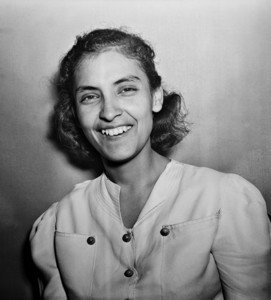
Emma Tenayuca was a labor organizer in Texas who is best known for leading a strike of pecan shellers in 1938. Workers called her “La Pasionaria“ which means “Passionflower.” From a young age, she survived violence and imprisonment in her quest to help workers get better working conditions and higher wages.
Tenayuca was born on December 21, 1916, and I know all of you December birthday people will identify with her plight – born too close to Christmas, she never got ‘birthday’ presents. Her family was Mexican American, and had lived in Texas for many generations. She was raised by grandparents who were interested in politics, and was also influenced by the speakers in the San Antonio town square. She was brought up with pride in her family and their roots, and she was encouraged to be educated and politically active by her family.
Emma Tenayuca in 1939, photographed for a Personality of the Week article in The San Antonio Light
Tenayuca was arrested for the first time at 16, for protesting alongside striking workers from the Finck Cigar Company. She used her bilingual language skills to help people with their problems and worked with many organizations working towards better pay and better conditions for Mexican-Americans.
One of the most common positions for Mexican-American women in the area was in the pecan industry. Pecan shelling for 6-7 cents a pound was difficult work (the meat of the shell must remain intact) for little pay. Additionally, the process filled the factory rooms with a fine dust that contributed towards tuberculosis.
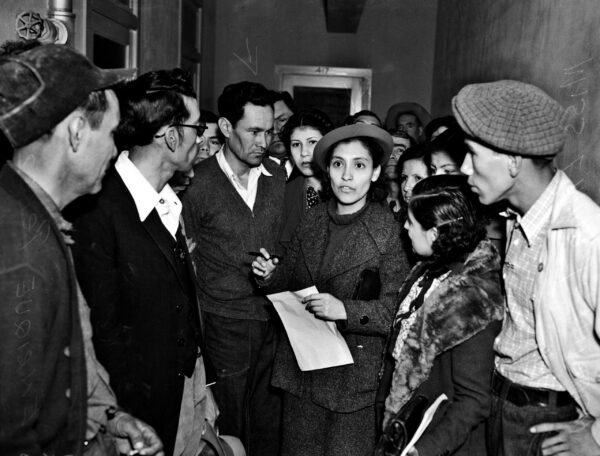
In 1938, the factories cut pay to 3 cents a pound and Tenayuca, who was 21 years old at the time, found herself leading a strike of approximately 12,000 workers. The strike faced violent opposition, as detailed in the article “Remembering Emma Tenayuca:”
When Pecan production ground to a halt, the owners fought back: Tenayuca and hundreds of strikers were gassed and arrested by San Antonio police. Some were beaten as well. With the NWA rallying community support, the strike turned into a city-wide uprising of the poorest and most oppressed people in San Antonio.
Thirty-seven days after the strike began the pecan producers agreed to arbitration. A few weeks later, the workers had won a wage increase to seven or eight cents per pound.
Tenayuca faced opposition as a woman, as a Mexican-American, as a labor organizer, and as a member of the Communist Party (she left the Party in 1946). From Americans Who Tell the Truth:
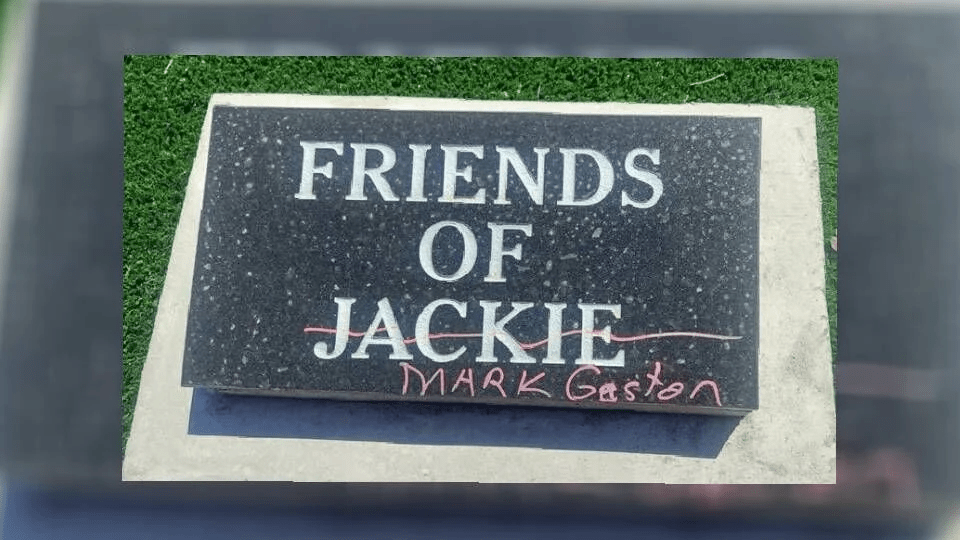
WICHITA, Kan. (KAKE) — Trash littered the Jackie Robinson Pavilion Sunday morning; a plaque with the words ‘FRIENDS OF JACKIE’ had the name ‘Jackie’ crossed out in pink marker — ‘Mark Goston’ written underneath.
“This kind of stuff is always upsetting, no matter where it happens, but it’s particularly annoying when it affects League 42,” the league wrote in a Facebook post. “We have worked hard to improve these facilities from when we started 13 years ago. And there is no comparison.”
This isn’t the first time a League 42 baseball facility has been vandalized. In 2024, Wichita police arrested 45-year-old Ricky Alderete in connection with the theft and burning of a statue of Jackie Robinson in McAdams Park.
The statue was donated to the non-profit baseball group League 42 in 2021. Soon after the theft, the founder and executive director of League 42, Bob Lutz, launched a GoFundMe campaign to raise funds to replace the statue.
The youth baseball league said it received a $100,000 gift from Major League Baseball to replace a statue of Jackie Robinson. The GoFundMe raised a total of $194,780.
After six months without the statue, a new Jackie Robinson statue was unveiled in August 2024.
Now, in light of the recent vandalism at the pavilion, the league is working with the City of Wichita and District 1 councilman Joseph Shepard, according to a Facebook post.
“… we will be discussing ways to combat this nonsense,” League 42 wrote. “I don’t understand why people can’t just leave things alone. We want to share our facilities, and we believe the Jackie Robinson Pavilion is a destination spot for Wichitans and for visitors to our city. But when our citizens do this kind of damage, what are we really showing off?”
KAKE crews have confirmed the trash has been cleaned.