For PRIDE: Accomplished Yet Obscure Queer People In History

Bayard Rustin

(1912–1987)

Bayard Rustin (1912–1987) was a human rights activist known for his work during the Civil Rights Movement

Rustin was a key organizer of the 1963 March on Washington for Jobs and Freedom and was one of Martin Luther King Jr.’s closest advisors, especially on techniques of nonviolent resistance. Rustin was extremely active in the Congress of Racial Equality (CORE) and helped to create the Southern Christian Leadership Conference (SCLC). 

Early in his career, he was arrested for “moral cause” which led to his outing to the public. However, once outed, Rustin was completely open about his sexuality and was never ashamed. Criticism and discrimination over his sexuality led Rustin to have a more background role in the Civil Rights Movement. He never wanted his sexuality to have a negative effect on the Movement, which is often the reason that Rustin’s efforts are not widely known. (snip-MORE)


Bayard Rustin: A Gay Man in the Civil Rights Movement.

Bayard Rustin was an American leader in social movements for civil rights, socialism, pacifism and non-violence, and gay rights.
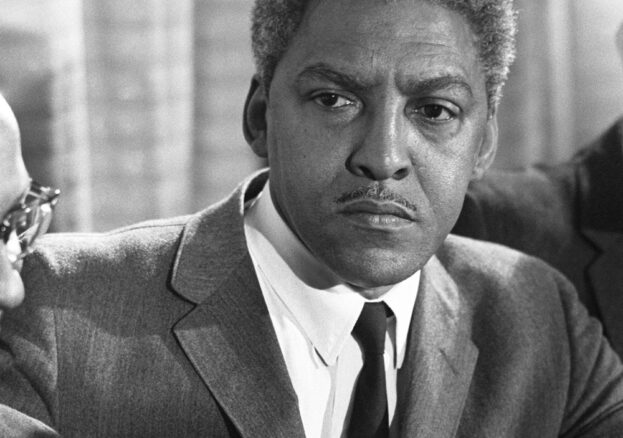
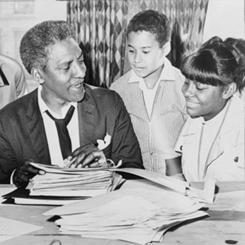
2HKJNR6 Bayard Rustin (1912-1987), American civil rights activist, attending Walter Reuther Press Conference, Warren K. Leffler, US News & World Report Magazine Collection, March 17, 1965

Bayard Rustin was an unsung hero whose indomitable spirit and relentless dedication carved a pivotal path in the American civil rights movement. Despite the shadows cast by prejudice and political adversity, Rustin’s life radiated with a fervent commitment to justice, equality, and nonviolence. His story is one of courage, resilience, and unwavering passion for the principles he held dear.

A Foundation of Activism

Born on March 17, 1912, in West Chester, Pennsylvania, Rustin was nurtured in a household steeped in activism and moral conviction. Raised by his Quaker grandparents, particularly his grandmother, Julia Rustin, a dedicated member of the NAACP, he absorbed the values of equality and social justice from an early age. This upbringing ignited a spark within him that would blaze throughout his lifetime.

Rustin’s early education at Wilberforce University and Cheyney State Teachers College further fueled his activist spirit. Though he did not complete his degree, these institutions were fertile ground for his burgeoning political consciousness. His move to Harlem in 1936 immersed him in the heart of African-American culture and political activism, setting the stage for his life’s work.

The Power of Nonviolence

Rustin’s commitment to nonviolence was both a strategic choice and a deeply held belief. His association with the Fellowship of Reconciliation (FOR), a pacifist organisation, was pivotal. Under the mentorship of A. J. Muste, Rustin honed his skills in civil disobedience and nonviolent resistance, becoming a leading voice in the fight against racial injustice.

In 1947, Rustin co-organised the Journey of Reconciliation, a courageous precursor to the Freedom Rides of the 1960s. This daring initiative aimed to dismantle segregation on interstate buses through direct action. Facing arrests and brutality, Rustin’s unwavering resolve demonstrated the transformative power of nonviolent protest and set a powerful precedent for future civil rights campaigns.

A Strategic Visionary

Rustin’s encounter with Martin Luther King Jr. during the Montgomery Bus Boycott marked a turning point in the civil rights movement. Recognising King’s potential, Rustin became a crucial advisor, infusing the movement with his vast experience and strategic acumen. His efforts were instrumental in the formation of the Southern Christian Leadership Conference (SCLC) in 1957, strengthening the infrastructure of the civil rights struggle.

Rustin’s strategic brilliance shone through his emphasis on Gandhian principles of nonviolence. He played a key role in guiding King towards these philosophies, ensuring that nonviolent resistance remained at the heart of the movement. Rustin’s behind-the-scenes influence was a driving force that propelled the civil rights movement forward, even amidst escalating tensions and opposition.

The March on Washington (snip-MORE)


Bayard Rustin

1912-1987

Bayard Rustin was a black Civil Rights activist, a close associate of Martin Luther King, and an advocate of gay and lesbian rights, and a Quaker.

Rustin was born in West Chester, Pennsylvania and was brought up by his grandmother, who had been raised as a Quaker.  He himself became a Quaker in 1936, shortly before moving to New York where he lived most of his adult life.  He was a pacifist and a primary influence in bringing non-violent resistance into the American Civil Rights Movement, much inspired by Gandhi’s approach in India.

In 1941, he joined the pacifist Fellowship of Reconciliation.  He protested against segregation within the armed forces, and worked with the American Friends Service Committee to protect the property of interned Japanese Americans.

Despite his membership of the Society of Friends (one of the so-called ‘Historic Peace Churches’), Rustin was jailed in 1944 for his conscientious objection to cooperating with the draft.  While in jail, he organised protests against segregated seating in the dining hall.  In a letter to the prison warden, he wrote:

Both morally and practically, segregation is to me a basic injustice. Since I believe it to be so, I must attempt to remove it. There are three ways in which one can deal with an injustice. (a) One can accept it without protest. (b) On can seek to avoid it. (c) One can resist the injustice non-violently. To accept it is to perpetuate it.

After the War, he took part in the Journey of Reconciliation across four southern States, to protest against illegal segregation in inter-state travel.  He was arrested, along with his fellow protestors, several times in the course of the journey and in North Carolina was sentenced to thirty days on a chain gang.  The protest became a model for future ‘Freedom Rides’.

In 1956, he was asked to advise Martin Luther King on the application of non-violent resistance to the boycott of public transport in Montgomery, Alabama.   In August 1963, Rustin had the mammoth task of organising the March on Washington for Jobs and Freedom – a rally attended by twenty thousand people that culminated in King’s ‘I have a dream’ speech.   In 1968, shortly before King’s assassination, he drafted the ‘Economic Bill of Rights’ which called for – among other things – a meaningful job and a living wage for people of all colours.

Rustin’s concern for Human Rights was never confined to black Americans.  In the 1940s and 50s, He supported independence movements in India, Ghana and Nigeria. In the 1970s and 1980s, Rustin became an election and human rights observer in countries like Chile, El Salvador, Grenada, Haiti, Poland, and Zimbabwe. As Vice Chairman of the International Rescue Committee he participated in the international March for Survival on the Thai-Cambodian border and helped raise awareness of the plight of the Vietnamese boat people.  He was Co-Chairman of the Citizens Commission on Indochinese Refugees and helped found the National Emergency Coalition for Haitian Refugees.

Rustin was an openly gay man who had once been arrested for public indecency at a time when homosexuality was illegal in all US states.  This fact was used against him more than once and contributed to his relatively low profile in the Civil Rights movement.  However, in the 1970s and 80s he wrote a number of essays which drew parallels between the black civil rights movement and the gay liberation movement.  In 1986, Rustin wrote:

Today, blacks are no longer the litmus paper or the barometer of social change. Blacks are in every segment of society and there are laws that help to protect them from racial discrimination… It is in this sense that gay people are the new barometer for social change… The question of social change should be framed with the most vulnerable group in mind: gay people.

Rustin fell ill during a human rights expedition to Haiti in 1987 and died shortly after from a perforated appendix.

His life was documented in the film Brother Outsider.

His collected writings were published in A Time On Two Crosses.

Republican Ghoul Wants “Proof” Children Killed By Israel’s Bombs Are Innocent

A Republican wearing an IDF pin is defending Israel’s genocide and invasion of Lebanon.   He believes anything Israel does is OK, including attacking another country, killing its people, all to steal that country’s land.  Same thing Russia is doing to Ukraine that the US tried to stop.  Yet some members of our government / congress are bought and owned by Israel’s government.  Hugs 

Political cartoons / memes / and news I want to share. 6-10-2026

image


Image from What Are You Really Afraid Of?


#quiltbag+ from Sleepy Demon's Cavalcade of Stuff


#mike luckovich from Saywhat Politics


#anarchism from NO BORDERS NO NATIONS

Image from What Are You Really Afraid Of?


Image from What Are You Really Afraid Of?

#New York City from What Are You Really Afraid Of?


image


#equality from What Are You Really Afraid Of?


Image from Carpe diem


#White House from Republicans Are Domestic Terrorists


#magats from Sleepy Demon's Cavalcade of Stuff


Image from What Are You Really Afraid Of?


Image from What Are You Really Afraid Of?


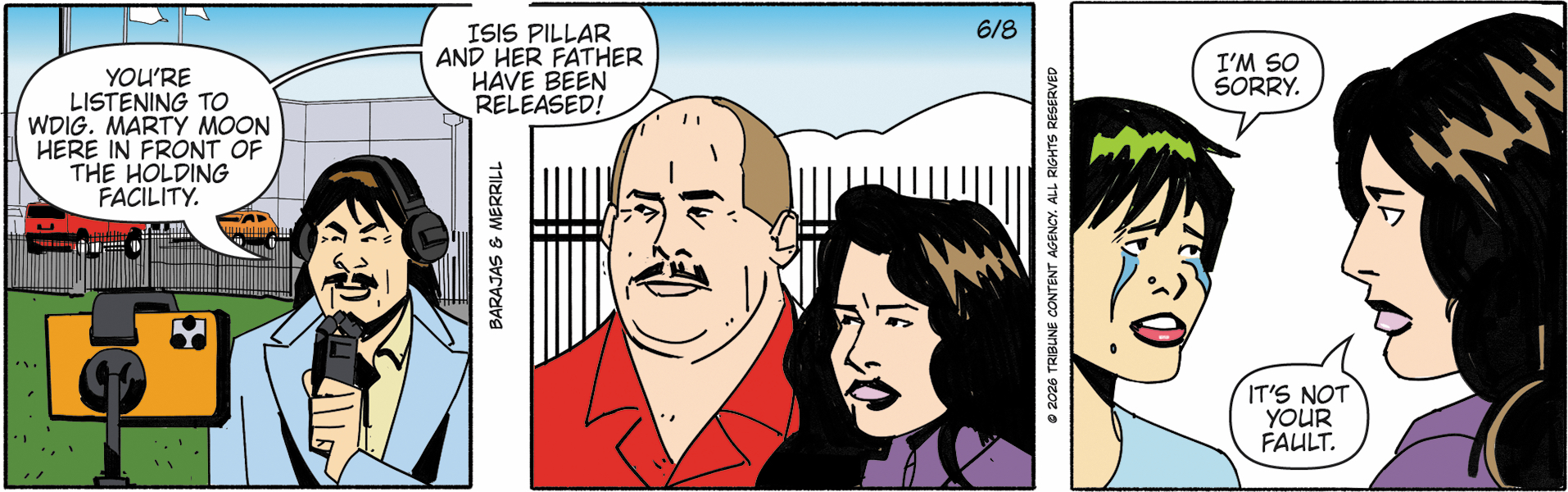
Isis, a Mudlark student-athlete, was taken by ICE earlier this year, and she’s now being released after much protest by fellow students, and this big local news story with national implications is being covered by … local podcaster Marty Moon, using the same iPhone camera streaming setup he uses to comment on high school golf? Honestly, I’ve never been more concerned about the health of the Milford media ecosystem.


#reddit from Sleepy Demon's Cavalcade of Stuff


So, I Wonder Who’s Supposed To Suck It Up To Support This Guy?

When there’s a decent though old Democrat in the race. I remember when Trent Lott resigned after what he said about how things would have been better under President Thurmond. IMEO, Moulton should drop out now, rather than wreck the race and elect a Republican. When there is oppo information, people should heed it before the primary

Video Shows Democratic MA Rep. Seth Moulton Booed At Boston Pride Over Transphobic Comments

“You can’t come here and act like you support our community when you’re blaming our kids for losing the election.”

s. baum

After Representative Seth Moulton’s transphobic comments in 2024, he’s had a rocky relationship with his LGBTQ constituents. So on June 6, when he and a contingent of his supporters marched in the Boston Pride parade, he received a classic Massachusetts reception: direct confrontation.

Multiple videos circulating on social media show the Congressman being booed along the parade route as he otherwise flashed a smile and waved to constituents. The Democrat is retiring from Massachusetts’ sixth congressional district to run for Senate, challenging iencumbent and reliable trans ally Senator Ed Markey. Moulton drew ire after he called transgender girls “male,” legitimized GOP narratives about trans athletes, and then doubled down on it, griping about identity politics as queer Americans faced increasing political violence.

(snip-embedded Blue Sky; click the title above to go see)

Parade-goers called out Moulton, as seen in a video posted to Bluesky. Aidan Kohn-Murphy, a 22-year-old recent Harvard graduate and progressive content creator, who told Erin in the Morning he took that video, said there was a large group booing Moulton all along the parade route. Detractors can be heard yelling “Transphobe!” and “Trans lives matter!” In another clip posted to Reddit, Bostonians shouted, “Shame on you!”

Moulton’s campaign office did not immediately respond to a request for comment on the incident.

Kohn-Murphy said he was moved to voice his discontent due to Moulton’s repeated comments belittling the trans community and scapegoating trans youth over Democrats’ loss in the 2024 election. “There’s no queer community without trans people,” Kohn-Murphy said. “Trans people have constantly led the way in our movement and in the path towards queer liberation.”

Moulton apparently doesn’t quite see it that way. “Democrats spend way too much time trying not to offend anyone rather than being brutally honest about the challenges many Americans face,” Moulton told The New York Times in November 2024. “I have two little girls. I don’t want them getting run over by a male or formerly male athlete. But as a Democrat, I’m supposed to be afraid to say that.”

There is zero evidence to suggest that including transgender girls in women’s sports leads to an increase in athletics-related injuries. LGBTQ community leaders were swift to denounce Moulton’s assertions. “Referring to transgender athletes as ‘male or formerly male,’ the Congressman’s remarks were both harmful and factually inaccurate,” a press release from Mass Equality, a state LGBTQ rights organization, said. “These statements contribute to the ongoing stigmatization of transgender people.”

Other Democrats had also called out his behavior at the time. A top aide of his resigned. Hundreds gathered outside his office in protest. Governor Maura Healey and Rep. Ayanna Pressley condemned his position. “It’s important in this moment that we not pick on particularly vulnerable children,” Healey told reporters. “That’s what I’ve been disappointed in seeing.”

Moulton inflamed the situation further in his comments to WGBH, where he seemed to call trans inclusion “weird.”

“I mean, here we are accusing Republicans of being weird, and we’re the ones who are suddenly requiring people to put pronouns in their email signatures,” Moulton said.

“I mean, that’s kind of weird, to be honest. You know, we went through the whole gay rights movement. We went through the whole Civil Rights Movement. We never had to say, you know, ‘Seth Moulton: Straight’ or ‘Seth Moulton: White.’ And all of a sudden, we have to change all our values to meet the needs or demands of one very small minority group.”

Parade attendee Monica Reina-Gonzalez simply wasn’t having it. “You can’t come here and act like you support our community when you’re blaming our kids for losing the election,” Reina-Gonzalez told The Boston Globe.

In a statement from March 2025, Moulton seemingly tried to cool the temperature. “Transgender individuals, in particular, have faced significant adversity, experiencing discrimination, hate crimes, attempts to limit bodily autonomy, and worsened mental health as a result,” he wrote. He further cited his own voting record in favor of protecting transgender Americans, including some trans athletes.
For example, Moulton did indeed cosponsor the Equality Act, which would explicitly include LGBTQ+ people as a protected class under the Civil Rights Act. He also rejected Congress’ proposed Protection of Women and Girls in Sports Act under the Trump regime. “Younger kids who simply want to play recreational sports and build camaraderie like everybody else should not be targeted by the federal government,” Moulton wrote.

At the same time, he lamented that “too many Democrats are afraid that they will be attacked for even entertaining meaningful dialogue and debate around contentious issues” like gendered athlete policies. But as transgender lawmakers find themselves silenced in their respective governing bodies, bombarded with violent threats and rhetoric, and banned from using the bathroom in their place of work by the very colleagues they must legislate alongside, many found his self-proclaimed martyrdom superficial.
“He’s a politician who does not have any concrete value system,” Kohn-Murphy said. “I think if he’s willing to throw some of the most vulnerable in our community under the bus, then he cannot be trusted.”

It’s the second time Moulton has been booed at a progressive event; he was met with jeers at a No Kings rally this past October.

Earlier today, Bay State Stonewall Democrats—a contingent of LGBT Democratic voters in the state—endorsed Moulton’s opponent, Senator Ed Markey, for the September primaries.

“From the Transgender Bill of Rights to the Transgender Health Care Access Act to the Elder Pride Act, he has spent decades fighting to protect LGBTQ+ lives,” a post from the organization said of Markey.

“And when things got tough politically, he didn’t throw trans people under the bus to score points with skeptical voters,” the endorsement continued. “At a moment when our rights are under serious attack, the Bay State Stonewall Democrats stand with the candidate who stood up for us and won’t sell us out for political expediency.”

A Redux Post For PRIDE

A Reason For PRIDE:

The Oral Histories of the AIDS Crisis

The voices of artists and activists illuminate the human experience behind the AIDS epidemic.

From a photograph of David Wojnarowicz’s audio cassette tapes, 1987-89 and undated in Voice=Survival, 2017 via JSTOR

By: Liz Tracey 

When approaching recent historical events, where the scope of destruction and loss can be unfathomable in scale, oral history can bring both connection and immediacy through individual stories of loss, grief, rescue, or triumph that would otherwise disappear in the grand sweep of “Great Men and their Deeds.”

Scholar Indira Chowdhury describes the approach:

[T]he method enables the documentation of certain aspects of historical experience that are often missing from other kinds of historical sources. Oral historians not only interview and engage in conversation with living sources, they also find themselves challenged in a unique way—the historian is transformed into a protagonist in the dialogue. Oral history is perhaps the only field where the sources talk back to the historian, confronting, disputing, disrupting, and sometimes resisting the historian’s understanding of the past (Frisch 1990; Shopes 2012). Oral history works with the interviewee as a partner in dialogue and the verbal form historical truth can take is always co-constructed (Cook and Goodall 2013; Goodall and Cadzow 2009; Portelli 1991).

Some of the most effective (and affecting) projects using this approach concern communities that may be far outside of the audience’s experience, whether due to time, geography, or identity. Works like Shoah by Claude Lanzmann, Hard Times by Studs Terkel, and Boots of Leather, Slippers of Gold by Elizabeth Lapovsky Kennedy document their subjects through the voices of those who lived through specific moments and events that can be overwhelming or remain unknown without a more interpersonal method.

“Many of the best works about this disease have been produced by people at various stages of HIV infection.”

The history of the HIV/AIDS epidemic has recently become the subject of numerous oral history projects, where the stories of survivors, caregivers, activists, and health care professionals have been collected and made available online, traditionally published, and edited into documentaries.

One such collection, Visual Arts and the AIDS Epidemic, was begun in 2015 by the Smithsonian Archives of American Art after receiving a grant from The Keith Haring Foundation. Haring founded the foundation in 1989, a year before his death from HIV-related illness, to maintain his artistic and philanthropic legacy. The project interviewed forty artists about their lives, their work, and how the AIDS crisis intersected and permeated both.

The interviews in the Visual Arts and the AIDS Epidemic collection cover wide ranges of personal and creative history, ranging from insider gossip and “name-dropping” to theoretical discussions of method and art history. They benefit from interviewers who bring their own experience as artists, art scholars, and historians to the conversation, with questions and insights that make this collection a rich multifaceted history of AIDS, the arts, and activism.

In his 1990 article, journalist Richard Goldstein wrote about the deep relationship between art about AIDS and its creators. “One senses in much art about AIDS a sense of familiarity with its subject,” Goldstein writes,

as if the artist were immersed in dealing with the epidemic—as so many are. Many of the best works about this disease have been produced by people at various stages of HIV infection. Perhaps they have lost a lover, nursed a dear friend, or attended a dozen funerals at a young age, and feel themselves to be, in every sense, set apart by the experience. They are implicated. Their art signifies a collective trauma—mass death in the midst of life.

Reveal Digital, an initiative “to amplify important, long-overlooked voices of the twentieth century,” has made these histories, and more, available in their developing open access collection HIV, AIDS and the Arts. 

Artists in The Early Years of the Epidemic

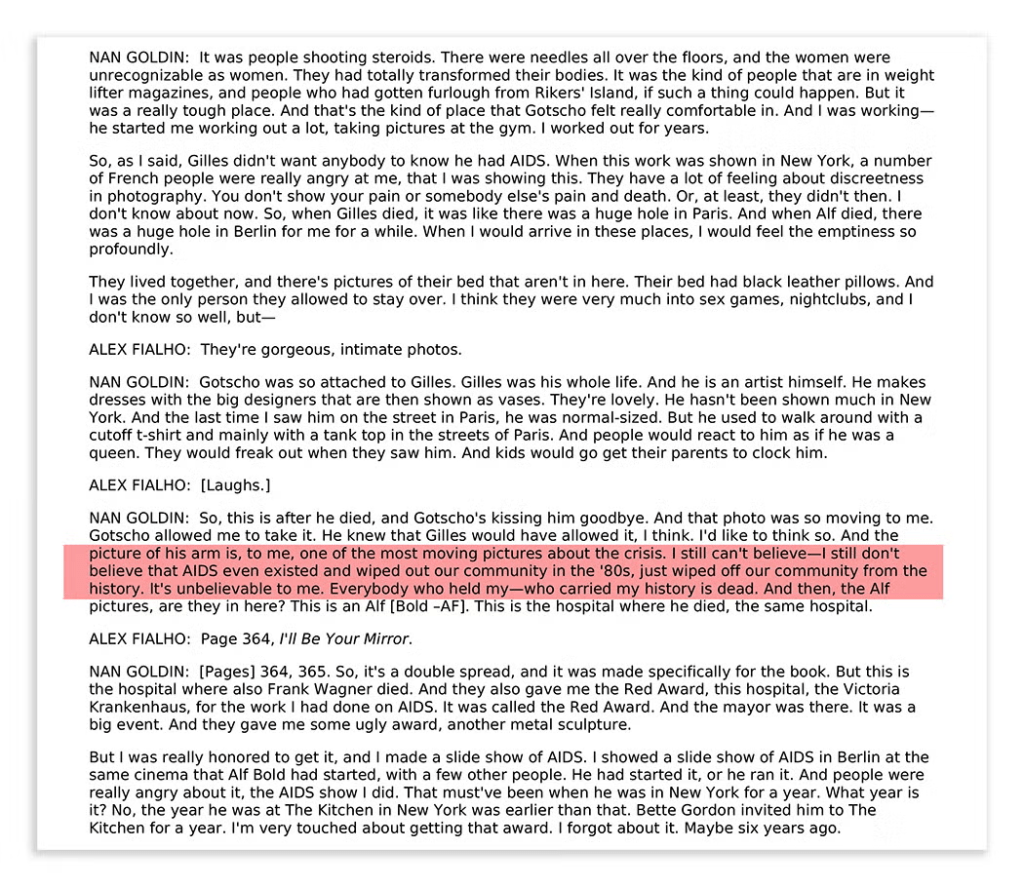
“I still can’t believe—I still don’t believe that AIDS even existed and wiped out our community in the ’80s, just wiped off our community from the history. It’s unbelievable to me. Everybody who held my—who carried my history is dead.” —Nan Goldin

The initial public responses by the US government to the first years of the epidemic were jokes at the expense of the ill at press conferences. President Reagan didn’t publicly say the word “AIDS” until 1985, four years after the first reported cases and two months after family friend Rock Hudson died of AIDS-related complications. That same year, Ryan White, a hemophiliac teenager with AIDS in Indiana, was prevented from returning to school after his diagnosis, and his family had to move after someone shot into their home.

One year later, William F. Buckley published a New York Times op-ed calling for HIV-positive people to be tattooed on the upper arm and buttocks to protect others (assuming that would protect both future sexual partners and intravenous drug users who might share needles).  News reports about the disease largely focused on fear of contagion, the promiscuity and danger of gay men, and the threat of HIV to “normal” Americans.

Information about treatments for the many opportunistic infections that HIV made people vulnerable to was gathered in the early years by those under threat. Newsletters like “AIDS Treatment News” were photocopied and sold at LGBTQ bookstores, and buyers clubs imported potential treatments not yet approved by the Food and Drug Administration or available in the US. These groups and others, working with health care providers, had to become experts and educators at a time when US Congress was successfully prohibiting the use of funding from the Centers for Disease Control for education and prevention materials that would “promote or encourage, directly or indirectly, homosexual activities.”

In the interviews gathered in the Visual Arts and the AIDS Epidemic collection, artists describe how they first became aware of AIDS: from a loved one diagnosed after an illness; from hearing of a friend’s passing after not seeing them for a while; from a doctor telling them to stay with a partner because “there’s something going around”; or by learning of their own diagnosis. Friends were lost to the disease, and surviving family members denied the illness or sometimes actively excluded partners from funerals.

(To Read More Of These Pages Following, Click Through To The Article, Then Click On The Page Images.)

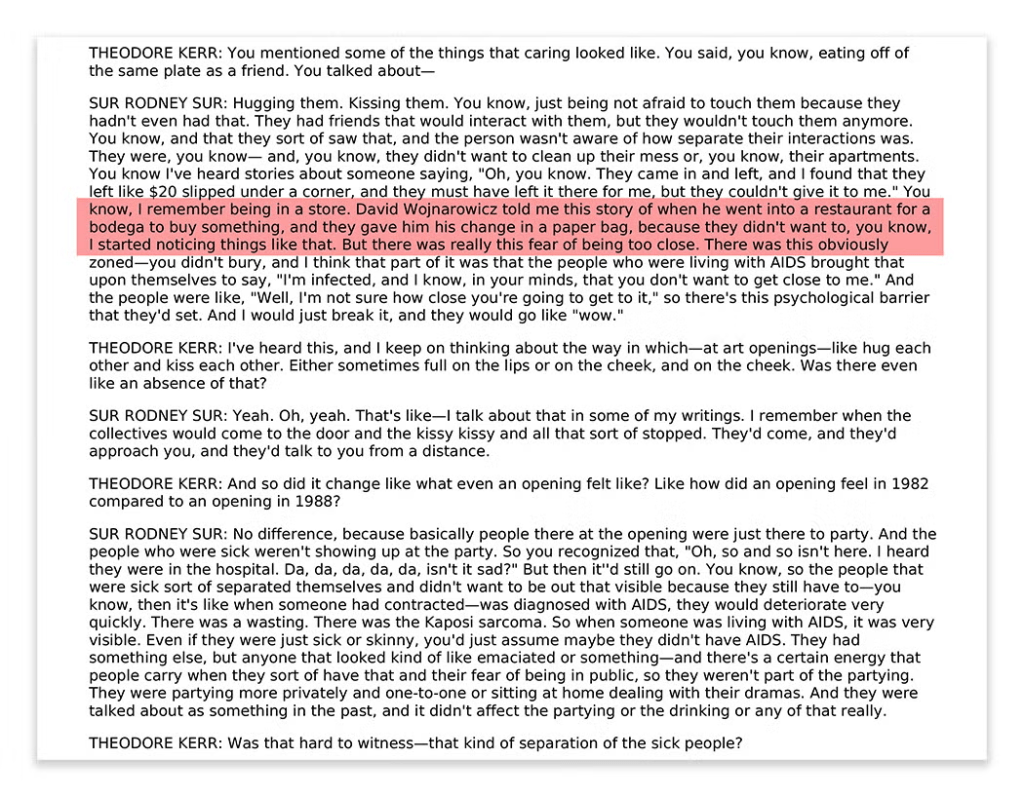
Sur Rodney (Sur), a New York City-based writer, gallery co-director, and archivist, relates that the late artist David Wojnarowicz would go to his local bodega in New York City where the clerks returned his change in a paper bag, out of fear. He describes his own anxieties when stepping in after a friend’s death to help save and archive their artworks and collections so they wouldn’t be destroyed (before there were nonprofit organizations to do so).

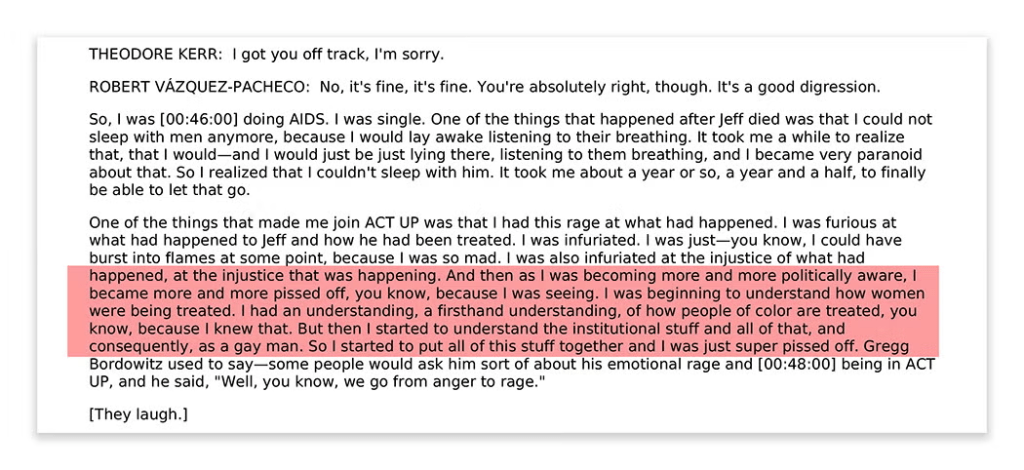
These personal experiences unfolded within the larger context of governmental indifference, active discrimination against people with the disease (or belonging to groups that were deemed “at risk”), and a growing consciousness of the political landscape of the epidemic. Robert Vasquez-Pacheco, a member of ACT UP and Gran Fury, recounts,

as I was becoming more and more politically aware, I became more and more pissed off, you know, because I was seeing. I was beginning to understand how women were being treated. I had an understanding, a firsthand understanding, of how people of color are treated, you know, because I knew that. But then I started to understand the institutional stuff and all of that, and consequently, as a gay man. So I started to put all of this stuff together and I was just super pissed off.

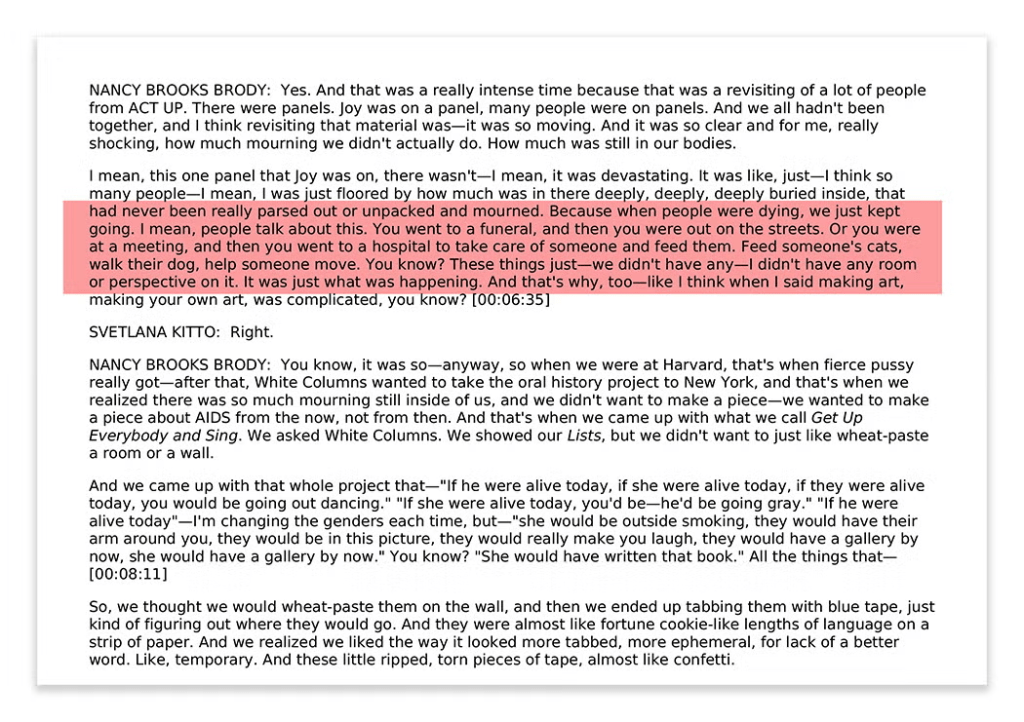
Some version of this process, repeated for many of the subjects, led people to activism, whether through art, volunteer work, protest, or sometimes all three. Nancy Brooks Brody (1962-2023), a visual artist and member of the fierce pussy collective, describes the progression in her interview.“Because when people were dying,” she explains,

we just kept going. […] You went to a funeral, and then you were out on the streets. Or you were at a meeting, and then you went to a hospital to take care of someone and feed them. Feed someone’s cats, walk their dog, help someone move. You know? These things just—we didn’t have any—I didn’t have any room or perspective on it. It was just what was happening.

The meetings she, and others, refer to were those of ACT UP New York (The AIDS Coalition to Unleash Power), which began in 1987 at a community meeting where Larry Kramer asked, “How long does it take before you get angry and fight back?” Kramer, a playwright and essayist who had been covering AIDS since the beginning through journalism, had co-founded the non-profit Gay Men’s Health Crisis in 1982. His play The Normal Heart, an impassioned call to action, spurred members of the audience to meet and subsequently take part in one of the most significant and effective activist movements of the twentieth century.

Creating Art in an Epidemic

The artistic works of those interviewed are diverse, both in media and approach: photographing people living with AIDS, using détournement to turn existing works into calls to action via graphic design, or using their body to confront audiences with the existence of the disease through performance. In some cases, their illness became an essential component of their art: John Dugdale, a former commercial photographer, began using nineteenth-century methods to capture and produce his work after HIV-related retinitis and a stroke left his sight significantly impaired. Ron Athey, one of the NEA Four, used his own HIV-positive body to create work exploring sex, trauma, and desire. The place of the artist within (or outside) a community could become a contentious issue, especially at a time when representation of people with AIDS was so fraught.

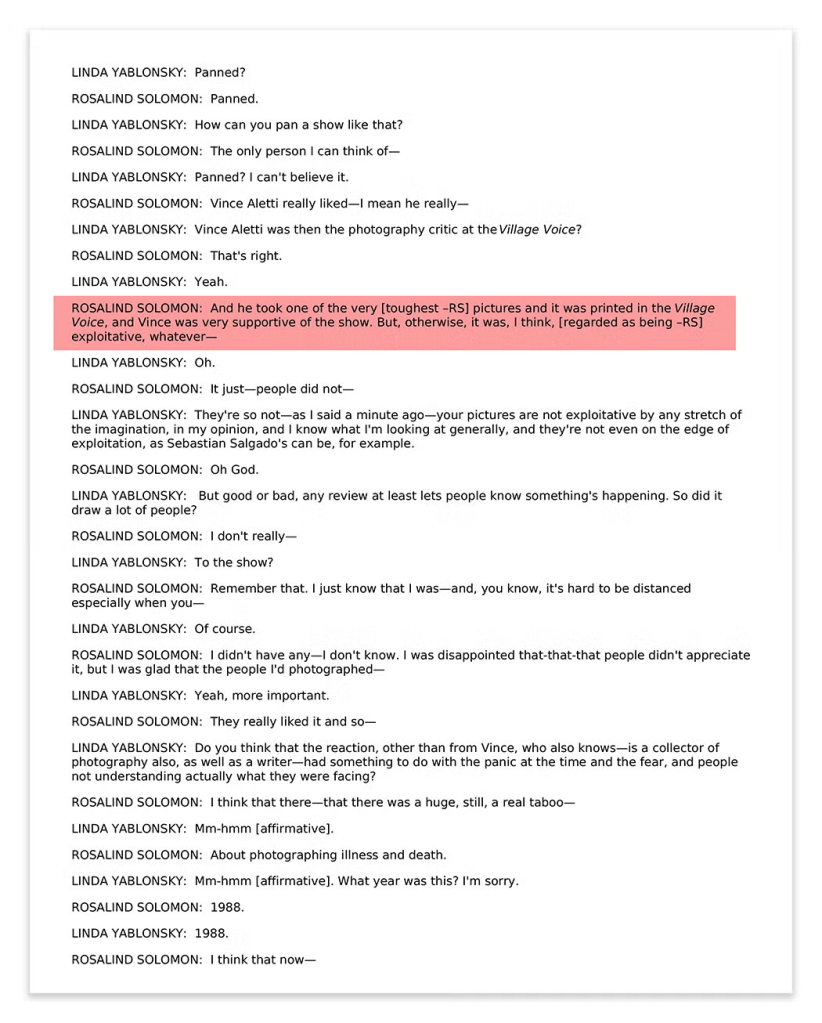
Rosalind Fox Solomon, whose 1988 show Portraits in the Time of AIDS featured photographs of the subject alone or with loved ones, some with visible lesions or in the hospital, relates that her project was critically panned and called “exploitative” at the time.

As another “outsider” to the communities she photographed, Nan Goldin reports that she encountered similar criticism for her exhibition The Ballad of Sexual Dependency, despite her immersion in the cultures she documented. In the book of the collected photographs, she writes, “I’m not crashing; this is my party. This is my family, my history.”

Some of the most vibrant, and now iconic, images of AIDS were created as (and for) protest: Silence = Death, the work of the Silence = Death Collective (and not ACT UP, as Avram Finkelstein relates in his interview) became the primary pictorial representation of ACT UP and a rallying slogan for the fight against the disease. Keith Haring did his own take on it for a poster, adding “Ignorance = Fear” to a “See No Evil, Hear No Evil, Speak No Evil” scene.

Collectives like Gran Fury and fierce pussy, which organized inside the ACT UP activist group, created posters for wheat-pasting that served as art, education, and calls to action around AIDS, homophobia, health care, and visibility. Whether newsprint works of text, guerrilla-installed bus station “ads,” or rolls of stickers of bloody hands announcing “One AIDS Death Every 10 Minutes,” the art of AIDS activism used any means available to communicate the urgency of the crisis.

The Visual Arts and the AIDS Epidemic collection demonstrates the power of oral history to preserve not just historical events, but what it felt like to live in the moment and survive it when so many people did not. Together with Reveal Digital’s HIV, AIDS, and the Arts archive, the collection ensures that these voices, experiences, and creative histories continue to be available to inform and educate future generations.

Have a correction or comment about this article?
Please contact us.

To PRIDE!

LGBTQIA+ Pride Month

June is LGBTQ Pride Month, so JSTOR Daily gathered some of our favorite stories to celebrate. All with free and accessible scholarly research.

 By: The Editors 

June is LGBTQIA+ Pride Month in the United States, so we’ve collected some of our most popular stories on a range of topics—from pronouns to politics—that highlight the history of the LGBTQIA+ community. As always, links to free JSTOR scholarship are included with each of these.


Please visit the page to find numerous articles regarding LGBTQ+ issues, interests, Art, Books, articles, journals, and even more. This is a fabulous resource for claiming and/or reclaiming LGBTQ+ places in our world and time.

Political cartoons / memes / and news I want to share. 6-7-2026


image


Image from What Are You Really Afraid Of?


Image from What Are You Really Afraid Of?


Image from What Are You Really Afraid Of?


Christopher Weyant CagleCartoons.com

Gary McCoy Shiloh, IL


#white people twitter from White People Twitter


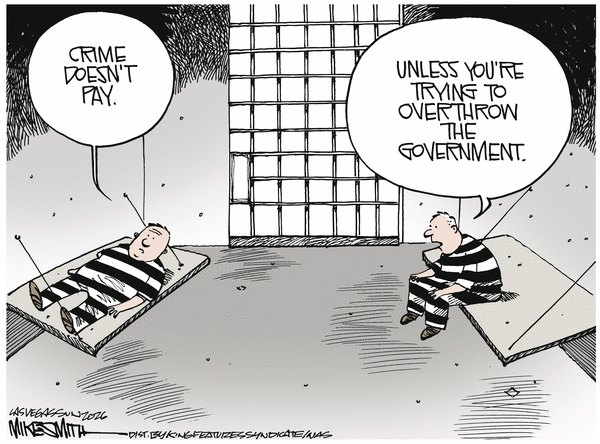
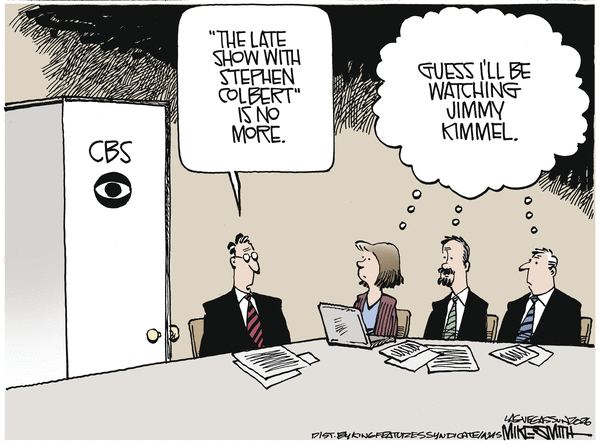
Mike Smith for 5/27/2026


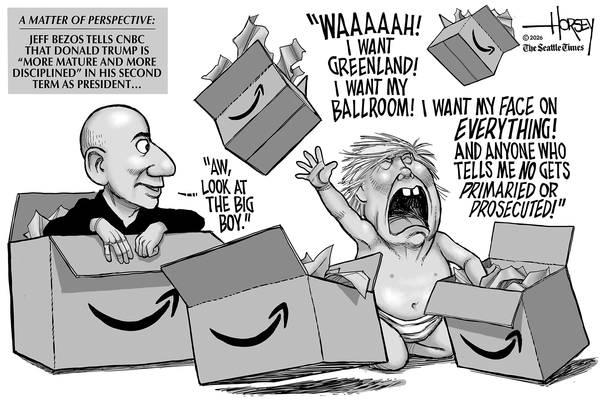
David Horsey for 5/21/2026


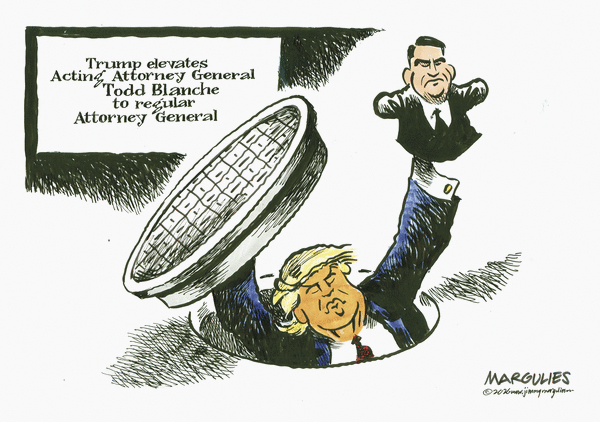
Jimmy Margulies for 6/5/2026


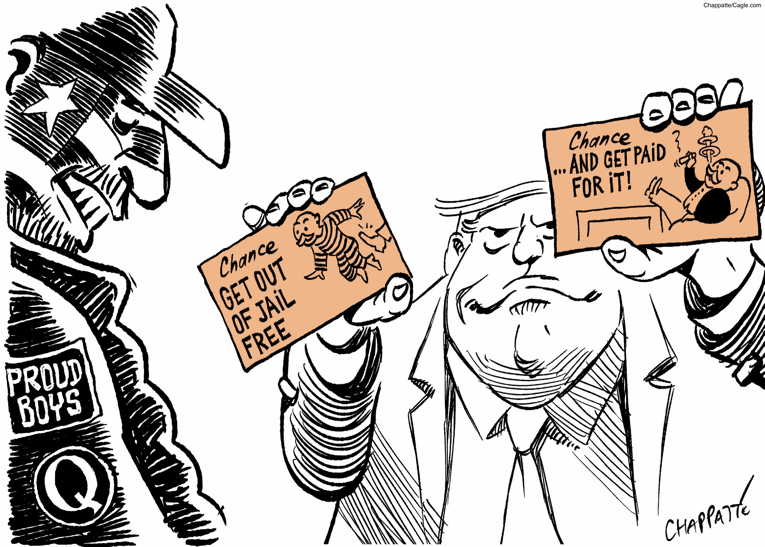
Political/Editorial Cartoon by Patrick Chappatte, International Herald Tribune on Despot Funds Private Army


Mike Smith for 5/21/2026


David Horsey for 5/22/2026


Mike Smith for 5/22/2026


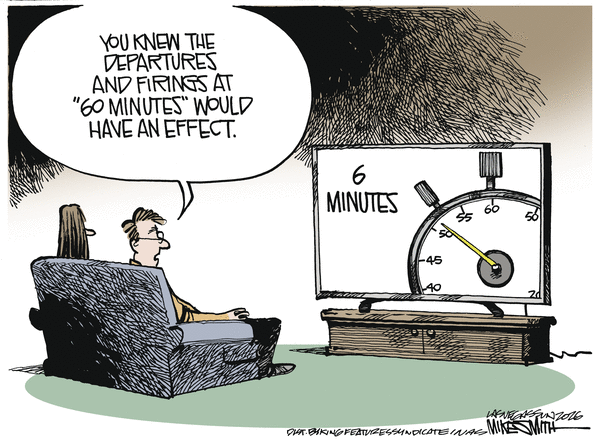
Mike Smith for 6/4/2026

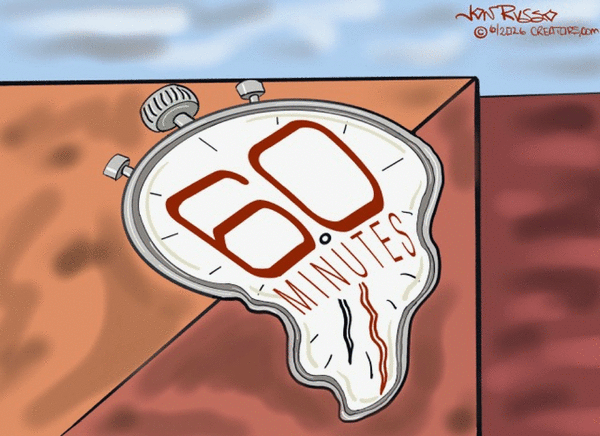
Jon Russo for 6/4/2026


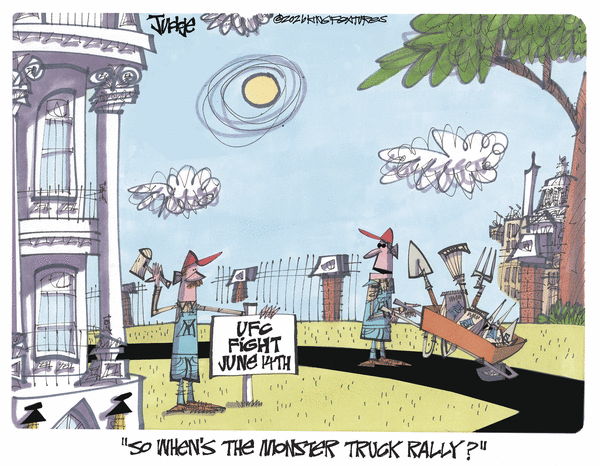
Lee Judge for 6/5/2026


#trump supporters from Saywhat Politics


Image from What Are You Really Afraid Of?


David Horsey for 6/5/2026


#anarchism from Anarchists United


Political/Editorial Cartoon by Matt Wuerker, Politico on Cabinet Shakeup


#anarchism from Anarcho-Communism & Anti-Capitalism


Mike Smith for 6/5/2026


John Branch for 5/18/2026


John Branch for 6/4/2026

John Branch for 5/21/2026


News Anchor: Legislators in Georgia are scrambling to fix their laws after a shocking incident where a man registered to vote on election day. 
"One man has been arrested in connection with the voting."
Cop: We don't know what this psycho wanted. He was pretty much fed up and at the end of his rope and this is what he did. 
Politician: You can just get mad one day, decide to vote, and then raise my taxes. No background check, no waiting period. 
It's CHAOS! And people are going to get hurt!
Crazy Person: Well, I'm not taking this laying down. 
I've purchased all of this since the comic started.


Jon Russo for 6/3/2026


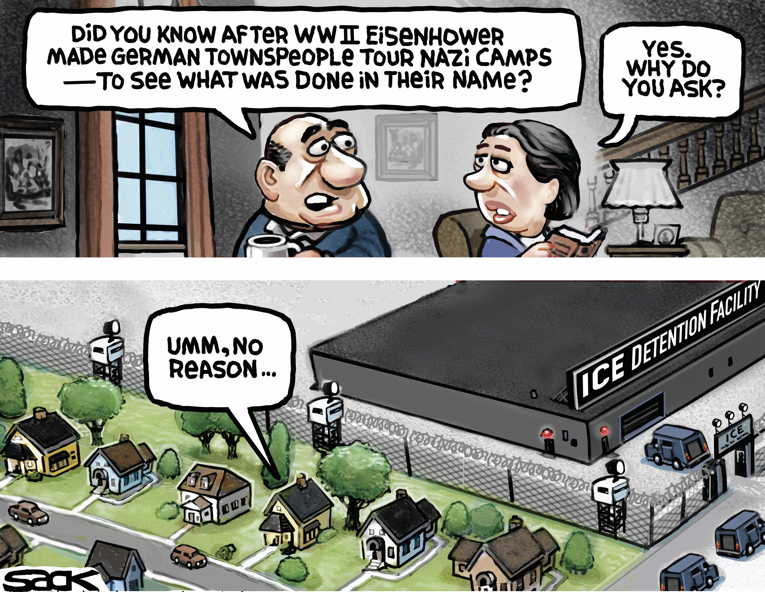
Political/Editorial Cartoon by Steve Sack, Minneapolis Star Tribune on Concentration Camps Expanding


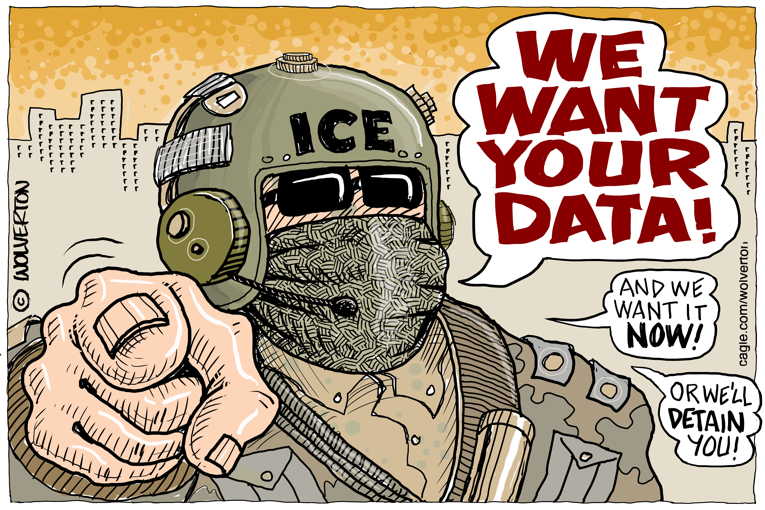
Political/Editorial Cartoon by Monte Wolverton, Cagle Cartoons on Concentration Camps Expanding


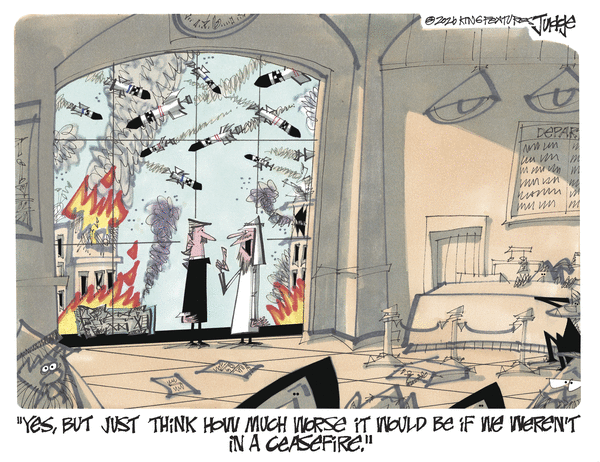
Lee Judge for 6/4/2026


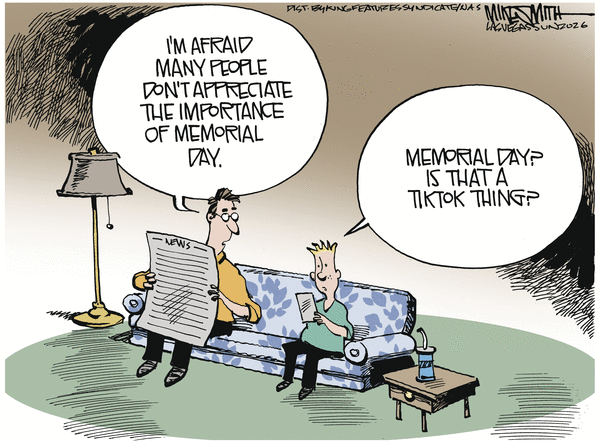
Mike Smith for 5/26/2026


Man: We at Boston Dynamics are proud to introduce DigiDog! The FIRST NYPD robot cop on the streets!
Man: It can run, speak, enter hostile environments AND employ facial recognition! 
Cop #1: This technology sounds a little worrying. 
Man: No, no. This science is ONLY for good. We're never going to arm our puppers or use them to profile, shoot or harass people. 
Cop #1: Oh good> I thought they might steal our jobs. 
Cop #2: Now, can you plant a wittle weapon for me, doggo woggo?
PAT PAT


Jonathan Brown PoliticalCartoons.com


Adam Zyglis The Buffalo News

Manny Francisco Manila, The Phillippines


David Horsey for 5/13/2026


David Horsey for 6/3/2026


What’s Everybody Reading?

I’m still working on “The Forsytes,” and eagerly anticipating beginning my niece’s book, “Reven Across Golden Skies”, but today I bought a book called “When Women Were Dragons,” and I’m really looking forward to that one, too. I might have to start a second book before finishing “The Forsytes” … Anyway, if you’re looking for something, the Smart Ones have a list for June:

June 2026 Queer Romances

by Dahlia Adler · Jun 5, 2026 at 4:00 am · View all 8 comments

Happy Pride Month, one and all! As usual, June is packed to the gills with queer romance, so selecting just five titles felt a nigh impossible task. While I’ve done it, I definitely encourage you to seek out the many more excellent-looking books gracing shelves this month and support as many queer creators as possible!

For the Bride

For the Bride by Becca Grischow

Author: Becca Grischow
Released: June 2, 2026 by Penguin Books
Genre: Contemporary Romance, LGBTQIA, Romance

From the author of I’ll Get Back To You, a sapphic enemies-to-lovers romance that follows a Type-A maid of honor setting out to do the most and a Type-B bridesmaid with her life only just put-together, who must put aside their animosity to plan the wedding of the summer

On the surface, Alice has her life together. She’s got a job in music she loves; she’s firmly sober; and she’s grateful to be back in the good graces of her ex-girlfriend-once-best-friend-now-literal-only-friend Gin. Just in time, too, because Gin’s getting married this summer! And Alice gets to be a bridesmaid.

If only the maid-of-honor wasn’t Renee Type-A, the opposite of her in every way, and a long-time Alice-hater who’s clung to her animosity like a leech. Every second Alice spends around Renee makes her feel like who she used to be, rather than the person she’s spent years trying to make herself into—and she doesn’t want to be reminded of her younger self any more than she wants to be thinking, more constantly than she wants to admit, about her hair, her lips, her wit…. No, Alice has her own stuff to figure out. She still loves music, but her career feels directionless. She’s grieving the loss of her father just a year ago, to alcohol. And then she finds out that her mother’s started to date her father’s ex-bandmate, which sends her reeling…and with the wedding just around the corner, she doesn’t want to bother Gin about any of it.

It’s pure chance that Renee runs into Alice, just when she needs someone the most—and suddenly, everything shifts. Neither of them are what they assumed the other to be. Over the days and nights they’re spending helping Gin throw a DIY summer wedding of epic proportions, Alice and Renee discover that though they have nothing in common—that might be precisely what each of them need. Heartfelt and hopeful, For the Bride is a banter-filled sapphic romance with deep emotional resonance about found family, second chances, and finding love in the unexpected.

Grischow’s sophomore romance revolves around bridal party hijinks, which is already one of my all-time favorite tropes, but this one gave me alllll the feels. Protagonist Alice is still grieving not just the loss of her father but his seeming unwillingness to even try to live for her, and while she herself has reformed from her hard-partying ways, she’s grappling with the visions and memories of her other people can’t seem to shake. It’s a really lovely coming-of-age story alongside a chemistry-filled opposites attract romance, and one of my favorite romantic reads of the year so far. (snip-ordering info on the page)

The Open Era

The Open Era by Edward Schmit

Author: Edward Schmit
Released: June 2, 2026 by Berkley
Genre: Contemporary Romance, LGBTQIA, Romance

Love evens the score between two tennis players in this stunning debut romance.

Recently-turned-pro tennis player Austin Hardy has been out since high school and it’s never been a big deal. That is, until he becomes the first openly gay man to compete in a Grand Slam tournament. Suddenly, being gay is a huge deal, with headlines to prove it.

Unprepared for this new spotlight, Austin’s anxiety disorder hits a breaking point, and he trips and falls at practice. Right next to the very attractive, very talented, and probably straight Diego Cruz, ranked second in the world.

The two professional rivals start a friendship off the court. But between their flirty banter, mixed signals, and looming showdown, Austin is thrown further off his game by Diego.

With the eyes of the world on Austin, the weight of history on his shoulders, and Diego across the net, he must decide whether love means nothing or if it means everything as he battles for the trophy during an electric two weeks at the US Open.

Look, I know everyone’s tired of “If you love Heated Rivalry, check out X,” but hear me out. Sports Romance. Rivals. Secretly getting to know each other and developing a physical attraction. Professional athletes of significant talent facing each other in a major competition. This is a debut that’s earned its comp to the series of the moment while also very much being its own thing, starring an already out tennis player who’s quickly rising in the ranks and being spread out over the considerably shorter time span of the US Open. I was a fan of this one from chapter one, and I’ll definitely be picking up whatever Schmit puts out next. (snip-ordering info on the page, plus More Books!)

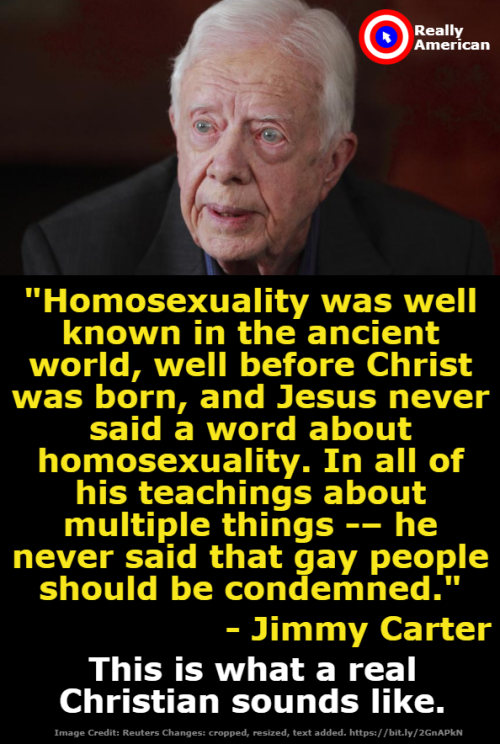
This is how I am going to address ANTI-LGTBQ+ Christians…

I really enjoy how well someone who knows the bible and the meaning of the words of Jesus can turn the bible bashers arguments around on them to show support for the oppressed minorities.  Hugs