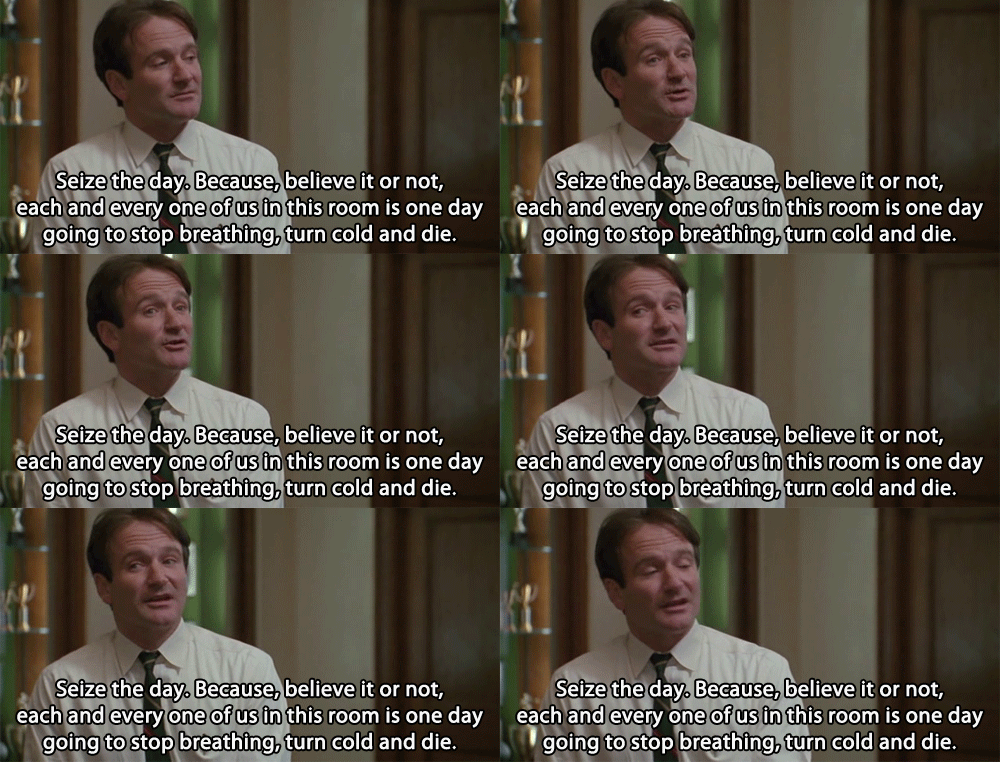
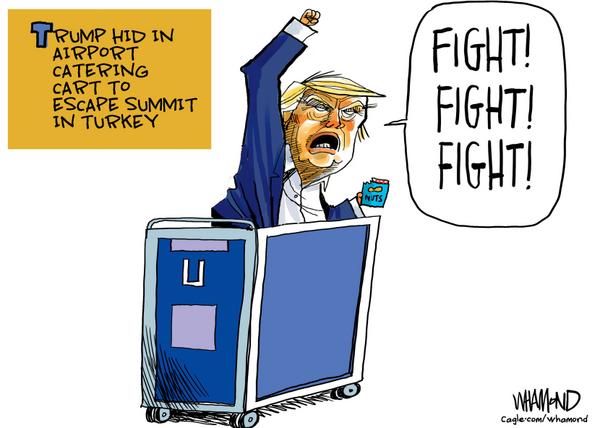
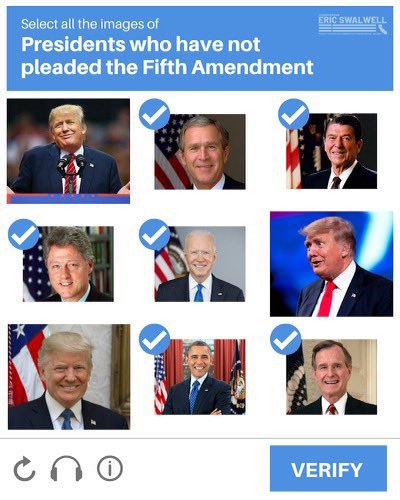
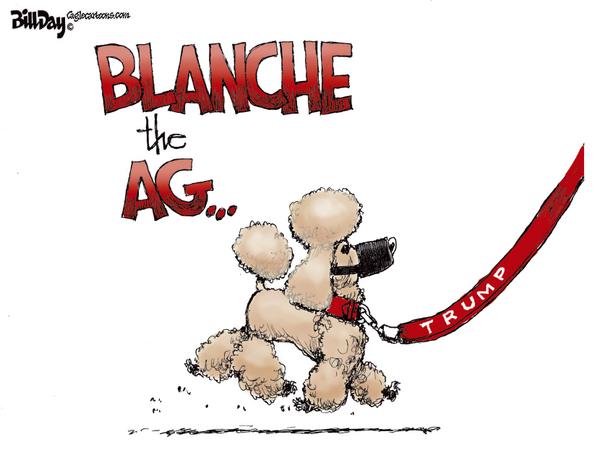
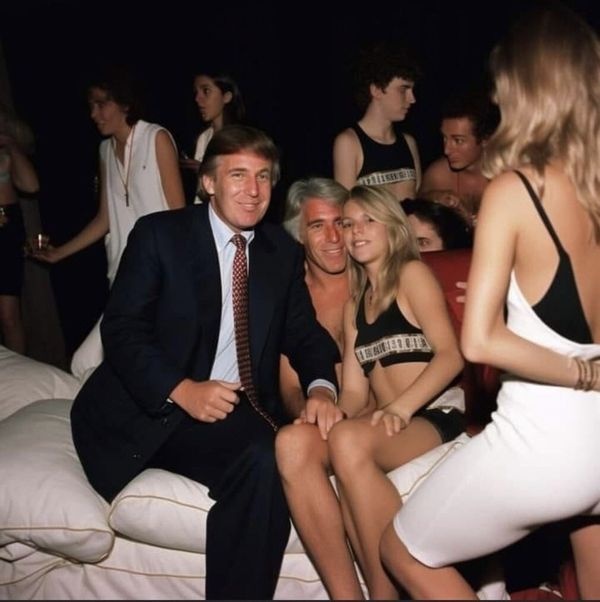
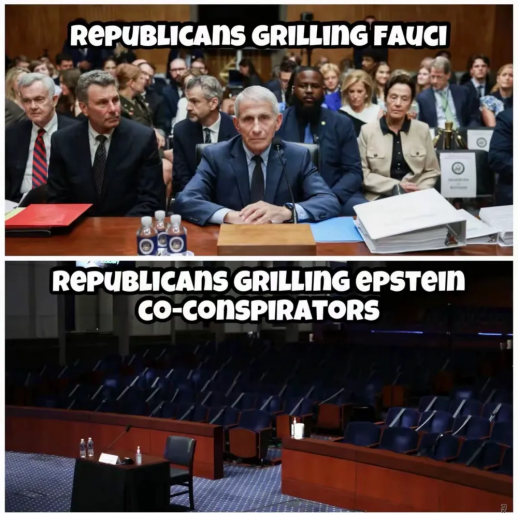
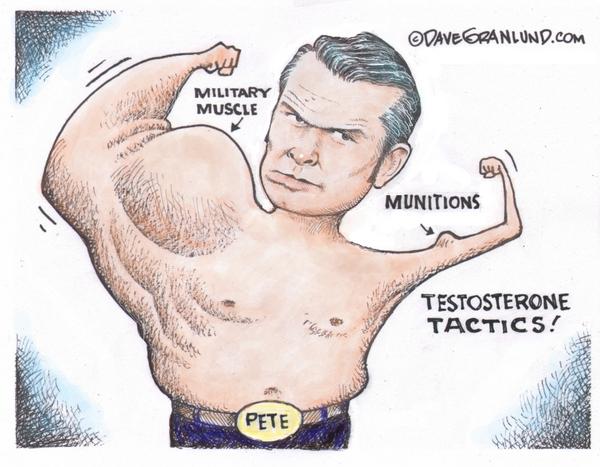
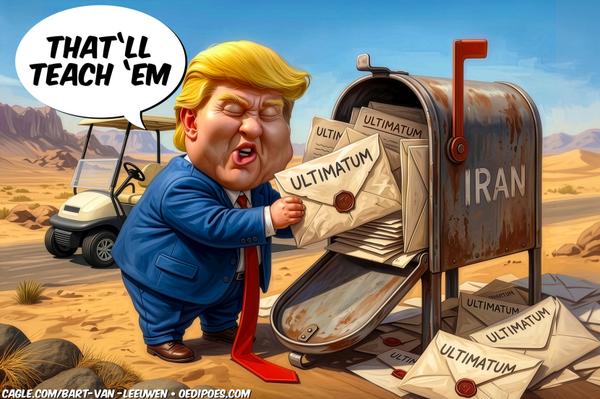
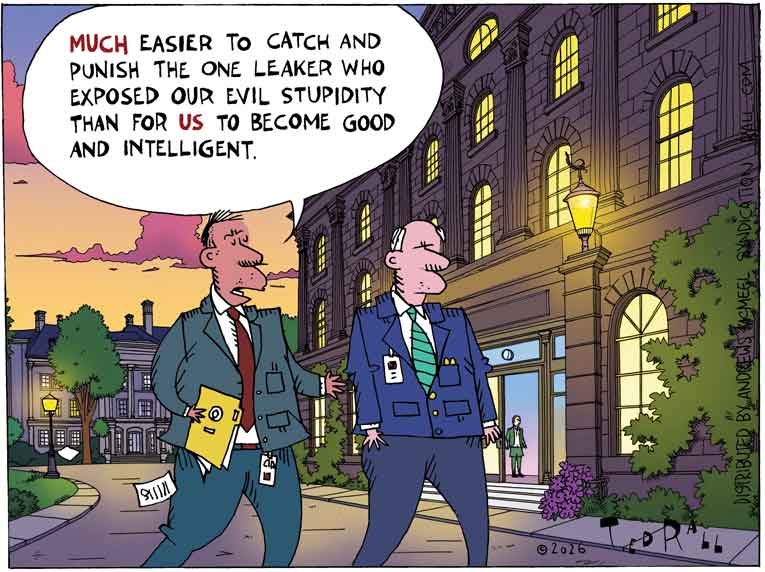
The corruption is endless and staggering, with new examples every day. I continue to post all of it, day after day, and hope at some point enough voters care about it to make a difference against Republicans who refuse to do any oversight. pic.twitter.com/n0sW3BWWdD
Exclusive: The Justice Department has convened a special grand jury in D.C., a rare legal body that officials say could pave the way for federal prosecutors in the nation’s capital to investigate some of its biggest and most controversial cases.
Gov. Newsom: That $400 million Qatari plane? That's not a $400 million gift — it cost you $936 million. That was what was appropriated as he's cutting food stamps and cutting your Medicaid.
A federal judge in D.C. dismissed a lawsuit concerning the cancellation of a concert following the addition of President Trump's name to the venue's facade.
The FCC has played a leading role in Trump’s attacks on news broadcasters, and a third Republican to cast votes at commission meetings will give Chairman Brendan Carr more support for his policies.
🚨BREAKING: President Donald Trump signaled Tuesday he’s willing to declare a national security emergency in an attempt to take over American elections. https://t.co/uosyDUTWN4
There is zero reason to not take Trump at his word that he and his team are planning sonething alarming to disrupt the midterms and beyond. https://t.co/WzNKfAmkDZ
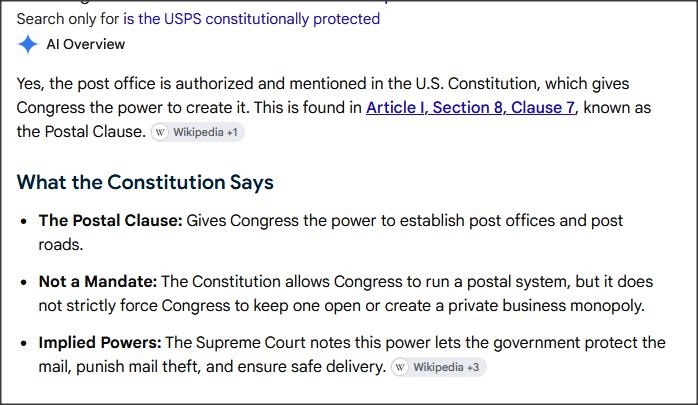
A federal judge in Massachusetts issued another order blocking the US Postal Service from implementing President Donald Trump’s sweeping attack on mail voting and his attempt to create a national voter registration list before the midterm elections. http://www.democracydocket.com/news-alerts/…
Jadon MacCormack, the anti-LGBTQ Christian extremist who ran for State House in Connecticut, has lost his primary.Republicans petitioned to add someone to the ballot so Jadon wouldn't make it to November and drag other candidates down. The plan worked.www.friendlyatheist.com/p/connecticu…
Jadon MacCormack,(announced he's running 2028, CT Congressional District 2) is a proponent of murdering gays. And he lies that he has Repub Party's endorsement in this year's CT House race. (He doesn't.) He's insane. 🤬
This interview highlights the differences between Evangelical hopes and dreams vs Catholic SCOTUS accomplishments.Mike Johnson “has been hapless & ineffective at governing. But has he advanced the cause of Christian nationalism?” he’s been wildly successful.”www.nytimes.com/2026/08/09/u…
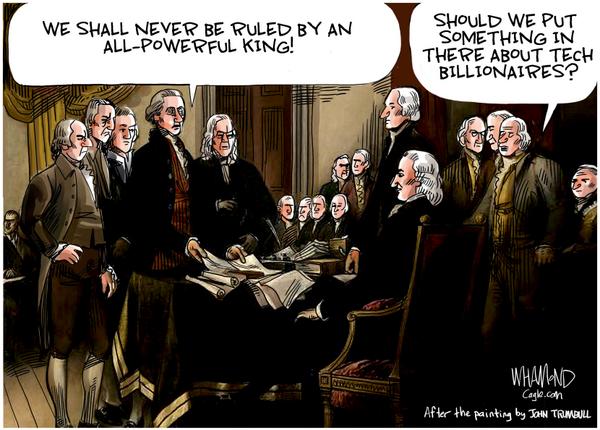
Musk gave $1.5 million last month to the Aurora Action Network, a Wisconsin-based political action committee that has already collected contributions from numerous billionaire mega donors.
Count Binface, a self-described intergalactic space warrior, has landed in the center of the U.K.’s political universe ahead of a special election Thursday that was derided as a farce long before the ballot was packed with nearly three dozen candidates — many from the silly end of the spectrum.
Many people say Venezuela rigged the election against Mike Lindell because they don’t like his pillows. Never seen anything like it. https://t.co/qPVqmwLr2w
Civil rights groups are challenging President Trump’s new effort to limit “birth tourism.”https://www.notus.org/immigration/civil-rights-groups-challenging-birth-tourism-order
“The supreme court justice Samuel Alito gained up to $2.9m from his fossil fuel interests between 2005 and 2024, a new review of financial disclosures shows.”
Families of sailors aboard the aircraft carrier USS Abraham Lincoln spoke to Military Times about multiple incidents in which sailors have attempted to go overboard amid the ship's extended deployment in support of combat operations in the Middle East
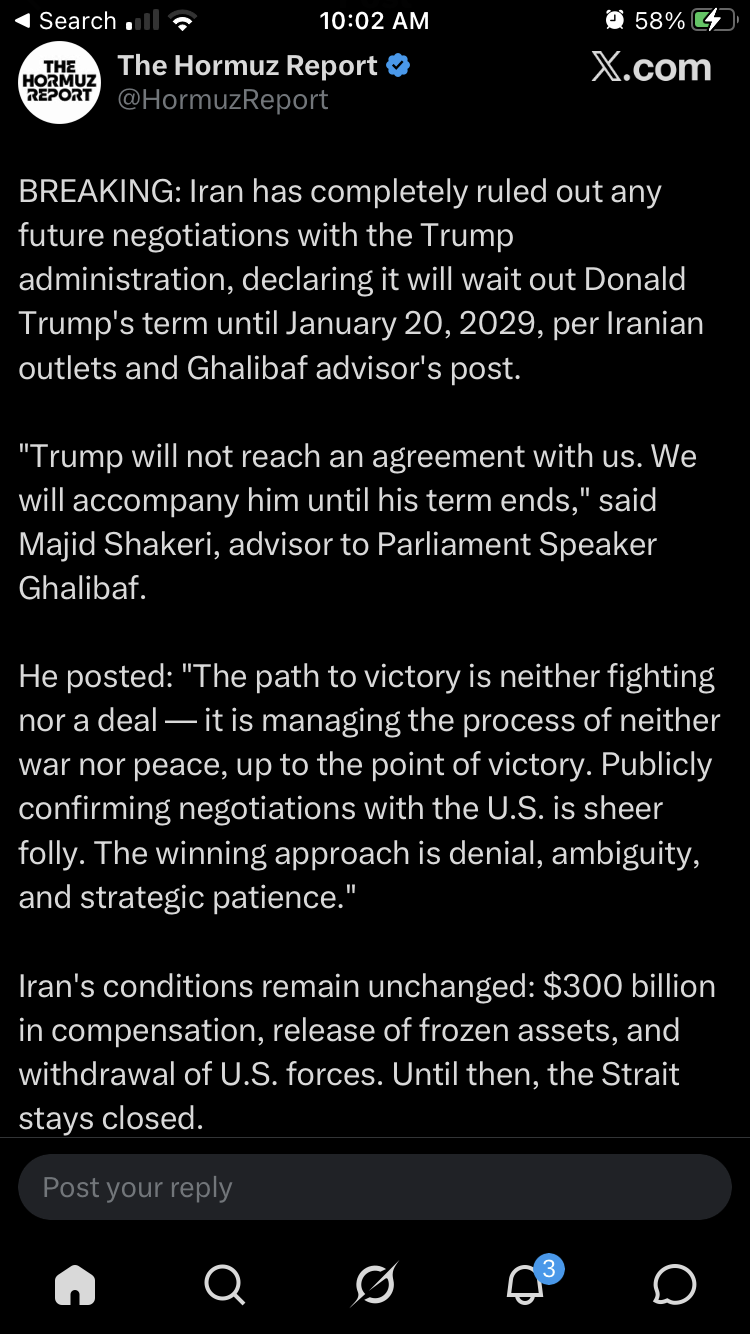
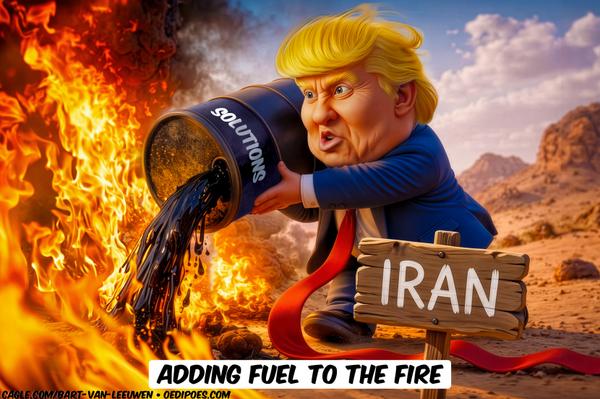
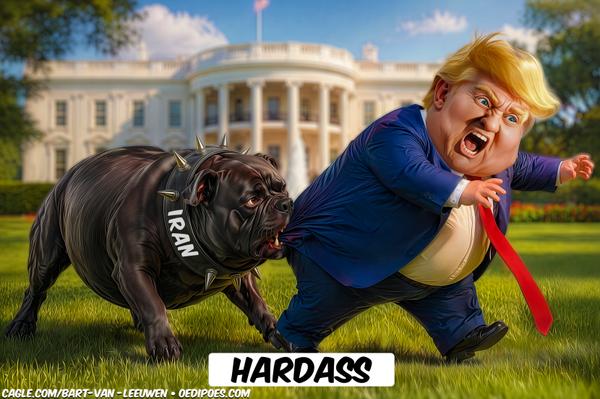
Trump on the Iran war this morning:"We are low keying it," and plans to wait Iran out economically. “It will work out. It always works out.”www.axios.com/2026/08/09/t…
Breaking: Israel has rejected US President Donald Trump's Board of Peace 15-point plan for Gaza, and will not withdraw until Hamas fully disarms, Prime Minister Benjamin Netanyahu said on Sunday.english.alarabiya.net/News/middle-…
"Immigration and Customs Enforcement officers may soon be outfitted with gloves that can deliver painful electric shocks intended to gain compliance from combative individuals."Susan Collins & Congressional Republicans voted to fund all of this.
David Ellison Threatens to Pull Paramount Out of California Starting Oct. 1 if States Refuse to Negotiate Settlement in Antitrust Suit https://t.co/N8bTxtYGWd
California 🤝 @anthropic.comWe're entering a partnership to strengthen cybersecurity and provide Claude to state agencies at a discount.The Golden State helped build Silicon Valley — and every Californian should benefit from the responsible use of their latest innovations.
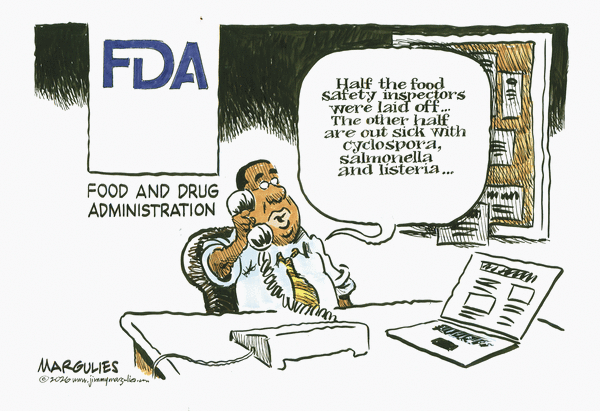
Taylor Farms contributed $2 million to Trump & Republicans as they postponed a rule to help the govt. limit the spread of foodborne illnesses.Read @premthakker.bsky.social's deep dive into how Taylor Farms' successful lobbying led to the current outbreak of cyclospora: zeteo.com/p/taylor-far…
A frankly insane story about how a Trump-linked American drilling company is setting up equipment in Greenland to make exploratory borehole, *despite* being denied permission by the Greenlandic government. So much for sovereignty, I guess. https://t.co/L6vrd4qpV5
Dear Greenland, dear Denmark, Don’t even think about allowing this. If you give them an inch they’ll take 100 miles. Kick them out now or accept that you just opened the floodgates. Like Putin, you can’t negotiate with Trump. Showing weakness will just guarantee the next outrage. https://t.co/mzt4ooInVs
A draft rule reviewed by WIRED would prevent the census from counting undocumented immigrants. To protect against “distortions,” it would also bar questions about race and sexual orientation. http://www.wired.com/story/census…
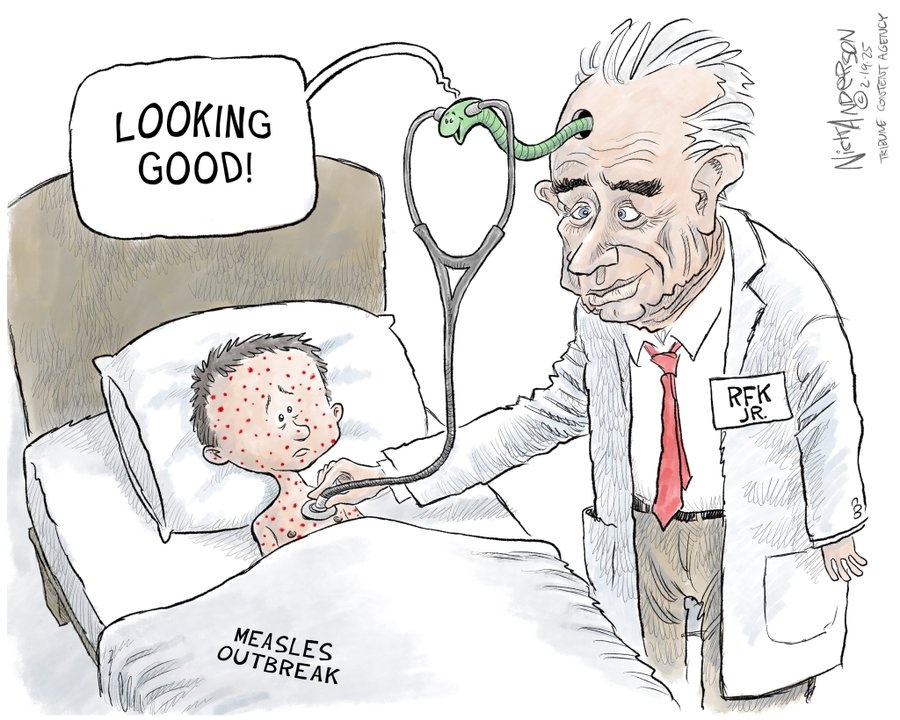
NYT: Kennedy Stirred Vaccine Fears in Pennsylvania Years Before Measles Outbreak By Teddy Rosenbluth @nytimes.com @teddyrosenbluth.bsky.social nyti.ms/4i5wbg5
Between cheeto face falling asleep, RFK Jr. shaking like a leaf like he's going through withdrawal, and some flight attendant wannabee holding her stomach twisting around like a loon, this is the most Hee Haw administration ever.
Negotiations surrounding a possible federal plea deal for Luigi Mangione were ongoing between his lawyers and prosecutors, according to media outlets. (AP photo)
Ben Folds, former Artistic Director of the National Symphony Orchestra, testified before a congressional forum titled “Monumental Waste: How Donald Trump Is Spending Millions Destroying American Landmarks”stereogum.com/2505928/ben-…
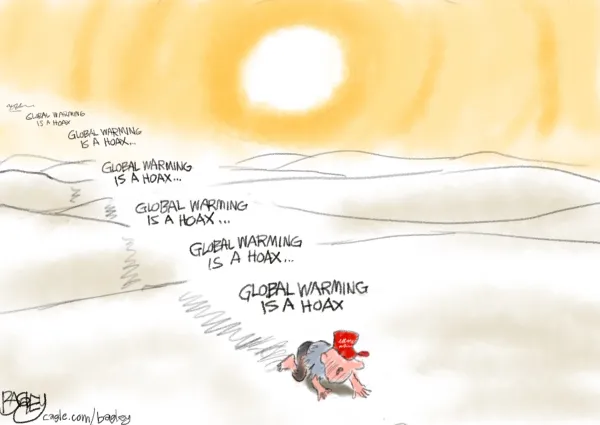
Trump Administration Kills a Flagship Annual Report on the ArcticThe top of the world is warming faster than any other region. For 20 years, the Arctic Report Card chronicled the extraordinary transformation.
Stacey Sloughfy is a travel writer who specializes in destinations, road trips, and travel planning. Her passion for exploring began with her first international trip to Japan, where she discovered a love for experiencing different cultures and seeing the world from new perspectives. Since then, she has traveled extensively throughout the United States and abroad, helping readers discover inspiring destinations and memorable travel experiences.
Prior to contributing to TheTravel, Stacey wrote content for GoAbroad and WeSaidGoTravel. When she is not travel writing, she can often be found tending her garden, blogging, or planning her next adventure.
This article was updated on August 7 at 12:48 PM EST with a statement sent to TheTravel from Southwest Airlines
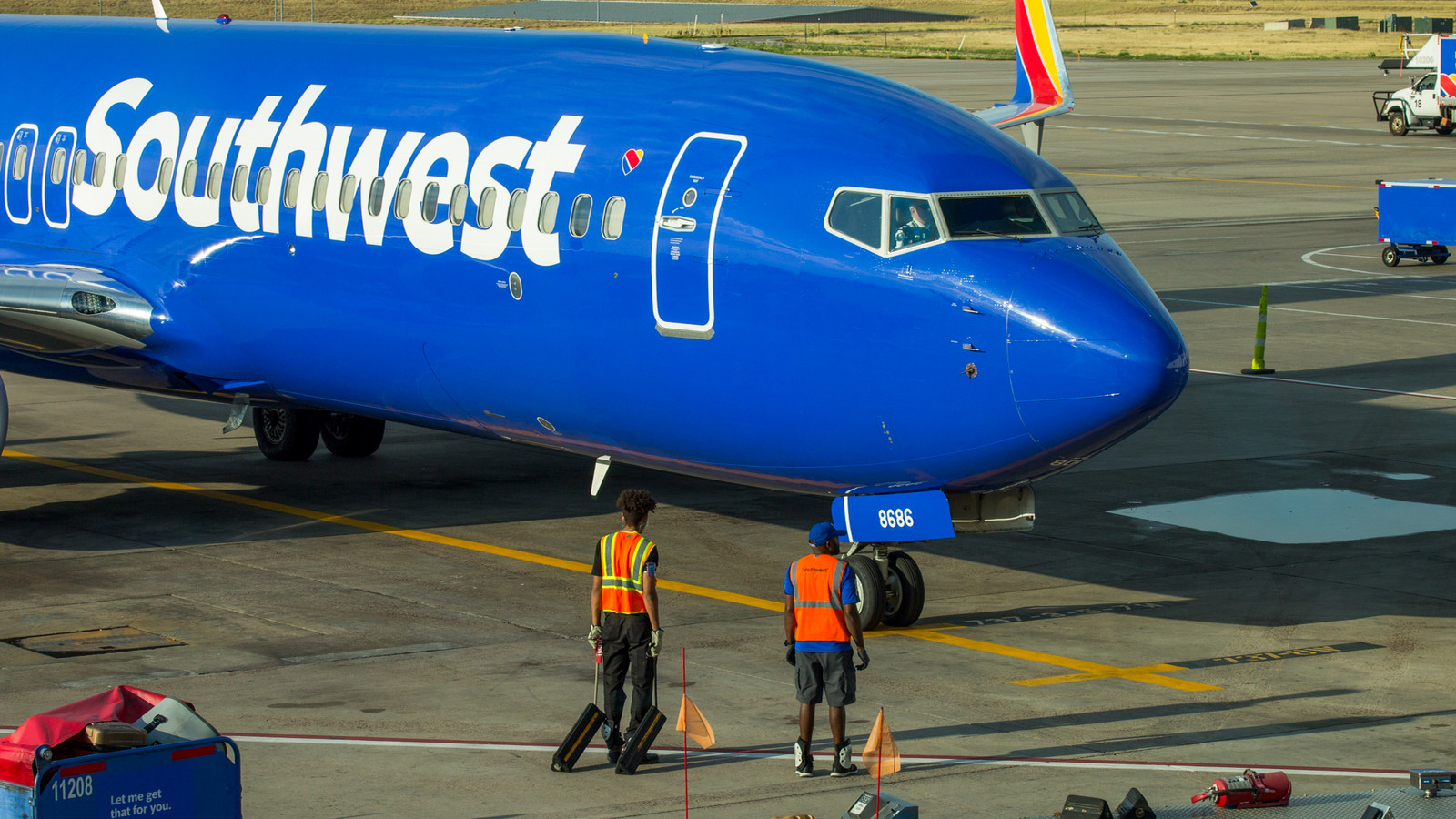
A U.S. Immigration and Customs Enforcement (ICE) agent trying to board a Southwest Airlines flight in Dallas was reportedly stopped by a gate agent who demanded a judicial warrant before allowing the agent onto the aircraft. The July 25 incident could signal a growing pushback from airlines as immigration enforcement at U.S. airports increases.
Now, a report from The Wall Street Journal suggests Southwest employees are drawing a line when ICE agents attempt to access aircraft or passenger information without the documentation the airline requires.
Southwest Airlines Pushes Back Against ICE Enforcement At Dallas Love Field Airport
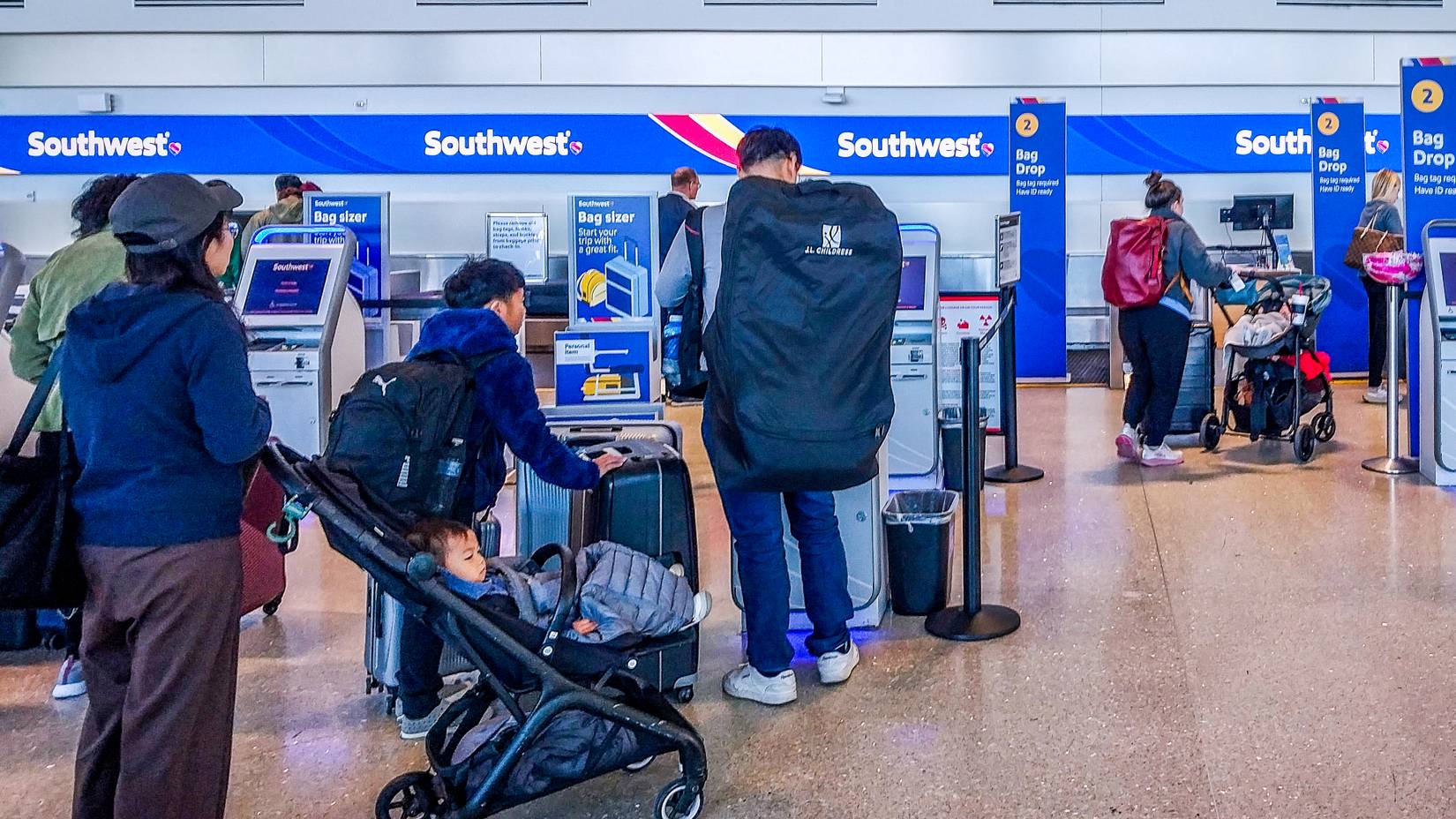
Southwest Airlines passengersCredit: Shutterstock
The incident happened at Dallas Love Field Airport on July 25 when an ICE agent attempted to board a Southwest flight headed from Dallas to Orlando to make an arrest, but a Southwest gate agent reportedly refused to allow the agent onto the aircraft without a judicial warrant signed by a judge.
Southwest employees also reportedly refused to provide ICE with passenger information or allow agents to view a computer screen displaying passenger information as travelers boarded the flight. The ICE agent reportedly had an administrative warrant, which was signed by an ICE supervisor rather than an independent judge.
Southwest did not comment specifically on the reported Dallas incident but provided TheTravel with a statement outlining how the airline interacts with law enforcement.
“Southwest is committed to providing a safe travel experience for all Customers and Employees. The airline adheres to applicable state and federal law when interacting with law enforcement agencies. Southwest has longstanding policies in place to ensure appropriate legal documentation is presented by law enforcement personnel before any information about Customers is shared,” the Southwest spokesperson told TheTravel.
The statement does not confirm whether the July 25 incident occurred or address what type of warrant the ICE agent presented. It does, however, reinforce Southwest’s position that law enforcement personnel must provide appropriate legal documentation before the airline shares customer information.
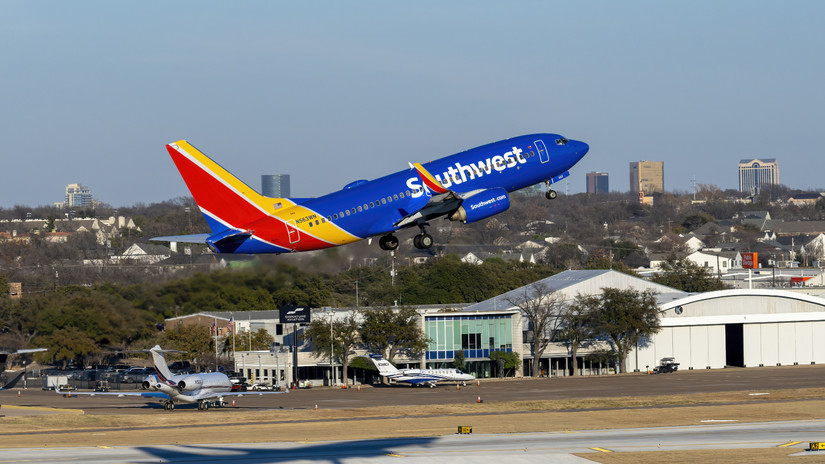
Southwest Airlines aircraft taking off from Love Field in Dallas, TexasCredit: David Pillow/Dreamstime
According to the WSJ, the Dallas confrontation may not have been an isolated event. An unnamed source said roughly a half-dozen similar incidents involving Southwest have occurred in recent weeks.
An administrative warrant and a judicial warrant are not the same thing. The former is issued within the immigration enforcement system, while a judicial warrant is signed by a judge.
The distinction could become increasingly important as airlines respond to more immigration enforcement activity at airports.
Several U.S. Airlines Decline Helping ICE With Airport Arrests
Southwest is not necessarily the only airline pushing back against ICE requests at airports. The Wall Street Journal also reported that an unnamed airline at a Southern airport recently declined to help ICE agents access a jet bridge so they could arrest a man traveling with his family. The airline reportedly refused to assist the agents. The man and his family ultimately did not board the flight, according to the report.
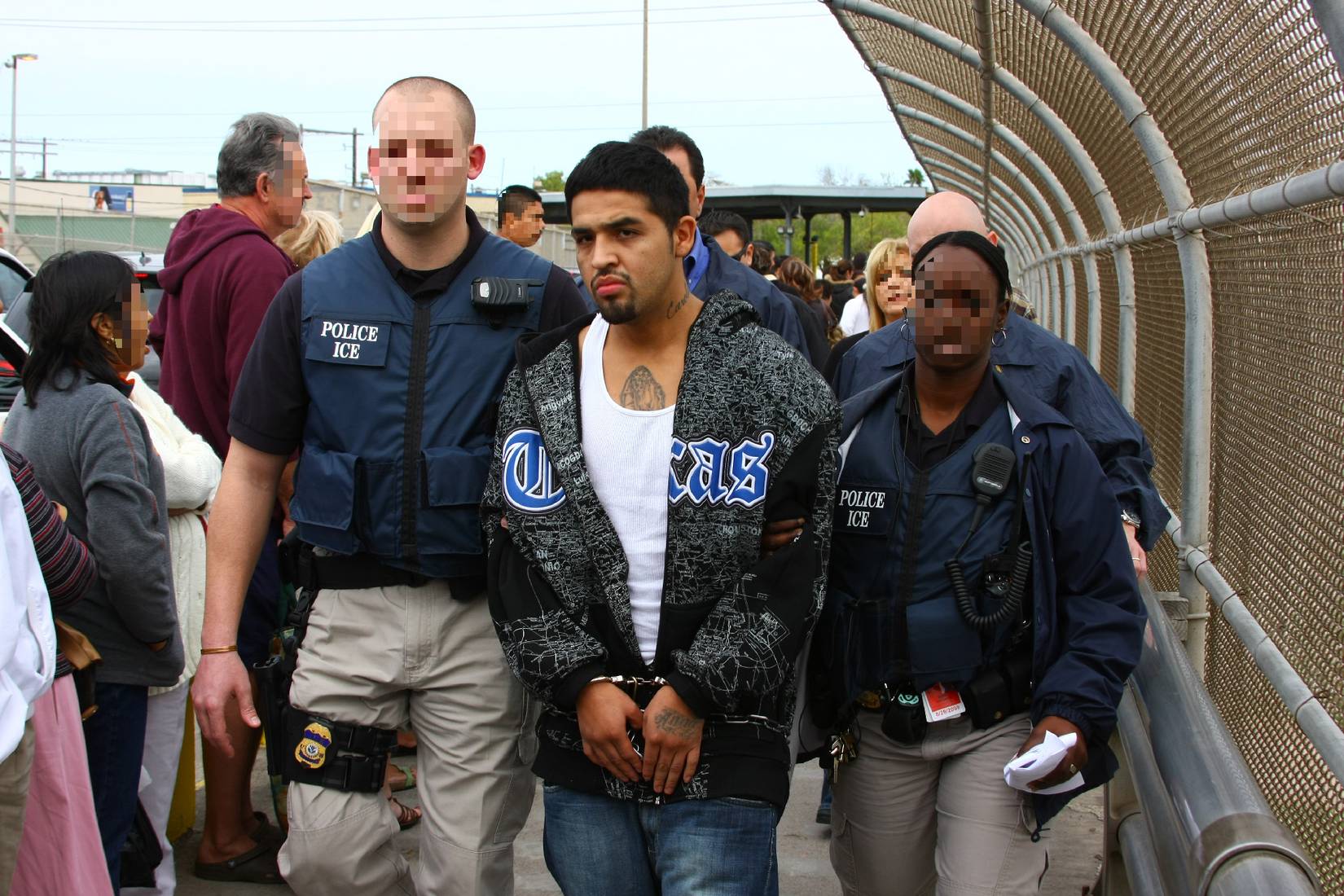
U.S. Immigration and Customs Enforcement AgentsCredit: U.S. Immigration and Customs Enforcement, Wikimedia Commons
The Department of Homeland Security (DHS) later said ICE agents did not complete the Las Vegas airport arrest due to safety concerns. The department stated that officers “did not proceed with the arrest at the Las Vegas airport” because of “officer safety” concerns and instead arrested the passenger the following day after he departed from Los Angeles International Airport.
These encounters have raised questions about what airlines should do when federal immigration agents arrive at the gate or attempt to access an aircraft.
Airlines Seek Clearer Rules For ICE Arrests At Airports
The airline industry’s response suggests that Southwest’s experience is part of a broader concern over how ICE enforcement is being handled inside airports.
Airlines for America (A4A), a trade group representing major U.S. airlines, said its member companies have been communicating with ICE and TSA about procedures for immigration enforcement at airports.
A4A said its member companies “have had constructive discussions with ICE and TSA to ensure if law enforcement activity occurs at an airport, there are proper procedures and protocols in place to prioritize the safety and security of all involved.”
Airlines are not necessarily asking ICE to stop making arrests at airports. The bigger concern appears to be how those arrests are conducted and what access agents should have to airline-controlled areas and passenger information.
Issue
Why Airlines Are Concerned
Access to aircraft
Employees may need to determine whether agents have appropriate documentation.
Administrative warrants
Airlines may question whether these documents provide sufficient authority for certain actions
Passenger information
Carriers have policies governing when customer information can be released
Jet bridges and gates
Arrests in crowded areas can create difficult situations for employees and travelers
Safety
Airline workers have to consider the safety of passengers and crew during enforcement activity
A DHS spokesperson has defended the increase in airport enforcement. The spokesperson told NewsNation that the administration had reversed what it described as a previous policy allowing people who are in the country illegally to travel around the United States.
“DHS reversed the horrendous Biden-era policy that allowed aliens in our country illegally to jet around our country. Under President Trump, DHAS [DHS] will no longer tolerate this.”
The spokesperson added, “This administration is working diligently to ensure that aliens in our country illegally can no longer fly unless it is out of our country to self-deport.”
The statements highlight the competing concerns at the center of the issue. Federal officials say immigration laws must be enforced, while airlines are trying to determine how those enforcement actions should take place without creating additional safety and operational problems.
TSA agents at a U.S. airportCredit: via Shutterstock
For travelers, the Southwest incident does not mean ICE agents are being barred from U.S. airports or that airlines will refuse to cooperate with immigration authorities. Instead, it shows that airlines may challenge access to aircraft or passenger information when they believe the proper legal documentation has not been provided.
As airport enforcement continues to increase, the question of where and how these arrests take place will likely remain a point of discussion between airlines, federal agencies and the public.
Mehdi takes down Bret Stephens’s viral argument and explains why Israel is unmistakably committing genocide in Gaza. Ever since Israel began their horrific war on Gaza, many pro-Israel pundits and genocide-denialists have suddenly decided that they know far more about war crimes, ethnic cleansing, and genocide than actual human rights experts. How convenient! New York Times’ conservative columnist Bret Stephens is of course no exception. In this latest ‘DEBUNKED’ video, Mehdi breaks down why Stephens’s viral argument – in which he claims that calling Gaza a genocide is “farcical” – is total BS. Watch the full video above to watch Mehdi bring the receipts and show Stephens how real journalism is done.
Iran Issues List of Demands, Complicating Efforts to Reopen StraitThe head of Iran’s Supreme National Security Council said that the Strait of Hormuz would remain closed until the United States met certain conditions.www.nytimes.com/2026/08/08/w…
Trump on the Iran war this morning:"We are low keying it," and plans to wait Iran out economically. “It will work out. It always works out.”www.axios.com/2026/08/09/t…
President Jimmy Carter was a good & decent man who loved our country and served it loyally in the U.S. Navy, as Governor of Georgia and as President. My first vote was for his opponent for re-election, Ronald Reagan, but despite his flawed Presidency he was a great American. RIP.
Sen. Chris Murphy: "Donald Trump has lost this war. America is weaker, Iran is stronger, the price to reopen the strait increases by the day, the supposed 'deal' that's on the table right now would pay Iran $100 billion a year in order to reopen the strait … what a victory for… pic.twitter.com/0P9AtH5oR3
Vance: I’ve had moments where I felt the presence of God. A friend and I were talking about Christianity and there was this moment where a glass fell off the wall. I think an atheist would dismiss that, but it felt like God was trying to send me a message. pic.twitter.com/d74LZe55bB
TEXAS POLITICS: Security escorts man out of Ken Paxton’s rally in San Antonio on Saturday after the man yells “you cheated on your wife.” pic.twitter.com/jgonzgz8Il
Here’s that moment from earlier today when someone was kicked out of Paxton’s rally for yelling “You cheated on your wife!” as Paxton was criticizing Talarico’s views on Christianity pic.twitter.com/NnoY7ganel
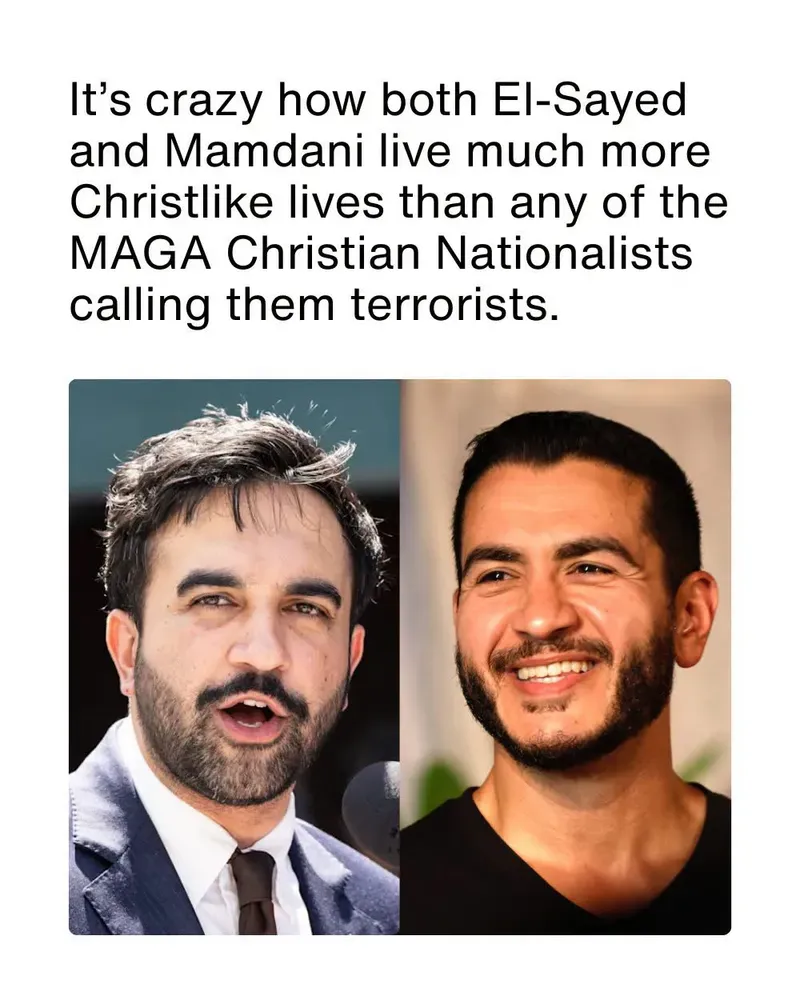
RAJU: Why use El-Sayed's full name in attack ads? Are you trying to say, 'Hint hint, he's Muslim'?TIM SCOTT: Not at allRAJU: But why not just use the name he goes by?TIM SCOTT: Listen, I go by Timothy Eugene. I get called that all the time.
NEWSNATION: Here's the record — inflation 3.5%, higher than earnings, gas is $4 a gallon, electricity prices continue to go up, and GDP is at 1.5%. Why do Republicans deserve to keep power?
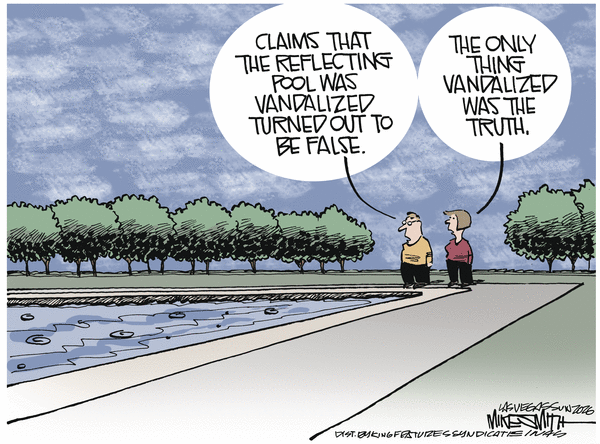
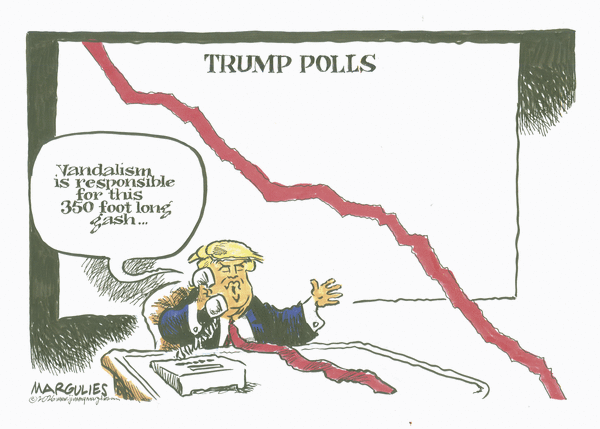
NEWS –> Dems are launching an investigation into Trump's corrupt prosecutions for "vandalism" of Reflecting Pool. They're demanding access to WH-DOJ communications and more.“Participants in this frame-up will be held to account," Jamie Raskin tells me.New piece:newrepublic.com/article/2141…
ICE has now spent over $2.2 BILLION on purchasing 4 private prisons from CoreCivic, with the company banking half a billion dollars on the most recent sale.Of course, ICE will not actually operate these facilities; CoreCivic keeps the contracts to run these places for the foreseeable future.
White House aide Peter Navarro goes ballistic on White House aide Jeanine Pirro: "Never mention her friggin' name to me. Because that woman still refuses to fire John Crabb. When the boss said 'she choked' … Jeanine, are you listening?" pic.twitter.com/GsB6yveGaO
The National Academy of Sciences has removed the climate science section from its reference manual designed for federal judges, following pressure from President Donald Trump, who claimed the nonpartisan handbook contained “fraudulent” information. http://www.courthousenews.com/under-pressu…
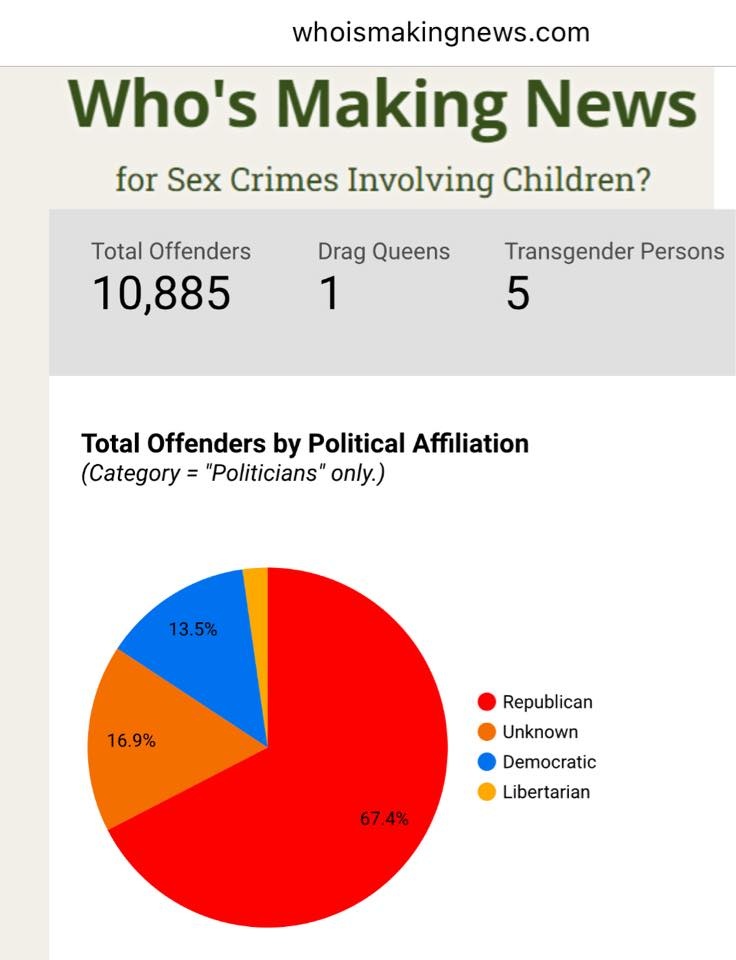
Lauren Boebert:“Obama is from Kenya”"Joe Biden molests kids""Democrats are pedophiles""Hillary eats babies and killed Seth Rich"Democrats:"Lauren Boebert’s son arrested. ” (actually true)Republicans:"HOW DARE YOU!”
Tyler Boebert, 21, son of Rep Lauren Boebert (R-CO), charged in new Garfield County felony case. 5 counts incl. sexual exploitation of a child. Bond $10K, released Aug 9. Boebert's father was also previously convicted on sexual molestation charges. The apple doesn't fall far from the tree.
Tyler Boebert, the 21-year-old son of GOP Rep. Lauren Boebert, is facing multiple felony charges related to the alleged sexual exploitation of a child in Colorado amid his mother’s vulnerable reelection bid.people.com/tyler-boeber…
TEXAS POLITICS: Security escorts man out of Ken Paxton’s rally in San Antonio on Saturday after the man yells “you cheated on your wife.” pic.twitter.com/jgonzgz8Il
Here’s that moment from earlier today when someone was kicked out of Paxton’s rally for yelling “You cheated on your wife!” as Paxton was criticizing Talarico’s views on Christianity pic.twitter.com/NnoY7ganel
Sean Cassidy, 53, of Pawtucket, was charged with coercion and enticement of a minor and false impersonation of a federal employee.https://bit.ly/3TCVj3N
A part of the benefits will go to give copies away for kids at queer and trans summer camps. (If you’re involved in one of them and would like some copies, send me a message!)
In 1993, Trump signed a mortgage for a Florida home, pledging it would be his principal residence. Seven weeks later, he attested a neighboring property would also be his principal residence.
Still more frivolous litigation:Trump says he’ll bring ballroom fight to Supreme Court after lower court halts workwww.washingtonpost.com/politics/202…
Education Secretary Linda McMahon tried to ditch a priority for blind vendors on Army bases, part of a broader administration attack on disability rights.
Truth & Accountability ProjectThe Sewing Box, a Black-owned family business, has made the Navy’s Blue Angels team’s uniforms for 43 years. Pete Hegseth just canceled their contract and gave it to a business that charges 4x as much. We are literally paying for his hate.
Hegseth decapitates another top general. Lt. Gen. Charles Costanza, commander of the Army’s V Corps, was removed from command in recent days. Apparently he makes Hegseth feel insecure. abcnews.com/Politics/top…
Brown University has a widget that tracks the cost of the Iran war to American consumers (as contrasted to whatever the Pentagon is spending). Per-household cost now exceeds $600. iranwarcost.watson.brown.edu
We live in a country where the entire political and media class talks about antisemitism every day, conflates antisemitism with criticism of Israel, meanwhile prominent Republican members of Congress are saying this with zero pushback from political or media elites. https://t.co/gfF6dDVGYT
Not even 25 years after Muslim terrorists flew planes into the Twin Towers, New York City is being overrun by the very people who want to see this country burn.
This is an invasion. There is no other way to put it.
Dr. Oz is Muslim and literally works for Trump. Congratulations, Nancy, you just called Trump’s own CMS Administrator a Trojan horse. Absolute clown show, fucking dummy. https://t.co/PWazZ3UNwu
If someone made this exact same statement — but replaced "Muslim" with "Jew" — their career would not only be instantly and permanently destroyed, but their families, banks, communities and employers would be relentlessly hounded until they were denounced, disowned and banned. https://t.co/xHT4pXYCjM
Trump’s hair gets a Las Vegas makeover, sparking memes, lighting theories and a fresh round of scrutiny of the president’s famous mane https://t.co/b6fLaXQGxr
Eerily similar to the verbiage on the Access Hollywood tape, except instead of bragging about assaulting women he’s talking about pilfering historical artifacts, most of which we will likely never see again. https://t.co/MNrTIUZqa1
Trump govt offers grants of $500,000 to change UK politics.Foreign money for right wing groups.Disguised as “public education” it promotes MAGA propaganda on abortion, regulation, hate speech, climate change, diversity and more.Is UK the 51st state?